

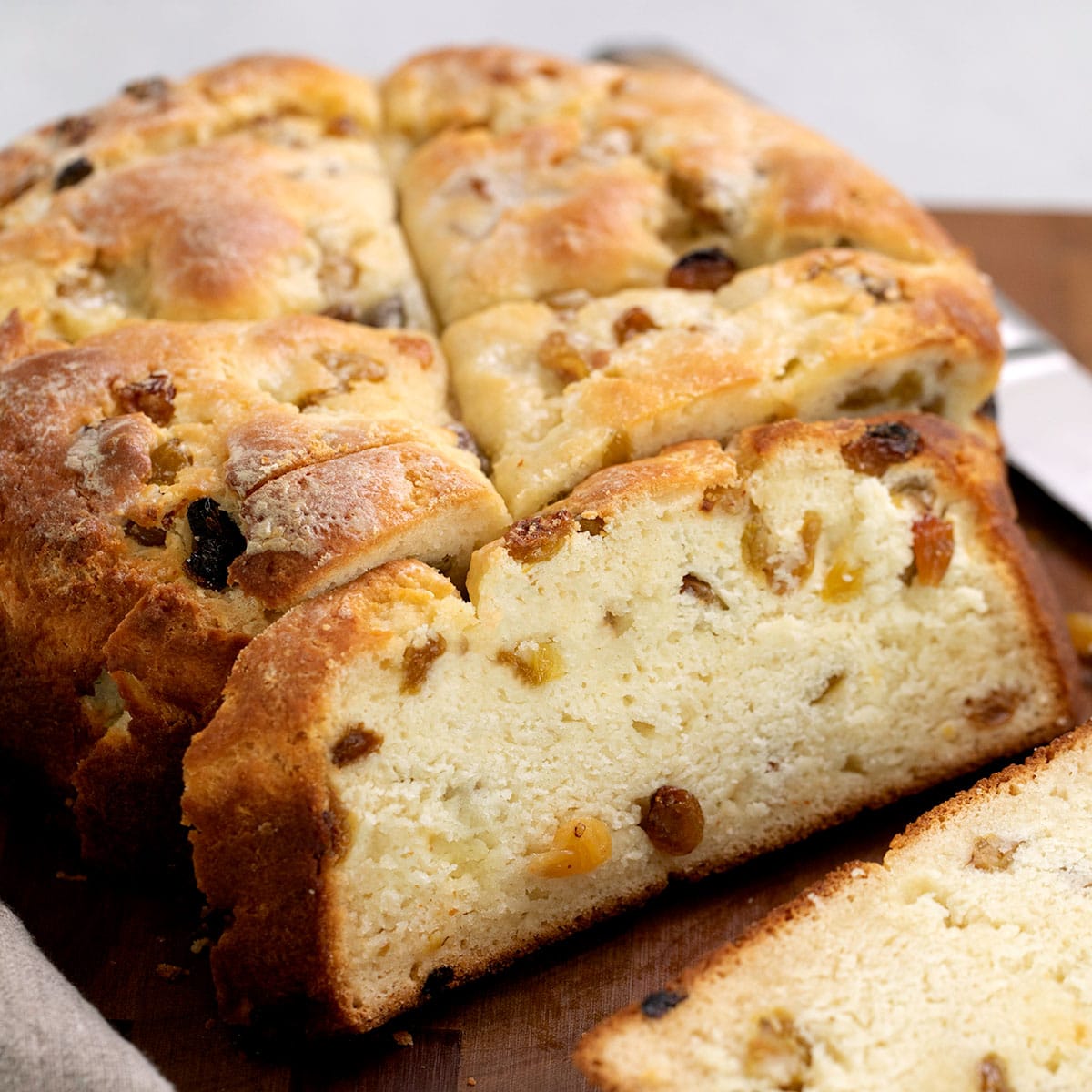
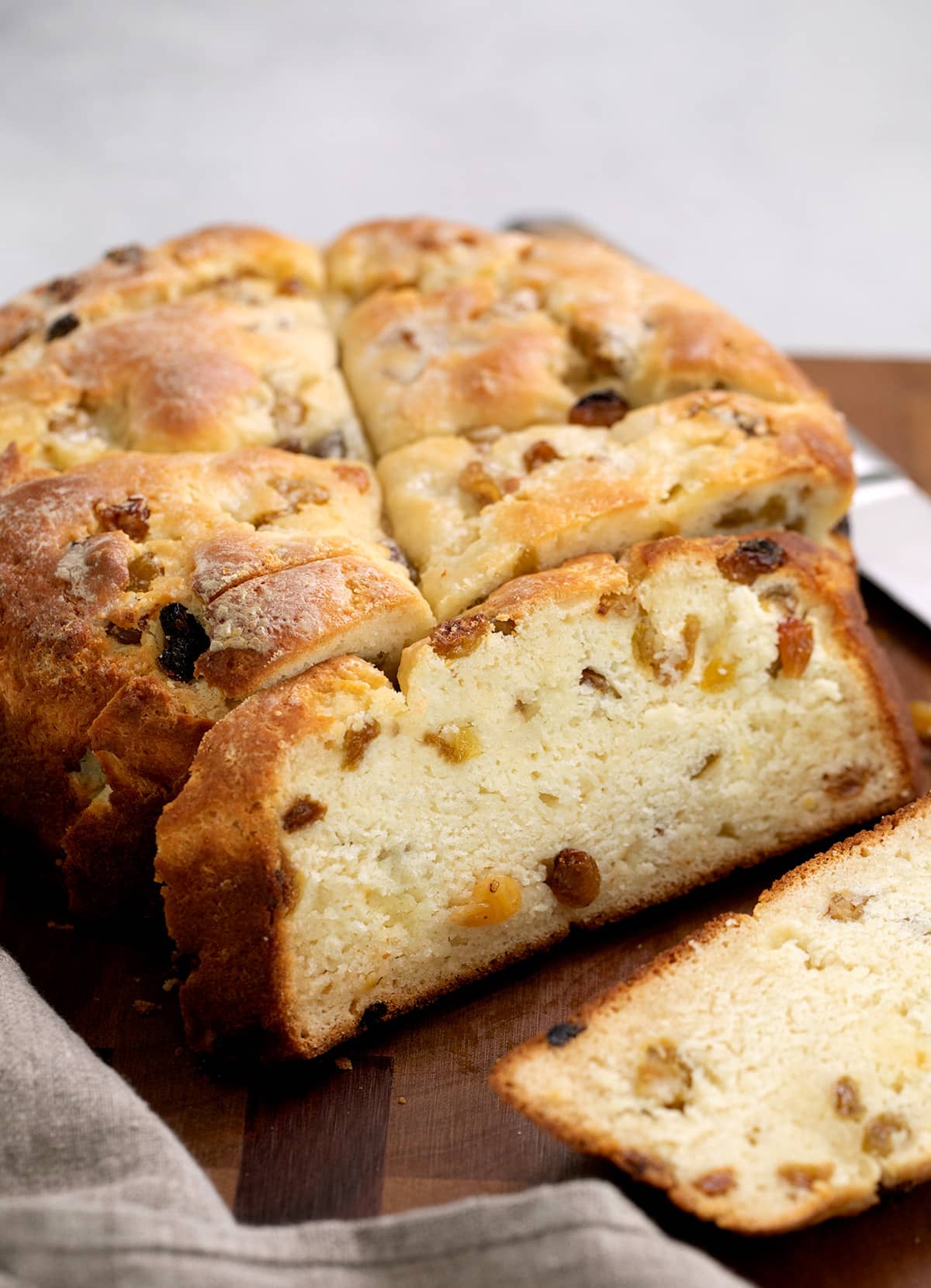
This gluten-free Irish soda bread is a lightly sweet quick bread that tastes best slathered with some extra Irish butter. Celebrate St. Patrick’s Day, or any day, the way you remember with this classic, golden brown soda bread!
Introduction to a Beloved Classic
Irish soda bread, a cornerstone of culinary tradition, evokes warmth, comfort, and a deep connection to heritage. Traditionally a simple, quick bread made with readily available ingredients, it has graced tables across Ireland and beyond for generations. This gluten-free rendition aims to recapture that authentic taste and texture, making it accessible to those with celiac disease or gluten sensitivities, ensuring that no one misses out on this beloved classic, especially during celebrations like St. Patrick’s Day.
The Art of Gluten-Free Baking: Why This Recipe Excels
Unlike yeast-leavened breads, Irish soda bread relies on the chemical reaction between baking soda and an acidic ingredient, typically buttermilk, for its rise. This quick bread method requires a delicate touch, mirroring pastry-making techniques. The key to a tender, buttery crumb in this gluten-free recipe lies in the judicious use of cold ingredients and minimal handling. By incorporating cold butter, chilled buttermilk, and a light hand during the mixing process, the gluten-free flour blend is encouraged to create a light and flaky texture, rather than a dense or tough one. The absence of traditional gluten, which provides elasticity and structure, means that the physical manipulation of the dough is crucial. Overworking can lead to a tough outcome, while insufficient mixing can result in an uneven texture. This recipe meticulously guides bakers through the process to achieve a loaf that is both structurally sound and delightfully tender.
The genesis of this specific gluten-free Irish soda bread recipe dates back to 2015, born out of a desire to include a child with a gluten-free diet in a classroom celebration of St. Patrick’s Day. The memory of ensuring that all children could partake in the traditional festivities, regardless of dietary needs, underscores the recipe’s core philosophy: to provide inclusive and joyful culinary experiences. This recipe aims to bring back those cherished memories and allow families to share in the tradition, creating new ones for gluten-free loved ones.
Understanding the Ingredients: The Foundation of Flavor and Texture
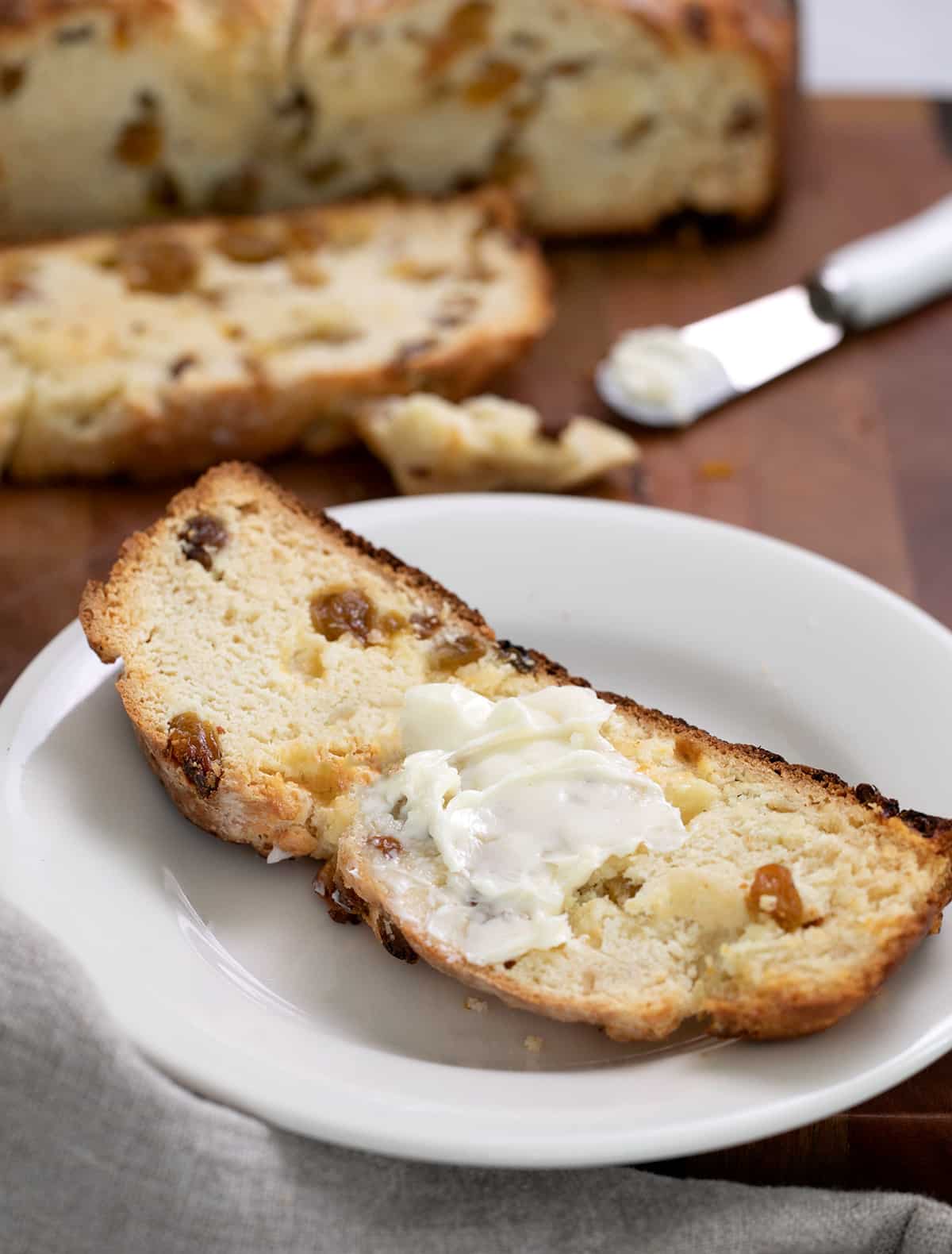
The success of any baking endeavor hinges on the quality and interaction of its ingredients. This gluten-free Irish soda bread recipe thoughtfully selects each component to ensure optimal results:
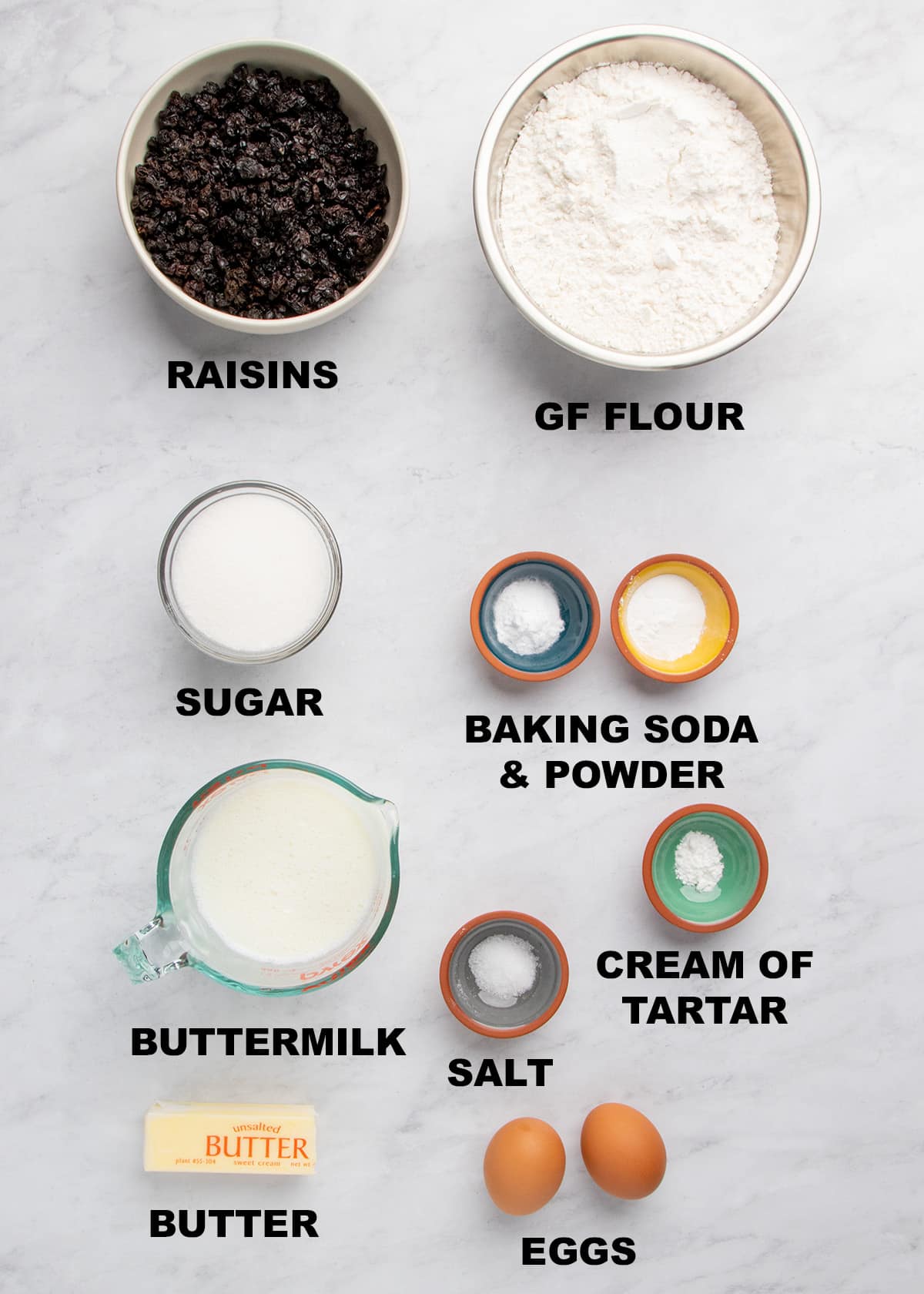
- Gluten-Free Flour Blend: The foundation of any gluten-free baked good, a good all-purpose gluten-free flour blend is paramount. Blends that contain a balance of rice flour, tapioca starch, and potato starch, often with a binder like xanthan gum, tend to perform well. The original recipe recommends specific blends like Better Batter’s original, Nicole’s Best multipurpose blend, or Bob’s Red Mill 1-to-1 baking flour with an adjustment for xanthan gum. These blends are designed to mimic the properties of wheat flour, providing structure and a desirable crumb.
- Xanthan Gum: A crucial binder in gluten-free baking, xanthan gum provides elasticity and structure, mimicking the role of gluten. Its absence can lead to a crumbly and fragile baked good. The recommended amount is critical, as too little will result in a lack of cohesion, while too much can lead to a gummy texture.
- Baking Soda and Baking Powder: These chemical leaveners are responsible for the bread’s rise. Baking soda reacts with the acidity in the buttermilk to produce carbon dioxide gas, creating lift. Baking powder provides an additional boost, especially helpful in gluten-free baking where the structure can be more delicate.
- Salt: Essential for enhancing flavor, salt balances the sweetness and brings out the nuanced notes of the other ingredients.
- Cream of Tartar: An acidic salt, cream of tartar works synergistically with baking soda to ensure a good rise and a tender crumb. It also contributes to the bread’s flavor profile.
- Sugar: A touch of sugar lends a subtle sweetness to the bread, making it more palatable on its own and a delightful complement to butter. The amount is carefully calibrated to be present but not overpowering.
- Cold Butter: The use of very cold, unsalted butter is critical. When the cold butter hits the hot oven, it melts and steams, creating pockets within the dough that result in a lighter, flakier texture. Shredding or dicing the butter into small pieces ensures even distribution throughout the dry ingredients.
- Cold Buttermilk: The acidity of buttermilk reacts with the baking soda, initiating the leavening process. Its cold temperature is vital for maintaining the integrity of the butter pieces. Real buttermilk, with its thicker consistency and unique tang, is preferred. However, suitable substitutes can be made by combining milk with an acidic agent like lemon juice or vinegar, or by using kefir or a blend of yogurt and milk.
- Raisins (or other dried fruit/nuts): Traditionally, raisins are a popular addition to Irish soda bread, offering bursts of sweetness and chewiness. Other variations can include currants, chopped dried apricots, prunes, or even nuts like walnuts or pecans. If using nuts, it’s important to note they don’t add moisture like dried fruit, so a slight adjustment in liquid might be necessary.
The Step-by-Step Journey to a Perfect Loaf
Crafting this gluten-free Irish soda bread is an engaging process, with each step contributing to the final delightful outcome.
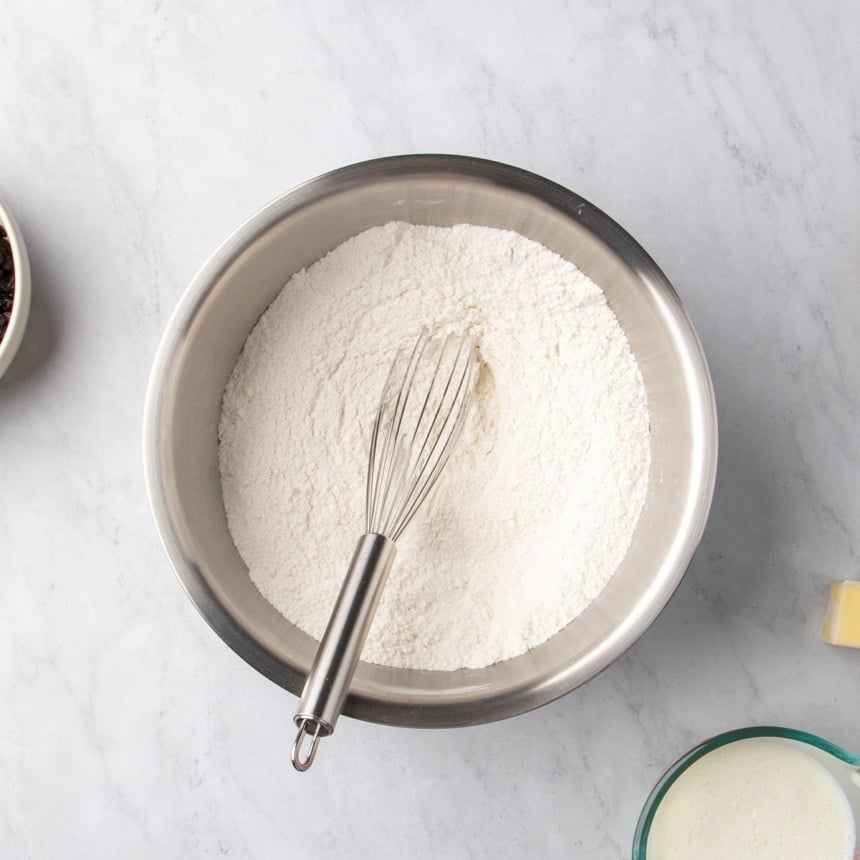
- Combining Dry Ingredients: Begin by thoroughly whisking together the gluten-free flour blend, xanthan gum, baking powder, baking soda, salt, cream of tartar, and sugar in a large mixing bowl. This ensures that the leavening agents are evenly distributed, preventing pockets of unmixed ingredients and promoting a uniform rise.
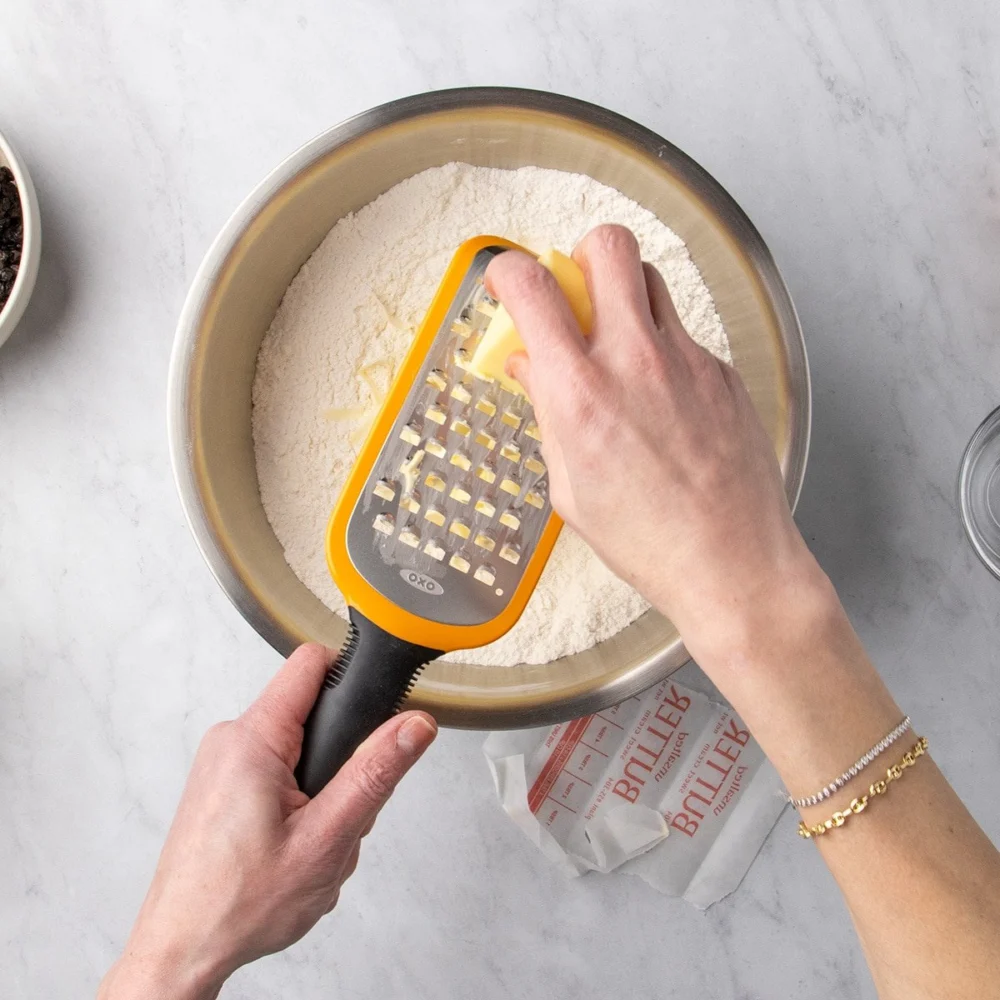
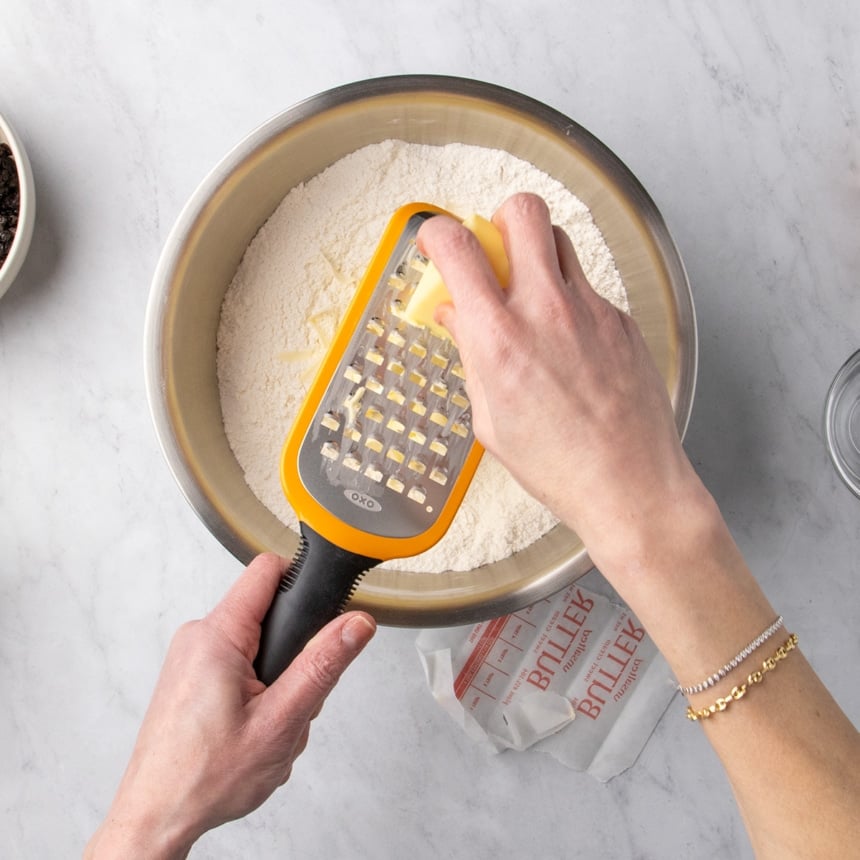
- Incorporating Cold Butter: The key to a tender crumb is the cold butter. Using a coarse grater, shred very cold butter directly into the bowl of dry ingredients. Alternatively, dice the butter into small pieces and rub it into the dry ingredients using your fingertips until the mixture resembles coarse crumbs with pea-sized pieces of butter still visible. This technique creates the necessary pockets for steam to escape during baking, leading to a lighter texture.
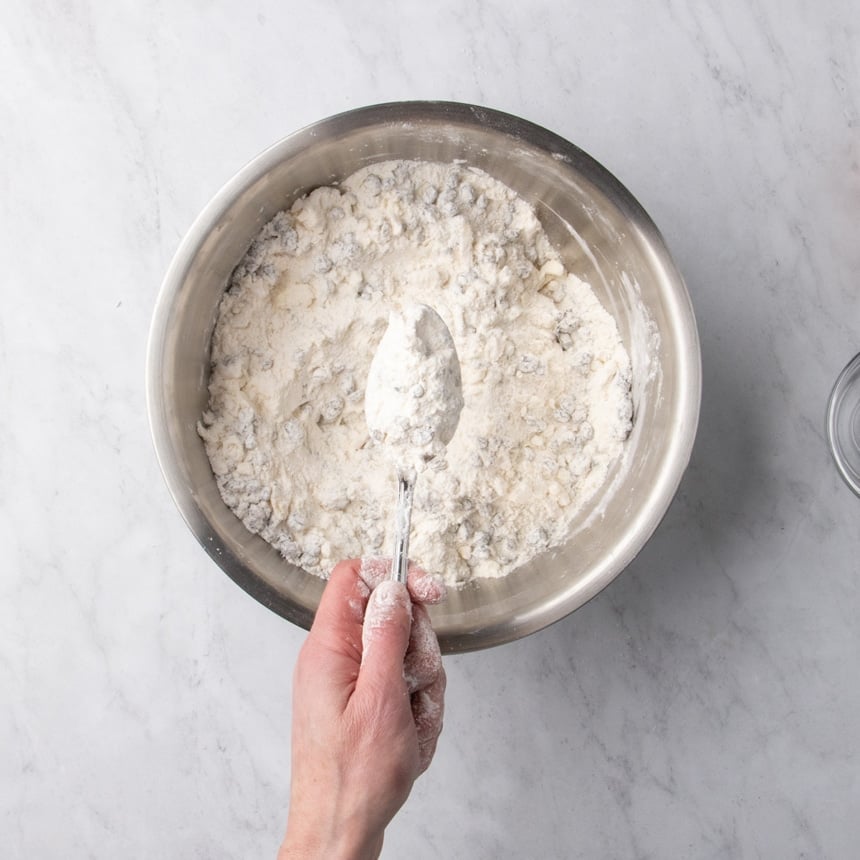
- Adding Dried Fruit: Gently mix in the raisins or other chosen dried fruit. Ensure they are evenly scattered throughout the dry mixture. At this stage, the mixture will appear dry and clumpy, which is precisely what is desired.
- Whisking Wet Ingredients: In a separate, smaller bowl or measuring cup, whisk together the cold eggs and cold buttermilk. Beat the eggs for approximately 30 seconds to ensure the yolks and whites are fully incorporated, creating a smooth liquid base.
- Combining Wet and Dry: Create a well in the center of the dry ingredients in the large mixing bowl. Pour the cold buttermilk mixture into this well. Using a mixing spoon, gently combine the wet and dry ingredients until just incorporated. The goal is to bring the dough together without overmixing, which could melt the butter and result in a tougher bread. If any very dry pockets of flour remain, add a tiny bit more buttermilk sparingly, just enough to bring the dough together.
- Shaping the Loaf: Turn the dough out onto a lightly floured surface. If baking in a cast iron skillet, it’s advisable to do this on a piece of parchment paper. Gently shape the dough into a round disk, approximately 9 inches in diameter. Remember to handle the dough lightly to preserve the cold butter and avoid compressing it too much.
- Scoring the Dough: Using a large, sharp knife, score a deep cross or "X" into the center of the loaf. The cuts should be about 1 inch deep and should not extend all the way to the edges of the disk, leaving about 1 inch of the perimeter intact. This traditional scoring is not only symbolic but also functional, allowing steam to escape during baking and ensuring the bread cooks evenly through the center.
- Baking to Perfection: Transfer the shaped loaf, on parchment if used, to your baking vessel. Bake in a preheated oven at 375°F (190°C). The loaf is done when it is lightly golden brown all over, firm to the touch, and a tester inserted into the center comes out with a few moist crumbs (not wet batter). Oven times can vary, so it’s essential to rely on these visual and tactile cues rather than strictly the clock. Baking in a cast iron skillet may result in a slightly shorter baking time and a crisper crust.
- Cooling and Serving: Once baked, allow the loaf to cool in the pan for a short period until it is stable enough to transfer to a wire rack. Remove any parchment lining to allow air to circulate freely around the loaf as it cools completely. Slicing the bread while still warm is tempting, but allowing it to cool fully will result in cleaner slices and a better texture.
Expert Insights for Gluten-Free Success
Achieving a perfect gluten-free Irish soda bread is within reach with a few key considerations:
- Maintain Cold Ingredients: This is arguably the most critical factor. Cold butter and cold buttermilk are essential for creating steam pockets that lead to a light and tender crumb. Avoid using ingredients at room temperature.
- Handle the Dough Minimally: Gluten-free doughs can become tough if overworked. Mix only until the ingredients are just combined. The goal is to bring the dough together, not to develop a smooth, elastic texture like wheat-based doughs.
- The Significance of the Cross: The traditional cross scored into the top of Irish soda bread has historical and practical significance. Historically, it was believed to ward off evil spirits and bless the bread. From a baking perspective, it allows steam to escape, preventing the loaf from cracking unevenly and ensuring the center cooks through.
- The Importance of Authentic Buttermilk: Real buttermilk’s unique texture and acidity are difficult to replicate perfectly. While substitutes can work, they may alter the final outcome slightly. If using a substitute, aim for a similar consistency and acidity to real buttermilk.
Variations and Dietary Adaptations
This recipe serves as an excellent base, with ample room for personalization and dietary adjustments:
- Dairy-Free: For a dairy-free version, substitute cold vegan butter (such as Melt or Miyoko’s Kitchen) for dairy butter. Replace buttermilk with a mixture of plain non-dairy yogurt (soy or coconut-based) and unsweetened non-dairy milk, maintaining a similar thickness to traditional buttermilk.
- Egg-Free: The recipe calls for two eggs. These can often be substituted with commercial egg replacers like Bob’s Red Mill egg replacer or JustEgg liquid egg replacer. Chia or flax eggs are also options, though they may impart a slightly earthy flavor.
- Beyond Raisins: The sweet additions can be varied. Currants, chopped dried apricots, or prunes offer different flavor profiles and textures. For a savory twist, consider omitting the fruit and adding herbs like rosemary or thyme. Nuts like walnuts or pecans can also be incorporated, but be mindful that they do not contribute moisture like dried fruit, so a slight increase in liquid might be beneficial. If omitting raisins entirely, the loaf may be slightly smaller and bake a bit faster.
Storage and Enjoyment

Once cooled, this gluten-free Irish soda bread can be stored at room temperature, tightly wrapped in plastic wrap or reusable food wraps, for up to two days. To refresh slices, lightly mist them with lukewarm water and toast them briefly. For longer storage, wrap the loaf tightly in freezer-safe materials and freeze for up to three months. Slicing the bread before freezing allows for individual portion defrosting, which can be done at room temperature or in a toaster.
This gluten-free Irish soda bread is more than just a recipe; it’s an invitation to connect with tradition, to share comfort, and to savor the simple pleasures of a home-baked treat. Whether celebrating St. Patrick’s Day or simply seeking a taste of nostalgic goodness, this recipe promises a delightful culinary experience for all.
