

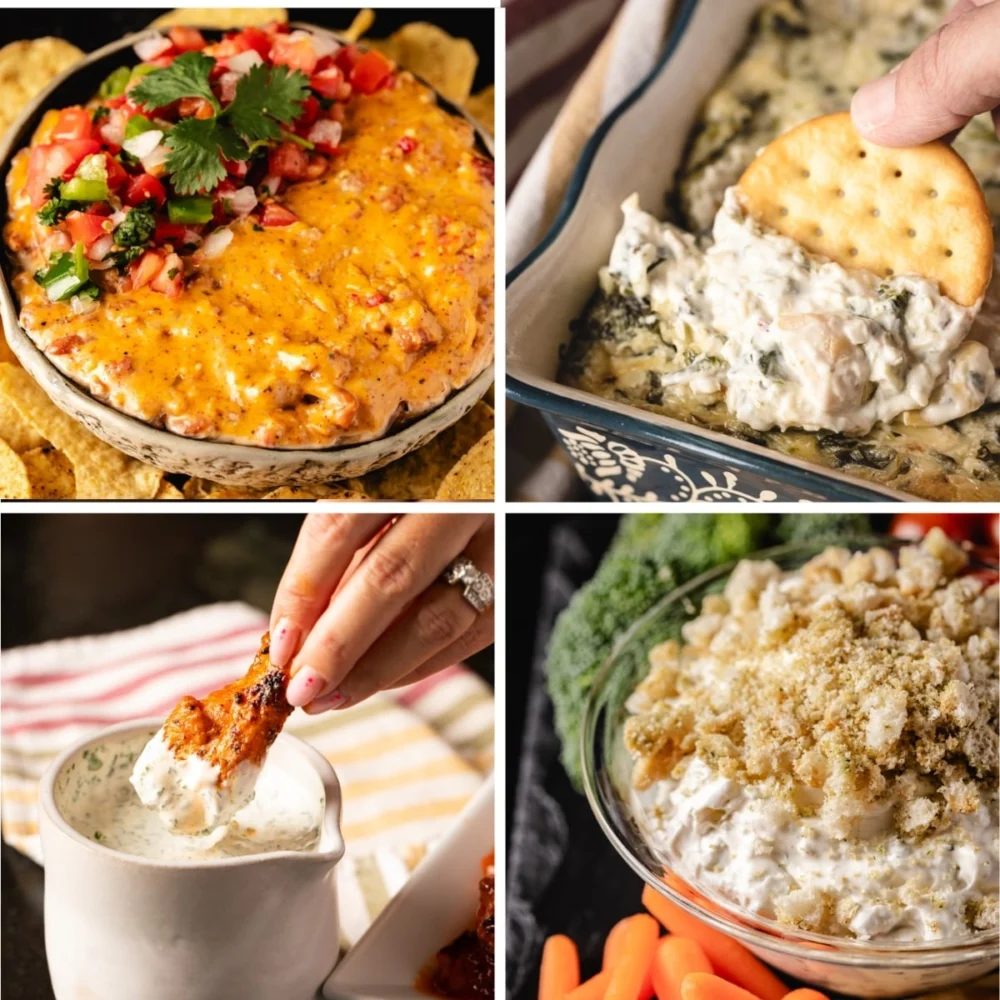
The American culinary landscape undergoes a significant transformation every autumn and winter, culminating in a multi-billion-dollar hospitality phenomenon centered around sports-related social gatherings. At the heart of this cultural ritual lies the "game day dip," a versatile category of appetizers that has evolved from simple pantry staples into sophisticated, often labor-intensive culinary centerpieces. Recent data from the National Retail Federation and food industry analysts suggest that the consumption of snacks and dips during major sporting events, particularly the NFL playoffs and the Super Bowl, now represents one of the largest annual surges in consumer spending within the grocery sector. This shift is characterized by a move away from mass-produced, shelf-stable products toward "from-scratch" recipes that utilize outdoor cooking techniques, such as smoking and grilling, to enhance flavor profiles.
The Socio-Economic Impact of Game Day Entertaining
Market research indicates that the average American household spends approximately $80 to $100 on food and beverages for a single high-profile game day event. Dips, historically relegated to the periphery of the table, have moved to the center as "hero dishes." The rise of the "Backyard BBQ Hero" persona, popularized by culinary influencers like Susie Bulloch of Hey Grill Hey, reflects a broader demographic trend: the democratization of professional-grade smoking and grilling techniques for the home cook. This movement is supported by the rapid growth of the pellet grill market, which has seen a compound annual growth rate (CAGR) of over 5% as consumers seek to replicate wood-fired flavors in their own backyards.

The strategic importance of the dip in a game day setting cannot be overstated. From a logistical perspective, dips serve as a "communal anchor," encouraging social interaction and providing a steady source of sustenance throughout broadcasts that often exceed three hours. The following analysis examines five specific recipe archetypes that currently dominate the modern tailgating circuit, reflecting broader trends in flavor innovation and ingredient selection.
Case Study 1: The Modernization of Smoked Queso
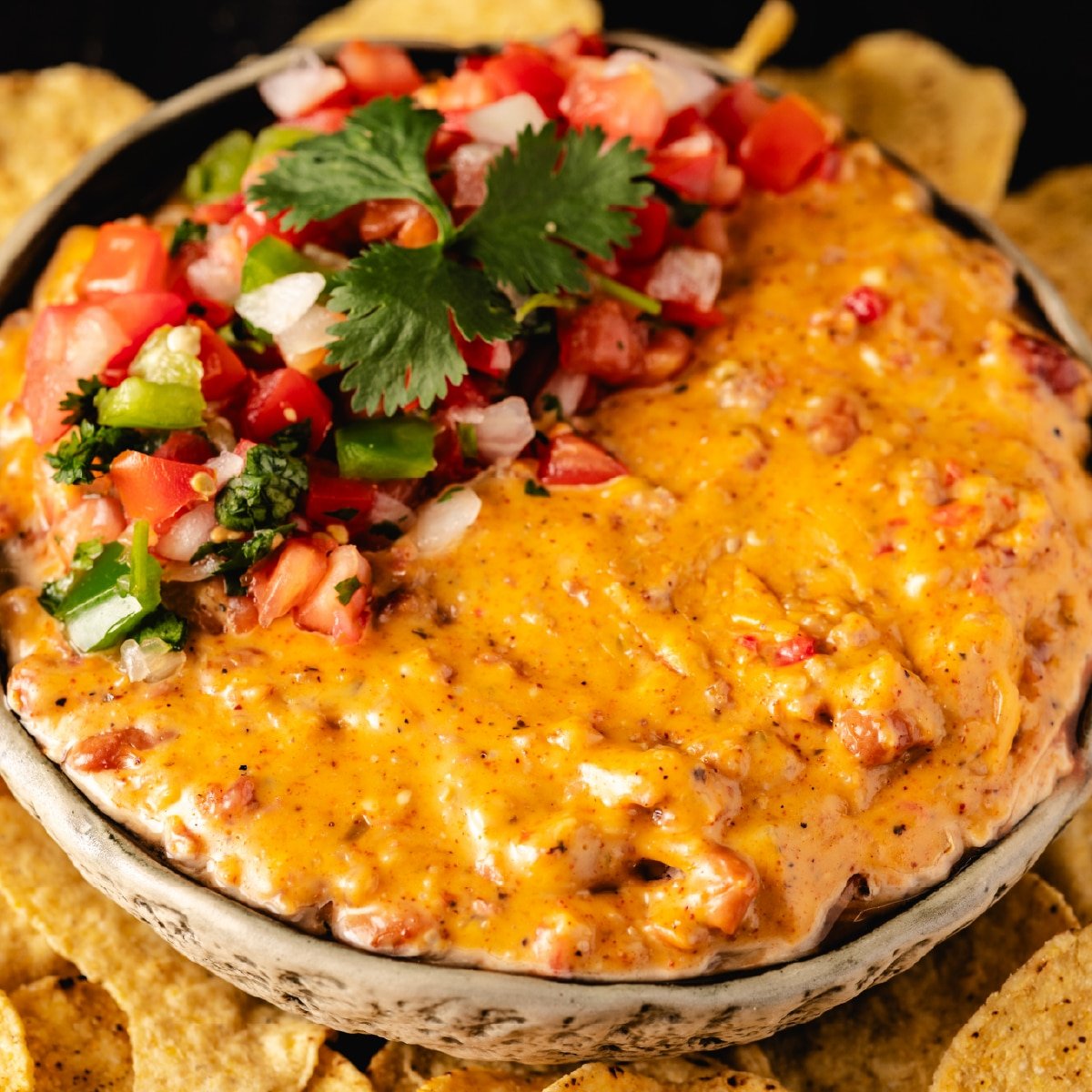
The transition from traditional stovetop cheese sauces to "Smoked Queso" represents a pivotal moment in contemporary tailgating history. While the classic "rotel dip" dominated the late 20th century, the modern iteration utilizes a complex assembly of proteins and aromatics. The contemporary standard, as popularized in the "Hey Grill Hey" collection, involves a pan-based assembly of American melting cheese, cream cheese, smoked sausage, onions, peppers, and chilis.
The inclusion of smoked sausage and fresh aromatics marks a departure from processed-only ingredients. By placing the entire assembly in a smoker, the fats from the meat render into the cheese, while the smoke particles adhere to the surface area of the dairy, creating a depth of flavor unattainable in a standard kitchen oven. Food scientists note that the use of American melting cheese is critical in these recipes due to its high concentration of emulsifiers, which prevent the sauce from "breaking" or becoming oily under the prolonged heat of a pellet grill.

Case Study 2: The Reinvention of Spinach Artichoke Dip
Originally a staple of 1990s "casual dining" restaurant chains, the spinach artichoke dip has been reclaimed by the outdoor cooking community. The "Smoked Spinach Artichoke Dip" variant introduces a textural complexity by utilizing marinated artichokes and fresh garlic. The smoking process serves a dual purpose: it melts the cheese blend (often a mix of mozzarella, parmesan, and cream cheese) while infusing the fibrous vegetables with a subtle wood-fired essence.
Analytically, this dip functions as a bridge between high-calorie comfort food and vegetable-forward appetizers. The inclusion of two distinct vegetables—spinach and artichokes—allows hosts to market the dish as a more balanced option, despite its rich dairy base. Industry analysts observe that "smoked greens" have become a trending category in 2024, as consumers look for ways to incorporate more produce into their outdoor cooking repertoires.
Case Study 3: The Rise of Fusion Flavors in Mexican Street Corn Salsa
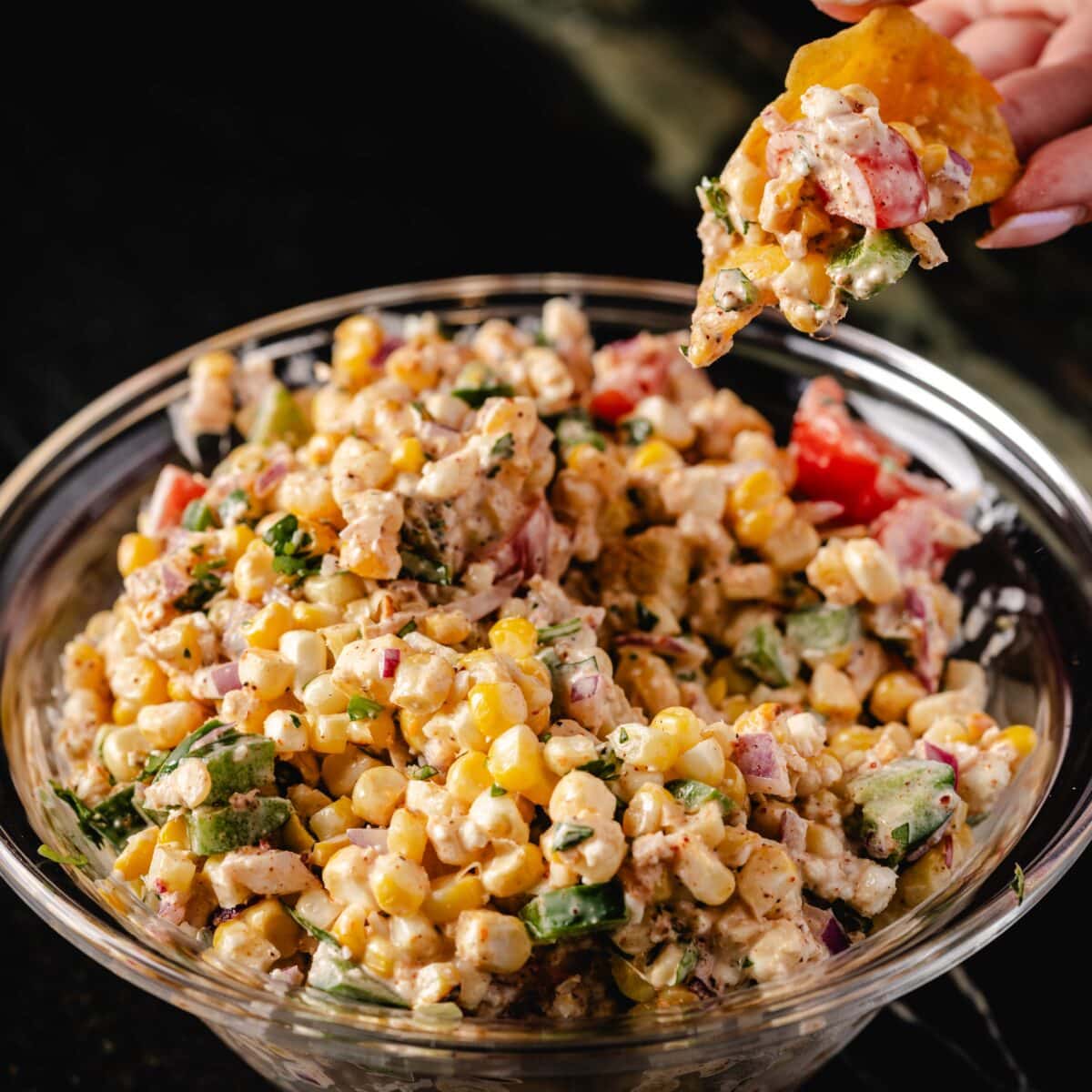
The popularity of "Elote" (Mexican Street Corn) has migrated from urban food trucks to the suburban tailgate. The "Mexican Street Corn Salsa" represents a fusion of traditional salsa structures and the creamy, tangy profile of street corn. Key ingredients include grilled corn kernels, Cotija cheese, lime zest, and specialized seasoning blends such as "Fiesta Rub," which typically contains cumin, chili powder, and garlic.
This recipe highlights a significant trend in game day food: the "sleeper hit." Unlike heavy cheese-based dips, corn salsa offers a refreshing, acidic counterpoint to the fatty meats (wings, ribs, burgers) typically served at these events. The use of Cotija—a dry, salty cheese that does not melt—provides a structural integrity that allows the salsa to be used both as a standalone dip and a condiment for tacos or grilled proteins.
Case Study 4: The DIY Movement and the Return to Homemade Ranch
Perhaps the most significant shift in the "dip economy" is the rejection of bottled dressings in favor of homemade alternatives. Ranch dressing, which has held the title of America’s favorite dressing for over three decades, is frequently the primary accompaniment for buffalo wings—a staple that sees consumption of over 1.45 billion units during Super Bowl weekend alone.
The "Homemade Ranch Dip" movement focuses on a "clean label" approach, utilizing buttermilk, mayonnaise, and fresh or dried herbs (dill, parsley, chives) without the preservatives found in commercial shelf-stable bottles. This shift is driven by a growing consumer preference for "tangy" and "herby" profiles over the "sweet" and "artificial" notes of mass-market products. From a culinary standpoint, the homemade version offers a superior viscosity, allowing it to adhere more effectively to the surface of a fried wing or a raw vegetable.

Case Study 5: The "Pickle Craze" and Brine-Based Appetizers
The final pillar of the modern dip collection is the "Creamy Dill Pickle Dip." This recipe taps into the "pickle-everything" trend that has dominated social media platforms like TikTok and Instagram over the past 24 months. The recipe combines a dairy base (cream cheese, sour cream, and mayo) with finely diced dill pickles and pickle brine.
The "briny crunch" of this dip serves a specific physiological function in the context of a game day feast. The high acidity and salt content of the pickles help to cleanse the palate between bites of rich, fatty foods. Furthermore, the pairing of this dip with deep-fried pickle chips represents a "layered flavor" strategy, where the same ingredient is presented in two different textures (creamy and crispy), a hallmark of professional menu design now being adopted by home cooks.
Chronology of the Game Day Menu Evolution
To understand the current state of game day dips, one must look at the timeline of American tailgating:
- 1950s-1960s: The era of the simple potato chip and onion dip (often made from dehydrated soup mixes).
- 1970s-1980s: The introduction of salsa and "seven-layer dips" as Mexican cuisine gained mainstream popularity in the U.S.
- 1990s: The rise of "Buffalo" everything and the commercialization of spinach artichoke dip in restaurant chains.
- 2000s-2010s: The "Bacon Explosion" era, where home cooks began experimenting with extreme caloric combinations and the first wave of backyard smokers.
- 2020-Present: The "Artisanal Era," characterized by smoked quesos, homemade ferments, and the use of high-quality rubs and wood-fired technology.
Analysis of Broader Implications
The shift toward these complex, smoked, and homemade dips suggests a significant change in how Americans view leisure time and hospitality. Hosting a game day party is no longer merely about providing sustenance; it is a performance of culinary skill. The availability of online resources—ranging from comprehensive recipe databases like Hey Grill Hey to video tutorials on YouTube—has lowered the barrier to entry for high-level BBQ.
Furthermore, there is an undeniable economic implication for the grocery and outdoor appliance industries. As consumers move away from $4 jars of processed cheese toward $40 assemblies of premium cheeses, smoked meats, and fresh produce, the "per-capita" value of the game day meal increases. Retailers have responded by creating "game day bundles" that include charcoal, wood pellets, and specific ingredients for these trending dips.
Conclusion
The modern game day dip is a microcosm of broader American culinary trends: it is increasingly smoked, frequently made from scratch, and heavily influenced by fusion flavors. Whether it is the addictive creaminess of a smoked queso or the briny punch of a dill pickle dip, these recipes reflect a sophisticated consumer base that values depth of flavor and "hero-level" presentation. As outdoor cooking technology continues to evolve, the distinction between "restaurant-quality" appetizers and "backyard" snacks will likely continue to blur, cementing the dip’s status as the undisputed champion of the game day table.
