

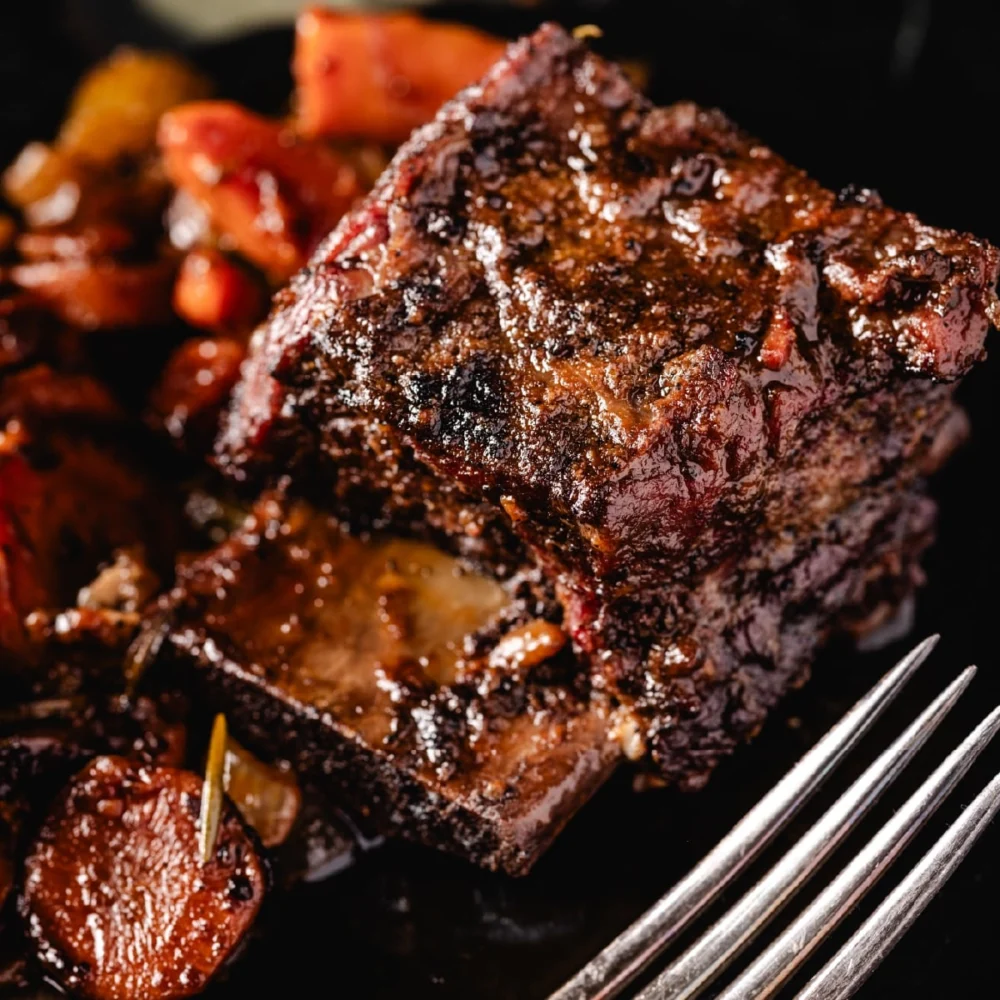
The culinary technique of braising, traditionally associated with heavy Dutch ovens and indoor stovetops, has undergone a modern transformation as outdoor cooking enthusiasts adapt slow-cooking methods to the grill. Braised beef short ribs represent a pinnacle of this fusion, combining the smoky environment of a backyard grill with the moisture-rich, flavor-infusing process of a traditional braise. This method utilizes a two-stage cooking process—searing and simmering—to convert tough connective tissues into a tender, succulent protein, enriched by a vegetable-laden, umami-heavy sauce. By leveraging the specific thermal properties of two-zone grilling, home cooks can achieve restaurant-quality results that evoke a sense of nostalgic comfort while utilizing the unique flavor profile offered by outdoor flame and smoke.
The Anatomy and Selection of Beef Short Ribs
To understand the success of the braised short rib, one must first analyze the cut itself. Short ribs are harvested from the beef chuck, plate, or rib areas of the cattle. They consist of a portion of the rib bone overlaid by the serratus ventralis muscle, which is characterized by significant marbling and a high concentration of connective tissue, specifically collagen.

In a raw state, these muscles are tough due to the work they perform during the animal’s life. However, this high collagen content is exactly what makes them ideal for braising. When subjected to low and slow heat in a liquid environment, collagen undergoes a physical transformation, breaking down into gelatin. This process not only tenderizes the meat but also provides a rich, silky mouthfeel to the resulting sauce. For the highest quality output, culinary experts recommend selecting ribs with clear, white marbling and avoiding those with excessive surface fat, which can lead to an overly greasy braising liquid.
Technical Execution: The Two-Zone Grilling Method
The transition from a standard grill to a braising vessel requires a sophisticated understanding of heat management. The most effective strategy for this recipe is two-zone grilling. This setup involves concentrating the heat source (charcoal or gas burners) on one side of the grill while leaving the other side unlit.
- Direct Heat Zone: Used for the initial sear. This stage facilitates the Maillard reaction, a chemical reaction between amino acids and reducing sugars that gives browned food its distinctive flavor and crust.
- Indirect Heat Zone: Used for the braising phase. The vessel containing the ribs and liquid is placed here, where it is cooked by the ambient convective heat of the grill rather than direct flame, preventing the bottom of the pot from scorching during the multi-hour simmer.
By maintaining a consistent grill temperature of approximately 300°F to 350°F, the cook can ensure the braising liquid stays at a gentle simmer rather than a rolling boil, which is crucial for maintaining the integrity of the meat fibers.

Chronology of the Braising Process
The preparation of braised beef short ribs on the grill follows a strict chronological order to ensure maximum flavor extraction and texture optimization.
Phase I: Seasoning and Surface Preparation
The process begins with the application of a dry rub. While proprietary blends such as the Hey Grill Hey Beef Rub are frequently utilized, the fundamental goal is to establish a salt-and-pepper foundation complemented by garlic and onion powders. The salt acts as a dry brine, penetrating the meat to enhance flavor and moisture retention, while the spices contribute to the eventual crust.
Phase II: The Initial Sear
Once the grill is preheated for two-zone cooking, the ribs are placed directly over the high-heat source. They are seared on all sides until a dark, mahogany crust develops. This stage is not intended to cook the meat through but to develop the complex flavors that will eventually permeate the braising liquid.

Phase III: Aromatics and Liquid Integration
Simultaneously, a heavy-duty, grill-safe vessel (such as a cast-iron Dutch oven) is placed on the grill. A fat source, typically butter or oil, is added to sauté the "mirepoix"—a combination of diced carrots, celery, and onions. Once the vegetables are softened, the braising liquids are introduced. This usually includes a robust red wine (such as Cabernet Sauvignon or Merlot) to provide acidity, beef stock for depth, and umami-rich additives like Worcestershire sauce.
Phase IV: The Simmer
The seared ribs are submerged into the liquid, and the vessel is moved to the indirect heat zone. The pot is typically covered to prevent excessive evaporation. Over the course of 2.5 to 3 hours, the meat slowly tenderizes.
Phase V: Final Tempering
The ribs are considered complete when they reach an internal temperature of approximately 210°F. At this stage, the meat should be "fork-tender," meaning it offers no resistance when pierced and easily pulls away from the bone.

Nutritional Profile and Culinary Science
Data regarding the nutritional composition of braised short ribs highlights the dish’s status as a high-protein, calorie-dense meal. Based on standard serving sizes, the nutritional breakdown is as follows:
- Calories: Approximately 506 kcal per serving.
- Protein: 44g, providing a significant source of essential amino acids.
- Fat Content: 30g total, with 14g of saturated fat.
- Micronutrients: The dish is particularly high in Vitamin A (7376 IU), largely derived from the braised carrots, and Iron (6mg), essential for oxygen transport in the blood.
- Sodium: 2791mg, which necessitates careful consideration for those on sodium-restricted diets.
The science of the braise relies on the acidity of the wine and the slow application of heat to soften the muscle fibers. The inclusion of vegetables not only adds vitamins but also contributes natural sugars that balance the savory profile of the beef.
Expert Perspectives and Market Trends
Susie Bulloch, the founder of Hey Grill Hey and a recognized authority in the barbecue industry, has frequently emphasized the accessibility of these complex dishes for the "Backyard BBQ Hero." Her philosophy centers on demystifying professional techniques for the home cook. "The best part is you can make this right in your own backyard so you can feed the people you love," Bulloch notes, highlighting a growing trend in the culinary world: the democratization of gourmet outdoor cooking.

Market analysts have observed a significant uptick in the sale of outdoor kitchen equipment, including high-end grills and cast-iron accessories, as consumers increasingly view their backyard spaces as extensions of their primary kitchens. The shift toward "slow food" and artisanal home cooking has made recipes like braised short ribs—which require time and patience rather than just high heat—increasingly popular.
Broader Impact and Serving Implications
The implications of mastering the grilled braise extend beyond a single meal. This technique allows for a versatile range of serving options that can accommodate various dietary preferences and cultural contexts.
- Starch Pairings: To balance the richness of the ribs, they are traditionally served over a bed of mashed potatoes or white rice. These starches act as a delivery system for the "liquid gold" braising sauce.
- Bread Accompaniments: Crusty breads or dinner rolls are recommended to ensure no braising liquid is wasted, a practice rooted in traditional European "pot roast" cultures.
- Modern Interpretations: Leftover braised short rib meat is frequently repurposed in modern gastronomy for tacos, ragu pasta sauces, or high-end sandwich fillings, illustrating the economic efficiency of the cut.
Conclusion
Braised beef short ribs on the grill represent a sophisticated intersection of traditional slow-cooking and modern outdoor technique. By understanding the anatomical properties of the beef, the chemical reactions of the searing process, and the thermal dynamics of the grill, cooks can produce a dish that is both technically impressive and deeply satisfying. As the trend toward outdoor culinary mastery continues to grow, the ability to execute a perfect braise under the open sky remains a benchmark of the modern barbecue practitioner. Through patience and adherence to the principles of two-zone heat and flavor layering, the humble short rib is transformed into a centerpiece of contemporary backyard dining.
