

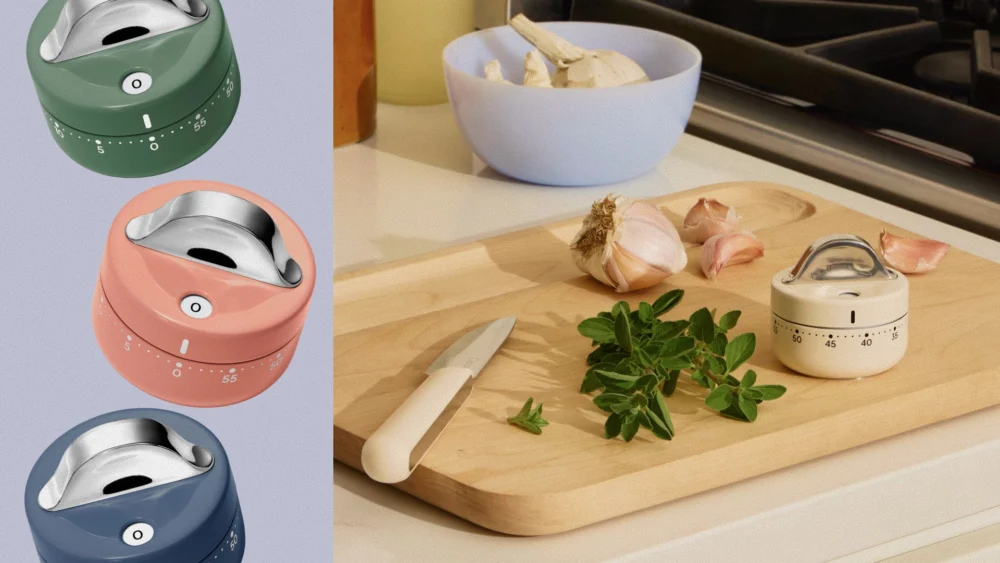
The ubiquitous presence of digital screens across nearly every facet of modern life has spurred an emerging counter-trend: a conscious retreat to analog simplicity, exemplified by the renewed interest in traditionally mechanical devices like the kitchen timer. While digital interfaces increasingly govern our interactions, a segment of consumers is actively seeking tools that offer a respite from constant connectivity, prioritizing tactile engagement and a sense of grounding over convenience and smart features. The recent introduction of a mechanical kitchen timer by Caraway, a company known for its aesthetically pleasing kitchenware, highlights this shift, appealing to individuals who find themselves inundated by screens and yearn for a more intentional, less distracted daily existence.
The Pervasive Digital Landscape
Modern life is undeniably saturated with screens. From the moment many individuals wake, their smartphones serve as alarm clocks, news aggregators, and communication hubs. Throughout the day, laptops facilitate work and leisure, while televisions provide entertainment and information. Beyond these primary devices, screens have infiltrated myriad other spaces. In vehicles, infotainment systems manage navigation, music, and climate control, often requiring drivers to interact with touchscreens rather than physical buttons. GPS applications like Waze and Google Maps are indispensable for travel, rendering traditional paper maps largely obsolete. Even routine errands, once opportunities for brief human interaction, now frequently necessitate digital engagement: signing in at a doctor’s office often involves a self-service tablet, and ordering coffee at many establishments requires tapping through a digital menu or scanning a QR code. This proliferation means that the average adult in developed nations spends several hours daily gazing at illuminated pixels, a figure that has steadily climbed over the past two decades.
The Digitalization of Domestic Spaces: A Case Study in the Kitchen
Even the kitchen, historically a sanctuary from external technological demands, has undergone a significant digital transformation. For generations, cooking was an inherently analog activity, characterized by the rustle of cookbook pages, the clatter of pots, and the hands-on preparation of ingredients. Recipes were meticulously followed from printed texts, and timers were simple, mechanical devices. Today, this landscape is dramatically different. Many home cooks now access recipes exclusively online, pulling them up on computers, tablets, or smartphones, scrolling through digital archives from culinary websites. The preparation process itself is often accompanied by digital media, with podcasts streaming from smart speakers or music queued via voice assistants like Siri or Alexa. Setting a timer, a fundamental aspect of cooking, has largely transitioned from a physical dial to a voice command or a tap on a phone screen, which frequently serves as a gateway to other digital distractions like social media feeds or text messages. This shift has rendered the kitchen an extension of the digital realm, blurring the lines between culinary tasks and constant connectivity.
The Rise of Digital Wellness and the Analog Revival
The relentless onslaught of digital stimuli has, predictably, led to widespread digital fatigue. Concerns about mental well-being, shortened attention spans, and the erosion of mindfulness have propelled a growing movement towards "digital wellness." This philosophy advocates for conscious, intentional engagement with technology, often encouraging periods of disconnection or the adoption of analog alternatives to foster greater presence and reduce cognitive load. This societal shift is not merely anecdotal; scientific studies increasingly highlight the benefits of reducing screen time, including improved sleep quality, enhanced focus, and decreased anxiety. Consequently, there’s been a noticeable "analog revival" across various consumer markets. Sales of vinyl records have surged, film cameras are experiencing a renaissance among photography enthusiasts, and physical notebooks and planners are favored by those seeking to escape the digital clutter of note-taking apps. Board games and physical crafts have also seen renewed popularity, all signaling a collective yearning for tangibility and a break from the intangible glow of screens.

Caraway’s Mechanical Kitchen Timer: A Return to Tactile Simplicity
It is against this backdrop of digital saturation and the burgeoning analog movement that products like Caraway’s mechanical kitchen timer gain significance. While a kitchen timer’s primary function is utilitarian, Caraway’s offering resonates on a deeper level due to its deliberate rejection of digital complexities. The product is marketed on its inherent simplicity: "No screen. No Bluetooth. No app." Instead, it provides a solid, weighty dial that twists with satisfying resistance, accompanied by a gentle, rhythmic ticking sound that marks the passage of time.
From a design perspective, the Caraway timer embodies a clean, minimalist aesthetic reminiscent of mid-20th-century design, evoking a sense of timelessness often associated with "Mad Men"-era functional elegance. Its smooth, circular form and easy-to-read numbers prioritize clarity and ease of use. Constructed from stainless steel, it is available in Caraway’s signature palette, which includes classic cream, sage green, and mustard yellow, alongside a deep navy option. This allows consumers to integrate the timer seamlessly into their existing kitchen decor, often matching other Caraway products like tea kettles or cookware. The timer’s substantial weight prevents it from sliding across countertops or stove ledges, ensuring stability during use, while its compact size minimizes its footprint in even the smallest kitchens.
Functionally, the timer operates on a traditional mechanical design, requiring manual winding. Users must twist the dial clockwise to the 55-minute mark to effectively load the internal spring, then rotate it counter-clockwise to their desired time setting. This deliberate, multi-step action stands in stark contrast to the instantaneous, often thoughtless, tap or voice command of a digital timer. It transforms the act of setting a timer from a passive interaction into an active, physical engagement.
The Psychological Underpinnings of Analog Engagement
The appeal of a mechanical timer extends beyond its functional utility; it taps into profound psychological needs. The physical act of turning a tangible dial and hearing the audible ticking sound provides a sensory experience that digital interactions often lack. This tactile and auditory feedback can be deeply grounding, rooting the user in the present moment and the task at hand. Unlike a smartphone, which, even when used for a timer, often presents a barrage of notifications and tempting applications, the mechanical timer offers a singular purpose. When the timer is set, the cook can consciously disengage from their phone, leaving it in another room or simply setting it aside without the magnetic pull of its illuminated screen. This deliberate disconnection fosters a more mindful approach to cooking and other activities.
Moreover, the mechanical timer evokes a powerful sense of nostalgia for many, recalling simpler times or fond memories of cooking with grandparents or family. This emotional connection adds another layer of appeal, transforming a mundane kitchen tool into an object imbued with personal significance. When the timer ultimately signals completion with a clear, high-pitched ring, it does so without requiring interaction with a device that could otherwise lead to further digital distractions. This subtle yet significant difference allows for a more focused and uninterrupted culinary experience.

Dr. Anya Sharma, a specialist in cognitive psychology and digital well-being, suggests that "our brains are constantly processing information, and the endless stream from digital devices can lead to cognitive overload. Engaging with analog tools offers a break, allowing our minds to reset and focus on single tasks. The tactile feedback and distinct sounds of mechanical devices provide a different kind of sensory input that can be incredibly calming and promote a deeper state of presence." This expert perspective reinforces the observed user experience, validating the subjective feelings of "grounding" and "intentionality" reported by individuals embracing analog tools.
Broader Implications and Future Trends
The embrace of mechanical kitchen timers, alongside other analog products, signals a significant shift in consumer values and preferences. It suggests a growing recognition that while digital technology offers unparalleled convenience and efficiency, it often comes at the cost of presence, mindfulness, and sensory engagement. Consumers are becoming more discerning, actively seeking products that enhance their well-being by facilitating moments of disconnection.
This trend has several broader implications. For product designers and manufacturers, it underscores the importance of considering the holistic user experience, not just the technological features. It suggests a market for "mindful design"—products that are intentionally simple, durable, and offer a sensory richness that digital interfaces often cannot. Companies may find success in offering a balanced portfolio, where cutting-edge smart technology coexists with thoughtfully designed analog alternatives.
Furthermore, the renewed appreciation for analog tools could lead to a re-evaluation of how technology is integrated into our lives. Instead of a wholesale embrace of "smart" everything, the future kitchen might be a hybrid space where digital innovations like induction cooktops and precise temperature controls coexist with the reassuring tick of a mechanical timer and the physical weight of a ceramic cookbook. This approach allows individuals to selectively choose when and how they engage with technology, maximizing its benefits while mitigating its potential drawbacks.
Ultimately, the Caraway mechanical kitchen timer is more than just a device for measuring time. It is a tangible symbol of a broader cultural movement—a quiet rebellion against the relentless digital tide. It represents a conscious decision to reclaim moments of focused attention, to savor the tactile world, and to cultivate a more intentional and present way of living in an increasingly hyper-connected world. As daily screen time reports continue to highlight our digital dependency, small, deliberate upgrades like this mechanical timer offer a much-needed pathway back to analog presence.
