

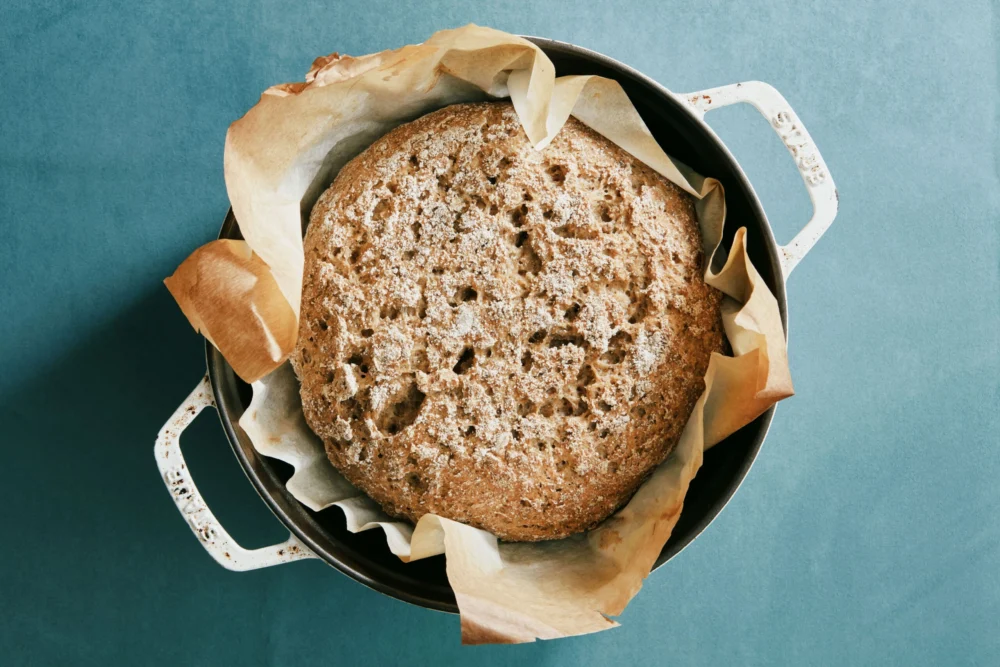
This particular recipe stands out as a prime example of the ongoing evolution in gluten-free culinary practices, presenting one of the most straightforward methods available for preparing gluten-free bread without the traditional demands of kneading, shaping, or scoring. The resultant loaf is characterized by a desirable dense and chewy crumb, further enhanced by the inclusion of oats and chia seeds which contribute a rich, appealing texture. This innovative approach to bread making underscores a significant shift towards greater accessibility and ease within the gluten-free community, addressing long-standing challenges associated with replicating the structural integrity and palatability of conventional wheat-based breads. The recipe further offers flexibility, allowing for the substitution of xanthan gum with 15 grams of psyllium husk powder, catering to diverse ingredient preferences and availability. Moreover, an alternative baking method involving a loaf pan is provided, wherein the mixed batter is poured into a greased pan, allowed to rise until doubled, and then baked at 450°F for approximately one hour. While this method may yield a less golden-brown crust, the final product is consistently described as equally delicious, reinforcing the recipe’s core promise of simplicity and satisfaction.
The Expanding Landscape of Gluten-Free Living
The demand for gluten-free products has witnessed an exponential surge over the past two decades, transforming from a niche market into a significant segment of the global food industry. This growth is primarily driven by an increasing diagnosis rate of celiac disease, a serious autoimmune disorder where the ingestion of gluten leads to damage in the small intestine, and a parallel rise in non-celiac gluten sensitivity (NCGS). Beyond medical necessity, a substantial portion of consumers also adopt gluten-free diets for perceived health benefits, including improved digestion, reduced inflammation, and enhanced energy levels, contributing to what is often termed the "wellness" trend.
Celiac disease, affecting approximately 1% of the global population, necessitates a lifelong, strict adherence to a gluten-free diet. Symptoms can range widely from gastrointestinal issues like bloating, diarrhea, and abdominal pain to non-digestive manifestations such as fatigue, anemia, skin rashes, and neurological problems. Diagnosis typically involves blood tests for specific antibodies followed by an endoscopic biopsy of the small intestine. For individuals diagnosed with celiac disease, gluten-free bread is not merely a dietary preference but a fundamental component of managing their condition and maintaining overall health.
Non-celiac gluten sensitivity, while not fully understood, presents symptoms similar to celiac disease but without the characteristic intestinal damage or autoimmune markers. Estimates suggest that NCGS may affect a larger percentage of the population than celiac disease, though definitive diagnostic criteria are still evolving. The increasing awareness and self-diagnosis of NCGS further fuel the demand for palatable and accessible gluten-free alternatives across all food categories, especially staples like bread.
Historical Challenges in Gluten-Free Baking
For decades, gluten-free baking presented considerable hurdles for both home bakers and commercial producers. Gluten, a complex protein found in wheat, barley, and rye, is crucial for the elasticity, extensibility, and structural integrity of traditional bread. It forms a viscoelastic network that traps gases produced by yeast, allowing bread to rise and develop its characteristic airy, open crumb. Without gluten, baked goods often suffered from a range of undesirable qualities: dense, crumbly textures, lack of elasticity, poor rise, and a tendency to dry out quickly.
Early gluten-free bread recipes frequently relied on a blend of various alternative flours such as rice flour, potato starch, tapioca flour, and cornstarch, often requiring multiple binders and a laborious process to achieve even a remotely acceptable texture. The absence of gluten meant that doughs were often sticky, difficult to handle, and lacked the structural memory necessary for traditional kneading and shaping techniques. This complexity and the inconsistent results often discouraged individuals from attempting to bake gluten-free bread at home, leading to a reliance on often expensive and sometimes inferior-quality commercial products. The sensory experience was frequently compromised, with many gluten-free breads being described as bland, gritty, or cardboard-like, further highlighting the significant gap between conventional and gluten-free offerings.
The Innovation of Simplification: A Culinary Breakthrough
The recipe in question represents a significant leap forward in addressing these historical challenges by stripping away the complexities traditionally associated with gluten-free bread making. The explicit removal of "kneading, shaping, or scoring" from the process is not merely a convenience; it’s a profound re-engineering of the baking methodology for gluten-free matrices. This simplification makes homemade gluten-free bread accessible to a broader demographic, including novice bakers, those with limited time, or individuals who might otherwise be intimidated by more intricate recipes.
The success of such simplified recipes hinges on the clever utilization of specific ingredients that can mimic the functional properties of gluten. Oats, for instance, contribute not only dietary fiber and a nutty flavor but also a certain degree of binding capability and a pleasant chewiness. Chia seeds are a powerhouse in gluten-free baking, known for their ability to absorb many times their weight in liquid, forming a gel-like consistency. This gel acts as a natural binder and emulsifier, helping to hold the bread structure together, provide moisture, and improve texture.
Crucially, the recipe highlights the role of xanthan gum or psyllium husk powder. These hydrocolloids are indispensable in modern gluten-free baking. Xanthan gum, a polysaccharide produced by fermentation, acts as a thickening agent and stabilizer, imparting elasticity and preventing crumbly textures by providing a ‘stickiness’ that gluten usually offers. Psyllium husk powder, derived from the seeds of the Plantago ovata plant, is a soluble fiber that forms a mucilage when mixed with water. This mucilage creates a robust, flexible network, very effectively mimicking gluten’s ability to trap gases and provide structure, often resulting in a superior crumb and crust compared to xanthan gum in certain applications. The option to choose between these two powerful binders offers flexibility based on personal preference, dietary considerations (some find xanthan gum difficult to digest), and desired texture profile.
A Timeline of Gluten-Free Culinary Evolution
The journey of gluten-free cuisine has been one of continuous innovation and improvement:
- Early 20th Century: Recognition of celiac disease, but limited dietary solutions. Patients often faced severe nutritional deficiencies due to highly restricted and unpalatable diets.
- Mid-20th Century (1950s-1970s): Emergence of basic gluten-free flours and the first dedicated gluten-free products, often characterized by poor taste and texture, and high cost. Awareness remained low, primarily confined to medical circles.
- Late 20th Century (1980s-1990s): Increased research into alternative grains and starches. Small, specialized health food stores began stocking a wider, though still limited, range of gluten-free items. Home baking recipes were often complex and yielded inconsistent results.
- Early 21st Century (2000s-2010s): A significant boom in the gluten-free market. Major food manufacturers entered the space, leading to improved product quality and wider availability in mainstream supermarkets. Gluten-free sections became standard. The development of advanced hydrocolloids like xanthan gum and psyllium husk powder revolutionized gluten-free baking, making better textures possible.
- Mid-2010s to Present: Focus on "free-from" foods expands beyond gluten to include dairy, nuts, and soy. Emphasis on clean labels, whole ingredients, and natural binders. The rise of digital platforms and food blogs facilitates the rapid sharing of innovative recipes, like the one described, which prioritize simplicity and effectiveness for home bakers. This current era is defined by a pursuit of gluten-free products that not only meet dietary needs but also genuinely rival their gluten-containing counterparts in taste and texture, and crucially, ease of preparation.
Supporting Data and Market Analysis
The global gluten-free market size was valued at approximately USD 6.4 billion in 2023 and is projected to reach over USD 12 billion by 2030, growing at a compound annual growth rate (CAGR) of around 9% during the forecast period. North America and Europe are currently the largest markets, driven by high diagnostic rates of celiac disease, increasing health consciousness, and a greater availability of gluten-free products.
Consumer demographics show a diverse profile:
- Medical Necessity: Approximately 1-2% of the population globally requires a gluten-free diet due to celiac disease.
- Self-Diagnosed Sensitivity: An estimated 5-10% of the population avoids gluten due to perceived sensitivity or intolerance.
- Lifestyle Choice: A growing segment, particularly among millennials and Gen Z, adopts gluten-free diets for general wellness, weight management, or as part of broader dietary trends.
The impact on ingredient suppliers is substantial. There’s a surging demand for specialized gluten-free flours (e.g., almond, coconut, oat, tapioca, rice, sorghum), as well as binding agents like xanthan gum, guar gum, and psyllium husk. Retail trends indicate that mainstream supermarkets now prominently feature dedicated gluten-free aisles, and online retailers offer an even broader selection, making it easier for consumers to access both finished products and baking ingredients. The COVID-19 pandemic also saw a significant resurgence in home baking, as individuals spent more time at home and sought comfort foods. This trend further amplified the need for simple, reliable gluten-free recipes that allow individuals to control ingredients and avoid cross-contamination, directly aligning with the appeal of this simplified bread method.
Statements and Reactions from Related Parties
The emergence of such accessible gluten-free bread recipes has elicited positive responses across various sectors:
- Culinary Experts and Food Scientists: Leading food technologists and culinary educators have lauded these simplified methods as a testament to ongoing innovation. Dr. Eleanor Vance, a food scientist specializing in gluten-free applications, noted, "This recipe exemplifies a growing trend towards user-friendly gluten-free solutions that empower individuals. The intelligent use of hydrocolloids like psyllium husk or xanthan gum, combined with the textural benefits of oats and chia, elegantly solves many of the traditional challenges of gluten-free bread structure without requiring advanced techniques."
- Dietitians and Nutritionists: From a nutritional and psychological standpoint, dietitians emphasize the profound benefits. Sarah Jenkins, a registered dietitian specializing in celiac disease, commented, "Empowering individuals to bake their own delicious gluten-free bread at home can significantly improve dietary adherence, reduce food-related anxiety, and enhance overall quality of life for those with gluten sensitivities. The inclusion of ingredients like oats and chia seeds also adds valuable fiber and micronutrients often lacking in highly processed gluten-free products."
- Consumer Advocacy Groups: Organizations dedicated to supporting individuals with celiac disease and gluten sensitivity have welcomed the development. A spokesperson for the National Celiac Association stated, "For many in our community, the ability to effortlessly bake a delicious and safe gluten-free bread at home is a game-changer. It fosters independence and joy in the kitchen, reducing the reliance on external products which can be costly or difficult to source."
- Industry Analysts: Market analysts view these recipes as indicators of evolving consumer expectations. Michael Chen, a food industry consultant, observed, "Recipes like this demonstrate a clear shift in consumer expectations towards convenience and quality in the gluten-free space. This trend will undoubtedly push commercial manufacturers to innovate further, seeking simpler formulations and more efficient production methods to meet the demand for easy-to-prepare, delicious gluten-free staples."
Broader Impact and Implications
The implications of such simplified gluten-free baking methods extend beyond individual kitchens, impacting health, economy, and social dynamics.
- Health and Wellness: Increased access to homemade gluten-free bread can lead to improved nutritional intake, as home bakers often use whole, unprocessed ingredients. It also significantly reduces the risk of cross-contamination inherent in commercial food production or dining out, a critical concern for individuals with celiac disease. The psychological benefits of being able to enjoy a fundamental food like bread without fear or significant effort contribute to better mental well-being.
- Economic Impact: The rising popularity of such recipes fuels demand for gluten-free flours, binders (xanthan gum, psyllium husk), and other specialty ingredients, creating economic opportunities for suppliers and retailers. It also encourages innovation in kitchen appliance design, potentially leading to more versatile home baking equipment. While it might slightly reduce reliance on pre-made commercial breads, the overall growth of the gluten-free market means a net positive impact on the industry as a whole, shifting consumer spending towards raw ingredients.
- Social and Cultural Integration: Food plays a central role in social gatherings. Easily prepared gluten-free bread means individuals with dietary restrictions can contribute to potlucks, family meals, and social events with greater ease and confidence, fostering a sense of inclusion and reducing the feeling of being an outsider. It also helps normalize gluten-free options within broader culinary discourse.
- Culinary Innovation: The success of "no-knead" gluten-free bread serves as an inspiration for further culinary innovation. It encourages chefs and home cooks alike to experiment with simpler methods, novel ingredient combinations, and alternative cooking techniques, pushing the boundaries of what is possible in specialized dietary baking. This continuous cycle of innovation benefits the entire gluten-free community by offering an ever-expanding array of delicious and accessible options.
Technical Nuances: Xanthan Gum vs. Psyllium Husk and Loaf Pan Baking
The recipe’s flexibility regarding binding agents—xanthan gum or psyllium husk powder—is a testament to the sophisticated understanding of their respective functionalities in gluten-free matrices. Xanthan gum, while highly effective at providing elasticity and preventing crumbly textures, can sometimes impart a slightly gummy mouthfeel if used in excess. Psyllium husk powder, on the other hand, is known for its ability to create a more bread-like, slightly firmer texture and a more robust crumb structure, often leading to a loaf that holds together exceptionally well and slices cleanly. The choice between the two often comes down to personal preference for texture, availability, and potential digestive sensitivities, as some individuals find psyllium husk to be gentler on the digestive system due to its high fiber content.
The alternative baking method involving a loaf pan, with a baking temperature of 450°F for approximately an hour, introduces another dimension of adaptability. The higher temperature is crucial in gluten-free baking to ensure a good initial rise and to set the structure before the starches fully gelatinize. While the crust might not achieve the golden-brown crispness typically associated with artisan breads baked free-form, this is primarily due to the loaf pan’s insulation, which creates a more humid environment around the dough, promoting a softer crust. However, the internal crumb remains equally delicious, moist, and well-structured, proving that aesthetic differences do not always equate to a compromise in taste or quality. This method also provides an additional layer of convenience, as the pan itself helps contain and shape the dough without manual intervention, further simplifying the process for the home baker.
In conclusion, this straightforward gluten-free bread recipe transcends its humble description to represent a microcosm of the larger shifts occurring within the gluten-free food landscape. It embodies the relentless pursuit of culinary excellence, accessibility, and convenience for a growing population with specific dietary needs. By democratizing the act of baking delicious, homemade gluten-free bread, such innovations significantly enhance the quality of life for millions, fostering greater independence, satisfaction, and inclusion in the evolving world of food.
