

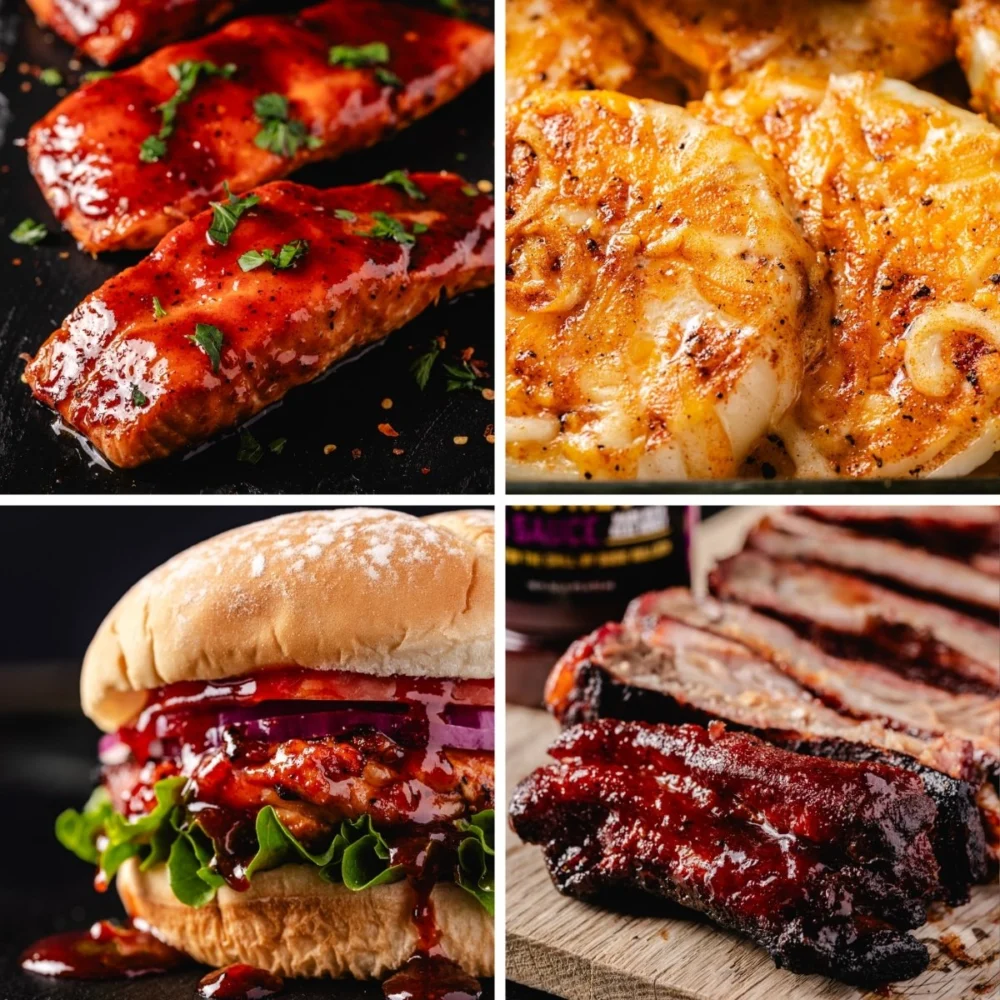
The global barbecue seasoning and rub market has experienced significant diversification over the last decade, transitioning from basic salt-and-pepper foundations to complex, artisanal profiles that cater to a growing demographic of home enthusiasts. Central to this culinary evolution is the "swicy" flavor profile—a harmonious blend of heat and sugar—which has become a staple in modern American outdoor cooking. Industry leader Susie Bulloch, the founder of Hey Grill Hey and a recognized figure in the professional BBQ circuit, has identified five core culinary applications for the Spicy Sweet Rub that illustrate the versatility of this specific seasoning category. These recipes, ranging from traditional pork ribs to contemporary seafood preparations, represent a broader shift in how consumers utilize dry rubs to achieve professional-grade results in a residential setting.
The Rise of the Swicy Flavor Profile in American BBQ
The emergence of "spicy-sweet" as a dominant flavor profile is supported by consumer trend data indicating a preference for multi-dimensional seasoning. According to market research, the demand for specialty BBQ rubs is projected to grow as more households invest in high-end smoking equipment, such as pellet grills and ceramic smokers. The Spicy Sweet Rub, characterized by a brown-sugar base augmented with smoky heat, leverages the Maillard reaction—a chemical interaction between amino acids and reducing sugars that gives browned food its distinctive flavor. By utilizing a rub that balances these elements, cooks can achieve a "bark" or crust that is both caramelized and piquant, a hallmark of high-quality barbecue.

1. Hot Honey Ribs: A Study in Caramelization and Bark Formation
The application of Spicy Sweet Rub to pork ribs serves as a primary example of traditional slow-cooking techniques enhanced by modern seasoning. In this preparation, the rub is applied generously to the raw protein, allowing the salt to penetrate the muscle fibers while the sugar remains on the surface. During the smoking process, the sugar liquefies and eventually hardens, creating the coveted "bark."
Culinary experts note that while a standard sweet rub highlights the natural fats of the pork, the addition of smoky heat provides a necessary counterpoint to the richness of the meat. This specific recipe often concludes with a hot honey glaze, further layering the flavor profile. The result is a "fall-off-the-bone" texture that meets the rigorous standards of competitive BBQ while remaining accessible for backyard practitioners. This method reflects a broader industry trend where traditional regional styles, such as Memphis or Kansas City, are being modified with "hot" elements to appeal to younger, adventurous palates.
2. The Artisanal Grilled Chicken Sandwich: Surpassing Fast-Food Standards
The "Chicken Sandwich Wars" of the late 2010s and early 2020s significantly influenced consumer expectations regarding poultry quality and seasoning. The Spicy Sweet Grilled Chicken Sandwich represents a shift from deep-fried, mass-produced options toward flame-charred, home-prepared alternatives. By coating chicken breasts in a spicy-sweet rub before grilling, the cook introduces a complexity that is often missing from fast-food counterparts.

The technical advantage of using a dry rub on chicken lies in its ability to withstand high heat without the moisture loss associated with some wet marinades. The charring of the sugar in the rub provides a smoky depth that complements the lean protein. Industry analysts suggest that the rise of such recipes is linked to the "premiumization" of home cooking, where consumers seek to replicate or exceed restaurant-quality meals using specialized ingredients and equipment.
3. Smoky Tennessee Onions: Expanding the BBQ Perimeter
Barbecue has traditionally been a protein-centric discipline; however, the inclusion of vegetable-based sides like Smoky Tennessee Onions indicates an expansion of the smoking repertoire. This dish utilizes the Spicy Sweet Rub to enhance the natural sugars found in Vidalia or yellow onions. When combined with a heavy application of cheddar cheese and subjected to low-intensity smoke, the onions undergo a transformation in texture and flavor.
This application highlights the versatility of dry rubs beyond meat. The rub acts as a seasoning agent for the fats in the cheese and the moisture in the onions, creating a cohesive side dish that can also function as a gourmet topping for burgers. This trend aligns with the increasing popularity of "whole-meal smoking," where every component of a dinner, from the appetizer to the side dish, is prepared on the grill to infuse a consistent smoky aroma across the menu.

4. Loaded Chicken Nachos: The Integration of BBQ and Fusion Cuisine
The use of Spicy Sweet Rub in Loaded Chicken Nachos demonstrates the intersection of traditional American BBQ and Mexican-inspired snacks. By seasoning shredded chicken with the rub, the dish gains a smoky, piquant foundation that differentiates it from standard taco-seasoned nachos. This recipe emphasizes the importance of layering textures—crisp tortilla chips, melty cheese, and fresh pico de gallo—against the robust flavor of the seasoned meat.
Market data suggests that "loaded" appetizers are among the most popular items for social gatherings and sporting events. The transition from simple cheese-and-chip combinations to complex, multi-ingredient nachos reflects a consumer desire for "maximalist" food experiences. The use of a specialized BBQ rub in this context serves as a "shortcut" to flavor complexity, allowing the home cook to achieve a gourmet profile with minimal additional preparation.
5. Hot Honey Salmon: Redefining Seafood Preparation
Perhaps the most significant departure from traditional BBQ is the application of Spicy Sweet Rub to salmon. Seafood requires a delicate balance of seasoning to avoid overpowering the natural flavor of the fish. The combination of a spicy-sweet profile with a hot honey BBQ glaze creates a product that is described by culinary professionals as "addictive."

Salmon’s high fat content makes it an ideal candidate for smoking and grilling, as the fats carry the spices throughout the fillet. The sugar in the rub aids in the development of a slight crust on the exterior, while the internal temperature remains low enough to ensure a flaky texture. This recipe is often cited as a "bridge" dish, capable of converting individuals who are typically averse to seafood by masking the "fishy" notes with familiar BBQ elements.
Technological Integration and the "Backyard Hero" Culture
The distribution of these recipes is supported by a sophisticated digital ecosystem. Hey Grill Hey, for instance, utilizes QR codes on physical product packaging to link consumers directly to digital menus and instructional content. This integration of physical goods and digital education is a hallmark of the modern "Creator Economy" in the culinary space. By providing the tools (the rub) alongside the knowledge (the recipes), brands are able to cultivate a dedicated community of "Backyard BBQ Heroes."
Susie Bulloch’s trajectory from a home cook to a Food Network personality and Guinness World Record holder underscores the professionalization of the hobbyist market. Her brand’s emphasis on "feeding the people you love" resonates with a post-pandemic consumer base that prioritizes home-based social interaction and high-quality ingredients.

Market Implications and Future Outlook
The continued success of specialty rubs like the Spicy Sweet Rub suggests a robust future for the outdoor cooking industry. Several factors contribute to this outlook:
- Equipment Accessibility: The proliferation of easy-to-use pellet grills has lowered the barrier to entry for smoking meats, increasing the demand for high-quality seasonings.
- Ingredient Transparency: Consumers are increasingly moving away from mass-market sauces containing high-fructose corn syrup in favor of dry rubs with recognizable ingredients.
- Culinary Globalization: The blending of heat (cayenne, chili) and sweet (brown sugar, honey) reflects a global trend toward "bold" flavors that transcend regional boundaries.
As the BBQ community continues to grow, the role of the dry rub will likely evolve from a simple seasoning to a foundational element of culinary identity. The five recipes discussed—Hot Honey Ribs, Spicy Sweet Grilled Chicken Sandwiches, Smoky Tennessee Onions, Loaded Chicken Nachos, and Hot Honey Salmon—provide a roadmap for consumers to explore the full potential of their equipment and ingredients.
In conclusion, the Spicy Sweet Rub is more than a singular seasoning; it is a versatile tool that enables home cooks to experiment across various food categories. By understanding the science of the ingredients and the techniques required for different proteins and vegetables, practitioners can elevate their backyard offerings to professional standards, fostering a deeper appreciation for the craft of barbecue. The synergy between high-quality products and accessible culinary education remains the primary driver of innovation in the modern grilling landscape.
