

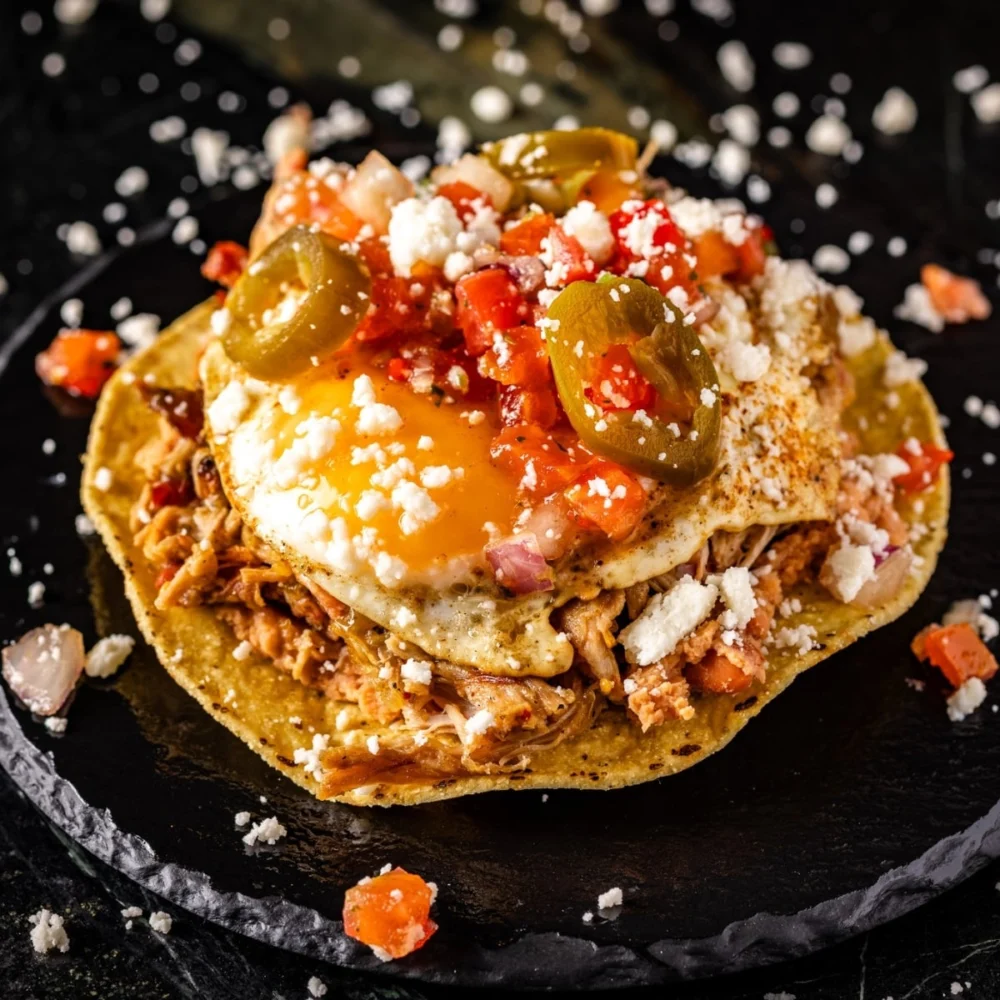
The culinary landscape of the American breakfast has undergone a significant transformation with the introduction of the Pulled Pork Huevos Rancheros, a dish that bridges the gap between traditional Mexican morning staples and the slow-smoked traditions of United States barbecue. This recipe, modernized and refined by culinary expert Susie Bulloch of the "Hey Grill Hey" platform, represents a broader movement toward the repurposing of high-quality protein leftovers to create complex, multi-layered meals. By integrating crisped pulled pork, sunny-side-up fried eggs, and a variety of fresh salsas onto a corn tostada base, the dish offers a nutritional and flavor profile that challenges the conventional boundaries of early-day dining.
The Architectural Foundation of the Dish
The construction of Pulled Pork Huevos Rancheros relies on a specific hierarchy of ingredients designed to provide a balance of textures—crunchy, creamy, and tender—while managing a complex interplay of fat, acidity, and heat. The base consists of a corn tostada, a deep-fried or toasted corn tortilla that provides a rigid, crunchy structural foundation. Unlike the soft corn tortillas often used in traditional enchiladas or tacos, the tostada is essential here to support the weight of the refried beans and the moisture from the salsas without becoming prematurely soggy.
The secondary layer involves refried beans, which act as a culinary "glue," securing the subsequent toppings to the tostada. This is followed by the centerpiece of the fusion: the pulled pork. In this specific iteration, the pork is not merely reheated but is "beautifully crisped," a process that utilizes the Maillard reaction to enhance the flavor profile of the meat. This technique involves searing the shredded pork in a skillet—often a cast-iron variety for superior heat retention—until the edges achieve a dark, caramelized crunch that contrasts with the tender interior of the muscle fibers.
Historical Context and Culinary Evolution
Huevos rancheros, translated literally as "rancher’s eggs," originated in the 16th century in the rural areas of Mexico. Traditionally, the dish was served as a mid-morning meal for farmworkers, designed to be calorie-dense and sustaining for a full day of manual labor. The classic preparation typically consists of fried eggs served on lightly fried corn tortillas, topped with a tomato-chili salsa.

The integration of pulled pork—a staple of the American South—into this Mexican framework is a relatively recent development in the "Tex-Mex" and "New American" culinary traditions. Pulled pork is traditionally derived from the pork butt or shoulder, a cut characterized by high connective tissue and fat content. Through the low-and-slow smoking process, the collagen in the meat breaks down into gelatin, resulting in a product that is easily shredded. By incorporating this smoke-infused protein into a breakfast context, chefs have created a high-protein alternative to traditional breakfast meats like bacon or sausage link.
Chronology of Development and Recipe Refinement
The Pulled Pork Huevos Rancheros recipe was initially documented and shared by the "Hey Grill Hey" platform in April 2015. Over the subsequent decade, the recipe underwent several iterations to reflect changing consumer preferences for fresh ingredients and more sophisticated flavor profiles. In February 2026, the recipe was officially updated to include more comprehensive instructions on achieving the ideal texture for the pork and the eggs.
The 2026 update emphasized the importance of using a specific "Beef Rub"—a mixture of salt, pepper, and spices—to season the dish during the final assembly. This evolution highlights a trend in the BBQ industry where rubs traditionally reserved for large cuts of beef or pork are being utilized as universal seasoning agents to provide a "bark-like" flavor to smaller, faster-cooking breakfast components.
Nutritional Analysis and Dietary Implications
From a nutritional standpoint, Pulled Pork Huevos Rancheros is a calorie-dense meal, reflecting its origins as a high-energy labor meal. According to data provided by the "Hey Grill Hey" nutritional calculator, a single serving of the dish contains approximately 902 kilocalories.
The macronutrient breakdown is as follows:

- Total Fat: 54g (including 25g of saturated fat), accounting for approximately 60% of the total caloric intake.
- Protein: 47g, derived primarily from the eggs and the pork, providing a significant portion of the daily recommended intake for an average adult.
- Carbohydrates: 59g, sourced from the corn tostadas and refried beans, including 4g of dietary fiber.
- Sodium: 3,087mg, a figure that exceeds the daily recommended limit of 2,300mg set by the American Heart Association, largely due to the salt content in the pulled pork rub, refried beans, and Cotija cheese.
While the dish is high in essential vitamins such as Vitamin A (1,600 IU) and Calcium (714 mg), the high sodium and saturated fat content suggests it is a dish intended for occasional consumption or for individuals with high daily caloric expenditures.
Technical Execution and Flavor Components
The success of the dish depends on the precise execution of the sunny-side-up fried egg. The goal is a fully set white with a warm, liquid yolk. When the yolk is broken during consumption, it creates a rich, natural sauce that permeates the pork and the beans, adding a level of creaminess that balances the acidity of the salsa.
The flavor profile is further enhanced by two distinct salsa varieties:
- Pico de Gallo: A fresh, uncooked salad of chopped tomatoes, onions, cilantro, and lime juice. This provides a "bright" acidity and a crisp texture that cuts through the heaviness of the fried pork.
- Roasted Tomatillo Salsa: A cooked green salsa made from charred tomatillos, garlic, and peppers. The roasting process adds a smokiness that complements the BBQ origins of the pork while providing a tangy, slightly sweet finish.
Finally, the use of Cotija cheese—a Mexican cow’s milk cheese—adds a salty, crumbly finish. Unlike melting cheeses such as Monterey Jack or Cheddar, Cotija retains its structure when exposed to heat, providing a consistent textural element throughout the meal.
Brand Impact and the Influence of Susie Bulloch
The promotion of this recipe is part of a larger effort by Susie Bulloch, the founder of "Hey Grill Hey," to democratize barbecue culture. Bulloch, who has achieved prominence through appearances on the Food Network and the establishment of Guinness World Records in the grilling category, has focused on making smoked meats accessible for home cooks.

The "Hey Grill Hey" business model integrates recipe development with a proprietary line of seasonings and a mobile application, creating a comprehensive ecosystem for BBQ enthusiasts. The Pulled Pork Huevos Rancheros serves as a strategic entry point for consumers to use their leftovers, thereby increasing the utility of the large cuts of meat typically associated with weekend smoking projects. This approach addresses a common consumer "pain point": the fatigue associated with eating large quantities of leftover pulled pork in traditional sandwich formats.
Broader Economic and Sustainability Implications
The recipe aligns with modern sustainability trends focusing on the reduction of food waste. In the United States, it is estimated that nearly 40% of all food is wasted. By providing high-quality, appealing recipes for "planned leftovers," culinary influencers are encouraging consumers to utilize the entirety of their meat purchases.
Furthermore, the "brunch economy" has seen substantial growth over the last decade. Restaurants that offer unique, fusion-style breakfast dishes often see higher profit margins compared to traditional dinner services. The Pulled Pork Huevos Rancheros represents a professional-grade dish that can be replicated in a home kitchen in under 30 minutes, provided the primary protein has been prepared in advance. This efficiency is a key driver in the popularity of the recipe among busy families and home entertainers.
Conclusion and Future Outlook
As the boundaries between regional cuisines continue to blur, dishes like Pulled Pork Huevos Rancheros are expected to become more prevalent in both domestic and commercial kitchens. The 2026 update of this recipe underscores a commitment to quality and the continuous improvement of culinary techniques. By combining the historical significance of the Mexican ranch breakfast with the technical prowess of American BBQ, the dish provides a robust, flavorful, and culturally rich experience that reflects the evolving palate of the modern consumer.
Industry analysts suggest that the trend toward "BBQ for breakfast" will continue to grow, with potential future iterations involving brisket-based chilaquiles or smoked turkey breakfast burritos. For now, the Pulled Pork Huevos Rancheros remains a benchmark for how leftover proteins can be transformed into a sophisticated, multi-dimensional meal that honors its diverse cultural roots while pushing the envelope of traditional breakfast fare.
