

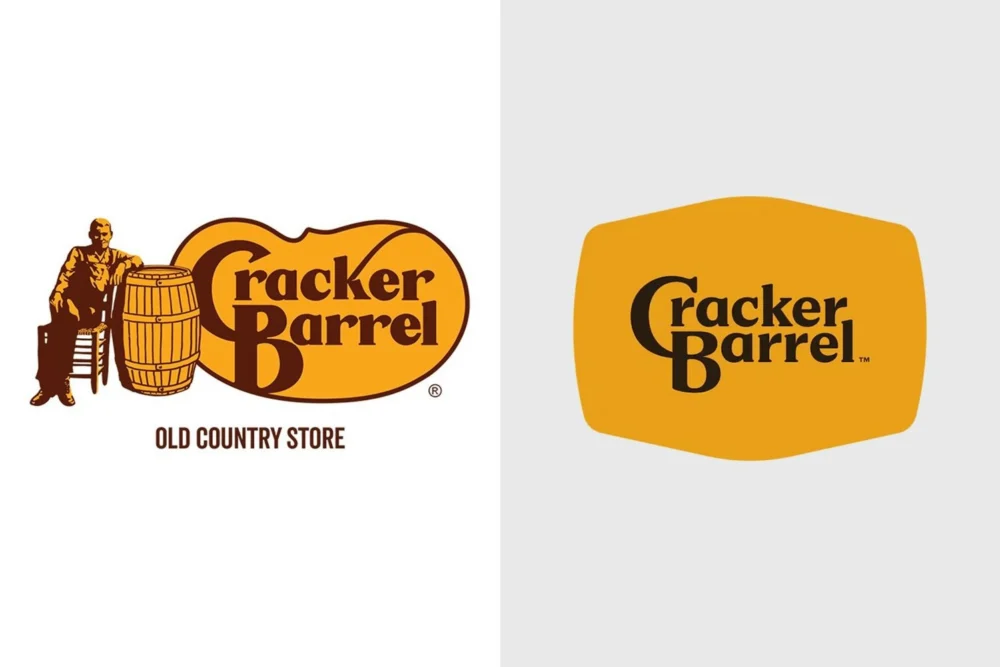
Cracker Barrel’s efforts to rebound from a recent brand misstep are showing incremental progress, with recent performance metrics indicating a gradual improvement in customer traffic and satisfaction. While the casual dining chain continues to navigate a period of negative traffic, the rate of decline has moderated, and customer perception regarding food, service, and value has seen an uptick. This strategic pivot, initiated in late 2023, appears to be yielding early, albeit tentative, positive outcomes.
The company reported a 10% year-over-year decline in traffic during the most recent fiscal quarter. However, a significant development emerged in January, when the traffic deficit narrowed to 9%, a trend that has reportedly continued into February. This suggests that the chain’s renewed focus on core operational strengths is beginning to resonate with consumers. Executives have acknowledged these encouraging signs, even while projecting continued negative traffic trends over the next six months. The "logo debacle," a period of significant public scrutiny and customer dissatisfaction stemming from a perceived shift in brand identity, appears to be a key factor influencing the brand’s recent performance trajectory. The company’s response has been a concerted effort to re-emphasize its heritage and traditional offerings, a strategy that seems to be gaining traction.
Cracker Barrel’s Strategic Realignment and Early Indicators
The challenges faced by Cracker Barrel are not isolated incidents in the broader casual dining landscape, which has experienced significant volatility in recent years. Post-pandemic recovery has been uneven, with consumers re-evaluating their dining habits and priorities. For Cracker Barrel, the controversy surrounding its branding initiatives, which some critics and long-time patrons felt alienated its core customer base, proved to be a significant hurdle. The company’s subsequent recalibration involved a renewed commitment to what has historically defined the Cracker Barrel experience: homestyle cooking, friendly service, and a comfortable, nostalgic atmosphere.
Early data points suggest this recalibration is beginning to yield results. The shrinking traffic deficit indicates that fewer customers are actively avoiding the brand, and the improved customer marks on food, service, and value are critical indicators of a positive shift in perception. This suggests that the company’s investment in operational improvements and its messaging about returning to its roots are resonating with consumers. The long-term success of this strategy will depend on sustained execution and the ability to consistently deliver on these perceived improvements.
Del Taco’s Project Sunrise: A Return to Core Strengths
In a separate development within the fast-food sector, Del Taco is embarking on a comprehensive turnaround plan, dubbed "Project Sunrise," under the ownership of Yadav Enterprises. Following its acquisition for approximately $119 million, the Mexican fast-food chain is signaling a strategic shift back towards its foundational strengths and customer-loved offerings. This initiative underscores a commitment to revitalizing brand performance through menu innovation and a deeper connection with its established customer base.
The initial phase of Project Sunrise has already seen the reintroduction of Del Taco’s Classic Burrito lineup, a move directly attributed to significant consumer demand. This decision reflects an understanding of what historically drove customer loyalty and traffic to the brand. Further bolstering this return to core favorites, the chain is also bringing back its "Jack’d Up" menu items and introducing a new Spicy Jack cheese. These menu additions are designed to appeal to consumers seeking familiar, flavorful options, while also incorporating a touch of novelty.
The Rationale Behind Project Sunrise
The acquisition of Del Taco by Yadav Enterprises marks a new chapter for the brand, and Project Sunrise appears to be a direct response to market feedback and a desire to reclaim its competitive edge. The Mexican fast-food market is intensely competitive, with numerous players vying for consumer attention and dollars. Del Taco’s strategy suggests a recognition that while menu innovation is important, re-engaging with the core elements that made the brand popular in the first place is paramount for sustainable growth.
The focus on "strengthening brand performance" implies a holistic approach that likely extends beyond the menu to encompass operational efficiency, customer service, and marketing. The emphasis on "embracing menu innovation" while simultaneously "reconnecting with loyal fans" indicates a delicate balancing act. The return of popular items like the Classic Burritos suggests that innovation will be guided by consumer preferences and a desire to build upon existing equity. The introduction of Spicy Jack cheese, for instance, offers a twist on a familiar flavor profile, potentially attracting both existing customers and new ones.
Wendy’s Ventures into Novel Recruitment: The Chief Tasting Officer
In a move that has garnered significant attention, Wendy’s is actively seeking to fill the newly created position of Chief Tasting Officer (CTO). This unique role, which offers a substantial salary of $100,000 and the flexibility of remote work, highlights the growing importance of consumer feedback in fast-food innovation. The job posting’s requirements – "a human mouth, a pulse, opinions, creativity, and taste" – underscore the brand’s desire for authentic, passionate engagement from its customers.
The application process itself is unconventional, requiring interested candidates to submit a video showcasing why they are the ideal fit for the role. Wendy’s has articulated its objective as finding a "loyal and creative fan" to contribute to its culinary development. This initiative arrives at a time when rivals, such as Burger King, are also intensifying their focus on consumer-driven product enhancements, including recent upgrades to its iconic Whopper.
The Strategic Significance of the CTO Role
The creation of a Chief Tasting Officer position by Wendy’s is a clear signal of the brand’s commitment to incorporating consumer insights at a high level. In an industry where taste and flavor are paramount, having a dedicated individual whose primary responsibility is to evaluate and influence menu offerings based on genuine consumer preferences can be a significant competitive advantage. The substantial salary and remote work flexibility suggest that Wendy’s is serious about attracting top-tier talent, even for a role that is outside traditional corporate structures.
The emphasis on creativity and opinions suggests that the CTO will not merely be a passive evaluator but an active contributor to the ideation and refinement of new menu items. This aligns with a broader industry trend where brands are increasingly leveraging social media and direct consumer engagement to gather feedback and drive product development. The comparison to Burger King’s recent initiatives further contextualizes Wendy’s move, indicating a competitive race to capture consumer attention and loyalty through a more direct and engaging approach to product development. The success of this role will likely be measured by its ability to translate consumer taste preferences into successful menu items that drive sales and enhance brand perception.
Broader Industry Trends and Consumer Engagement
The strategies employed by Cracker Barrel, Del Taco, and Wendy’s, while distinct in their execution, collectively point to several overarching trends shaping the restaurant industry. Firstly, there is a palpable shift towards re-emphasizing core brand values and familiar offerings, particularly for established brands like Cracker Barrel and Del Taco, which have experienced periods of customer disconnect. This suggests a recognition that while novelty is important, a strong foundation of quality and authenticity is critical for long-term success.
Secondly, the increasing integration of consumer feedback into product development and brand strategy is undeniable. Wendy’s CTO role is the most direct manifestation of this trend, but Del Taco’s reintroduction of classic items based on consumer demand also reflects this influence. In an era of instant communication and social media saturation, brands are finding it imperative to listen to and engage with their customers in more meaningful ways.
Finally, the competitive landscape remains dynamic. Companies are constantly seeking innovative ways to differentiate themselves, whether through operational excellence, unique menu offerings, or novel marketing and recruitment strategies. The ongoing evolution of consumer preferences, coupled with economic pressures, ensures that adaptability and a deep understanding of the customer will remain critical for survival and growth in the restaurant sector. The early signs of recovery at Cracker Barrel, the strategic refocusing at Del Taco, and the bold recruitment at Wendy’s all offer valuable insights into the strategies that may define the future of dining.
