

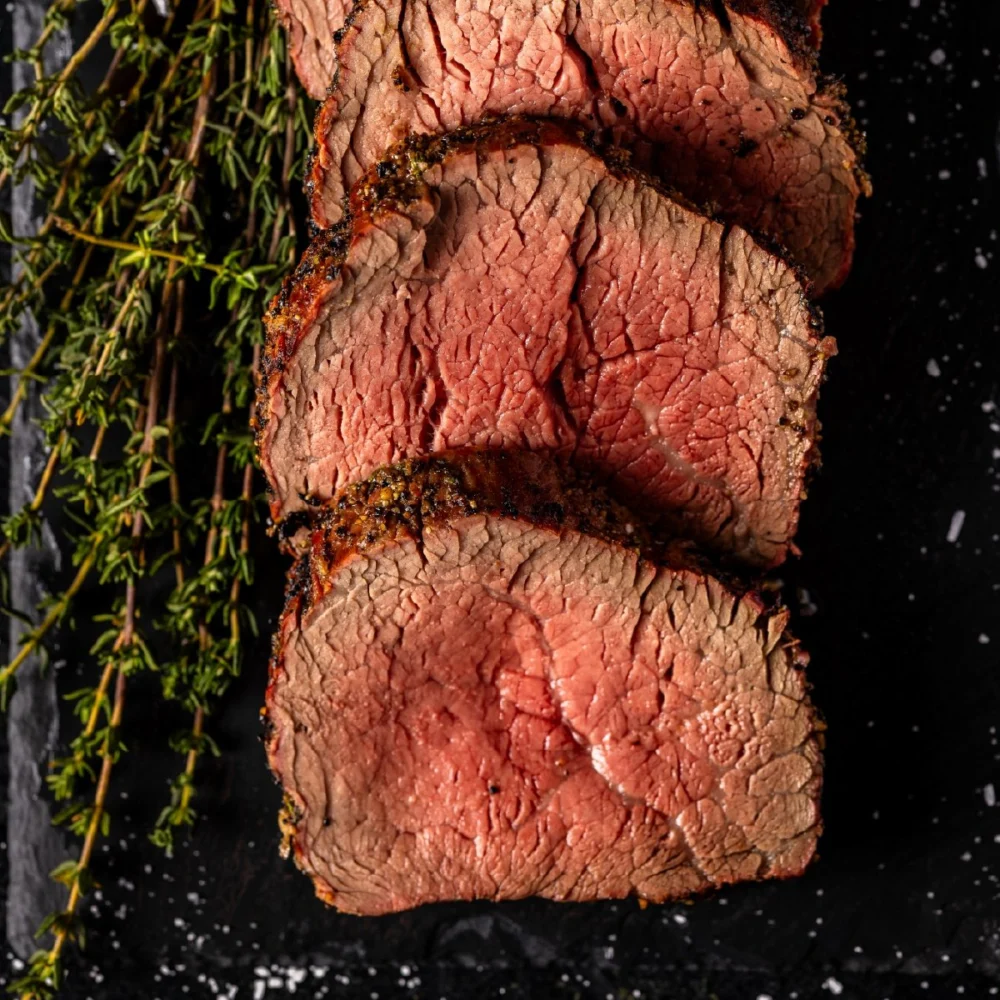
The beef tenderloin, widely regarded as the most premium cut of bovine protein, serves as the definitive centerpiece for high-stakes culinary events ranging from holiday galas to intimate formal dinners. While the cut is prized for its lean texture and buttery consistency, the technical requirements for its preparation are exacting, demanding a sophisticated understanding of thermodynamics, meat science, and flavor layering. This comprehensive analysis explores the methodology behind the grilled beef tenderloin, a preparation that bridges the gap between traditional steakhouse standards and the burgeoning culture of high-end outdoor cookery.
The Anatomy and Selection of the Psoas Major
To understand the value of the grilled beef tenderloin, one must first examine its biological origin. The tenderloin is the Psoas major muscle, located along the spine of the animal. Because this muscle is not load-bearing and performs very little mechanical work, it develops minimal connective tissue, resulting in the most tender cut of beef available. In the retail and wholesale markets, this cut is frequently sold as a whole roast or fabricated into individual steaks known as filet mignon.
Culinary experts emphasize that the success of the dish begins at the point of procurement. Professional butchers suggest looking for a roast characterized by a vibrant, bright red hue, which indicates freshness and proper oxygenation of the myoglobin. Fine marbling—the intramuscular fat—is essential, though the tenderloin is naturally leaner than cuts like the ribeye. According to USDA grading standards, "Prime" beef offers the highest degree of marbling, followed by "Choice" and "Select." For a centerpiece roast, "Prime" or high-tier "Choice" is recommended to ensure maximum moisture retention during the high-heat grilling process.

Furthermore, the physical geometry of the roast is a critical factor in thermal consistency. An evenly shaped roast allows for uniform heat penetration. Consumers are advised to request that their butcher remove the silverskin—a tough, iridescent connective tissue that does not break down during cooking—and to tie the roast with butcher’s twine if necessary to maintain a consistent cylindrical shape.
Theoretical Framework: The Two-Stage Cooking Method
The preparation of a large, expensive cut like the beef tenderloin requires a departure from standard high-heat grilling. Instead, a two-stage thermal strategy is employed: indirect low-heat roasting followed by a high-heat sear. This method, often referred to in professional circles as the "reverse sear," ensures that the interior of the meat reaches the desired temperature without the exterior becoming overcooked or charred.
Stage One: Indirect Thermal Saturation
In the first phase, the grill is configured for two-zone cooking. The beef is placed over the indirect heat zone, away from the active burners or coals. This allows the internal temperature to rise slowly and evenly. Scientifically, this gradual increase prevents the muscle fibers from contracting too violently, which helps retain the natural juices within the cellular structure of the meat.
Stage Two: The Maillard Reaction
Once the internal temperature approaches its target, the meat is moved to the direct heat zone. This stage focuses on the Maillard reaction—a chemical reaction between amino acids and reducing sugars that gives browned food its distinctive flavor. By searing at the end of the process rather than the beginning, the surface of the meat is drier, which facilitates a faster and more efficient crust formation, minimizing the "gray ring" of overcooked meat beneath the surface.

Procedural Chronology and Technical Specifications
The execution of the grilled beef tenderloin follows a strict timeline designed to optimize flavor and texture. The following chronology outlines the standardized approach to this preparation.
- Preparation and Seasoning: The roast is brought to a state of readiness by applying a wet rub. Unlike a dry rub, a wet rub utilizes a lipid base (typically olive oil) to suspend aromatics such as minced garlic, cracked black pepper, kosher salt, and fresh herbs (rosemary and thyme). This creates a paste that adheres to the meat and acts as a heat conductor.
- Grill Configuration: The outdoor cooking apparatus is preheated to a stable temperature of 300°F (149°C). For gas grills, this involves igniting half of the burners; for charcoal grills, it requires banking the coals to one side.
- The Indirect Roast: The seasoned tenderloin is placed on the indirect side of the grill. The lid is closed to create an oven-like environment. The duration of this phase is determined entirely by internal temperature rather than time.
- The Direct Sear: Upon reaching the preliminary target temperature, the roast is transferred to the direct heat zone (450°F-500°F). It is rotated every 60 to 90 seconds to develop a uniform crust across the entire circumference.
- The Resting Period: Perhaps the most critical step, the meat must rest for 15 to 20 minutes post-grilling. During this time, the internal pressure of the roast equalizes, and the juices are reabsorbed by the muscle fibers. Cutting the meat too early results in significant moisture loss.
Thermal Management and Food Safety Data
Precise temperature monitoring is the only reliable method for ensuring both food safety and culinary quality. Professional-grade instant-read thermometers are considered mandatory equipment for this procedure. The following data points serve as the industry standard for beef tenderloin doneness:
Phase One: Target Temperatures Prior to Searing
- Rare: 115°F (46°C)
- Medium Rare: 125°F (52°C)
- Medium: 135°F (57°C)
- Medium Well: 145°F (63°C)
- Well Done: 155°F (68°C)
Phase Two: Final Internal Temperatures (Post-Resting)

- Rare: 125°F (52°C)
- Medium Rare: 135°F (57°C)
- Medium: 145°F (63°C)
- Medium Well: 155°F (68°C)
- Well Done: 165°F (74°C)
It should be noted that "carryover cooking" typically accounts for a 5°F to 10°F rise in temperature after the meat is removed from the heat source. Failure to account for this phenomenon often leads to overcooking.
Nutritional Profile and Dietary Implications
From a nutritional standpoint, beef tenderloin is a dense source of high-quality protein and essential micronutrients. Based on a standard serving size for a recipe yielding six portions, the nutritional breakdown is approximately as follows:
- Calories: 25 kcal (Note: This refers specifically to the rub/seasoning components per serving; the beef itself contributes significantly more, typically 180-220 calories per 3-ounce portion).
- Lipids: 2g (Saturated Fat: 0.3g).
- Sodium: 776mg (Primarily from kosher salt application).
- Protein: 0.2g (Seasoning only; beef provides approx. 24g per serving).
- Micronutrients: Contains trace amounts of Vitamin A, Vitamin C, Calcium, and Iron.
The cut is favored by those on high-protein, low-carbohydrate diets, such as the Ketogenic or Paleo protocols, due to its favorable protein-to-fat ratio and lack of carbohydrates.
Economic and Cultural Context: The Rise of the "Backyard BBQ Hero"
The democratization of high-end culinary techniques can be attributed to the influence of figures like Susie Bulloch, the founder of "Hey Grill Hey." Bulloch, a prominent figure in the BBQ community who has appeared on the Food Network and holds Guinness World Records, has championed the transition of professional steakhouse methods to the domestic backyard.

In a statement regarding the philosophy of outdoor cooking, the "Hey Grill Hey" platform emphasizes that "steakhouse quality" is no longer the exclusive domain of professional chefs. The shift toward high-quality home grilling reflects a broader economic trend where consumers invest in premium ingredients and specialized equipment (such as pellet grills and infrared sears) to replicate luxury dining experiences at home. This movement has seen a marked increase in the sales of whole-muscle roasts during holiday seasons, as families opt for DIY gourmet preparation over traditional restaurant dining.
Broader Impact and Concluding Analysis
The grilled beef tenderloin represents more than a mere recipe; it is a synthesis of traditional butchery and modern thermal science. By utilizing the indirect-to-direct heat method, home cooks can mitigate the risks associated with preparing expensive cuts of meat. The implications of this are twofold: first, it increases consumer confidence in handling premium proteins, and second, it elevates the standard of domestic hospitality.
As the culinary landscape continues to evolve, the emphasis on precision—through the use of digital thermometry and anatomical knowledge—is likely to become the baseline for the "Backyard BBQ Hero." The beef tenderloin, with its unparalleled tenderness and rich flavor profile, remains the gold standard for testing these skills. Whether served with traditional sides like garlic mashed potatoes or more modern grilled vegetables, the dish stands as a testament to the efficacy of disciplined grilling techniques. For those seeking to master the art of the centerpiece, the grilled beef tenderloin offers a reliable path to professional-grade results.
