

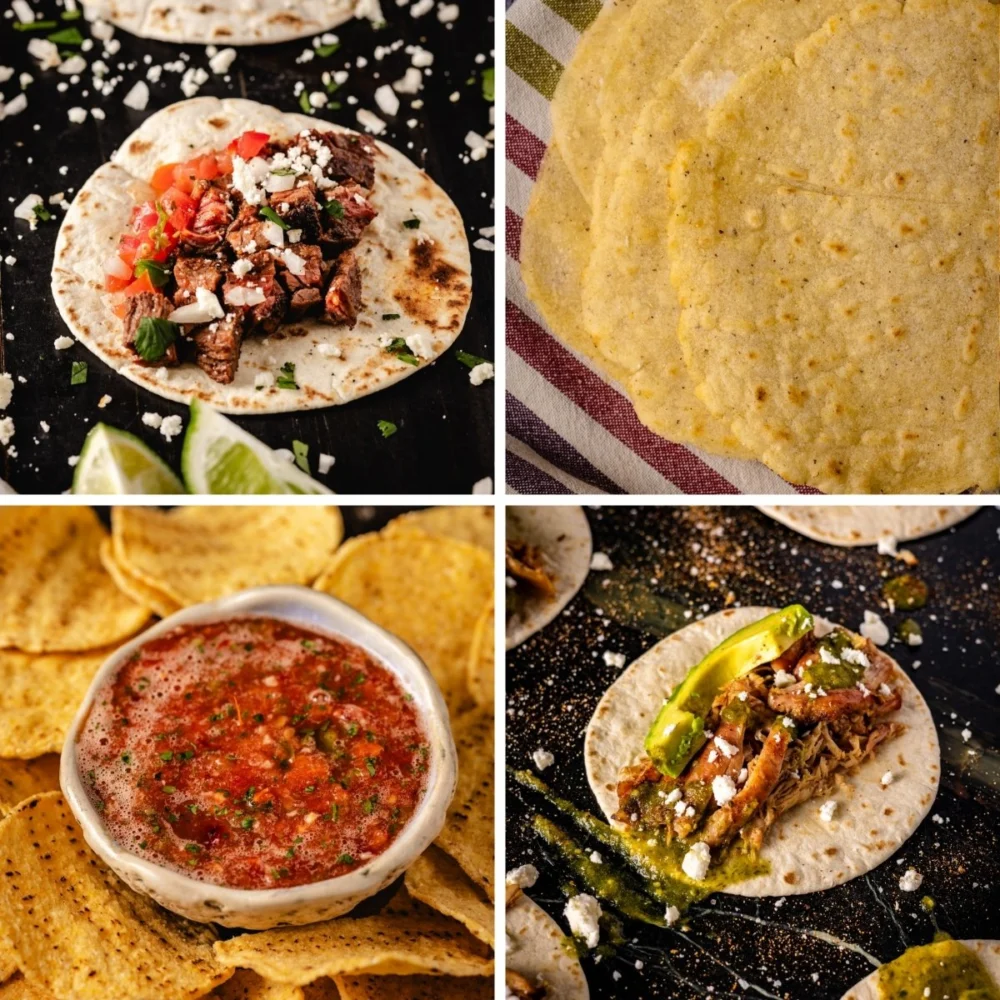
The culinary landscape of American outdoor cooking is witnessing a significant shift as enthusiasts move beyond traditional burgers and hot dogs toward more complex, culturally diverse fare. This evolution is exemplified by the release of a comprehensive tactical guide by "Hey Grill Hey," a prominent authority in the barbecue and grilling industry. Founded by Susie Bulloch, the platform has unveiled an extensive framework designed to transition the "Taco Tuesday" concept from the kitchen stove to the backyard grill. The guide integrates years of recipe development, focusing on four primary pillars of the taco-making process: the structural foundation of the tortilla, the chemical composition of dry rubs, the precision-cooking of diverse proteins, and the balance of acidic components in fresh salsas.
As the outdoor cooking industry continues to expand—with the Hearth, Patio & Barbecue Association (HPBA) reporting that nearly 70% of U.S. households own a grill or smoker—the demand for artisanal, "from-scratch" instructional content has surged. This new initiative provides a structured approach to backyard entertaining, positioning the home cook as a "Backyard BBQ Hero" through the mastery of smoky beef barbacoa, chile lime chicken, and traditional al pastor techniques.

The Structural Integrity of the Foundation: A Shift Toward Homemade Tortillas
Central to the Hey Grill Hey methodology is the rejection of mass-produced, store-bought tortillas in favor of scratch-made alternatives. Industry analysts note that the artisanal bread and tortilla market has seen a 4.5% annual growth rate as consumers prioritize texture and flavor over convenience. The guide addresses the two primary schools of thought in taco construction: flour and corn.
For the flour tortilla, the focus is on the interaction between fat and gluten. By preparing these on the grill, cooks can achieve a char and puffiness that is unattainable through standard pan-frying. The corn tortilla recipes focus on the traditional properties of masa harina, emphasizing the nixtamalization process’s role in providing a sturdy yet flexible vessel for heavy, moisture-rich meats like barbacoa. By providing recipes for both, the guide acknowledges the regional diversity of Mexican-inspired cuisine while adapting it for the high-heat environment of the outdoor grill.
The Science of Flavor: The Fiesta Rub and Seasoning Profiles
A critical component of the Hey Grill Hey system is the "Fiesta Rub," a proprietary blend that has become a staple in over 30 of the brand’s recipes. From a food science perspective, the rub is engineered to balance three specific sensory notes: savory depth (umami), lime brightness (acidity), and a spicy kick (capsaicin).

The application of dry rubs in a grilling environment serves a dual purpose. First, it creates a "bark" or crust on the meat through the Maillard reaction, where amino acids and reducing sugars rearrange under heat to create complex flavor compounds. Second, the inclusion of citric elements in the rub helps to tenderize the muscle fibers during the initial stages of the cook. For those seeking alternatives to the flagship Fiesta Rub, the guide offers specialized seasonings for fajitas and more traditional taco profiles, allowing for customization based on the specific protein being utilized.
Protein Specialization: A Multi-Meat Approach to Outdoor Cooking
The expansion of the taco guide includes more than 15 specific meat recipes, highlighting the versatility of the grill across different animal proteins. This variety reflects a broader consumer trend toward "protein rotation," where home cooks experiment with various cuts to cater to different dietary preferences and flavor profiles.
- Smoky Beef Barbacoa: Traditionally slow-cooked in underground pits, the Hey Grill Hey adaptation utilizes the smoker to replicate the deep, earthy flavors of the original dish. This process involves long-duration, low-temperature cooking to break down collagen in tougher cuts like beef cheek or chuck roast.
- Chile Lime Chicken: This recipe focuses on high-heat grilling to ensure a crisp exterior while maintaining internal moisture. The acidity of the lime acts as a counterbalance to the smoke, a technique common in Southwest BBQ styles.
- Al Pastor: The guide provides a streamlined method for achieving the complex flavors of this pineapple-marinated pork dish, which traditionally requires a vertical spit (trompo). By adapting this for a standard grill, the guide democratizes a technically difficult street-food staple.
The Role of Acidity: Salsa as a Strategic Counterpoint
The guide emphasizes that a taco is not merely a collection of ingredients but a balanced ecosystem of flavors. The salsa recipes provided are designed to act as the necessary acidic counterpoint to the rich, fatty meats produced on the grill.

Statistical data from the condiment industry suggests that salsa has surpassed ketchup as the top-selling condiment in the United States, a testament to the growing palate for heat and complexity. The Hey Grill Hey recipes include unique smoked salsas, where the vegetables—tomatoes, onions, and peppers—are charred on the grill before being blended. This adds a layer of continuity between the meat and the topping, reinforcing the "smoky" theme of the meal.
Market Analysis: The Socio-Economic Drivers of Outdoor Culinary Expansion
The release of this comprehensive taco guide occurs against a backdrop of shifting consumer behavior. Market research indicates that "social cooking" and "outdoor living" have become significant segments of the home improvement and lifestyle industries. Following the global pandemic, there has been a documented 30% increase in spending on high-end outdoor kitchen equipment, including pellet grills, ceramic kamados, and offset smokers.
The Hey Grill Hey platform, led by Susie Bulloch, has capitalized on this trend by providing "tested and trusted" recipes that reduce the "intimidation factor" associated with complex outdoor cooking. Bulloch, whose credentials include appearances on the Food Network and multiple Guinness World Records in the BBQ space, has positioned her brand as a bridge between professional pitmasters and the average backyard enthusiast.

Broader Impact and Implications for Home Entertaining
The implications of this guide extend beyond the individual meal. By encouraging the creation of a "custom taco bar from scratch," the guide promotes a communal style of dining that is increasingly popular in American households. This "build-your-own" format accommodates various dietary restrictions—such as gluten-free corn tortillas or lean chicken options—making it an efficient strategy for large gatherings.
Furthermore, the guide’s emphasis on sharing results via social media platforms like Instagram and Facebook highlights the "digital-culinary" feedback loop. Consumers are no longer just cooking for their immediate guests; they are participating in a global community of BBQ enthusiasts. This social validation is a key driver in the "Backyard BBQ Hero" narrative, where the mastery of a specific skill—such as making tortillas from scratch—serves as a form of social currency.
Chronology of Recipe Development and Brand Growth
The development of the Hey Grill Hey taco framework is the result of a decade-long evolution. Susie Bulloch began her career as a freelance writer for grill manufacturers before launching her own platform. The taco recipes featured in the current guide represent a culmination of years of iterative testing:

- Initial Phase: Development of foundational rubs and basic grilled chicken and steak recipes.
- Expansion Phase: Introduction of slow-smoked meats like brisket and barbacoa, adapting traditional Mexican techniques for American smokers.
- Integration Phase: The move toward "total scratch" cooking, including the development of tortilla recipes and specialized salsas to provide a holistic culinary experience.
Today, the platform serves millions of users annually, reflecting the successful commercialization of backyard BBQ expertise.
Conclusion: The Future of the Backyard Taco
As the distinction between professional chefs and home cooks continues to blur, resources like the Hey Grill Hey taco guide play a vital role in elevating domestic culinary standards. By focusing on the intersection of traditional Mexican flavors and American grilling techniques, the guide provides a roadmap for the next generation of outdoor cooks. The emphasis on scratch-made components—from the tortilla to the rub—signals a move away from convenience-based cooking toward a more intentional, craft-oriented approach to the American "Taco Night."
Through rigorous recipe testing and a clear understanding of the science of smoke and heat, the guide ensures that the transition from the kitchen to the backyard is not only possible but preferable for those seeking a superior dining experience. As Susie Bulloch and the Hey Grill Hey team continue to innovate, the backyard grill remains the central stage for this ongoing culinary transformation.
