

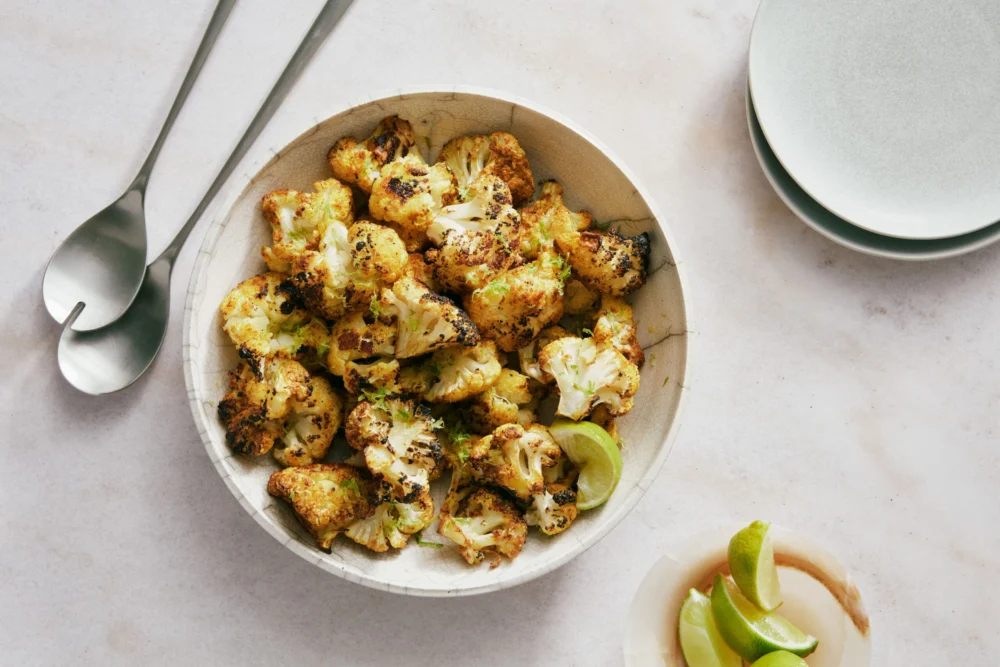
Drawing profound inspiration from the vibrant culinary traditions of Northern India, particularly the beloved gobi tikka, a new rendition of tandoori-style cauliflower is emerging as a cornerstone of contemporary plant-based cuisine. This innovative preparation utilizes a meticulously crafted yogurt-based marinade designed to imbue humble cauliflower florets with deep, complex flavors and an exquisitely tender texture characteristic of its meat-based counterparts. Infused with aromatic fresh garlic and ginger, alongside a symphony of warm spices such as the intricate garam masala and the vividly colored Kashmiri chile powder, the marinade meticulously coats every crevice of the vegetable, facilitating the development of beautiful caramelization during the cooking process.
The technique involves cooking the cauliflower at a moderately high temperature, a method critical for ensuring the florets achieve optimal tenderness while simultaneously developing a rich, appealing color. A strategic, brief application of the broiler at the culmination of cooking adds a desirable extra char, mirroring the distinctive smoky notes of a traditional tandoor oven. Finally, a finishing squeeze of fresh lime juice provides a crucial acidic counterpoint, brightening the heady spice profile and elevating the overall sensory experience. This dish not only pays homage to its origins but also demonstrates the adaptability and evolving nature of global gastronomy in response to modern dietary preferences.
A Nod to Tradition: The Heritage of Gobi Tikka and Tandoori Cuisine
The genesis of this modern tandoori-style cauliflower lies deeply rooted in the ancient and rich culinary landscape of India. Gobi tikka, meaning "cauliflower pieces," is a widely popular vegetarian appetizer or side dish, traditionally featuring marinated cauliflower florets that are often roasted or pan-fried until tender and lightly charred. Its flavor profile typically involves a blend of yogurt, ginger, garlic, and an array of Indian spices, setting a direct precedent for its tandoori-style evolution.
The term "tandoori-style" itself is a direct reference to the tandoor, a cylindrical clay oven that has been a central fixture in Indian, Central Asian, and Middle Eastern cooking for millennia. Archaeological evidence suggests the use of tandoors dates back to the Indus Valley Civilization, around 2600-1900 BCE, highlighting their enduring significance. These ovens, traditionally fueled by charcoal or wood, achieve incredibly high temperatures—often exceeding 480°C (900°F)—which cook food rapidly, sealing in juices and imparting a distinctive smoky flavor and charred exterior. Classic tandoori dishes, such as tandoori chicken, various breads like naan and roti, and seekh kebabs, are celebrated globally for their unique texture and intense flavor derived from this intense, dry heat.
The adoption of "tandoori-style" for home cooking, particularly in regions without access to a traditional tandoor, signifies an adaptation where the characteristic flavors and textures are replicated using conventional ovens, grills, or even stovetop methods. This typically involves the distinctive yogurt and spice marinade, followed by roasting or grilling until a desirable char is achieved. This adaptation allows for the widespread enjoyment of tandoor-inspired flavors, bridging the gap between ancient cooking methods and contemporary kitchen realities.
The Art and Science of the Marinade: Flavor and Texture
The efficacy of the yogurt-based marinade in this tandoori-style cauliflower is a testament to both culinary artistry and basic food science. The thick texture of Greek yogurt, or regular yogurt that has been strained to remove excess whey, is paramount. This viscosity ensures that the marinade adheres effectively to the florets, creating a comprehensive coating that is critical for even flavor distribution and caramelization. Greek yogurt, known for its higher protein content and lower water content compared to regular yogurt, offers a superior base, preventing the marinade from becoming too watery and dripping off during cooking. If regular yogurt is used, straining it through a fine-mesh sieve or cheesecloth for approximately 30 minutes effectively removes excess liquid, achieving a comparable consistency.
Beyond its physical properties, the yogurt serves multiple critical functions. Its inherent acidity, primarily from lactic acid, acts as a tenderizer, subtly breaking down the cellular structure of the cauliflower, allowing for a softer texture upon cooking without rendering it mushy. Simultaneously, the yogurt acts as an excellent emulsifier and carrier for the myriad spices, helping them to infuse deeply into the vegetable.
The spice blend is meticulously chosen for both flavor and visual appeal. Fresh garlic and ginger provide a pungent, aromatic foundation. Garam masala, a staple in North Indian cuisine, is not a single spice but a blend of ground, warm spices—often including cumin, coriander, cardamom, cinnamon, cloves, nutmeg, and black pepper. The precise composition can vary regionally and even by household, but its purpose is consistently to add a warm, complex, and fragrant depth. Kashmiri chile powder stands out for its unique properties: it imparts a vibrant, deep red color to the dish, enhancing its visual appeal, while offering a very mild heat. This low pungency is due to its comparatively low capsaicin content, making it accessible to a wider range of palates. For those preferring no heat or needing a substitute, sweet paprika (not smoked) can be used, though it may alter the color subtly. These spices, combined with the yogurt, create a robust flavor profile that is both earthy and aromatic, deeply satisfying to the palate.
Cauliflower: The Versatile Canvas for Culinary Creativity
Cauliflower, once a humble and often overlooked vegetable, has experienced a significant culinary renaissance in recent years, becoming a darling of chefs and home cooks alike. Its neutral flavor profile and robust texture make it an exceptionally versatile ingredient, capable of absorbing and showcasing a wide array of flavors, particularly those found in rich marinades like the tandoori blend. Nutritionally, cauliflower is a powerhouse, rich in fiber, Vitamin C, Vitamin K, and B vitamins, as well as various antioxidants and phytonutrients, making it a healthy choice for any diet.
Its ability to maintain structural integrity while softening under heat is crucial for dishes like tandoori-style cauliflower. Unlike more delicate vegetables that might disintegrate, cauliflower florets become tender yet retain a slight bite, offering a satisfying mouthfeel. This characteristic has led to its widespread use as a substitute for meat in various dishes, from "cauliflower steaks" to "cauliflower wings," and now, prominently, in tandoori preparations. The florets’ intricate surface area, with their numerous nooks and crannies, is ideally suited for catching and holding the thick yogurt marinade, ensuring maximum flavor infusion and optimal surface contact for caramelization and charring.
Evolution of a Movement: Plant-Based Eating and Indian Gastronomy
The emergence of tandoori-style cauliflower as a prominent dish reflects broader global shifts in dietary habits and culinary innovation. India has a long and deeply ingrained tradition of vegetarianism, often rooted in religious and cultural practices. This historical context has fostered an incredibly rich and diverse vegetarian cuisine, making Indian food a natural fit for the burgeoning global plant-based movement.
In the 21st century, the plant-based diet has transitioned from a niche lifestyle choice to a mainstream phenomenon, driven by concerns over health, environmental sustainability, and animal welfare. According to a 2023 report by the Plant Based Foods Association, the plant-based food market continues to experience robust growth, with plant-based meat sales alone reaching significant figures, underscoring a persistent consumer interest in alternatives to animal products. This trend has spurred culinary professionals and home cooks to adapt traditional meat-centric dishes into equally flavorful and satisfying plant-based versions. Tandoori-style cauliflower is a prime example of this adaptation, successfully transforming a technique historically associated with chicken or lamb into a compelling vegetable-centric dish that appeals to a wider demographic, including vegetarians, vegans, and flexitarians.
This evolution is not merely about substitution but about creative reinterpretation, demonstrating that plant-based cuisine can deliver the same depth of flavor, texture, and culinary satisfaction as its traditional counterparts. It showcases how ancient culinary wisdom, like the Indian tradition of spice blending and marinade techniques, can be seamlessly integrated into modern dietary trends.
Mastering the Technique: Roasting, Broiling, and the Finishing Touch
Achieving the perfect tandoori-style cauliflower requires a precise understanding of heat application. The initial phase involves roasting the marinated florets at a moderately high temperature, typically around 200-220°C (400-425°F). This temperature range is crucial for several reasons: it allows the cauliflower to adequately soften and cook through while simultaneously promoting the Maillard reaction and caramelization on the surface of the florets and the yogurt coating. The Maillard reaction, a complex series of chemical reactions between amino acids and reducing sugars, is responsible for the rich brown color and savory, umami flavors that develop during roasting.
Monitoring the cauliflower during this phase is essential. It should be tender when pierced with a fork but still retain some structural integrity. If the cauliflower is tender but lacks the desired char and deep browning, a quick "blast" under the broiler is the next critical step. Switching the oven to broil for 1 to 2 minutes provides intense, direct top-down heat, rapidly charring the surface and mimicking the smoky finish of a tandoor. This step requires vigilance; due to the high heat, the yogurt coating can burn quickly, so continuous observation is paramount to prevent scorching.
The final touch, a squeeze of fresh lime juice immediately after cooking, is more than just a garnish. The acidity of the lime acts as a palate cleanser, cutting through the richness of the yogurt and the warmth of the spices. This burst of freshness brightens the overall flavor profile, adding a zesty counterpoint that balances the "heady spice" and enhances the complexity of the dish. This seemingly small detail elevates the entire culinary experience, demonstrating the importance of balancing flavors in sophisticated cuisine.
Expert Perspectives: Chefs, Analysts, and Nutritionists Weigh In
The rising prominence of dishes like tandoori-style cauliflower has garnered attention across various sectors of the food industry. Chef Priya Sharma, a renowned expert in contemporary Indian cuisine, notes, "Cauliflower’s remarkable versatility makes it an ideal canvas for flavor exploration. Its ability to absorb rich marinades and develop a satisfying texture under high heat is truly unparalleled. This tandoori rendition is not just a substitute; it’s a celebration of vegetables in their own right, offering a complex and deeply satisfying experience."
Food industry analysts confirm the commercial implications of such culinary innovations. "The market for plant-based ethnic dishes is experiencing exponential growth," states Dr. Alistair Finch, a senior analyst at Global Food Insights. "Consumers are increasingly seeking nutritious, flavorful, and culturally authentic options that align with their health and ethical values. Tandoori-style cauliflower perfectly encapsulates this trend, appealing to a broad demographic from seasoned vegetarians to adventurous omnivores looking to diversify their diets. We project continued expansion in this segment, driven by both restaurant innovation and accessible home-cooking solutions."
From a nutritional standpoint, the dish offers significant benefits. Dr. Lena Hanson, a registered dietitian and public health advocate, highlights, "Incorporating more vegetables like cauliflower into daily meals is crucial for overall health. Cauliflower provides essential fiber, vitamins, and antioxidants. When paired with the probiotic benefits of yogurt, this dish becomes a powerhouse of nutrition, supporting gut health and offering a balanced meal option that is both delicious and healthful. It’s a prime example of how traditional techniques can be leveraged to create modern, health-conscious meals."
Beyond the Plate: Cultural, Environmental, and Culinary Implications
The widespread embrace of tandoori-style cauliflower extends beyond mere gastronomic pleasure, carrying significant cultural, environmental, and broader culinary implications. Culturally, it represents a beautiful fusion, where the ancient techniques and flavors of Indian cuisine are reimagined for a contemporary, global audience. It fosters culinary exchange, introducing new palates to the intricate spice blends and cooking philosophies that define Indian food, while simultaneously validating traditional vegetarianism within a modern context.
Environmentally, the shift towards plant-based alternatives like cauliflower is a critical step in promoting more sustainable food systems. The production of vegetables generally requires fewer natural resources—less water, land, and emits fewer greenhouse gases—compared to animal agriculture. As climate change concerns escalate, dishes that offer satisfying plant-based experiences contribute positively to efforts to reduce the ecological footprint of food consumption.
From a culinary perspective, this dish signifies an ongoing trend of innovation where vegetables are no longer relegated to mere side dishes but are elevated to star status. It empowers home cooks by demystifying complex flavors and techniques, making restaurant-quality, ethnically inspired meals accessible in domestic kitchens. This democratizes fine dining experiences and encourages culinary experimentation. The inclusion of such creative plant-based options on restaurant menus, from casual eateries to high-end establishments, also reflects a progressive approach to menu development, catering to diverse dietary needs and preferences without compromising on flavor or presentation.
Conclusion: A Dish for the Modern Palate
In essence, tandoori-style cauliflower is more than just a recipe; it is a culinary phenomenon that beautifully encapsulates the intersection of tradition, health, and innovation. It draws upon the deep heritage of Indian tandoori cooking and gobi tikka, adapting ancient techniques and vibrant spice profiles to suit contemporary palates and dietary trends. Through the careful application of a yogurt-based marinade and precise cooking methods, cauliflower is transformed into a dish that is rich in flavor, satisfying in texture, and visually appealing. As global tastes evolve and the demand for sustainable, plant-based options continues to grow, this dish stands as a testament to the endless possibilities of culinary creativity, offering a flavorful, nutritious, and culturally rich experience for all. Its journey from an inspired adaptation to a culinary staple underscores a broader movement towards inclusive and inventive gastronomy that honors the past while embracing the future.
