

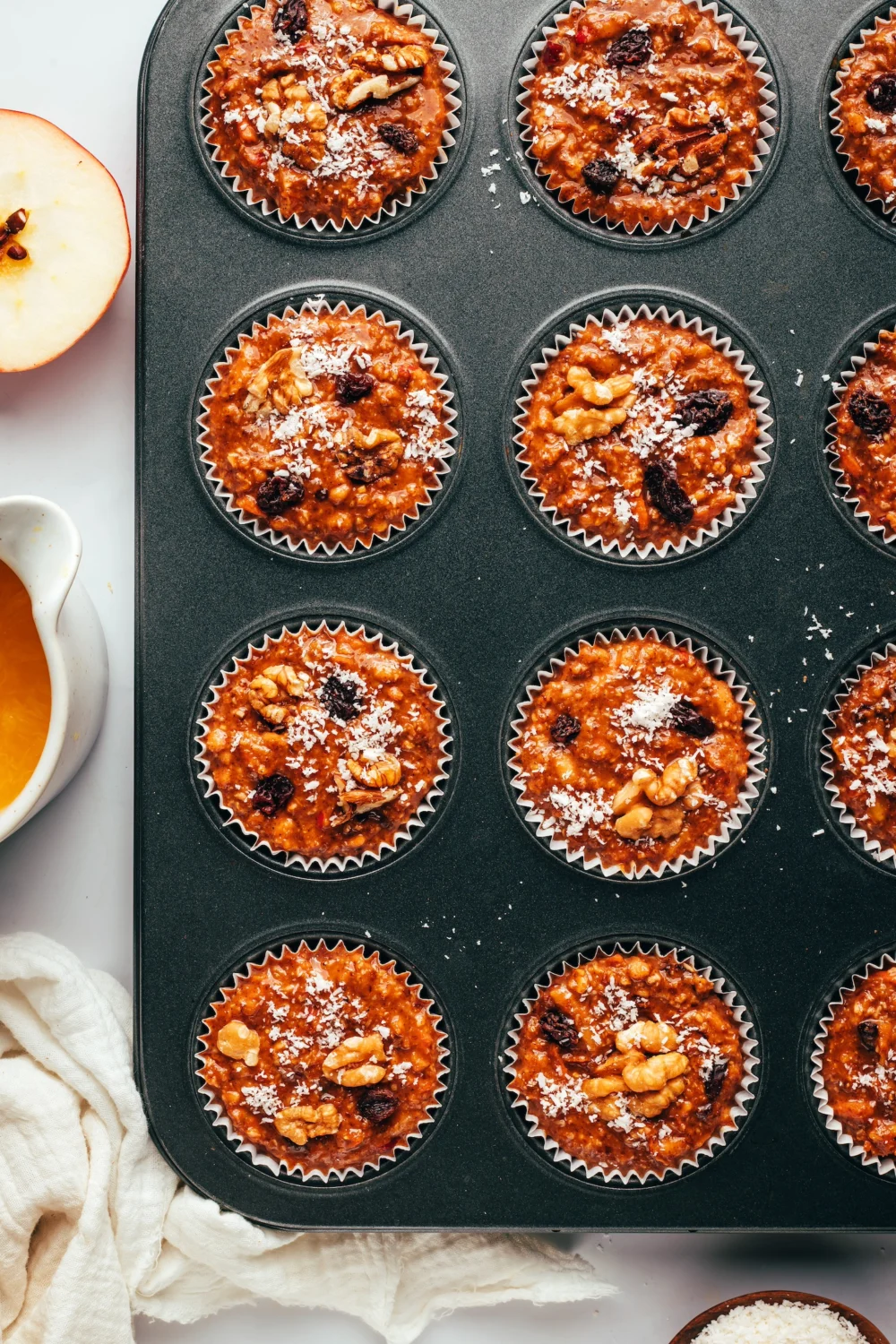
A beloved classic from the late 1970s has undergone a significant transformation, emerging as a testament to contemporary dietary trends and innovative baking. The Morning Glory Muffin, originally conceived by Chef Pam McKinstry in 1978 at her Morning Glory Cafe in Nantucket, has been reimagined in a fully vegan and gluten-free format, offering a wholesome, satisfying, and allergen-friendly treat that resonates with today’s health-conscious consumers. This adaptation maintains the muffin’s signature lightly sweet, subtly spiced profile, replete with a generous medley of fruits, vegetables, and nuts, while broadening its appeal to an ever-growing demographic seeking specialized dietary options.
The Enduring Legacy of the Morning Glory Muffin

The Morning Glory Muffin holds a unique place in culinary history, distinguished by its inclusion of an unusually high proportion of "goodies" compared to conventional muffins. Chef McKinstry’s original recipe, published in Gourmet magazine in 1981, quickly captivated palates with its rich texture and vibrant flavors. It combined shredded coconut, raisins, grated apple, carrots, pineapple chunks, and pecans or walnuts, bound by a traditional batter of flour, sugar, baking soda, salt, eggs, vegetable oil, and vanilla extract. This innovative blend of ingredients not only imparted a delightful taste and texture but also a perception of healthful indulgence, making it an instant classic in breakfast and snack categories. Its popularity soared, and it became a staple in bakeries and home kitchens across North America, often lauded for its ability to incorporate vegetables into a sweet treat discreetly. The muffin’s success underscored a burgeoning consumer interest in baked goods that offered more than just empty calories, hinting at a future where nutrition and taste would increasingly converge.
Responding to Evolving Dietary Landscapes
The culinary world has witnessed a profound shift in consumer preferences over the past two decades, driven by increased awareness of dietary sensitivities, ethical considerations, and health goals. The demand for vegan and gluten-free products, once niche markets, has exploded into mainstream segments of the food industry.

According to recent market analyses, the global vegan food market was valued at approximately USD 26.1 billion in 2021 and is projected to reach over USD 61.3 billion by 2028, growing at a compound annual growth rate (CAGR) of 12.3%. This surge is propelled by a combination of factors, including ethical concerns regarding animal welfare, environmental sustainability, and perceived health benefits associated with plant-based diets, such as reduced risk of heart disease, type 2 diabetes, and certain cancers. Similarly, the gluten-free market has experienced substantial growth. With an estimated 1% of the global population diagnosed with celiac disease and a larger percentage reporting non-celiac gluten sensitivity, the market for gluten-free products was valued at USD 6.4 billion in 2022 and is expected to reach USD 11.7 billion by 2030. These figures highlight a clear and sustained demand for food products that cater to these specific dietary requirements without sacrificing flavor or quality.
The reimagined Vegan Gluten-Free Morning Glory Muffins directly addresses these trends, offering a solution for individuals who previously might have been excluded from enjoying such a classic indulgence. This innovation represents a crucial step in making diverse culinary experiences accessible to everyone, regardless of their dietary restrictions.
Minimalist Baker’s Approach to Modernizing a Classic

The adaptation of the Morning Glory Muffin by Minimalist Baker exemplifies a thoughtful and informed approach to modern baking. The recipe strategically replaces traditional ingredients with plant-based and gluten-free alternatives, meticulously selected to ensure both nutritional integrity and desirable textural outcomes.
- Flour Blend Innovation: A significant departure from the original, this recipe employs a unique gluten-free flour blend of oat flour and potato starch. Oat flour, derived from finely ground oats, provides a tender crumb and a subtly nutty flavor, while also contributing soluble fiber, which is beneficial for digestion and can help regulate blood sugar levels. Potato starch acts as a binding agent and contributes to the muffin’s light and fluffy texture, preventing the density often associated with gluten-free baked goods. The explicit avoidance of almond flour, a common gluten-free substitute, is noteworthy. While almond flour is popular for its protein content and low glycemic index, it can sometimes yield a denser, heavier texture and is also a common allergen, making its omission a strategic choice for broader accessibility.
- Vegan Egg Alternative: The recipe skillfully replaces eggs with a "flax egg," a mixture of ground flaxseed meal and orange juice. When hydrated, flaxseed meal forms a gel-like consistency that mimics the binding properties of eggs, essential for structure in muffins. Beyond its functional role, flaxseed is a powerhouse of nutrition, rich in omega-3 fatty acids, fiber, and lignans, which have antioxidant properties. The orange juice not only aids in the flax egg formation but also enhances the overall flavor profile and adds a touch of Vitamin C.
- Wholesome Sweetening and Fats: Instead of refined sugars and traditional vegetable oils, the recipe opts for more wholesome alternatives. Coconut sugar, a natural sweetener derived from the sap of the coconut palm, is often preferred for its lower glycemic index compared to white sugar and its subtle caramel notes. Avocado oil, used as the primary fat, is a heart-healthy choice, rich in monounsaturated fats and boasting a neutral flavor profile that allows the other ingredients to shine. These choices align with the broader "clean eating" movement, where consumers seek ingredients that are minimally processed and offer additional nutritional benefits.
- Retaining the "Glory": Crucially, the recipe retains the abundant "goodies" that define the Morning Glory Muffin. Freshly grated carrots and apples contribute natural sweetness, moisture, and a wealth of vitamins, minerals, and dietary fiber. Raisins add bursts of concentrated sweetness and iron, while shredded coconut provides a tropical aroma and healthy fats. Walnuts, a cornerstone of the original recipe, are retained for their satisfying crunch and their significant content of omega-3 fatty acids, antioxidants, and plant-based protein. The "subtly spiced" aspect is typically achieved through cinnamon, and possibly nutmeg or ginger, which not only enhance flavor but also offer anti-inflammatory properties.
The Streamlined "One-Bowl" Method
Beyond its ingredient innovations, the recipe emphasizes a "1-bowl" preparation method. This approach significantly simplifies the baking process, reducing both preparation time and cleanup. For busy individuals or novice bakers, the prospect of a quick and easy recipe is a powerful motivator. In a fast-paced world, convenience is a highly valued attribute, and a "one-bowl" recipe makes healthy eating more achievable and less daunting. This methodological efficiency, combined with the wholesome ingredients, makes the muffins an ideal choice for meal prepping, on-the-go breakfasts, or satisfying snacks, capable of being stored for 2-3 days at room temperature or frozen for up to a month.

Implications and Broader Impact
The emergence of such a meticulously crafted vegan and gluten-free adaptation of a classic recipe carries several significant implications for the food industry and consumer behavior:
- Mainstreaming of Specialized Diets: Recipes like this demonstrate that dietary restrictions no longer necessitate sacrificing beloved foods. They contribute to the mainstreaming of vegan and gluten-free options, making them more accessible and less intimidating for the general public. This fosters inclusivity in culinary experiences.
- Innovation as a Driving Force: The success of these muffins highlights the continuous innovation within the baking industry, driven by a commitment to meet evolving consumer needs. It encourages further research and development into alternative ingredients and baking techniques that deliver superior taste and texture.
- Empowerment of Home Bakers: By providing detailed, easy-to-follow recipes for complex dietary requirements, food blogs and platforms like Minimalist Baker empower home bakers to confidently prepare healthy and delicious meals. This democratizes access to specialized culinary knowledge and fosters greater self-sufficiency in dietary management.
- Health and Wellness Promotion: These muffins offer a balanced nutritional profile, packed with fiber, healthy fats, vitamins, and minerals from their fruit, vegetable, and nut content. They serve as an excellent example of how indulgent treats can be transformed into nutrient-dense options, contributing positively to public health initiatives that advocate for increased fruit and vegetable consumption and reduced intake of refined sugars and unhealthy fats.
- Economic Impact: The growing market for vegan and gluten-free products represents a substantial economic opportunity. Businesses that successfully innovate in this space stand to capture a significant share of a rapidly expanding market, influencing ingredient suppliers, manufacturers, and retailers alike. Food industry analysts predict that the demand for "free-from" products will continue to grow, driven by younger generations who are more conscious of health, environmental, and ethical issues.
Expert Perspectives

"This vegan and gluten-free Morning Glory Muffin recipe is a perfect illustration of how far plant-based and allergen-friendly baking has come," states Dr. Anya Sharma, a renowned nutritionist specializing in plant-based diets. "It skillfully balances flavor and texture with a robust nutritional profile. The use of oat flour and flaxseed meal, for example, not only caters to specific dietary needs but also enhances the fiber and omega-3 content, making it a genuinely wholesome choice for breakfast or a snack."
Culinary expert and food trend analyst, Mark Jensen, adds, "The original Morning Glory Muffin was revolutionary for its time, incorporating so many healthful components. This modern iteration takes that concept further, showing that dietary restrictions don’t have to mean culinary limitations. The ‘one-bowl’ method is a genius touch, appealing to the modern consumer’s need for convenience without compromise. This is not just a recipe; it’s a blueprint for future food innovation."
Conclusion

The Vegan Gluten-Free Morning Glory Muffins stand as more than just a recipe; they are a symbol of culinary evolution, reflecting a profound shift in how we approach food and nutrition. From its origins as a cherished classic to its current iteration as an accessible, wholesome, and delicious option for diverse dietary needs, this muffin embodies the spirit of innovation in baking. It underscores the industry’s commitment to inclusivity, health, and convenience, proving that with thoughtful ingredient selection and clever technique, even the most traditional treats can be reimagined to nourish and delight a modern, health-conscious world. As consumers increasingly seek options that align with their values and dietary requirements, such recipes pave the way for a future where delicious, satisfying, and responsible eating are not just aspirations, but everyday realities.
