

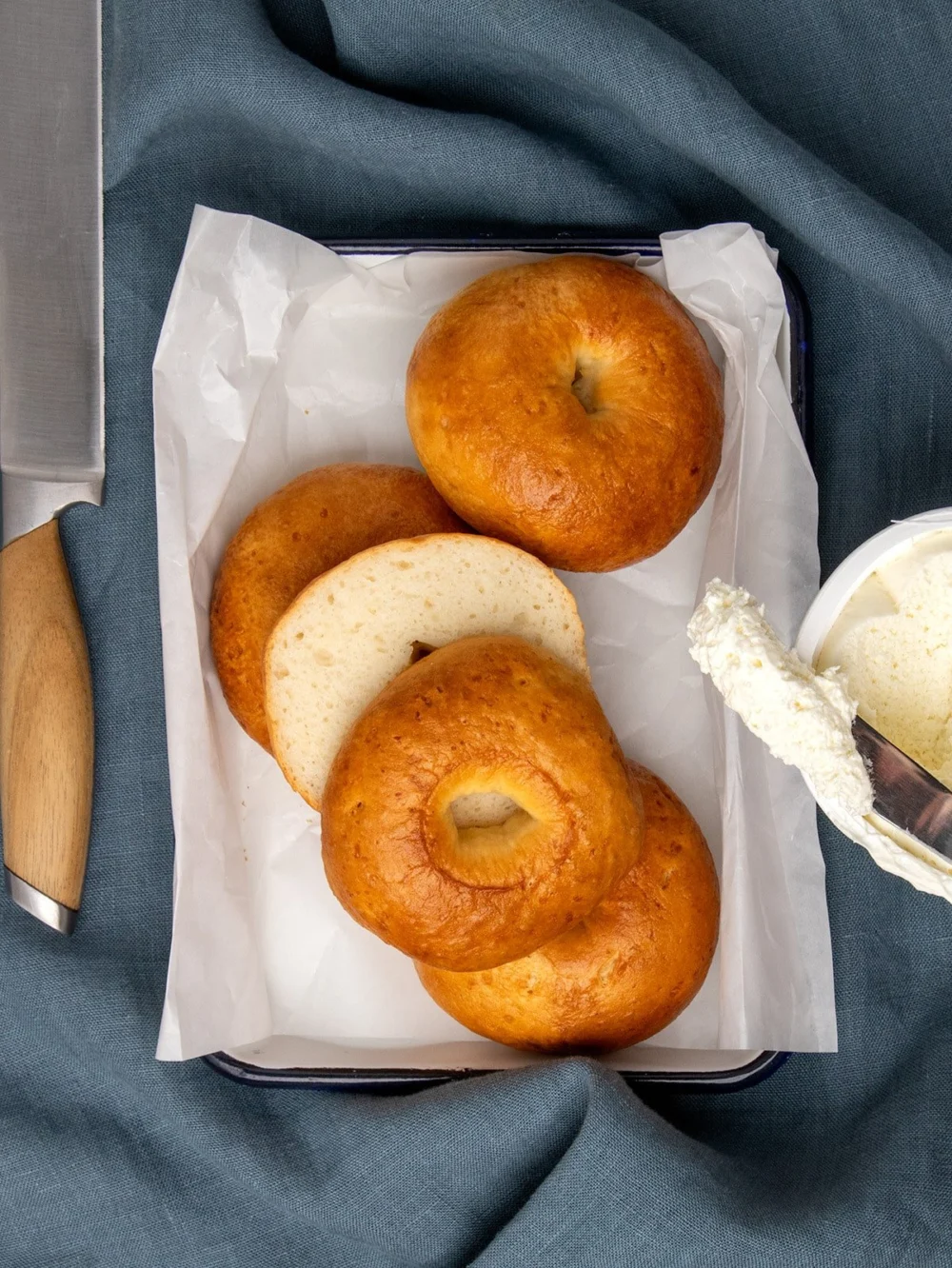
A culinary breakthrough is set to redefine the gluten-free baking landscape, offering a taste of authentic New York-style bagels that many believed were lost forever to dietary restrictions. This meticulously developed recipe promises a chewy interior and a perfectly crisp, browned exterior, achieving a texture and flavor profile that rivals traditional wheat-based counterparts. The innovation lies in a two-pronged approach: a crucial cold rise for an easily manageable dough and a distinctive boiling process in a molasses bath before baking.
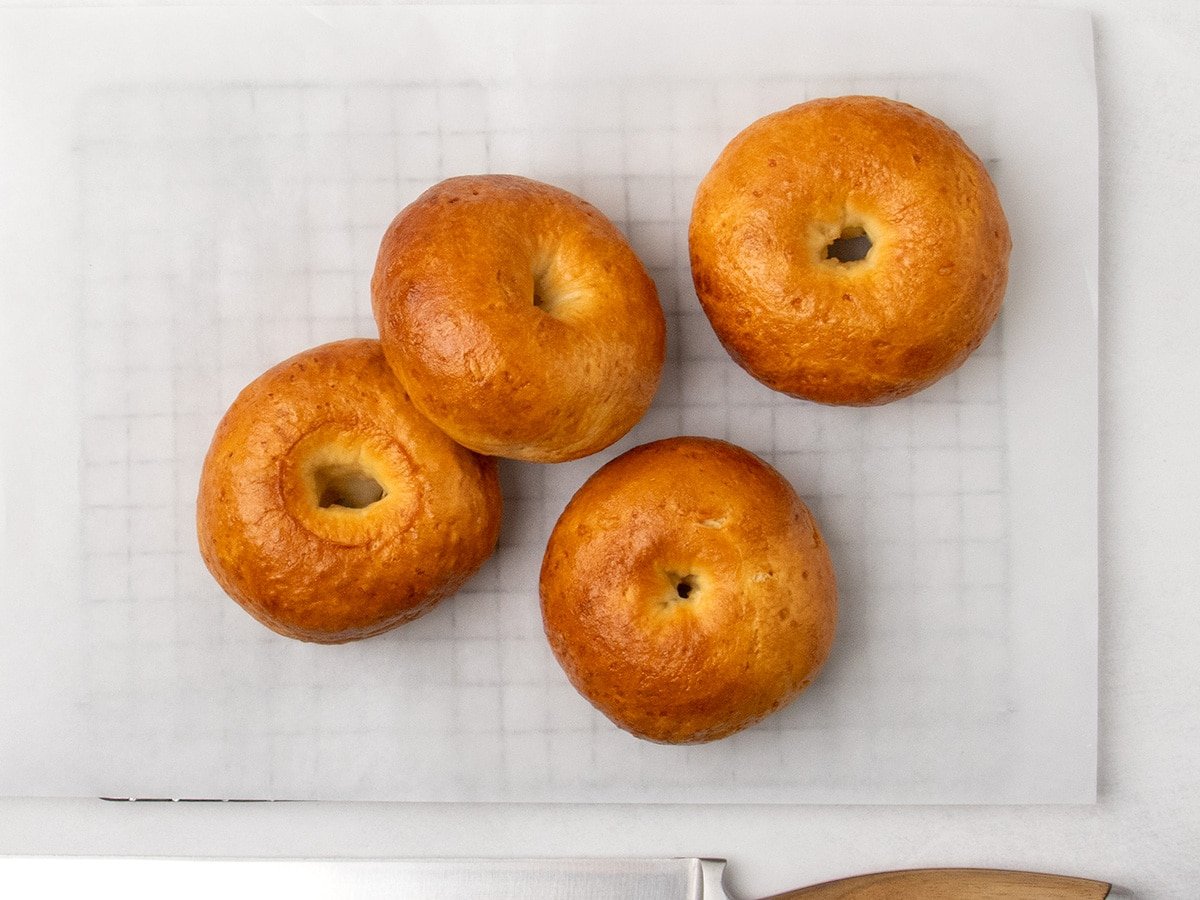
For those who have navigated the world of gluten-free baking, the quest for a truly satisfying bagel has often been a challenging one. Traditional recipes rely on the elastic properties of gluten to create the characteristic chew and structure of a bagel. Without it, gluten-free doughs can be crumbly, dense, or lack the desired resilience. This new recipe, however, addresses these long-standing issues through a combination of precise ingredient ratios and strategic preparation techniques.
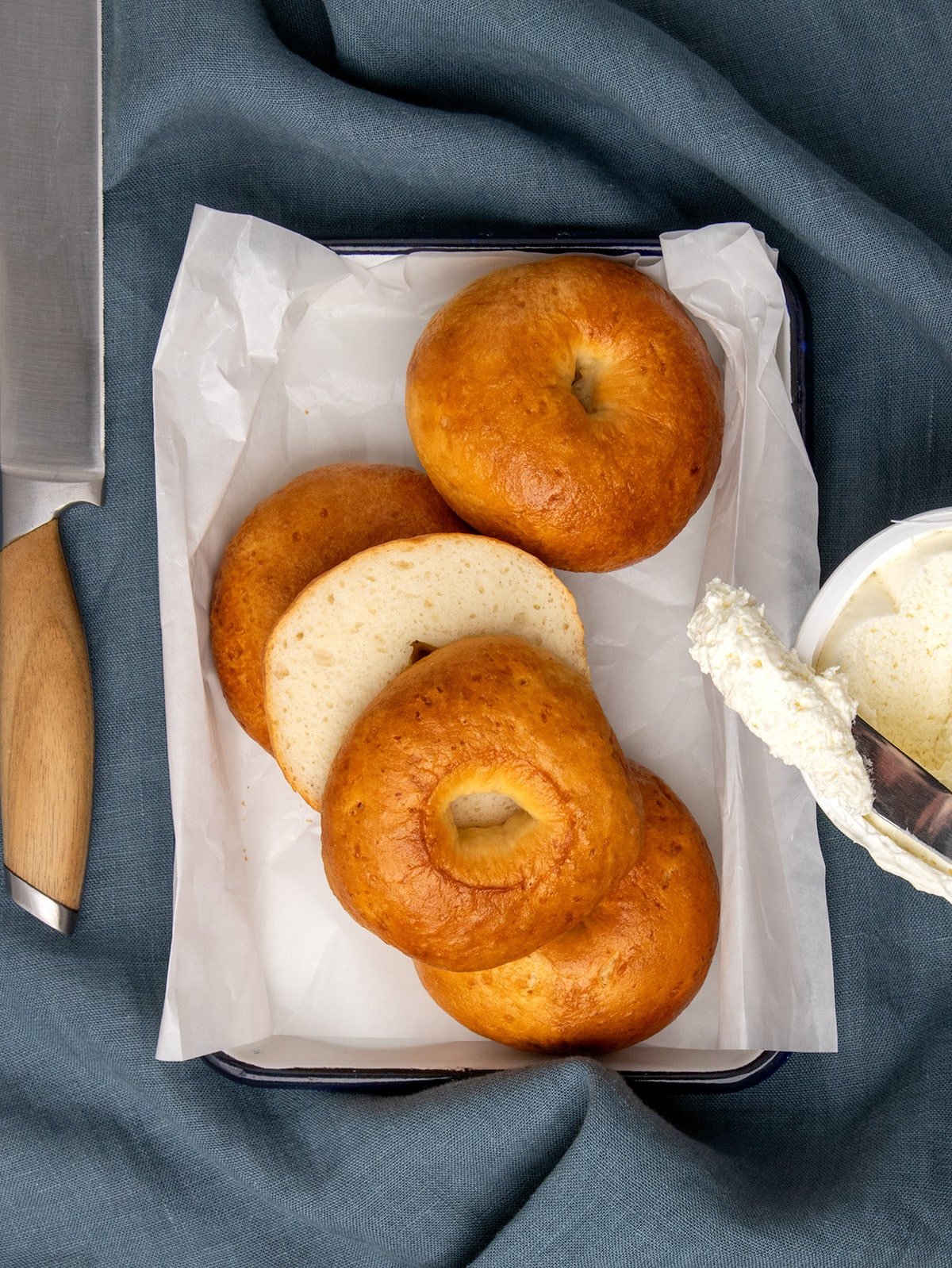
The genesis of this recipe stems from a deep understanding of the New York bagel’s iconic status. Born and raised in the bustling culinary scene of New York City, the author emphasizes the profound importance of the chewy, crusty bagel that has become synonymous with the city’s identity. The goal was not merely to create a gluten-free imitation, but to replicate the authentic experience, making it accessible to individuals with celiac disease, gluten sensitivities, or those choosing a gluten-free lifestyle.
The Science Behind the Chew: Key Recipe Components
The success of these gluten-free bagels can be attributed to several key ingredients and techniques that work in synergy to mimic the qualities of their gluten-containing ancestors.
- Cold Rise for Dough Manageability: The recipe’s signature "cold rise" before shaping is a critical step. This extended period of chilling the dough in the refrigerator, lasting from at least 30 minutes up to two days, offers significant advantages. Firstly, it allows the gluten-free flours to fully hydrate, leading to a smoother, more cohesive dough. Secondly, it stiffens the fats within the dough, making it less sticky and considerably easier to handle and shape without tearing. This controlled fermentation also develops a more complex, yeasty flavor profile, enhancing the overall taste of the finished bagel.
- The Molasses Bath for Crust Perfection: The secret to the quintessential chewy crust lies in the pre-baking boiling process. Bagels are traditionally boiled briefly before baking. This recipe elevates this technique by employing a boiling bath infused with unsulphured molasses. This step serves a dual purpose: it gelatinizes the starches on the exterior of the bagel, limiting excessive oven spring and contributing to that sought-after dense chew. The molasses also imparts a subtle sweetness and aids in achieving a beautiful, deep golden-brown color.
- Strategic Ingredient Choices for Texture and Browning: Beyond the core techniques, specific ingredients are vital. Extra tapioca starch is incorporated not only for its role in structure and smoothness but also to contribute to the bagel’s characteristic chewiness. Furthermore, the recipe utilizes ingredients that promote browning in the oven, ensuring that the bagels achieve an appealing, toasted appearance. An egg white wash is applied before baking, which not only contributes to a glossy finish but also helps the bagels maintain their shape as they cool.
A Step-by-Step Guide to Gluten-Free Bagel Perfection
Creating these authentic gluten-free bagels involves a methodical approach, ensuring each step contributes to the final delicious outcome.
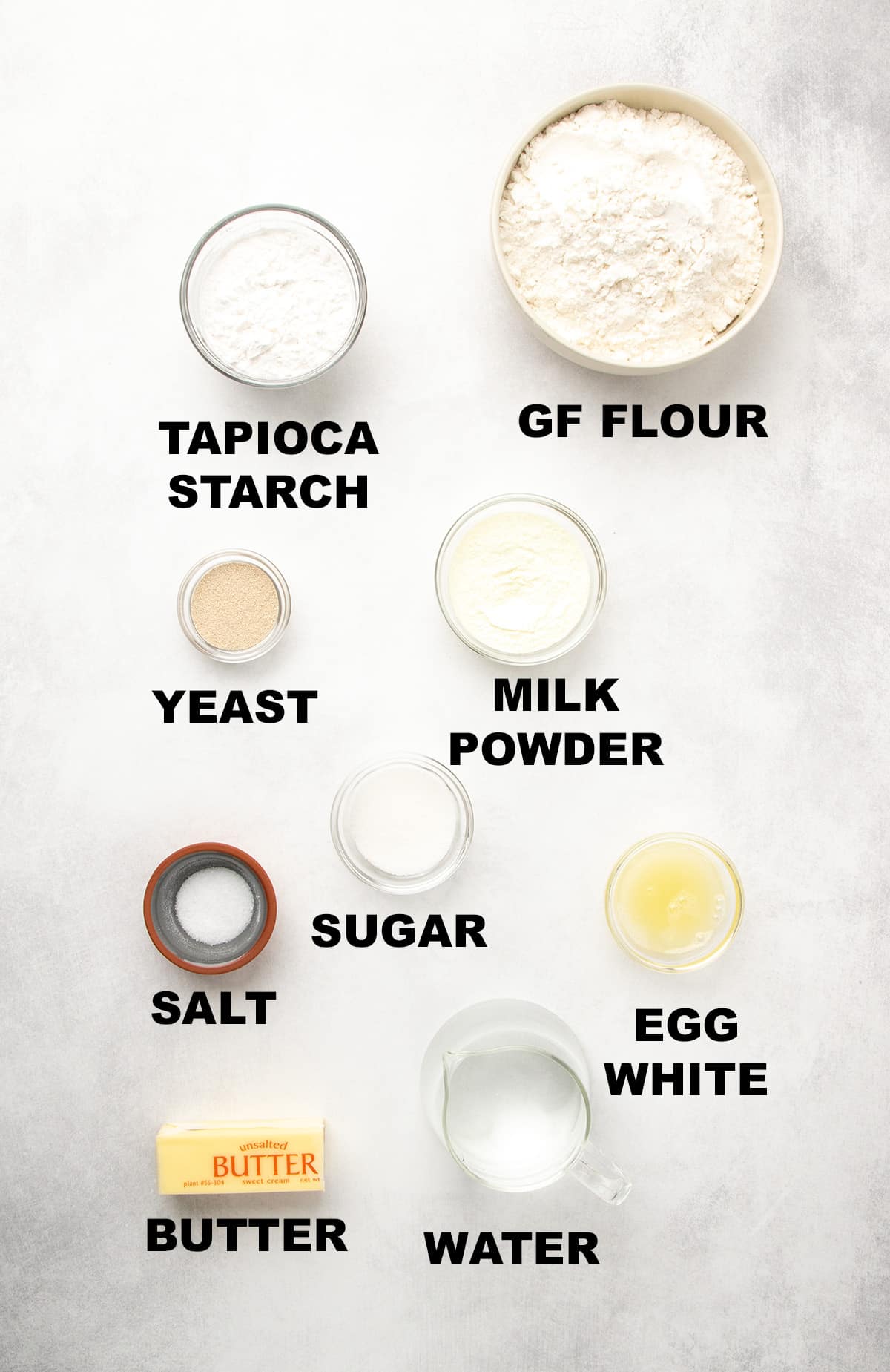
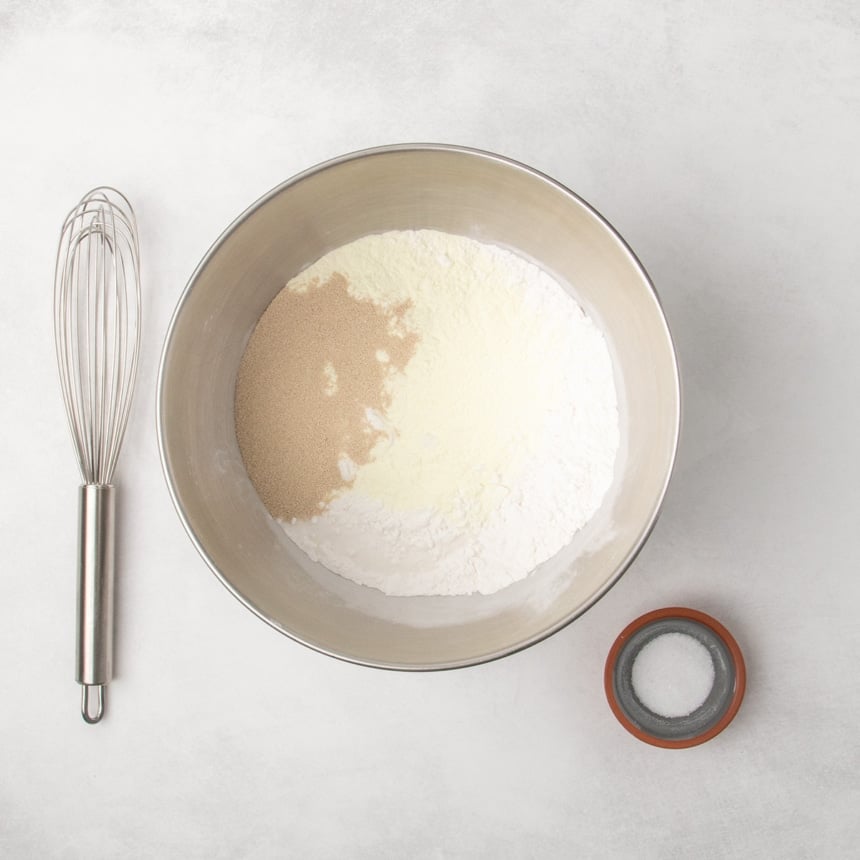
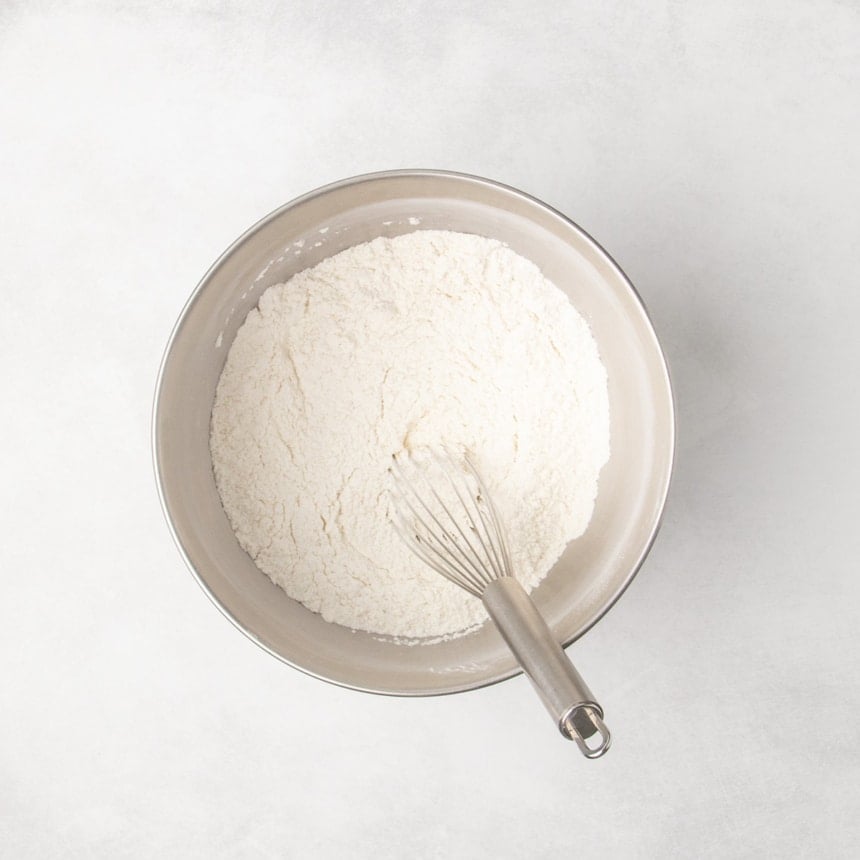
- Initiating the Dough: The process begins by whisking together all the dry ingredients in the bowl of a stand mixer. This includes a balanced gluten-free flour blend (with xanthan gum), tapioca starch, milk powder, yeast, and sugar. The salt is then incorporated. This initial whisking ensures even distribution of all components, crucially preventing direct contact between salt and yeast, as salt can inhibit yeast activity.
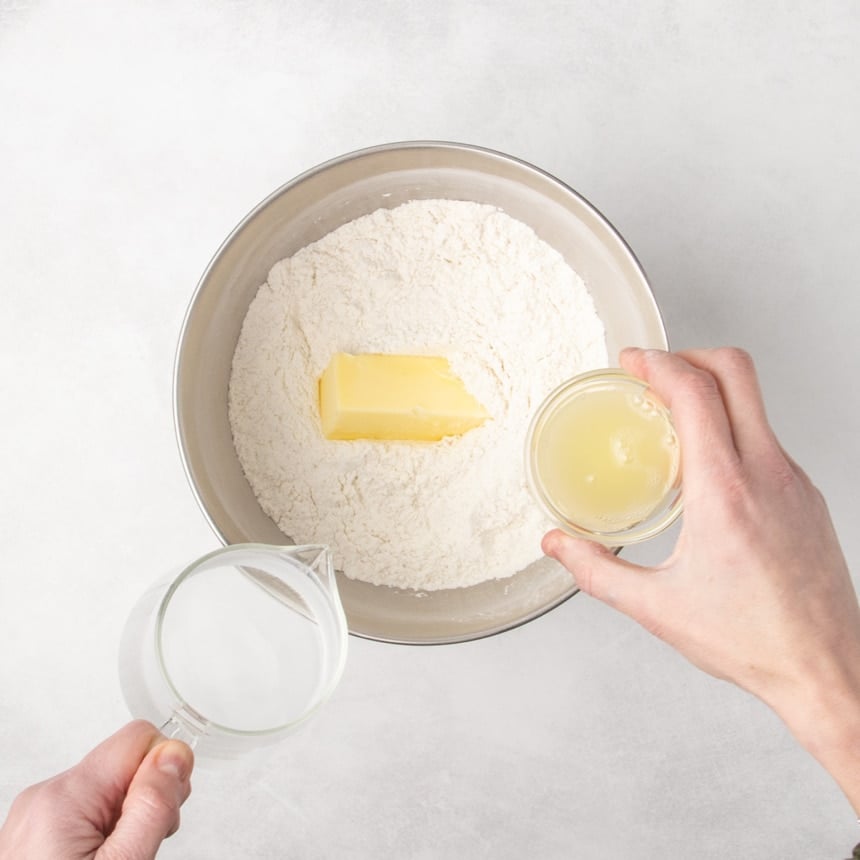
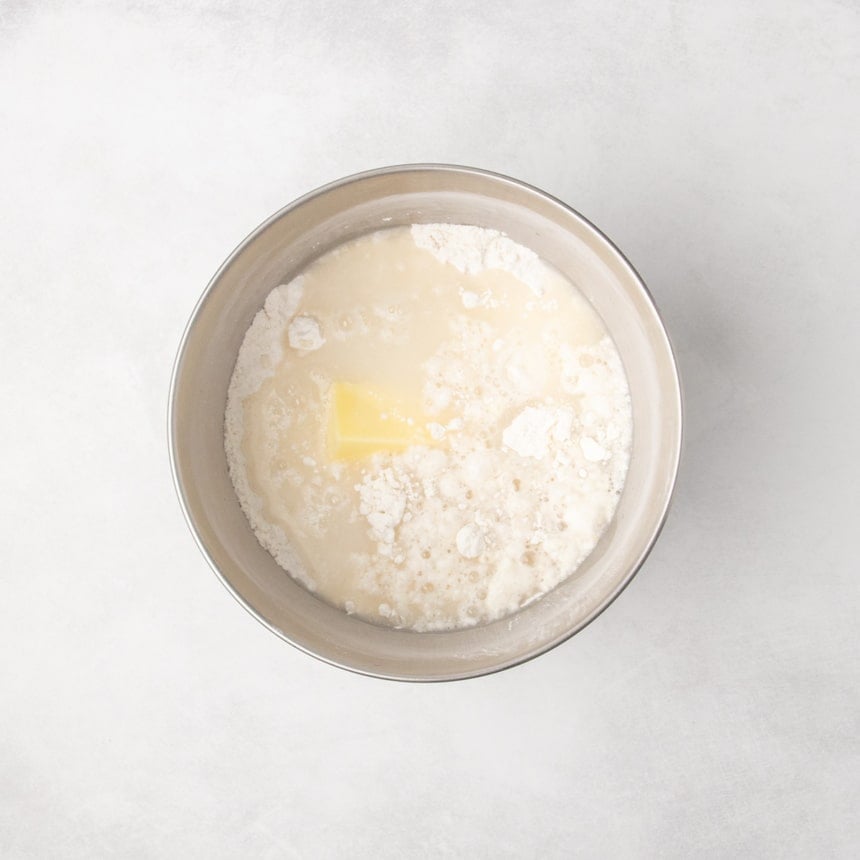
- Introducing the Wet Ingredients: Softened butter, a room-temperature egg white, and warm water are added to the dry mixture. A brief stir with a spatula helps to begin combining the wet and dry elements, especially in larger mixing bowls.
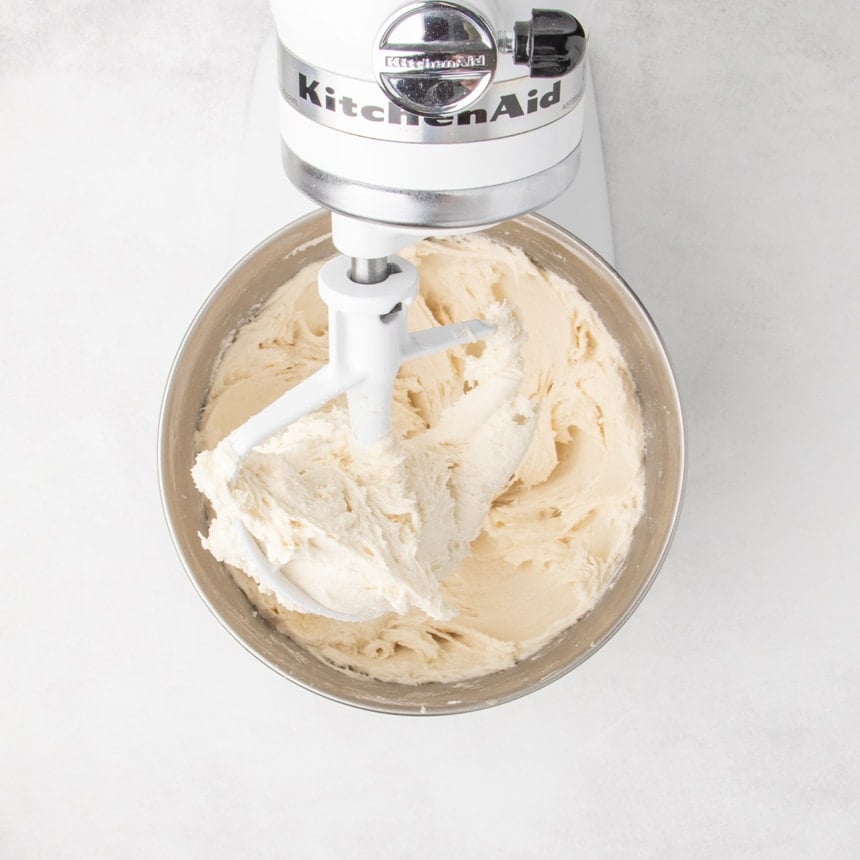
- Developing the Dough: The mixture is then transferred to a stand mixer fitted with the paddle attachment. The dough is mixed on medium-low speed for approximately one minute until the flours are moistened. The dough will initially clump around the paddle. Subsequently, the speed is increased to medium-high, and the dough is mixed for about four minutes. During this stage, the dough should begin to adhere to the sides of the bowl and develop an airy, almost whipped texture, indicative of proper aeration.
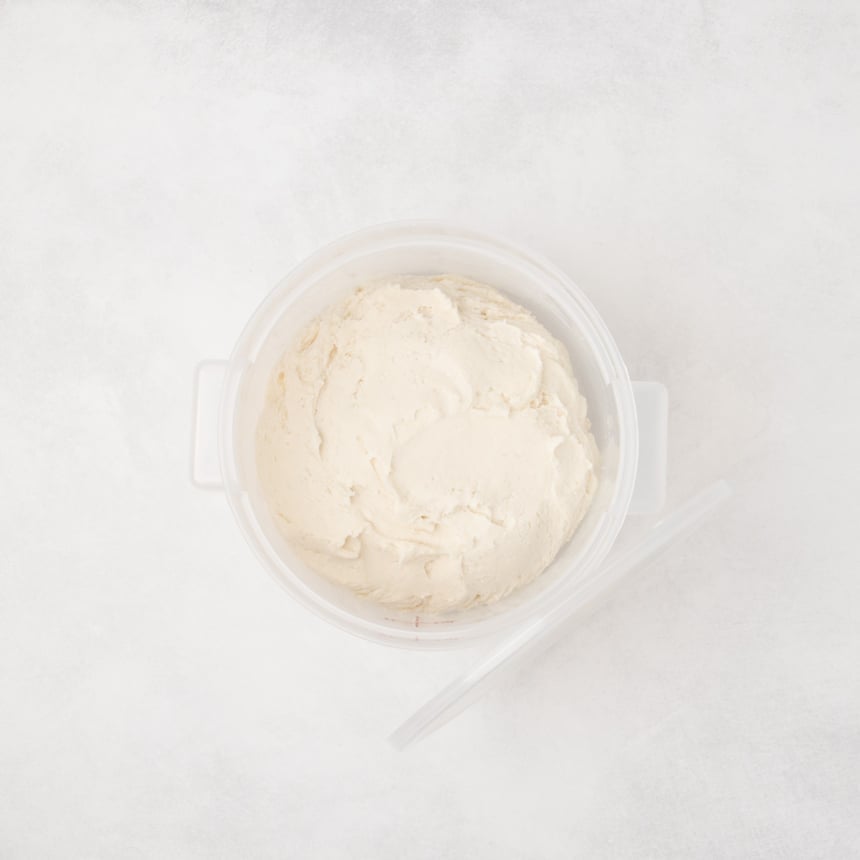
- The Crucial Cold Rise: The prepared dough is then transferred to a tightly covered container and placed in the refrigerator. This cold rise is essential for flavor development and dough manageability.
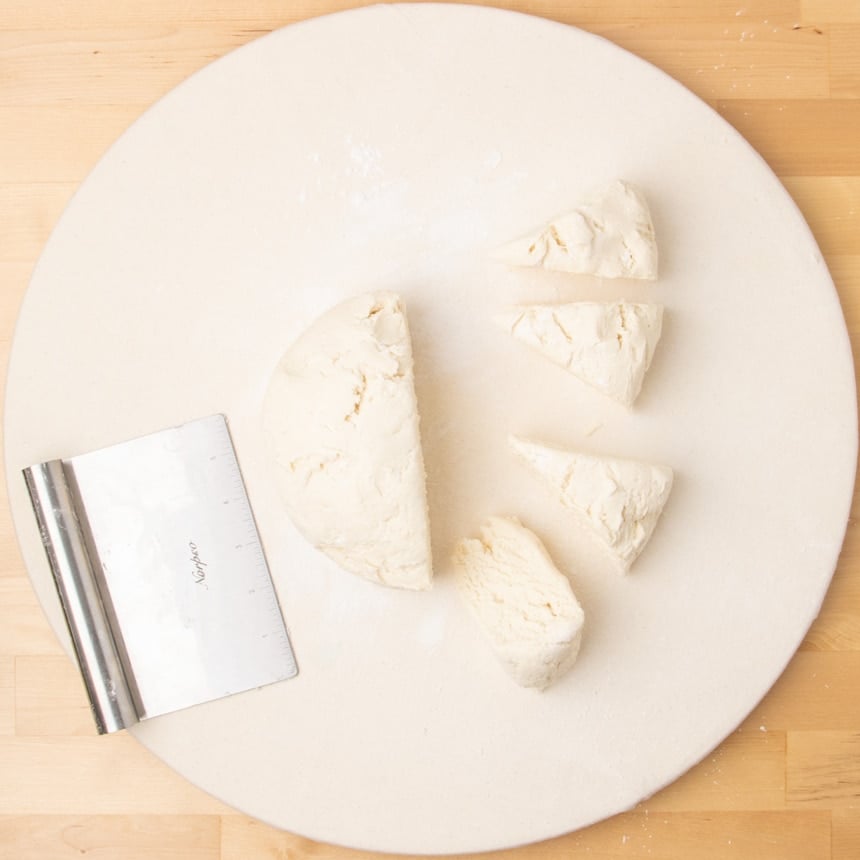
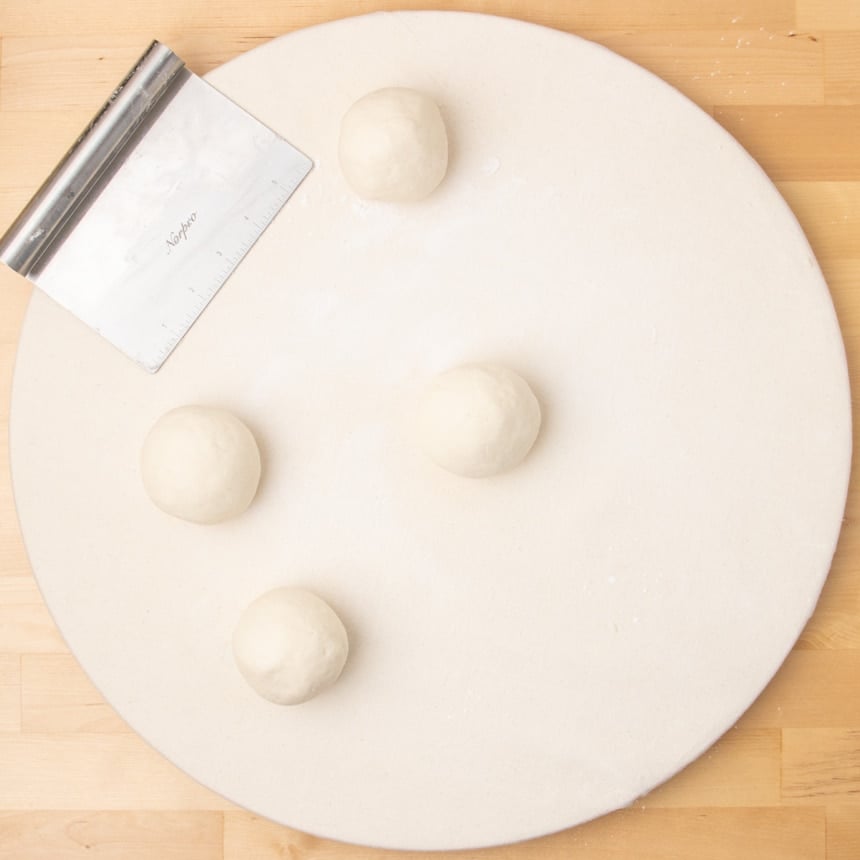
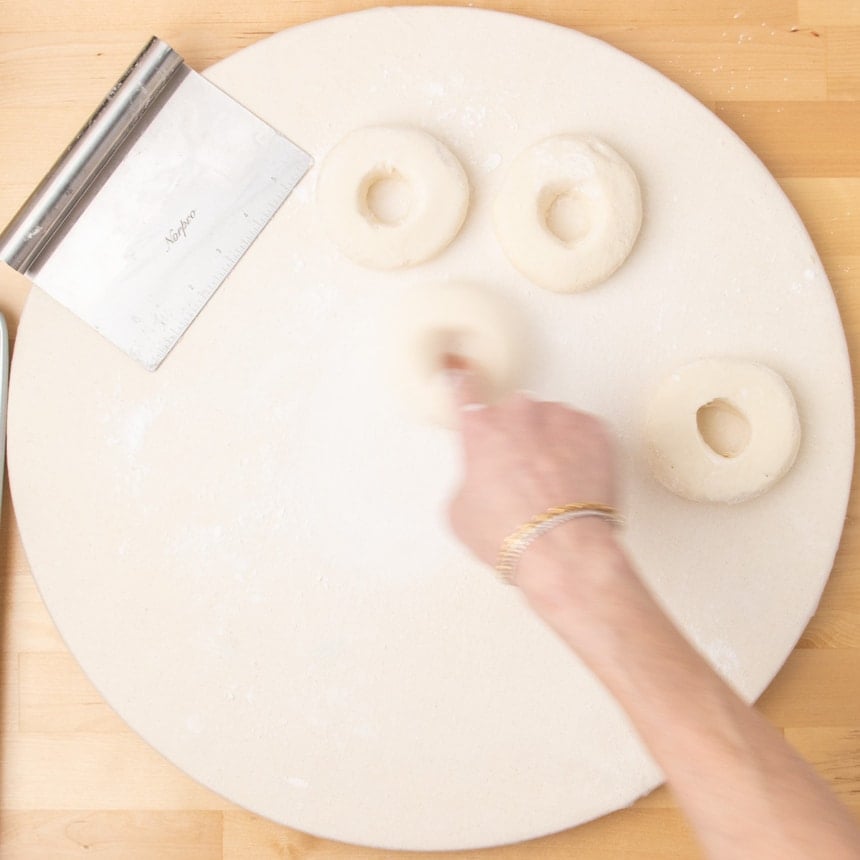
- Shaping the Bagels: Once chilled, the dough is placed on a lightly floured surface (using additional tapioca starch to prevent sticking). It is divided into eight equal portions, each weighing slightly over four ounces, ensuring even baking. Each portion is then shaped into a smooth round. A common technique involves cupping the hand around the dough and moving it in a circular motion on the surface, creating tension and a taut exterior.
- Forming the Iconic Hole: Each round is gently pressed into a disk. A floured finger is then used to create a hole in the center, working from both sides and rotating the dough to widen the opening to the classic bagel shape. This method is preferred over rolling a cylinder and joining the ends, which can lead to separation during cooking.
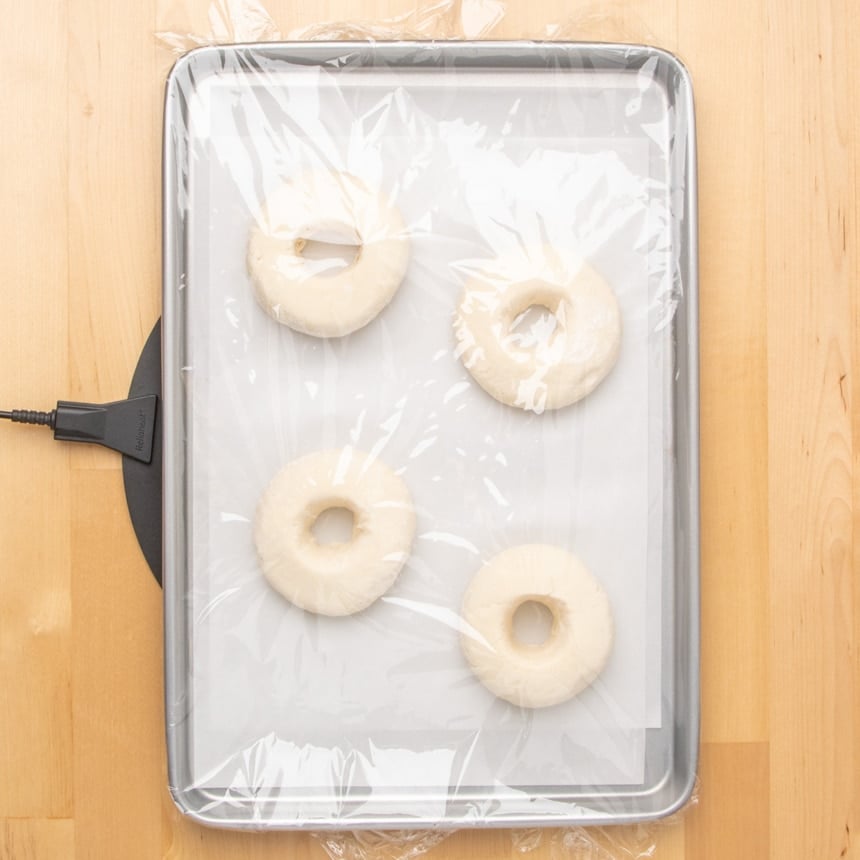
- The Second Rise: The shaped bagels are placed on parchment-lined baking sheets, spaced about two inches apart. They are then loosely covered with plastic wrap and allowed to rise for approximately 30 minutes, or until they have increased in size by about 50%. This is a delicate stage; overproofing can lead to the dough disintegrating during boiling.
- The Molasses Boil: A large pot of water is brought to a rolling boil, with unsulphured molasses added to the water. Each risen bagel is carefully boiled for less than one minute in total, flipped to ensure both sides are submerged. This crucial step sets the exterior and creates the signature chew.
- The Golden Bake: After boiling, the bagels are returned to the baking sheet. They are then brushed with an egg wash to promote browning and shine. Baking commences in a preheated oven at 375°F (190°C) for approximately 25 minutes. The bagels are rotated halfway through the baking process. They are ready when they exhibit a deep golden-brown color and register around 180°F (82°C) on an instant-read thermometer. A gentle press should result in the bagel springing back.
Expert Insights and Potential Substitutions
For optimal results, the choice of gluten-free flour blend is paramount. Blends that are well-balanced and contain a significant proportion of starches like tapioca starch are recommended. Poorly formulated blends may not yield the desired texture and structure.
- Stand Mixer Alternatives: While a stand mixer with a paddle attachment is ideal for achieving the necessary dough aeration, a food processor with a plastic dough blade can be used as an alternative. Careful pulsing and scraping are required to avoid overprocessing.
- Dairy-Free and Egg-Free Adaptations: For those with dairy sensitivities, coconut milk powder can substitute for milk powder, and vegan butter can replace traditional butter. For egg-free preparation, aquafaba (chickpea brine) can be used in place of egg whites, and melted butter or cream can serve as an egg wash substitute.
Broader Impact and Consumer Reception
The availability of a truly authentic gluten-free New York-style bagel has significant implications for the gluten-free community. It offers a beloved food item that was previously difficult to replicate at home with satisfactory results. This recipe not only provides a solution for dietary needs but also brings back a sense of culinary nostalgia and inclusivity.
The development of such recipes reflects a broader trend in the food industry: the increasing sophistication of gluten-free alternatives. As research into alternative flours and baking techniques advances, consumers can expect more high-quality, delicious options that cater to a wider range of dietary requirements without compromising on taste or texture. The success of this bagel recipe underscores the growing potential for innovative gluten-free baking to rival its traditional counterparts.
Storage and Enjoyment
Freshly baked gluten-free bagels are best enjoyed within a day. For longer preservation, they freeze exceptionally well. Slicing them horizontally before freezing ensures easy toasting. Properly stored, they can maintain their quality for up to three months. Whether enjoyed plain, toasted with butter and cream cheese, or as the foundation for a favorite sandwich, these gluten-free bagels offer a genuine taste of New York, now accessible to all.
