

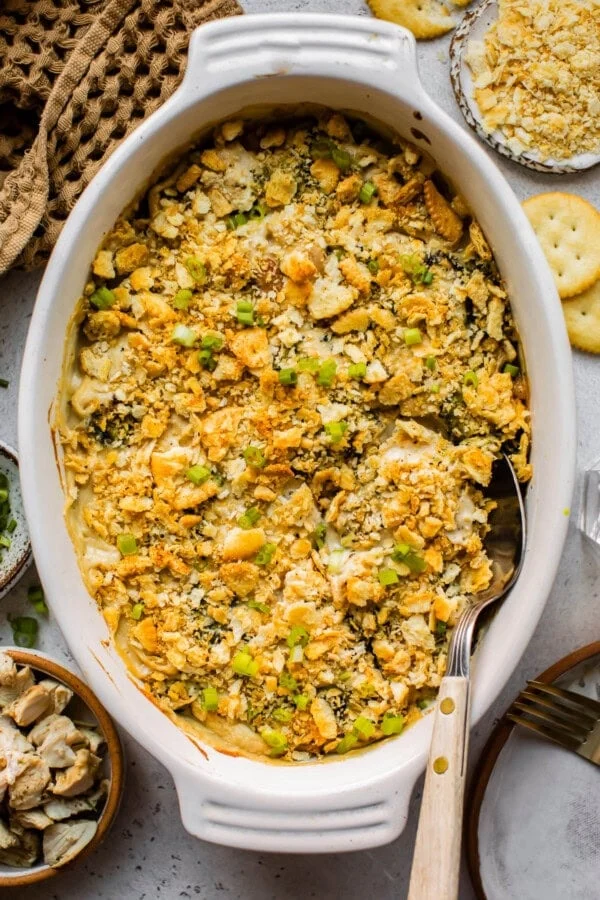
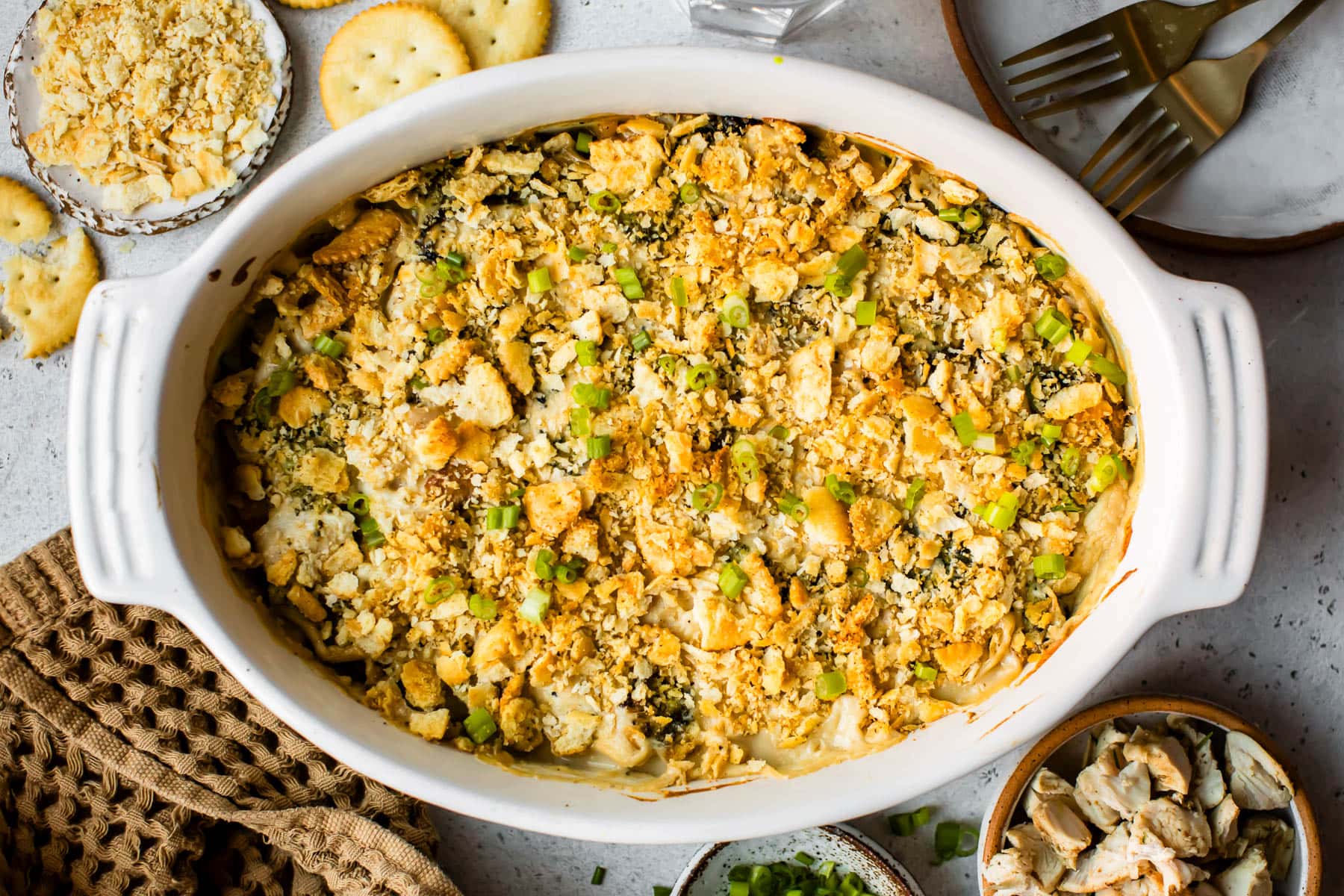
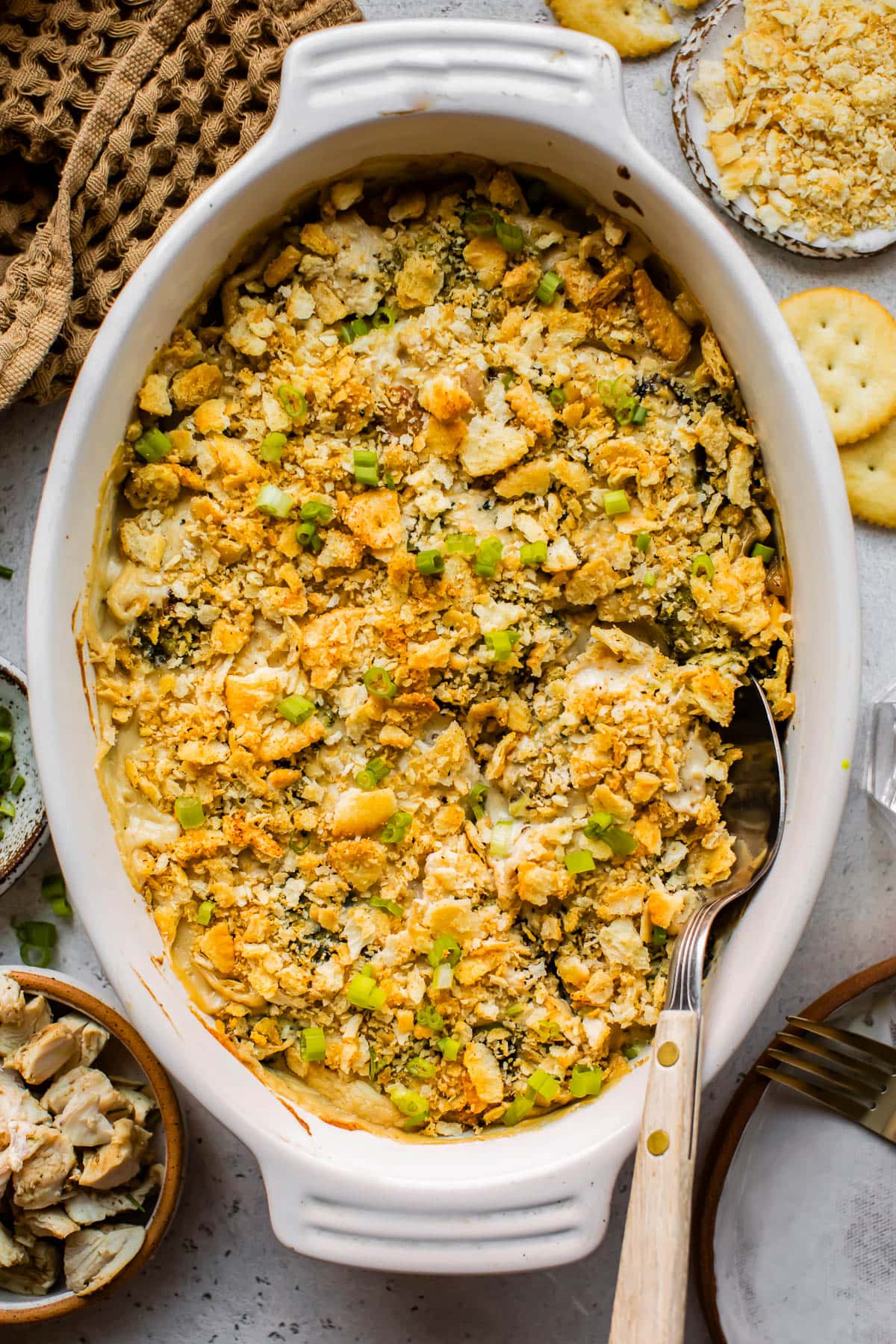
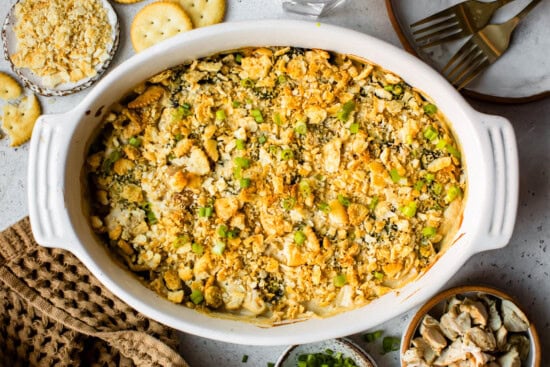
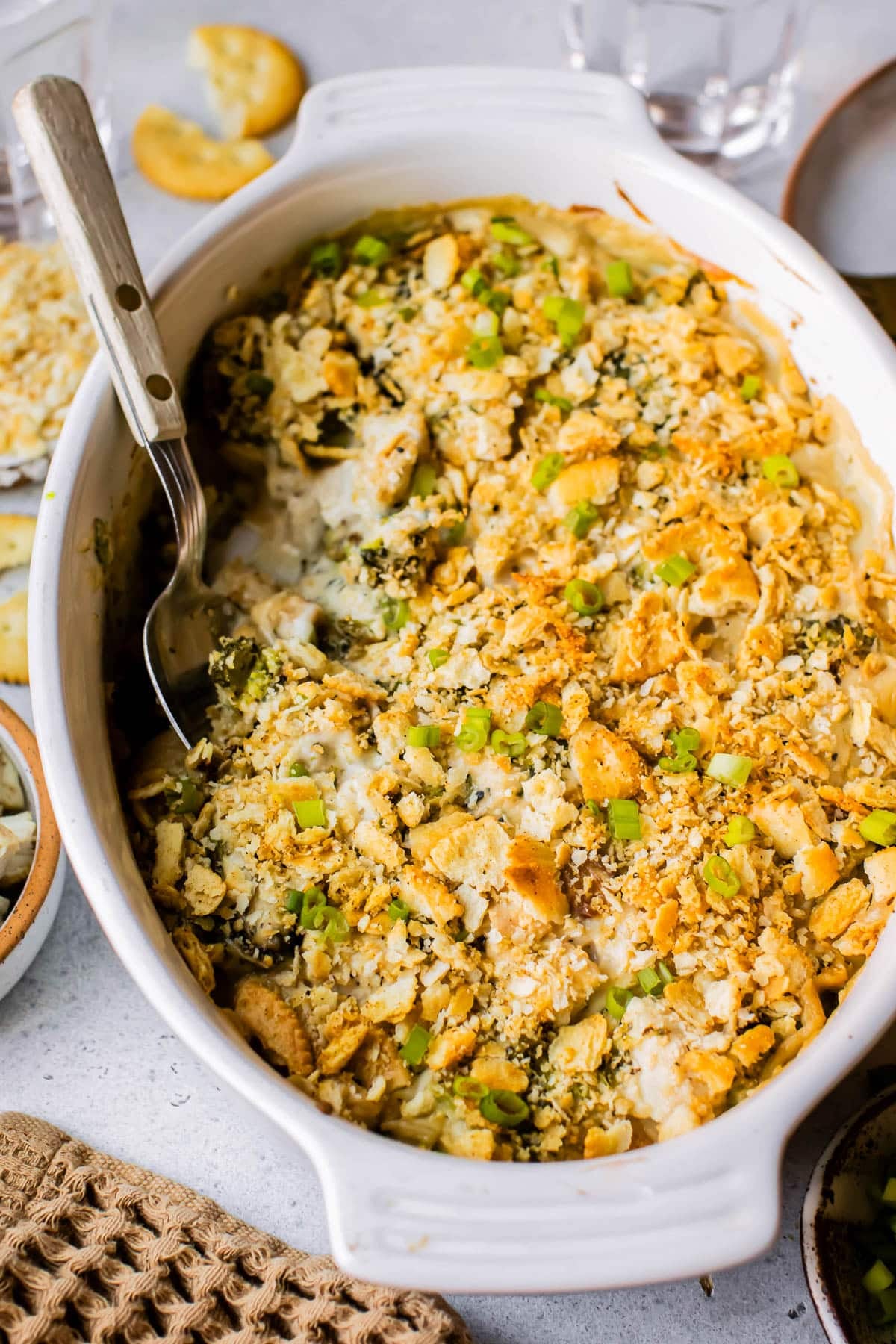
In a notable culinary development aimed at addressing the perennial challenge of holiday food waste and the growing consumer demand for healthier meal solutions, Skinnytaste, a prominent online platform for lightened-up recipes, has unveiled its "Leftover Turkey Casserole." This new offering transforms traditional Thanksgiving remnants into a high-protein, creamy casserole, distinguishing itself as a healthier iteration of the popular "Million Dollar Chicken Casserole" concept, complete with a golden, buttery cracker topping. The recipe’s introduction underscores a broader trend in home cooking that prioritizes sustainability, nutritional balance, and inventive repurposing of ingredients.
The initiative from Skinnytaste comes at a crucial time when households frequently grapple with an abundance of food following major holiday feasts. Thanksgiving, in particular, generates a significant volume of leftovers, leading to both culinary fatigue and, often, avoidable food waste. Estimates from organizations like the Natural Resources Defense Council (NRDC) suggest that Americans waste approximately 40% of their food supply annually, with holiday periods contributing disproportionately to this statistic. The "Leftover Turkey Casserole" directly tackles this issue by providing a structured and appealing method for consumers to utilize cooked turkey and roasted vegetables that might otherwise go uneaten.
The Evolution of Leftover Cuisine and Healthy Adaptations
The concept of transforming leftovers into new dishes is deeply rooted in culinary history, stemming from practical necessity and frugality. Casseroles, in particular, gained immense popularity in the mid-20th century, largely due to their convenience, ability to feed large families, and versatility in incorporating various ingredients, including leftovers. Dishes like "Million Dollar Chicken Casserole" became household staples, known for their rich, comforting profiles, often achieved through generous use of high-fat ingredients such as canned cream soups, mayonnaise, and ample cheese. While beloved for their taste and ease, these traditional casseroles typically presented a high caloric and fat content, making them less aligned with contemporary health guidelines.
The chronological shift towards more health-conscious eating began to accelerate in the late 20th and early 21st centuries. Driven by increased public awareness of nutrition, the rise of dietary science, and the proliferation of health-focused media, consumers started seeking ways to enjoy comfort foods without compromising their wellness goals. This trend spurred innovators in the culinary space, like Gina Homolka of Skinnytaste, to re-engineer classic recipes, focusing on ingredient substitutions and cooking methods that reduce fat, sugar, and sodium while enhancing nutritional value. The "Leftover Turkey Casserole" stands as a direct product of this ongoing culinary evolution, marrying the comforting familiarity of a casserole with modern nutritional sensibilities.

Key Ingredients and Nutritional Innovation
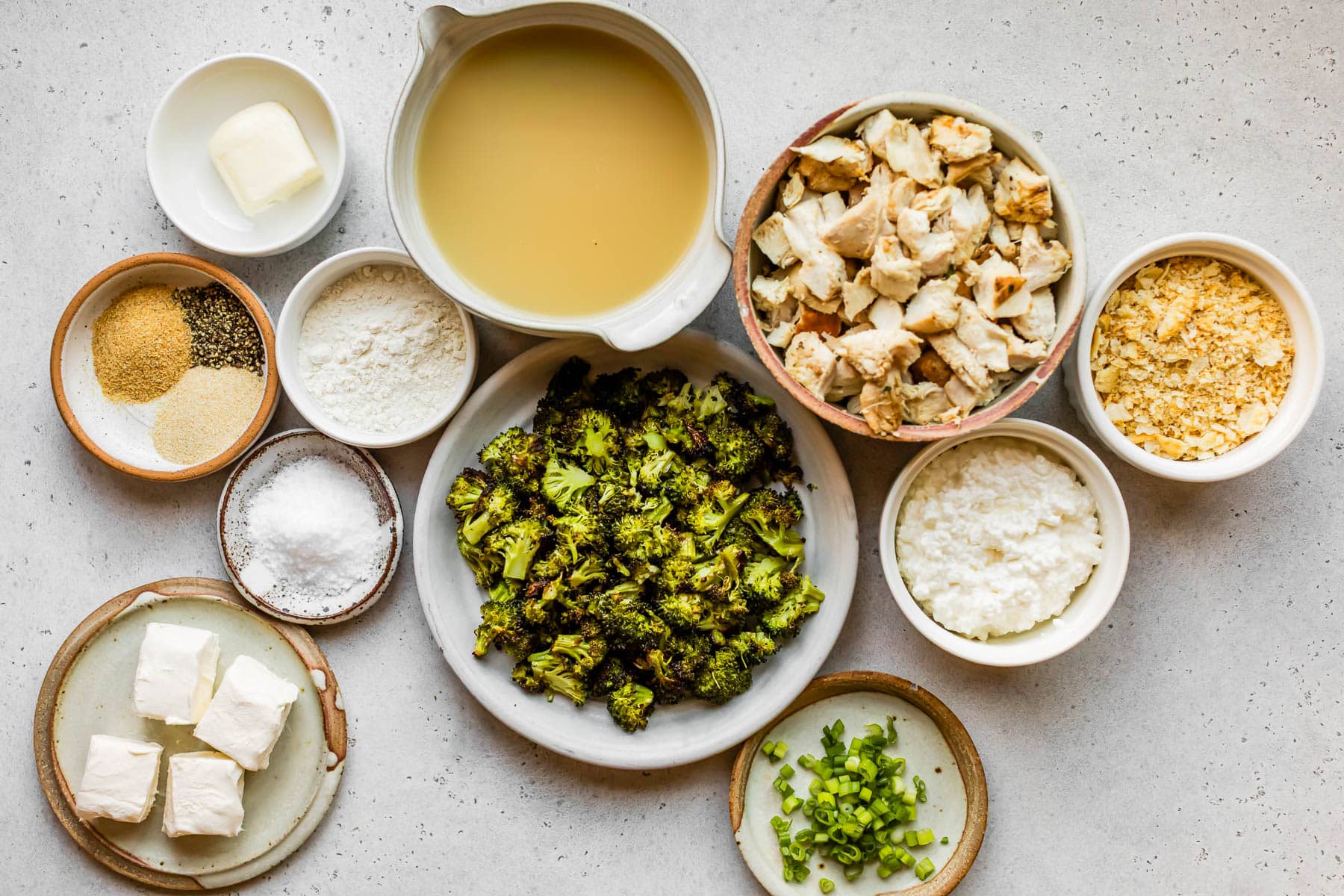
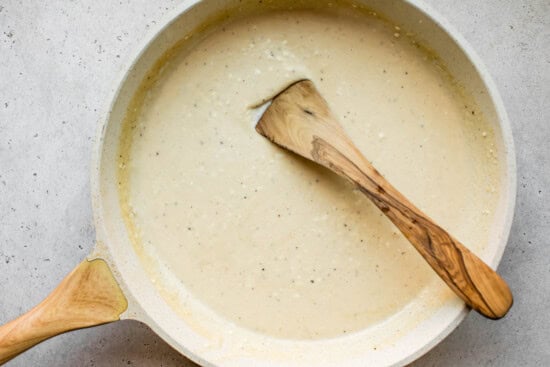
Central to Skinnytaste’s healthier approach is the strategic selection of ingredients. Instead of relying on traditional high-fat binders, the recipe leverages cottage cheese and a modest amount of cream cheese to achieve a creamy texture. This substitution is critical for two reasons: it significantly reduces the fat content associated with cream-based soups and mayonnaise, and it substantially boosts the protein content of the dish. Cottage cheese, known for its high protein profile and lower fat compared to many cheeses, contributes to a more satiating and nutritionally robust meal. The addition of cream cheese, used sparingly, helps maintain a desirable mouthfeel and richness without overwhelming the dish with excess calories.

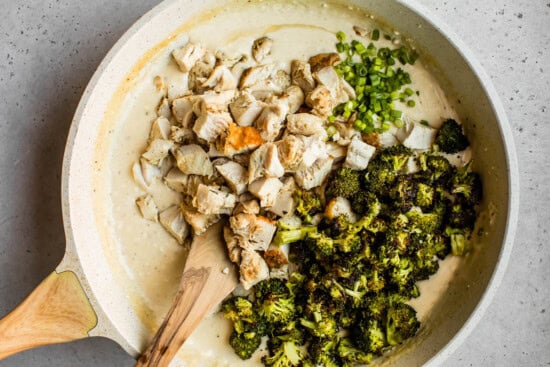
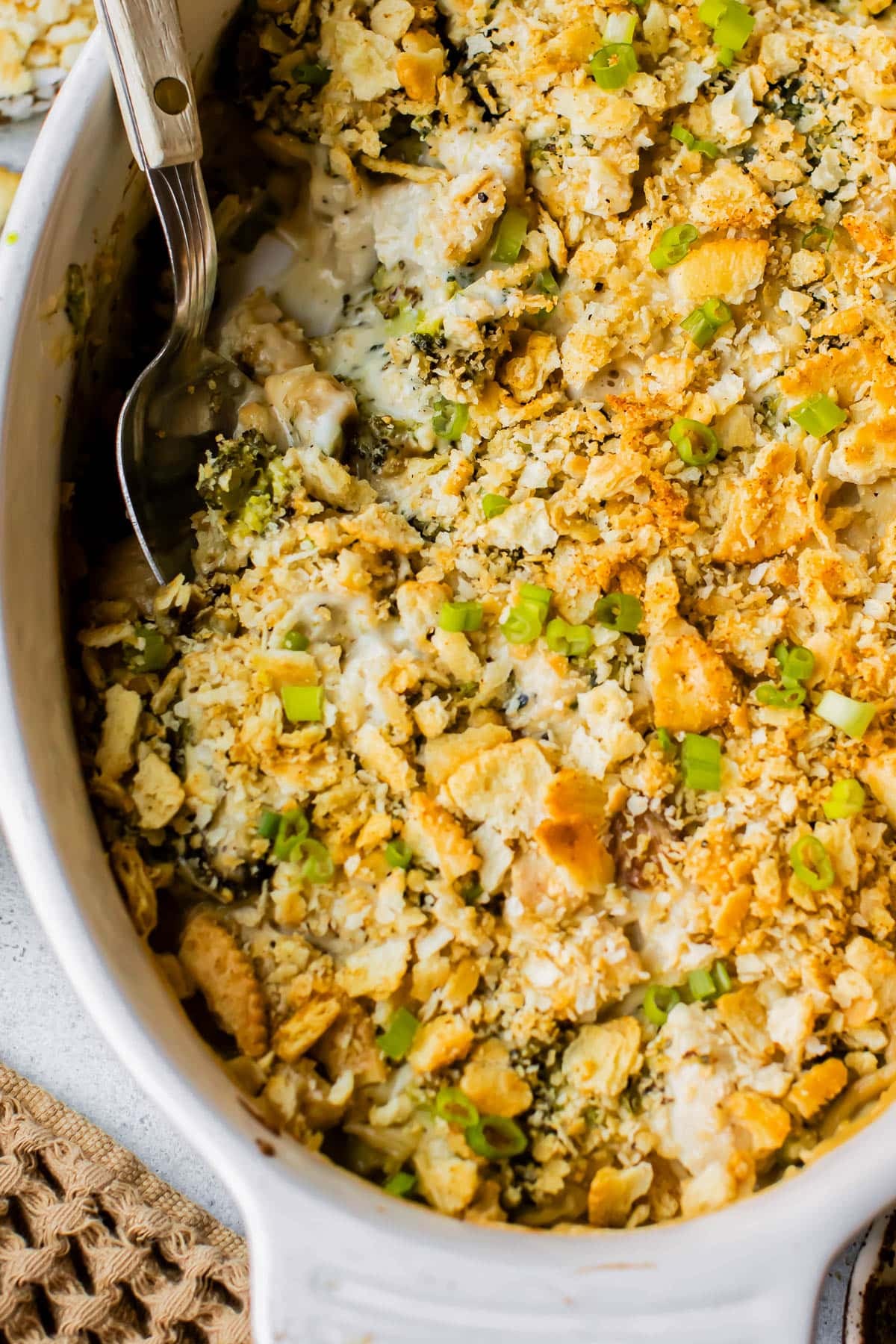
The primary components – leftover turkey and roasted vegetables – are inherent to the dish’s waste-reducing mission. The recipe encourages the use of any roasted vegetables remaining from the holiday meal, such as green beans, broccoli, or even root vegetables, providing flexibility and maximizing the utility of diverse leftovers. This adaptable nature not only simplifies meal preparation but also ensures that the nutritional benefits of these vegetables are retained and incorporated into a new, appealing format. The golden, buttery cracker topping, while a nod to traditional comfort food, is presented in a measured way to provide texture and flavor without negating the healthier base.
Supporting Data: Addressing Food Waste and Nutritional Impact
The societal and economic impact of food waste is substantial. According to the U.S. Environmental Protection Agency (EPA), food is the single largest category of material in municipal landfills, contributing to greenhouse gas emissions. Thanksgiving alone can see a spike in household food waste, with many homes discarding perfectly edible turkey, sides, and desserts. A recipe like the "Leftover Turkey Casserole" serves as a practical, household-level intervention against this waste, promoting a circular approach to food consumption where ingredients are valued and fully utilized.
From a nutritional standpoint, the casserole offers a compelling profile. With an estimated 350 kcal, 32 grams of protein, and 3.5 grams of fiber per serving, it presents a balanced meal that is high in protein, which is essential for muscle repair and satiety, and contains a decent amount of fiber from the vegetables. This contrasts sharply with many traditional casseroles, which can often exceed 600-800 calories per serving, with higher saturated fat and lower protein-to-calorie ratios. The emphasis on high protein and fiber makes this recipe particularly attractive to individuals monitoring their macronutrient intake or seeking meals that promote sustained energy and fullness.
Statements and Reactions from Related Parties
Gina Homolka, the founder of Skinnytaste, articulated the philosophy behind the new recipe, stating, "Our goal with the Leftover Turkey Casserole was to provide a truly satisfying and flavorful dish that not only helps families make the most of their holiday ingredients but also aligns perfectly with modern health and wellness objectives. We heard from our community about the challenge of post-holiday meal planning and wanted to offer a solution that feels indulgent yet remains mindful of nutritional balance. By utilizing ingredients like cottage cheese for creaminess and protein, we’ve created a dish that feels like a treat without the heavy impact."
Nutritionists and food sustainability advocates have lauded such innovations. Dr. Anya Sharma, a registered dietitian specializing in sustainable eating, commented, "Recipes like Skinnytaste’s Leftover Turkey Casserole are invaluable. They demonstrate that healthy eating doesn’t have to be restrictive or dull, especially when repurposing food. Reducing waste is a critical environmental imperative, and when combined with smart nutritional choices, it represents a win-win for both personal health and planetary well-being. The emphasis on high protein and using readily available roasted vegetables makes it an excellent model for resourceful home cooking."
Food industry analysts also recognize the broader implications. "The demand for ‘better-for-you’ comfort foods is a consistent trend," noted Michael Chen, a culinary market strategist. "Consumers are not just looking for healthy options; they want practical, accessible ways to integrate healthier choices into their existing culinary habits. Skinnytaste’s latest recipe taps into this by offering a familiar format with a health-conscious twist, addressing both the practical need for leftover utilization and the aspirational desire for healthier eating. This approach resonates strongly with a wide demographic, from busy parents to health-conscious millennials."
Broader Impact and Implications
The introduction of Skinnytaste’s Leftover Turkey Casserole carries several broader implications for the culinary landscape and consumer behavior. Firstly, it reinforces the growing importance of food waste reduction as a central theme in home cooking. As awareness of environmental impact grows, consumers are actively seeking strategies to minimize their ecological footprint, and innovative leftover recipes play a direct role in this effort.
Secondly, the recipe exemplifies the continuing evolution of comfort food. It demonstrates that traditional, beloved dishes can be reimagined to fit contemporary dietary needs without sacrificing flavor or the emotional appeal of familiar meals. This trend is likely to inspire further culinary innovation, encouraging chefs and home cooks alike to experiment with healthier ingredient substitutions and cooking techniques across a wider range of classic recipes.
Thirdly, it highlights the influence of digital platforms and food blogs in shaping modern dietary practices. Skinnytaste, with its extensive reach, can rapidly disseminate new culinary concepts and influence the cooking habits of millions. By offering a practical, health-conscious solution to a common post-holiday dilemma, the platform not only provides a valuable resource but also helps educate consumers on how to eat well and sustainably.
Finally, the recipe underscores the enduring appeal of communal and shared meals, even in their repurposed forms. Casseroles, by their very nature, are often associated with gatherings and communal enjoyment. By transforming holiday leftovers into a dish that can be shared anew, the Leftover Turkey Casserole extends the festive spirit and reinforces the cultural significance of food beyond the initial holiday feast. It serves as a testament to culinary adaptability, demonstrating how thoughtful preparation can transform the mundane into the extraordinary, contributing to both personal well-being and a more sustainable food future.
