

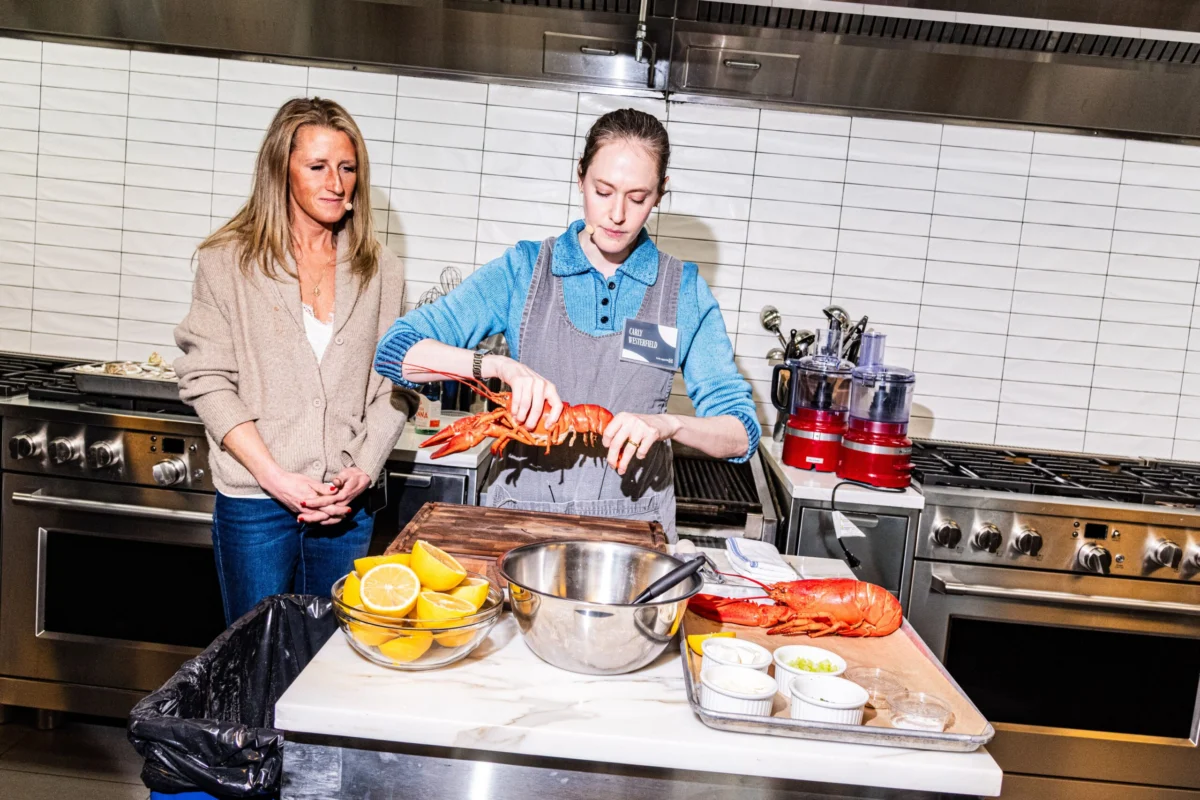
Attendees at the recent Bon Appétit Live event were immersed in the authentic flavors and sustainable ethos of Maine, thanks to a comprehensive program curated by Visit Maine. The multi-faceted showcase featured hands-on culinary classes and captivating demonstrations, highlighting the state’s iconic lobster and revered wild blueberries, while simultaneously underscoring a deep commitment to environmental stewardship and local enterprise. This strategic partnership between Bon Appétit, a leading authority in food and entertaining, and Visit Maine, the state’s official tourism office, served as a powerful platform to elevate Maine’s burgeoning culinary identity on a national stage.
A Deep Dive into Maine’s Culinary Identity at Bon Appétit Live
Bon Appétit Live, a premier culinary festival renowned for bringing the pages of the magazine to life, annually gathers food enthusiasts, acclaimed chefs, and innovative producers for immersive experiences. For its 2026 iteration, the event once again provided a dynamic environment for learning, tasting, and networking, with a particular focus on regional foodways and sustainable practices. Visit Maine’s prominent role in this year’s programming underscored a deliberate effort to position the state as a top-tier culinary destination, moving beyond its traditional association with lobster to showcase a diverse agricultural and marine bounty. The collaboration offered attendees a unique opportunity to connect directly with the producers and experts who embody Maine’s "sea to table" and "farm to table" philosophy, providing practical skills and a deeper understanding of food origins. The event’s structure, often involving multiple sessions and demonstrations across various kitchens and stages, allowed for a broad reach, engaging hundreds of participants over its duration.
Mastering Maine’s Maritime Treasures: Lobster and Oysters
A cornerstone of Maine’s presentation was the "Lobster 101" cooking class, an interactive session that demystified one of the state’s most celebrated delicacies. Led by Carly Westerfield, Bon Appétit’s Manager of Audience Strategy, and Krista Tripp, the visionary founder of Aphrodite Oysters in South Thomaston, Maine, the class provided an intimate look into preparing fresh Maine lobster. Participants were guided through the precise technique of breaking down a whole, steamed 2-pound Maine lobster, a process that revealed the tender meat from tail, claws, and knuckles. This hands-on experience culminated in transforming the freshly extracted lobster meat into a rich, creamy lobster dip – a versatile and elegant appetizer deemed "ideal for holiday hosting." The practical application of culinary skills, combined with expert guidance, empowered attendees to recreate a taste of coastal Maine in their own kitchens. Following the savory creation, guests indulged in the fruits of their labor, sampling the decadent dip with crisp Ritz crackers, an approachable pairing that allowed the lobster’s natural sweetness to shine. This tasting session seamlessly transitioned into an exploration of another quintessential Maine marine product: oysters.
Krista Tripp: From Lobster Harvester to Oyster Cultivation Pioneer

Krista Tripp’s journey from a traditional lobster harvester to a pioneering oyster cultivator captivated attendees, offering a glimpse into the evolving landscape of Maine’s working waterfront. Tripp, whose family roots run deep in the state’s fishing traditions, founded Aphrodite Oysters as a strategic diversification from her established lobster business. This shift was not merely a change in product but a testament to adapting to economic realities and embracing more sustainable aquaculture practices. Her Aphrodite Oysters, cultivated in the cold, nutrient-rich tidal waters of the Lower Weskeag River, are a testament to patience and pristine conditions, requiring three years to reach their optimal maturity. Tripp meticulously described the unique characteristics of her oysters: their distinctive fluted shells, a visual hallmark of quality, and their complex flavor profile – a harmonious balance of briny, mineral-rich notes complemented by a mellow, almost sweet finish. This "terroir of the sea" is a direct reflection of the unique environment in which they thrive, offering a true taste of the Penobscot Bay region.
The Environmental Imperative of Oyster Aquaculture
Beyond their culinary appeal, Tripp passionately articulated the profound environmental benefits associated with oyster farming and consumption. She emphasized that Aphrodite Oysters are not just a food source but active contributors to the health of the marine ecosystem. Each oyster, she explained, filters an impressive volume of water, up to 50 gallons daily, playing a crucial role in improving water quality. This filtration process involves taking in excess nitrogen, a common pollutant from agricultural runoff and wastewater, and sequestering some of it within their growing shells. Tripp’s declaration, "Eating an oyster is contributing to the environment," resonated deeply with attendees, highlighting a direct and delicious way consumers can support ecological restoration. She provided compelling evidence from her own farm, where water test scores have visibly improved since she began oyster cultivation, demonstrating the tangible impact of bivalves in fostering a healthier marine habitat. This ecological stewardship aligns with broader conservation efforts along the Maine coast, where sustainable aquaculture is increasingly recognized as a vital component of resilient coastal communities and ecosystems. The demonstration also included a practical segment on oyster shucking, where brave volunteers, under Krista’s expert guidance, learned the safe and effective technique. Protecting the hand holding the shellfish with a towel and gently working the knife into the hinge until the shell released allowed them to experience the immediate reward: another taste of the pristine Penobscot Bay, as fresh and invigorating as the waters themselves.
Celebrating Maine’s Terrestrial Gems: Wild Blueberries
Later in the day, the Demo Kitchen transformed into a celebration of Maine’s terrestrial treasures, specifically its iconic wild blueberries. Bon Appétit Senior Test Kitchen Editor Jesse Szewczyk prepared exquisite Cornmeal Shortcakes with Blueberry Compote, a dish that showcased the vibrant flavor of these indigenous berries. The compote featured wild Maine blueberries sourced from Brodis Blueberries, a venerable multigenerational family farm nestled in Hope, Maine, stewarded by Ron Howard and his family. Howard joined Szewczyk for the demonstration, providing a fascinating historical and ecological context for Maine’s wild blueberry industry. He proudly shared the remarkable statistic that 99% of the wild blueberries grown and harvested in the United States originate from Maine. This near-monopoly underscores the state’s unique climatic and geological conditions perfectly suited for these resilient plants.
Howard elaborated on the ancient lineage of wild blueberries, explaining that they have been growing in Maine since the end of the last Ice Age. As glaciers retreated, these tenacious plants, fortified by a symbiotic relationship with ericoid mycorrhizal fungi, began to colonize the newly exposed, acidic, and nutrient-poor land. This deep history highlights their intrinsic connection to the Maine landscape. Long before the modern "superfood" movement, wild blueberries were an incredibly important food source for Native American communities, who valued them for their nutritional density, medicinal properties, and versatility in traditional diets. Their historical and cultural significance far predates contemporary health trends, embedding them deeply within the heritage of the region.
Brodis Blueberries: Navigating Challenges with Innovation and Resilience

Ron Howard’s passionate discussion extended beyond history to address the contemporary challenges facing Maine’s wild blueberry growers. He spoke candidly about the significant economic pressures, including the impact of international tariffs and unfavorable currency exchange fluctuations, particularly the strengthening Canadian dollar. These external factors can severely affect the profitability and market competitiveness of Maine’s blueberry crops, as a substantial portion of the harvest is often sold to processors who operate across the border.
In response to these formidable obstacles, the Howard family, like many innovative Maine farmers, has embraced creativity and diversification. Ron Howard detailed several key investments and strategies that have allowed Brodis Blueberries to not only survive but thrive. They invested in new, more efficient harvesting equipment, which enabled the business to scale up its operations and meet the demands of larger retailers. This move was crucial for increasing productivity and reducing labor costs in a competitive market. Furthermore, they developed a shelf-stable, freeze-dried wild blueberry product with no added ingredients. This value-added product significantly extends the shelf life of their berries, allowing for wider distribution beyond local markets and providing a consistent revenue stream throughout the year. In a truly innovative step, Howard and his son ventured into the craft spirits industry, establishing a distillery where they skillfully transform their wild blueberries into unique eau de vie and vodka, tapping into a growing market for artisanal, locally-sourced spirits. Complementing these business innovations, Brodis Blueberries also initiated a "Wild Blueberry Weekend," opening their farm to the public. This agritourism initiative educates visitors about the unique benefits of wild blueberries, their distinctive growing process, and the family’s stewardship of the land, fostering a direct connection between consumers and producers.
Visit Maine’s Vision: Cultivating a Sustainable Culinary Destination
Carolann Ouellette, Director of the Maine Office of Tourism, articulated Visit Maine’s overarching strategy and profound connection to the state’s foodways. She emphasized that the most authentic way to experience Maine’s "diverse bounty" is by directly engaging with local growers and producers like Howard and Tripp. This approach transforms tourism into an immersive, educational, and supportive experience for local economies. Ouellette reflected on the inseparable relationship between people and nature in Maine, underscoring that "stewardship is an important part of the state’s identity." This ethos permeates every aspect of life in Maine, from its traditional industries to its burgeoning culinary scene.
Ouellette’s personal journey further illustrates Maine’s allure; she relocated to the state over 40 years ago after growing up in New Jersey. She vividly recalled childhood visits, where sensory memories like the "smell the pie or smell the spruce" imprinted themselves deeply, eventually drawing her to make Maine her permanent home. She described Maine as a place "filled with hard-working, welcoming communities that depend on one another," painting a picture of a resilient, interconnected society.
A few years ago, Visit Maine strategically began placing greater emphasis on the state’s culinary identity, recognizing its immense potential for tourism. Ouellette noted the significant growth in awareness of Maine as a premier food destination, proudly stating, "Sea to table with local ingredients is what we were doing before it was a thing." This highlights Maine’s long-standing tradition of sourcing and celebrating local ingredients, predating the modern farm-to-table movement. Beyond the ubiquitous lobster, Visit Maine has made intentional efforts to showcase the impressive breadth of the state’s agricultural, fishing, and heritage industries. Their newsletter and "Bountiful Plate" video series prominently feature a diverse array of local ingredients, including apples, potatoes, kelp, seaweed, and grains, illustrating the rich tapestry of Maine’s food production. Ouellette pointed out that Maine’s food culture is far more diverse than many people realize, and this abundance of local products has attracted a remarkable mix of exceptional chefs, many of whom are deeply embedded within their communities. She cited Krista Tripp’s practice of personally delivering her oysters to local restaurants as a prime example of this interconnected and collaborative hospitality ecosystem, where direct relationships between producers and chefs foster quality and community. Most importantly, Ouellette reiterated that sustainability and stewardship are not mere buzzwords but fundamental principles central to Maine’s approach to its food systems and its relationship with the land and sea. She concluded with a definitive statement that encapsulates Maine’s culinary promise: "You can’t get much fresher than food in Maine."
Economic and Cultural Implications of Maine’s Food Movement

The active promotion of Maine’s culinary identity, exemplified by its participation in events like Bon Appétit Live, carries significant economic and cultural implications for the state. Economically, culinary tourism is a powerful driver, attracting visitors who seek authentic, high-quality food experiences. These tourists often spend more on dining, local products, and accommodations, directly boosting revenue for restaurants, farms, fisheries, and small businesses across the state. The visibility gained from national platforms like Bon Appétit not only draws new visitors but also strengthens Maine’s brand as a destination committed to quality, sustainability, and local sourcing. This, in turn, supports the livelihoods of countless farmers, fishers, and food artisans, contributing to job creation and economic stability in both rural and coastal communities.
Culturally, the emphasis on "sea to table" and "farm to table" practices helps preserve and celebrate Maine’s unique heritage. By highlighting traditional industries like lobstering and blueberry farming, alongside innovative aquaculture and value-added products, the state reinforces its identity and ensures that these vital practices continue for future generations. The stories of producers like Krista Tripp and Ron Howard become narratives of resilience, innovation, and deep connection to the land and sea, inspiring both locals and visitors. This focus also fosters a greater appreciation for the provenance of food, encouraging consumers to make more informed and sustainable choices.
The Future of Maine’s "Sea to Table" Ethos
Looking ahead, Maine is poised to further solidify its reputation as a leader in sustainable food systems and culinary tourism. The state’s unwavering commitment to stewardship, combined with the innovative spirit of its producers, suggests a trajectory of continued growth and diversification. Initiatives like Visit Maine’s "Bountiful Plate" series and strategic partnerships with influential culinary media outlets will continue to expand awareness of Maine’s diverse offerings, from heirloom apples and potatoes to burgeoning kelp and grain industries. The interconnectedness of its hospitality ecosystem, where chefs, farmers, and fishermen collaborate closely, creates a robust and authentic food scene that is difficult to replicate. As consumers increasingly prioritize transparency, sustainability, and authentic experiences, Maine’s inherent strengths position it favorably to meet these demands. The success of its showcase at Bon Appétit Live serves as a powerful testament to the state’s enduring appeal and its vibrant future as a culinary beacon, where every meal tells a story of community, heritage, and environmental responsibility.
Bon Appétit LIVE 2026 was made possible through the generous support of its sponsors, including East Fork, Visit Maine, and S.Pellegrino® Sparkling Natural Mineral Water. Additional thanks are extended to All-Clad, As Ever, Bachan’s, Better Sour, Field Company, Floura, Gimme Seaweed, GOODLES, Graza, Hedley & Bennett, Kann Coffee, Material Kitchen, Misen, Owala®, Rip Van, SharkNinja, and Staub for their contributions to a successful and enriching event.
