

The Finnish Long Drink, known natively as "lonkero," represents a unique intersection of mid-century logistical necessity and modern beverage trends, evolving from a temporary solution for the 1952 Summer Olympics into a cornerstone of Finnish national identity and a growing international export. Originally conceived by the Hartwall brewery at the behest of the Finnish government, the beverage was designed to streamline alcohol service for the massive influx of international visitors to Helsinki. In the decades following its debut, the drink—a crisp blend of gin and grapefruit soda—has transcended its utilitarian origins to become a permanent fixture in the global Ready-to-Drink (RTD) market, characterized by a distinct flavor profile that balances tart citrus with botanical juniper notes.
The 1952 Helsinki Olympics: A Catalyst for Innovation
The genesis of the Finnish Long Drink is inextricably linked to the 1952 Summer Olympics held in Helsinki. This event was a landmark moment for post-war Finland, signaling the nation’s reintegration into the international community. However, the surge of approximately 600,000 visitors presented a significant challenge to the country’s strictly regulated hospitality sector. At the time, Finland operated under a state-controlled alcohol monopoly, and the labor-intensive process of mixing individual cocktails threatened to overwhelm bars and restaurants.
To mitigate this, the Finnish State Alcohol Monopoly (Alko) commissioned the Hartwall brewery to create a pre-mixed, bottled beverage that could be served quickly and consistently. The result was the "Gin Long Drink," a combination of Finnish gin and grapefruit soda. While the 1952 Games are often noted by historians as the first Summer Olympics since 1912 where medals were not awarded for art—a move that prevented local literary figures like Aale Tynni from defending her 1948 gold medal in Literature—the Long Drink emerged as an unofficial champion of the event. Though it was initially intended to be a seasonal product, its popularity among both locals and tourists ensured its survival long after the closing ceremonies.
Technical Specifications and Flavor Profile
The traditional Finnish Long Drink typically maintains an alcohol by volume (ABV) of 5.0% to 5.5%, though stronger variants reaching up to 7.5% or 8.0% have been produced for specific retail channels. The beverage is defined by its "cloudy" appearance, a result of the grapefruit juice and oils used in the carbonated soda component.
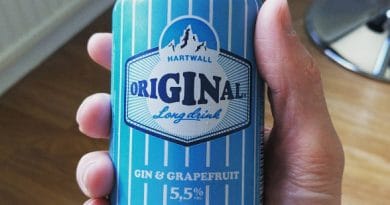
Sensory analysis of the market leader, Hartwall Original Long Drink, reveals a complex balance of flavors. On the nose, the drink presents prominent notes of white grapefruit flesh. The palate is characterized by an initial wave of acidic grapefruit, which is quickly followed by the dry, resinous notes of London Dry-style gin. Unlike many contemporary American "hard sodas," the authentic Finnish version is noted for its lack of cloying sweetness, offering a crisp, gently dry finish that mimics the refreshment of a Gin and Tonic but with a fuller citrus body.
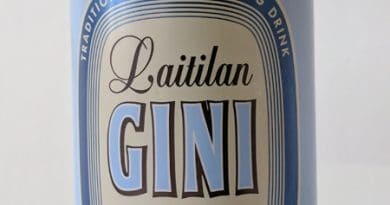
In contrast, secondary competitors such as Laitilan Gini Long Drink offer variations that lean more heavily into the fruit profile. Reviews of the Laitilan variant suggest a profile closer to ruby red grapefruit, where the juniper notes are more subdued, appealing to a demographic that prefers fruit-forward beverages over traditional spirit-forward cocktails.
Market Chronology: From Discontinuation to Global Export
The trajectory of the Long Drink has not been without interruption. In the 1970s, production of the original Hartwall formula was briefly discontinued. However, the decision was met with significant consumer backlash, driven by a combination of nostalgia and a genuine preference for the original recipe over newer substitutes. The subsequent return of the Hartwall Original sparked a resurgence in the category, leading other breweries to experiment with their own versions, including naturally fermented variations and those using different spirit bases.
Beginning in the mid-2010s, the Finnish Long Drink began a concerted push into international markets, transitioning from a local secret to a global commodity.
- 2015: Hartwall signed pivotal distribution agreements to introduce the product to shelves in the Netherlands, Sweden, and Belgium.
- 2016: The brand expanded into Asian markets, with a significant launch in Japan, where the culture of canned "Chu-Hi" cocktails provided a receptive environment for the gin-based RTD.
- Late 2010s to Present: The drink has inspired a cult following in the United Kingdom and North America. In cities like Brighton, UK, specialized bars have gained notoriety specifically for stocking the Finnish import, often being highlighted by international travelers on platforms such as TripAdvisor for their "quirky" and authentic offerings.
Comparative Mixology: Replicating the Lonkero Internationally
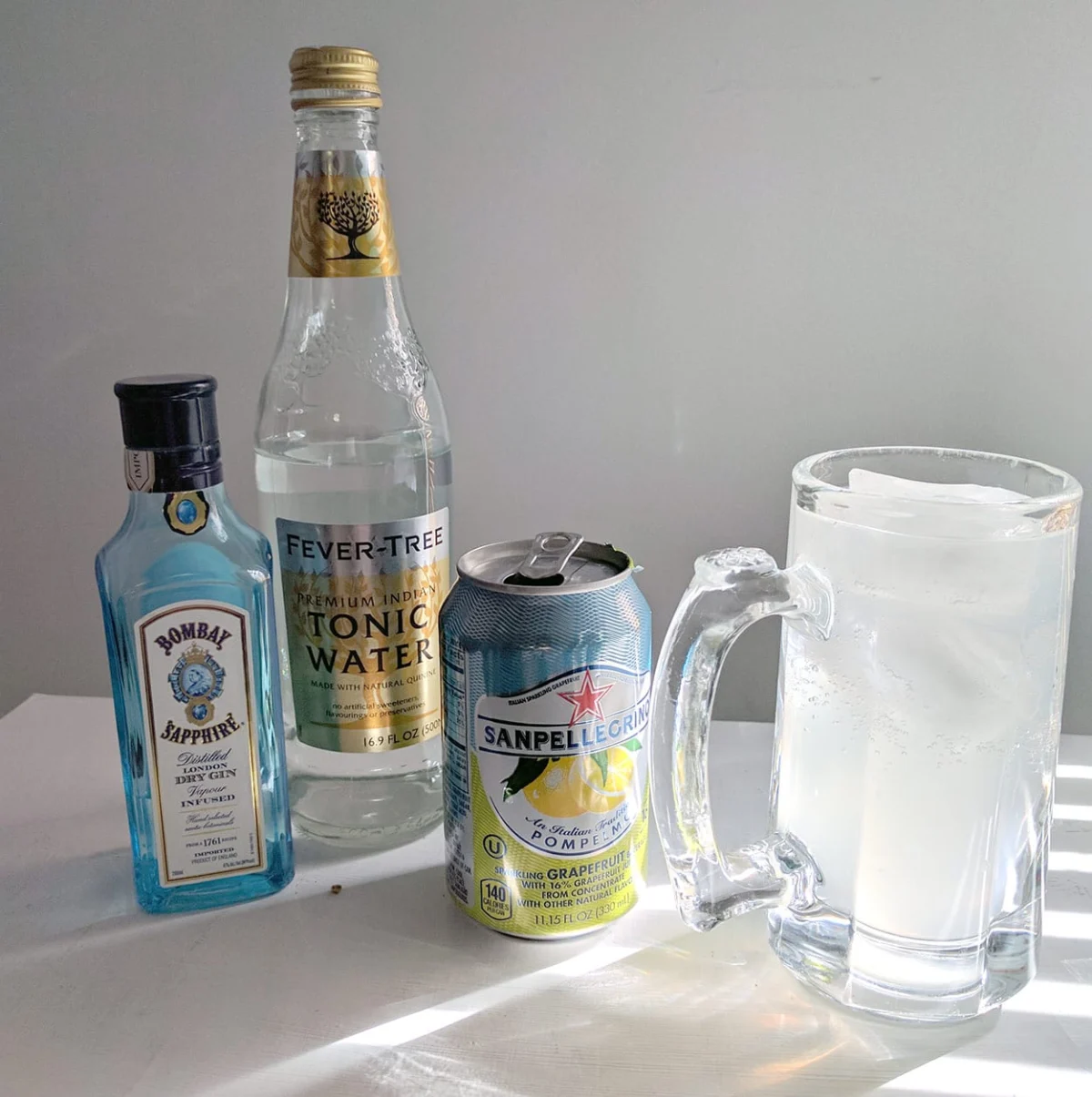
In regions where authentic Finnish imports are not yet widely available, a subculture of "DIY Lonkero" has emerged among gin enthusiasts. Replicating the specific mouthfeel and balance of the Finnish original requires a careful selection of carbonated mixers, as the standard "grapefruit soda" available in North America varies significantly in sugar content and acidity.
The Soda Trials
Experimental data suggests that popular citrus sodas yield varying results when paired with gin:
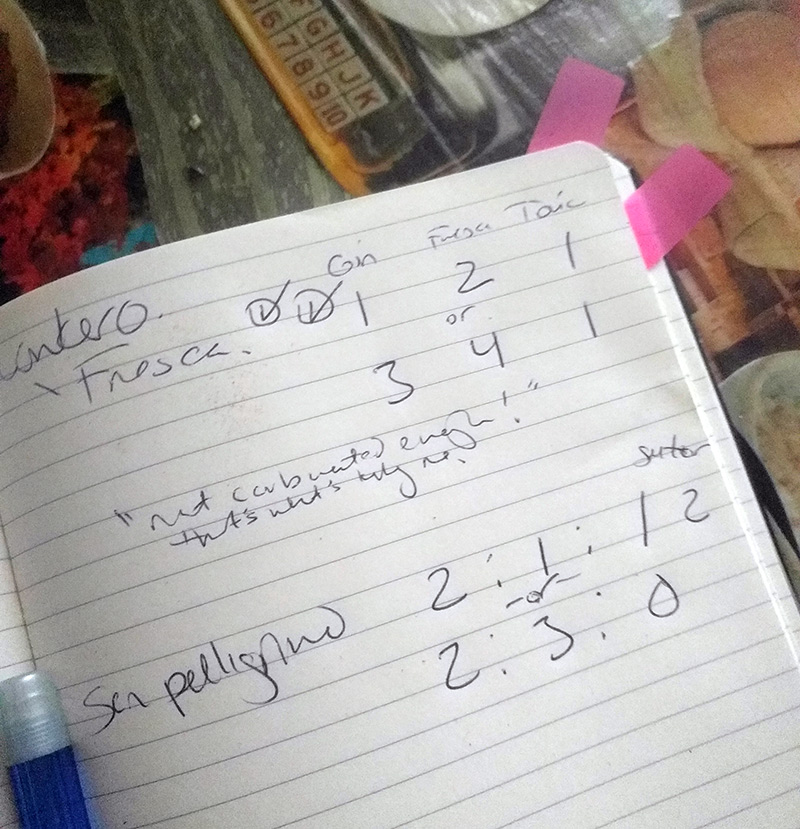
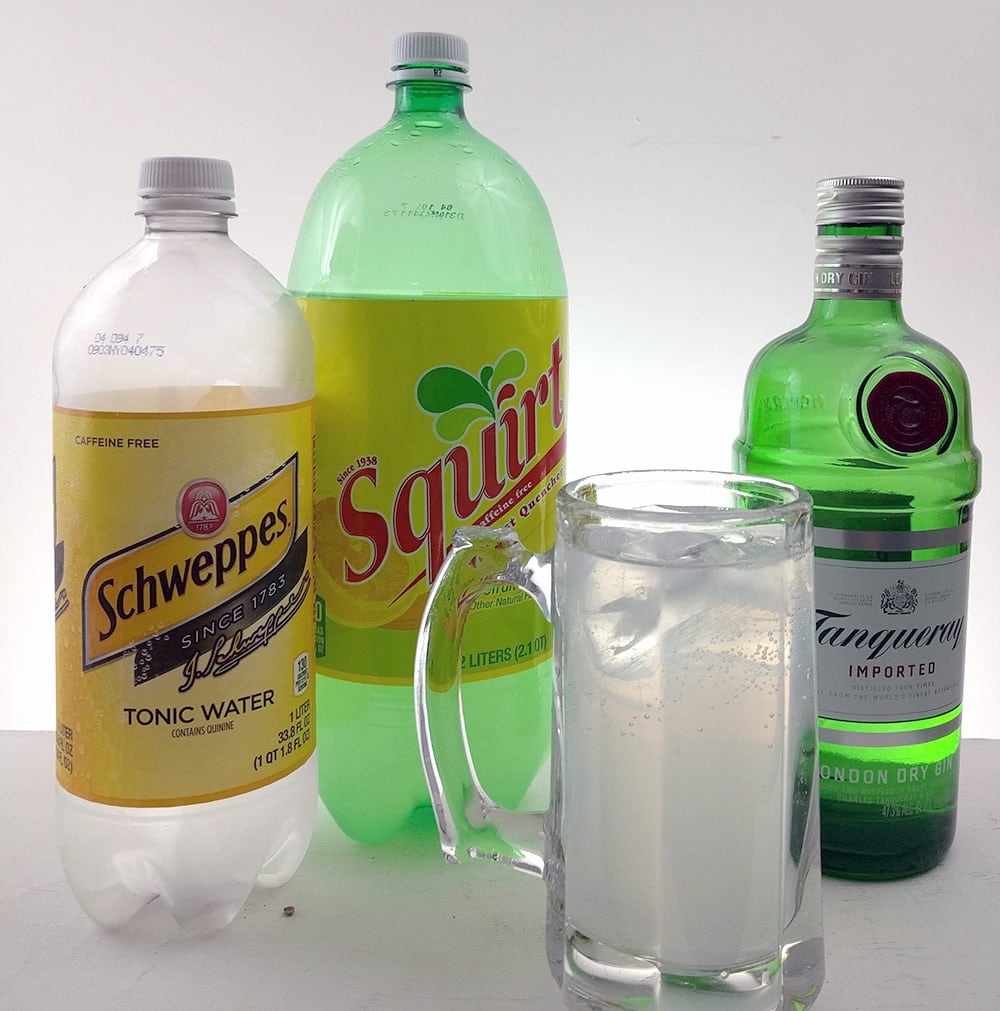
- Squirt (PepsiCo): While widely available, testing indicates that a ratio of four parts Squirt to three parts Tanqueray Gin results in a beverage that is excessively sweet. The addition of tonic water is required to introduce the necessary bitterness, yet it still fails to capture the dry finish of the Hartwall original.
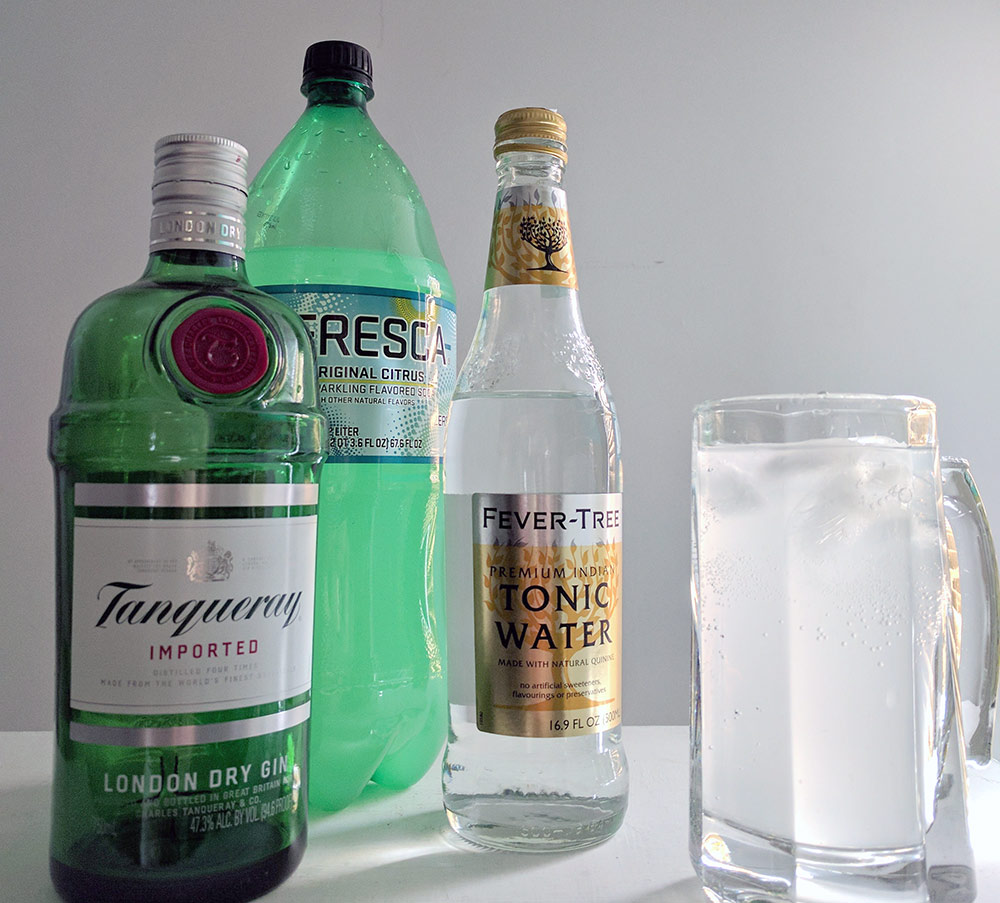
- Fresca (Coca-Cola): Industry experts and hobbyists alike have identified Fresca as the most accurate substitute for the Finnish grapefruit soda component. Its use of concentrated grapefruit juice and citrus oils, combined with a lower perceived sugar profile, closely mimics the "cloudy" gin-soda balance found in Helsinki.
- San Pellegrino Pompelmo: While high in quality, this sparkling fruit beverage is often deemed too tart and "zesty" for a traditional Long Drink, lacking the specific soda-syrup profile that defines the Finnish category.
The Fresh Ingredient Approach
For a more elevated recreation, mixologists have developed a "Fresh Lonkero" recipe that avoids commercial sodas. This involves:
- 1.5 oz London Dry Gin
- 0.75 oz Freshly squeezed white grapefruit juice
- 0.25 oz Fresh lemon juice (to mimic the citric bite of soda)
- 0.5 oz Simple syrup
- 3 oz High-quality tonic water
Despite the use of fresh ingredients, many purists argue that the "unreplicable" note of the Finnish Long Drink comes from the specific industrial carbonation and grapefruit oil blends used in Finnish factories, suggesting that the RTD format is essential to the drink’s identity.
Industry Implications and Economic Impact
The rise of the Finnish Long Drink coincides with a broader shift in the global beverage industry toward the Ready-to-Drink (RTD) category. According to market research, the RTD sector is expected to grow at a compound annual growth rate (CAGR) of over 12% through 2030. Within this space, consumers are increasingly moving away from malt-based beverages (like traditional hard seltzers) in favor of spirit-based canned cocktails.
The Finnish Long Drink is uniquely positioned to capitalize on this trend. Unlike many new entrants to the market, it possesses a 70-year heritage and a "proven" flavor profile. For Finland, the export of Lonkero is not just an economic endeavor but a form of cultural diplomacy. The drink is a staple of Finnish sauna culture and summer celebrations, and its international success provides a platform for Finnish distilleries to showcase their gin production capabilities.
Future Outlook
As the beverage continues its expansion across two continents, the primary challenge remains distribution and consumer education. In North America, the "Long Drink" name is often confused with the "Long Island Iced Tea," necessitating marketing campaigns that emphasize its refreshing, low-ABV, and grapefruit-centric nature.
However, the "cult" status of the drink suggests a bright future. The success of Finnish-style long drinks in the United States—aided by celebrity endorsements and the founding of companies dedicated solely to the Finnish recipe—indicates that the "Olympic drink" of 1952 has finally found its place on the global stage. Whether served from a tap in a Helsinki sauna or a can in a New York bar, the Finnish Long Drink remains a testament to the idea that a temporary solution to a logistical problem can, with the right flavor profile, become a timeless national treasure.
