

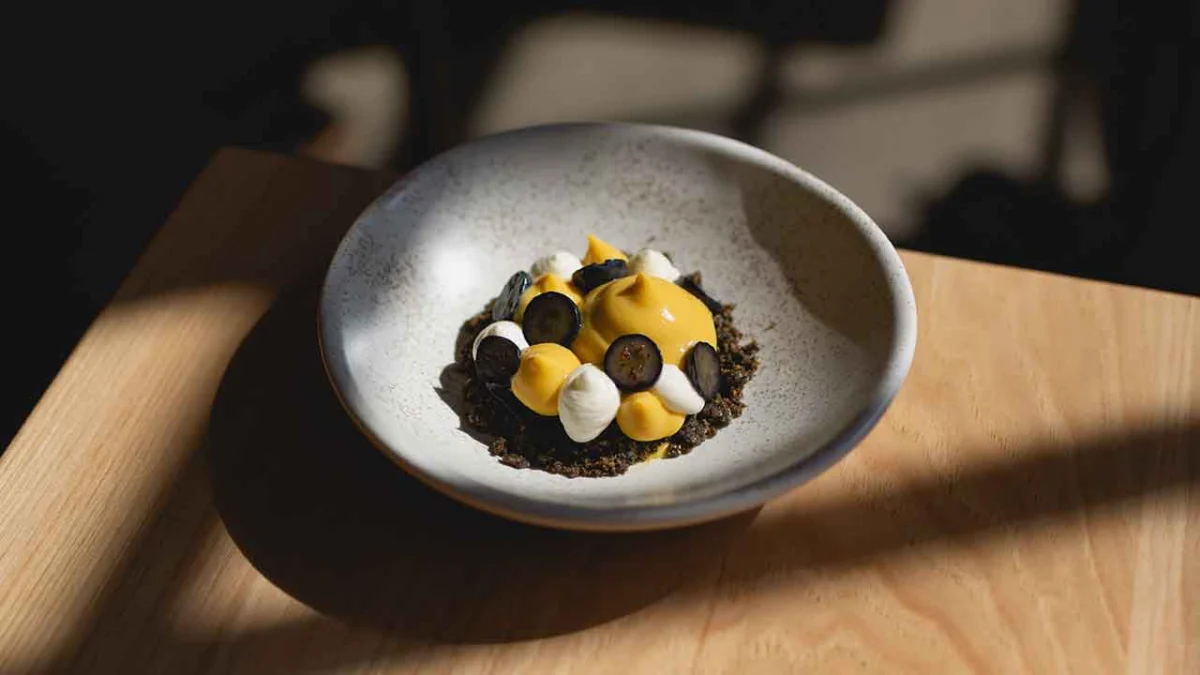
The culinary landscape is experiencing a profound shift, with consumers increasingly seeking dessert experiences that transcend the traditional sugary finale. A growing appetite for less-sweet, globally inspired, and intriguingly savory-sweet mashups is redefining the dessert menu, presenting significant opportunities for restaurant operators to capture incremental sales and appeal to a broader range of diners. This evolution in consumer preference is not merely a fleeting trend but a testament to a more adventurous and globally aware palate, driven by increased exposure to diverse cuisines and a desire for novel taste sensations.
Innova Market Insights’ "Desserts & Sweet Treats – Global" report underscores this movement, revealing that savory-sweet combinations are delivering both novel flavor profiles and a sense of excitement for consumers. Crucially, the report highlights that a substantial 42% of global consumers actively prefer a blend of familiar and novel elements in their food choices. This data point is pivotal, indicating that the success of these innovative desserts lies not in their complete departure from the known, but in their ability to skillfully integrate unexpected elements into comforting and recognizable formats. This balance between the familiar and the adventurous is proving to be the key ingredient in captivating a wider audience, including those who might typically bypass dessert altogether.
The Art of Culinary Juxtaposition: Sweet Meets Savory
At the forefront of this movement is Michael Kurowski, the executive pastry chef for Secret Sauce Food & Beverage, a company overseeing prominent Denver establishments like Steuben’s and Ace Eat Serve. Kurowski embodies the philosophy of culinary innovation through thoughtful juxtaposition. "When I’m creating desserts for Ace Eat Serve, I always try to find that balance between something familiar and something a little unexpected," he stated in a recent interview. "I love taking something people already know and love and giving it a different perspective without losing what makes it comforting in the first place." This approach acknowledges the inherent appeal of nostalgic flavors while daring to infuse them with novel twists that intrigue and delight.
Kurowski’s creative process has yielded several standout examples of this sweet and savory synergy. The Thai Tea Carrot Cake, for instance, emerged from a desire to re-imagine a classic dessert. By incorporating the distinct aromatic qualities of Thai tea – notes of vanilla, warm spices, and a subtle earthiness – Kurowski has added a sophisticated layer of complexity to the familiar comfort of carrot cake. "It felt like a natural combination," he remarked, emphasizing how the Thai tea’s flavor profile harmonizes with the inherent characteristics of the cake, creating a more nuanced and engaging dessert experience.
Another noteworthy creation from Kurowski’s kitchen is the Chocolate Miso Tart. This dish masterfully combines the richness and depth of chocolate with the complex, umami-rich notes of miso. Far from being a jarring combination, the miso imparts a salty, earthy quality that doesn’t compete with but rather enhances the chocolate’s inherent sweetness. This intentional use of a traditionally savory ingredient in a dessert context mirrors established flavor pairings like salt in chocolate chip cookies or the popular salted caramel. "Miso is traditionally thought of as a savory ingredient, but can add depth to a dessert," Kurowski explained, highlighting the inherent flexibility of ingredients and the power of unexpected pairings to elevate familiar tastes. The tart exemplifies how a well-executed savory element can actually amplify the perception of sweetness, making the overall flavor profile more dynamic and satisfying.
The growing acceptance of these innovative desserts is also a reflection of evolving consumer palates. "People’s palates are becoming more adventurous," Kurowski observed. "There’s so much more exposure to global cuisines, whether that’s through restaurants, travel, or social media." This increased global culinary literacy means consumers are more open to trying and appreciating ingredients and flavor combinations that might have once seemed unconventional. The digital age, in particular, has democratized access to culinary knowledge and inspiration, exposing a wider audience to the rich tapestry of global food traditions.
Global Flavors Take Center Stage in Dessert Innovation
The influence of global flavors on dessert menus is not a new phenomenon, but chefs are now pushing the boundaries further, integrating these tastes into unexpected sweet applications. At Firstborn in Los Angeles, pastry chef Jaime Craten has been exploring the potential of ingredients like corn in her dessert creations. A recent example is the corn sabayon, a dish that has garnered significant attention for its innovative approach.
"Corn has definitely had a moment recently, with seemingly everyone featuring some version of it on their menus, whether savory or sweet," Craten commented. Her inspiration for the corn sabayon stemmed from the prevalence of corn-based desserts across Asia. "Corn desserts are popular throughout Asia, so I wanted to approach the dish using other familiar Asian flavors and textures." This approach highlights a thoughtful fusion of a trending ingredient with established, yet globally diverse, culinary traditions.
Craten further elaborated on the versatility of corn, noting its natural affinity for salty flavors. "The dish came together after just a few tests, and even I was surprised by how savory it turned out," she admitted. "It’s salty, sweet, chewy, and crunchy all at once. I knew it was a hit before the menus were even printed." The success of the corn sabayon lies in its multifaceted textural and flavor profile, offering a complex sensory experience that appeals to a wide range of preferences. This multi-dimensional approach to dessert creation is key to engaging diners who are seeking more than just a one-dimensional sweet finish to their meals.
The appeal of such novel desserts extends beyond mere curiosity; it taps into a fundamental craving for new experiences. The intention is to provide diners with an alternative to the predictable, overly sweet, or bland endings that have characterized traditional dessert offerings. This aligns with broader trends in the food industry, where consumers are actively seeking out unique and memorable culinary journeys.
"I think the growing availability of Asian ingredients has also played a role, making these flavors and combinations more familiar and accessible," Craten suggested. The increasing presence of Asian ingredients in mainstream markets and restaurants has demystified these flavors, making them more approachable for a wider consumer base. This accessibility is crucial for the continued growth of savory and globally inspired desserts. "As long as the dish is well-balanced, I believe it can appeal to dessert haters and savory fanatics alike," she concluded, emphasizing the potential for well-executed innovative desserts to bridge culinary divides.
Beyond corn and miso, other globally influenced ingredients are making significant inroads into the dessert market. Innova Market Insights has identified red bean as the fastest-growing flavor in the global desserts market. This ingredient, a staple in many Asian desserts, offers a subtle sweetness and a unique texture that resonates with consumers seeking authentic and less conventional options. Additionally, falooda, a traditional South Asian dessert beverage, and matcha, the vibrant green tea powder, are increasingly appearing on dessert menus, signaling a growing appreciation for diverse cultural culinary traditions. Matcha, in particular, has found its way into pastries, ice creams, and baked goods, lending its distinctive flavor and striking color to a wide array of treats.
Implications for the Restaurant Industry: A New Frontier for Sales and Loyalty
The rise of savory desserts represents a significant opportunity for restaurant operators. By strategically incorporating these innovative offerings, establishments can not only expand their dessert sales but also attract a new demographic of diners who might otherwise forgo an after-dinner treat. This is particularly relevant in an era where consumers are increasingly discerning and actively seeking unique dining experiences.
The data from Innova Market Insights suggests a strong market for these unconventional desserts, with a significant portion of consumers actively seeking out novel flavor combinations. This indicates that restaurants that embrace this trend are not just catering to a niche market but are tapping into a growing mainstream preference. The ability to offer a dessert that appeals to someone who typically avoids sweets, or to delight a seasoned dessert enthusiast with something entirely new, is a powerful differentiator in a competitive market.
Furthermore, the trend towards globally inspired flavors aligns with the broader narrative of culinary exploration and cultural appreciation. Restaurants that can authentically integrate these flavors into their dessert menus can enhance their brand image, positioning themselves as forward-thinking and culturally attuned establishments. This can foster stronger customer loyalty and attract diners who are passionate about experiencing diverse culinary traditions.
The implications for menu development are substantial. Chefs are encouraged to experiment with a wider range of ingredients and flavor profiles, moving beyond the traditional sweet spectrum. This could involve exploring ingredients like black garlic, various types of mushrooms, or even fermented products in dessert applications, always with a focus on balance and harmony. The success of dishes like the corn sabayon and the chocolate miso tart demonstrates that when executed with culinary expertise, these unconventional pairings can result in truly memorable and craveable desserts.
The trend also has the potential to boost profitability. Savory desserts, particularly those incorporating unique or artisanal ingredients, can often command a premium price point. This, combined with the ability to attract a wider customer base, can lead to significant revenue growth. Moreover, in an era where food waste is a growing concern, the versatility of ingredients like corn or red bean, which can be used in both savory and sweet applications, offers operational efficiencies.
In conclusion, the shift towards savory desserts is more than just a culinary fad; it is a reflection of evolving consumer tastes, increased global culinary awareness, and a desire for more complex and nuanced dining experiences. Restaurants that embrace this trend, with a focus on thoughtful ingredient integration and balanced flavor profiles, are well-positioned to innovate, attract new customers, and ultimately, redefine the art of the dessert course. The sweet revolution, it appears, is taking a decidedly savory turn, promising a more exciting and diverse future for dining.
