

This week’s culinary and cultural landscape saw a diverse array of headlines, from the somber closure of a Massachusetts bar caught in a pandemic-era policy storm to a high-stakes debate over foie gras in the nation’s capital. Meanwhile, a beloved American restaurant chain found itself unexpectedly thrust into political discourse, the fate of Alaska’s midterm elections appeared inextricably linked to its iconic salmon, a colossal merger reshaped the food delivery industry, and a new museum restaurant in Los Angeles captured critical attention. These stories collectively paint a vivid picture of the intersecting forces of public health, ethics, politics, economy, and culture shaping our contemporary world.
The Last Ditch Bar Closure: A Microcosm of Post-Pandemic Challenges
Greenfield, Massachusetts, a town known for its vibrant community and independent spirit, recently witnessed the closure of Last Ditch, a lesbian bar that had become an unexpected focal point of national debate. The establishment, which had initially gained a reputation for its stringent COVID-conscious mask restrictions, found itself at the center of a social media "tornado" when it relaxed these very mandates. This decision, intended perhaps to broaden its appeal or respond to evolving public sentiment, instead ignited a furious backlash within its local community, highlighting the deep divisions that persist regarding public health measures.
The controversy erupted several weeks ago when Last Ditch announced its updated policy, moving away from mandatory masking. This shift, while mirroring a broader trend as societal norms adjusted to a post-peak pandemic reality, was met with intense scrutiny and criticism from patrons and community members who valued the bar’s previous commitment to high-level safety protocols. Social media platforms became the primary battleground, with posts and comments quickly escalating into a deluge of discourse, ridicule, and media coverage, notably from The Boston Globe, which amplified the local drama onto a wider stage. The bar, once a sanctuary for many, found itself navigating a polarized environment where its business decisions were interpreted through the lens of public health ethics and community values.
Despite — or perhaps precisely because of — its newfound, albeit unwelcome, infamy, Last Ditch struggled to attract sufficient clientele to sustain operations. The intense scrutiny and internal community friction seemingly outweighed any potential benefit from relaxing its rules or the publicity generated by the controversy. Owners, grappling with the economic realities of a small business caught in a cultural crossfire, announced the bar’s closure as it now seeks new co-owners or a complete sale. This situation serves as a poignant illustration of the precarious tightrope small businesses, particularly those with a strong community identity, must walk when navigating public health policies, evolving social expectations, and the swift, often unforgiving, currents of social media. The future of Last Ditch remains uncertain, a testament to the enduring challenges faced by establishments trying to adapt in a world still grappling with the pandemic’s multifaceted aftermath.
Foie Gras in the Crosshairs: Washington D.C. Debates a Culinary Ban
The culinary world in Washington D.C. is abuzz this week as residents prepare to vote on a proposed ban on foie gras, a delicacy traditionally produced by force-feeding ducks or geese to enlarge their livers. This initiative has reignited a long-standing ethical debate, pitting animal welfare advocates against prominent chefs and restaurateurs who view foie gras as an integral part of high-end cuisine. The discussion underscores the complex interplay between gastronomic tradition, animal rights, and local governance.
Foie gras production, known as "gavage," involves force-feeding birds through a tube several times a day for a few weeks before slaughter. Proponents of the ban argue that this practice constitutes animal cruelty, causing undue suffering to the birds. Animal welfare organizations, such as the Humane Society of the United States and PETA, have long championed bans, citing scientific evidence of distress and advocating for more humane farming practices. These groups often highlight graphic imagery and investigations into foie gras farms to sway public opinion and legislative bodies.
Conversely, a contingent of D.C.’s culinary elite has come out firmly in defense of foie gras, arguing against the proposed ban. Among the most vocal is acclaimed chef José Andrés, who has publicly stated his opposition. Andrés’s argument extends beyond mere culinary preference; he posits that singling out foie gras overlooks broader, more systemic issues within the American food system. He contends that many other animals raised for consumption in the U.S. endure mistreatment, and that focusing solely on foie gras distracts from more pressing societal concerns such as child hunger and widespread food insecurity. His stance reflects a pragmatic view that while animal welfare is important, the scope of ethical consideration should be wider and prioritized.
The debate in D.C. is not isolated. Jurisdictions across the United States and internationally have grappled with similar questions. California notably banned the production and sale of foie gras in 2004, a ban that has faced numerous legal challenges and temporary reversals but remains largely in effect. New York City also passed a ban in 2019, though its implementation has been delayed by lawsuits. These precedents highlight the legal and economic complexities involved, with producers and restaurants often arguing against bans on grounds of economic impact and cultural freedom. Chefs who oppose the ban in D.C. echo these concerns, fearing that such legislation could set a precedent for further restrictions on culinary ingredients and practices, potentially stifling gastronomic innovation and impacting the city’s vibrant dining scene. The outcome of D.C.’s vote will not only determine the fate of foie gras in the capital but could also send a powerful message, influencing similar debates in other cities and states wrestling with the ethical dimensions of food production.
The Cheesecake Factory Enters the Political Arena
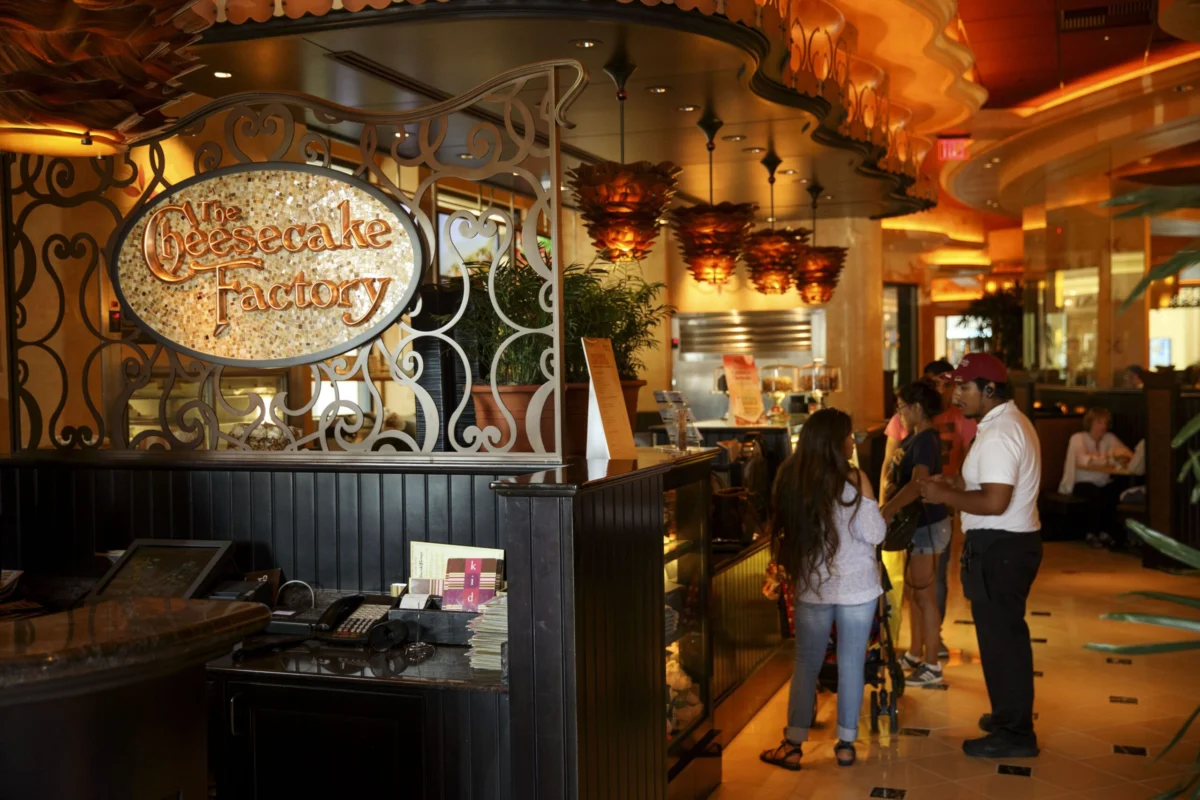
In an unexpected turn, The Cheesecake Factory, an iconic American casual dining chain, found itself at the center of a national political kerfuffle this week, a phenomenon rarely associated with its maximalist interiors and expansive menu. The incident began when former President Barack Obama made a quip at a campaign rally in Ohio, remarking that former President Donald Trump "got the White House looking like Saddam Hussein opened a Cheesecake Factory. Just gold everywhere." This lighthearted jab, intended to critique Trump’s opulent aesthetic, quickly escalated into a full-blown political exchange.
The remark instantly went viral, sparking a flurry of reactions across social media and news outlets. Not one to let a slight pass, former President Trump responded on Monday, telling reporters, "For you to say it’s a Cheesecake Factory, that just shows why you were a lousy president." This retort, characteristic of Trump’s direct and often combative communication style, further amplified the story. The White House’s official X (formerly Twitter) account then joined the fray, posting AI-generated images that playfully trolled the situation, depicting a gilded, Cheesecake Factory-esque Oval Office.
Amidst the political sparring, Rick McCormack, the chain’s former vice president of design, weighed in on the unexpected notoriety. He expressed a sense of disappointment, stating, "I think it’s a little bit sad that the pettiness of politics would create that sound bite, knowing all our challenges going on in the country today." McCormack’s sentiment underscored the irony of a beloved restaurant being drawn into partisan squabbles, particularly when more pressing national issues loom large.
The Cheesecake Factory’s distinctive design, often described as eclectic, opulent, and intentionally over-the-top, has long been a talking point for patrons and critics alike. Its interiors, characterized by grand columns, elaborate murals, and a profusion of gold accents, evoke a sense of theatricality that perfectly complements its encyclopedic menu. This maximalist approach, as many argue, is part of its unique charm, creating an immersive experience where ordering an "all day morning cocktail" or a "Brownie Crunch Choc-o-Lot Cheesecake" doesn’t feel out of place. It’s an American institution, a place where excess is embraced, and consistency is key across its over 200 locations.
Despite the unflattering comparison, the unexpected media attention appears to have done little harm to the company’s financial standing. Stock analysts were quick to point out that The Cheesecake Factory, far from being beleaguered, was, at the time of these remarks, among the highest-performing stocks on the market. This resilience highlights the brand’s enduring popularity and strong business model, suggesting that even negative political commentary can inadvertently boost visibility without damaging core appeal. The incident serves as a peculiar illustration of how American brands, regardless of their intent, can become entangled in the nation’s quips-based, sound-byte-heavy political system, showcasing the porous boundary between popular culture and high-stakes governance.
Salmon’s Shadow Over Alaska’s Midterms: An Ecological and Political Crisis
The upcoming midterm elections in Alaska are shaping up to be an unprecedented contest, with the fate of the state’s iconic salmon populations emerging as the single most decisive issue for voters. As one long-time Alaskan resident succinctly put it, "It’s the only thing that matters," a sentiment echoed in a recent feature by The New Yorker, underscoring the deep cultural, economic, and existential ties Alaskans have to these vital fish.
For generations, salmon fishing has been the lifeblood of Alaska. It is not merely an industry but a fundamental aspect of the Alaskan way of life, providing both a crucial source of income and sustenance for families, particularly in indigenous communities where subsistence fishing is a deeply ingrained tradition. The health of salmon runs directly impacts livelihoods, food security, and cultural identity across the vast state.
However, in recent years, Alaska has faced an alarming ecological crisis: the catastrophic collapse of king (Chinook) and chum (Keta) salmon runs. These declines, affecting critical rivers and regions, have been stark and persistent, showing little sign of recovery. The severity of the situation has prompted an urgent search for causes and solutions, turning the issue into the dominant political battleground.
Experts largely point to climate change as a primary driver of the salmon crisis. Rising ocean temperatures, altered freshwater habitats, and changes in ocean currents are disrupting salmon migration patterns, feeding grounds, and reproductive cycles. These environmental shifts present a daunting, long-term challenge that requires broad-scale, systemic interventions.
Yet, activists and many local fishermen also highlight another significant factor: the practice of trawling for pollock. This industrial fishing method involves deploying enormous nets that sweep vast areas of the ocean, inadvertently catching millions of non-target species, including salmon, in what is known as "bycatch." These salmon, often killed and discarded, represent a massive, preventable loss, further exacerbating the population declines. Critics argue that insufficient regulations and oversight allow the pollock industry to contribute significantly to the salmon’s demise, prioritizing one fishery over the long-term health of another vital resource.
The urgency of the crisis is palpable across Alaska. An op-ed in an Alaskan paper articulated the widespread despair, stating, "This is an ecological crisis, a cultural trauma, an economic emergency and a public-health disaster." The sentiment is deeply ingrained in the political discourse. Democratic candidate Mary Peltola has shrewdly distilled this crisis into her campaign slogan, "Fish, Family, Freedom," directly appealing to the core values and concerns of Alaskan voters. Her platform emphasizes sustainable fishing practices, stronger environmental protections, and advocating for policies that prioritize salmon conservation over destructive industrial practices. Other candidates are also forced to address the issue, articulating their plans for resource management, climate adaptation, and balancing the interests of various fishing sectors. The outcome of the midterm elections will undoubtedly reflect which candidate best articulates a credible and actionable plan to safeguard Alaska’s salmon, demonstrating the profound influence of ecological health on democratic processes.
DoorDash and Instacart: A Mega-Merger Reshapes the Delivery Landscape
In a development that signals a significant consolidation within the rapidly evolving gig economy, delivery platform DoorDash, a dominant force in restaurant delivery, announced its intent to acquire Instacart, America’s leading grocery delivery service, in a colossal $17 billion deal. This transaction marks a pivotal moment in the industry, promising to reshape the competitive landscape and potentially alter the dynamics of how consumers access prepared meals and groceries.
The food delivery sector experienced an unprecedented boom during the COVID-19 pandemic, as lockdowns and public health concerns drove millions of consumers to rely on doorstep services for their daily needs. DoorDash capitalized on this surge to solidify its position as the market leader in restaurant delivery, expanding its footprint across urban and suburban areas. Instacart, similarly, became indispensable for grocery shopping, forging partnerships with thousands of retailers nationwide and establishing a robust network of personal shoppers. The combined entity represents an unparalleled concentration of market share across both key delivery segments.
The acquisition details, announced recently, indicate a strategic move by DoorDash to diversify its offerings and capture a larger slice of the broader food commerce market. By integrating Instacart’s extensive grocery network, DoorDash aims to create a comprehensive delivery ecosystem that can cater to nearly every household’s food-related needs. This merger is expected to generate significant synergies, including shared logistical infrastructure, expanded customer bases, and enhanced data analytics capabilities, potentially leading to increased efficiency and a wider array of services.
However, a transaction of this magnitude inevitably raises concerns, particularly regarding market concentration and potential antitrust implications. Under most administrations, such a significant consolidation in a major industry would trigger intense scrutiny from federal regulatory bodies, notably the Federal Trade Commission (FTC). Antitrust laws are designed to prevent monopolies and ensure fair competition, protecting consumers from potential price hikes or reduced service quality that can result from a lack of competitive pressure. The original article notes that the prevailing administration at the time was "particularly permissive of giant companies coming together to maximize their joint slay," a phrase implying a relaxed approach to antitrust enforcement. This context suggests that the merger might face fewer immediate governmental hurdles than it would under a more stringent regulatory environment.
The implications of this mega-merger are far-reaching. For consumers, it could mean a more integrated and potentially more efficient delivery experience, but also raises questions about pricing power and choice should competition diminish. For the vast network of gig workers who form the backbone of both platforms, the merger could lead to changes in working conditions, pay structures, and employment opportunities. For competitors, it presents a formidable challenge, requiring innovative strategies to compete with a newly formed delivery behemoth. The DoorDash-Instacart merger is poised to fundamentally alter the future of on-demand delivery, shaping how millions of people access their food and how the gig economy evolves in the coming years.
Skywalker Grill: A Culinary Star at the Lucas Museum of Narrative Art
Los Angeles’s vibrant culinary scene has a new star: Skywalker Grill, the restaurant housed within the recently opened Lucas Museum of Narrative Art. In an era where cultural institutions are increasingly recognizing the importance of compelling dining experiences, the Skywalker Grill has quickly distinguished itself, becoming one of the city’s hottest tables and a critical component of the museum’s overall appeal.
The Lucas Museum of Narrative Art itself is a monumental undertaking, a billion-dollar edifice envisioned by "Star Wars" creator George Lucas to celebrate storytelling through visual art. Its striking architecture and vast collection spanning film, illustration, and digital art make it a significant addition to L.A.’s cultural landscape. Integrating a high-quality restaurant was a deliberate choice, reflecting a growing trend where museums seek to offer visitors a comprehensive experience that extends beyond exhibitions. These establishments are designed not just as convenient dining options but as destinations in their own right, attracting both museum-goers and the general public.
Skywalker Grill, despite its association with a billion-dollar institution and its high-profile location, has garnered praise for its surprisingly approachable menu. This strategic culinary philosophy aims to democratize fine dining, making it accessible to a broader audience without compromising on quality or creativity. Bon Appétit contributor Khushbu Shah, in her insightful review, highlighted how the restaurant successfully balances its prestigious setting with a menu that feels welcoming and unpretentious. The chef’s approach focuses on fresh, locally sourced ingredients, imaginative presentations, and dishes that resonate with a diverse palate, rather than exclusively catering to an elite few.
The concept of an "approachable" menu within such a grand setting is a deliberate attempt to foster inclusivity. It allows families, casual visitors, and serious food enthusiasts alike to enjoy a memorable meal, breaking down the often-perceived barriers of museum dining. The restaurant’s success underscores a broader shift in the culinary world, where accessibility and thoughtful execution are increasingly valued alongside innovation and exclusivity. Skywalker Grill is not just a place to eat; it is an extension of the museum’s narrative, inviting guests to experience storytelling through taste, contributing to the Lucas Museum’s mission to engage and inspire through various forms of art. Its rapid rise to prominence confirms that in today’s cultural landscape, a museum’s impact is often measured not only by its collections but also by the richness of its entire visitor experience, including its culinary offerings.
