

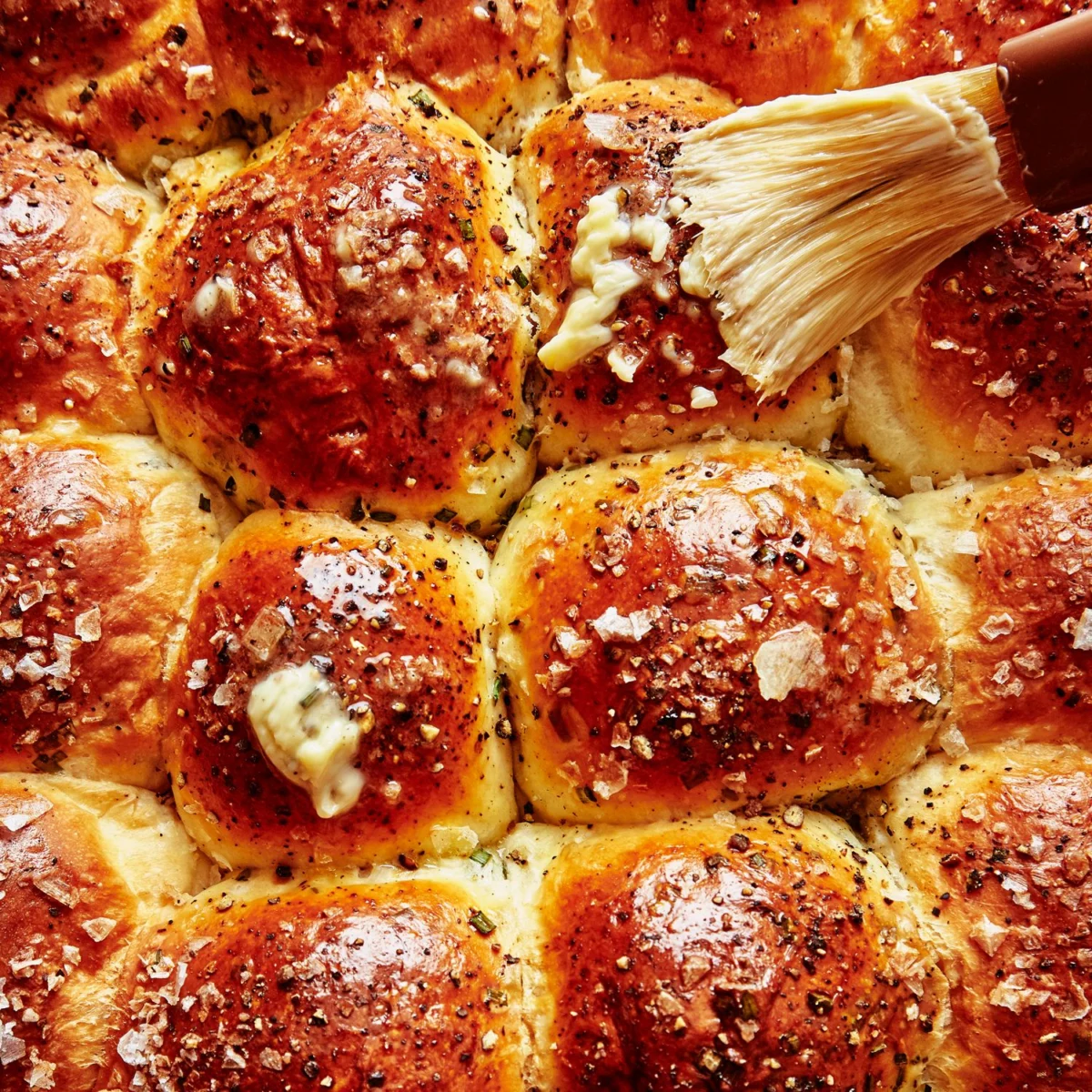
The Historical and Cultural Tapestry of Thanksgiving Bread

The presence of bread at the Thanksgiving table is deeply rooted in American history and cultural tradition, extending far beyond a simple culinary accompaniment. Its evolution reflects centuries of agricultural development, culinary adaptation, and societal values. When the Pilgrims celebrated what is widely considered the first Thanksgiving in 1621, their feast would have featured native grains, primarily corn, prepared in various forms. Cornbread, a staple learned from indigenous peoples, would have been a fundamental element, representing sustenance and the successful harvest. This early form of bread, often simpler and denser than modern variations, symbolized survival and the bounty of the new world.

As European settlers established themselves, their baking traditions, primarily wheat-based, began to merge with native ingredients. The 18th and 19th centuries saw the gradual refinement of bread-making techniques, influenced by technological advancements such as improved milling processes and the eventual commercialization of yeast. Bread transitioned from a basic necessity to a more varied and often celebratory food. Thanksgiving, evolving into a national holiday, naturally incorporated these culinary advancements. The availability of diverse flours, dairy products like butter and milk, and leavening agents allowed for the creation of richer, lighter, and more specialized breads. Dinner rolls, once a luxury, became a standard feature, offering a tender counterpoint to savory meats and gravies. Biscuits, particularly those made with buttermilk, gained prominence for their flakiness and versatility, ideal for both dinner and post-holiday sandwiches.

Culturally, bread at Thanksgiving embodies themes of comfort, hearth, and home. The act of baking, especially bread, carries a nostalgic resonance, evoking warmth and togetherness. It represents the culmination of a year’s harvest, a symbol of plenty shared among family and friends. This symbolism aligns perfectly with the gratitude and communal spirit central to the Thanksgiving holiday. Moreover, the diversity of bread offerings today reflects the melting pot of American culinary traditions, incorporating influences from various immigrant groups who have added their unique bread styles to the broader Thanksgiving lexicon.

The Culinary Science and Artistry Behind Thanksgiving Breads

The creation of exceptional Thanksgiving breads is a blend of precise culinary science and artisanal craftsmanship. Understanding the interaction of key ingredients is paramount to achieving desired textures and flavors.

- Flour: The foundation of most breads, flour types dictate texture. All-purpose flour provides a good balance, while bread flour, with its higher protein content, develops more gluten, leading to chewier yeast rolls. Cake flour, lower in protein, contributes to tender, crumbly quick breads. Gluten development, achieved through kneading, is crucial for the structure and elasticity of yeast-leavened breads, trapping gases and allowing them to rise.
- Yeast: The microscopic fungi responsible for fermentation in most rolls and loaves. Yeast consumes sugars in the dough, producing carbon dioxide and alcohol. The CO2 creates the airy pockets and signature rise, while the alcohol contributes to flavor. Active dry, instant, and fresh yeasts each have specific handling requirements that influence the speed and efficiency of the proofing process.
- Fats (Butter, Oil): Butter is a cornerstone for many Thanksgiving breads, imparting richness, flavor, and contributing to tender crumbs and flaky layers. In biscuits, cold butter cut into flour creates steam pockets during baking, resulting in distinct layers. In enriched doughs like brioche, butter adds luxurious tenderness and a golden crust.
- Liquids (Milk, Buttermilk, Water): Milk contributes to a softer crumb and richer flavor due to its fat and sugar content. Buttermilk, with its acidity, reacts with baking soda in quick breads and biscuits to create lift and a tangy flavor profile. Water is a neutral liquid that allows for full flavor development from the flour and yeast.
- Eggs: Often used in enriched doughs, eggs add structure, richness, and contribute to a golden crust. They also help to bind ingredients and tenderize the crumb.
Different baking methods are employed to achieve the array of breads found at Thanksgiving. Yeast rolls typically involve multiple stages: mixing, kneading, proofing (rising), shaping, a second proof, and then baking. Quick breads, like cornbread or pumpkin loaf, rely on chemical leavening agents (baking soda, baking powder) and require minimal mixing, avoiding overdevelopment of gluten to ensure a tender crumb. Biscuits use a cut-in fat method, often with cold butter, to create flaky layers.

The versatility of these baked goods is a testament to their thoughtful design. Squishy dinner rolls, often enriched with milk and butter, possess a soft crumb that is ideal for absorbing gravy, ensuring no flavorful drop goes to waste. Flaky buttermilk biscuits offer a slightly tangy profile and a sturdy yet tender base for savory applications like leftover turkey sandwiches or even as a vehicle for cranberry sauce. Heartier loaves, such as a rustic sourdough or a dense rye, provide a more robust texture and complex flavor, perfect for cheese boards or dipping into rich soups. The range extends to sweeter options, like tender sweet potato buns or spiced pumpkin loaves, which can bridge the gap between savory courses and dessert, or serve as a delightful start to the holiday morning.

Economic and Industry Impact of Holiday Baking

Thanksgiving baking, particularly of breads and rolls, has a noticeable ripple effect on the economy, from agricultural production to retail sales. The increased demand for staple ingredients in the weeks leading up to the holiday drives sales across the food supply chain.

- Agricultural Sector: Farmers producing wheat, corn, dairy, and eggs experience a significant spike in demand. This translates to increased production quotas and robust market activity for these foundational ingredients.
- Manufacturing and Processing: Flour mills, dairy processors, and yeast manufacturers operate at peak capacity to meet the heightened need from both commercial bakeries and individual consumers. Packaging companies also see increased orders for baking ingredients.
- Retail Market: Grocery stores report substantial increases in sales of baking essentials—flour, sugar, butter, eggs, yeast, and specialized ingredients like pumpkin puree and various seeds. Beyond raw ingredients, there’s a surge in sales of pre-made doughs, frozen rolls, and artisanal breads from in-store bakeries, catering to consumers seeking convenience without sacrificing quality.
- Artisanal and Commercial Bakeries: Both local artisanal bakeries and larger commercial operations ramp up production significantly. Many bakeries offer special Thanksgiving menus featuring a wide array of rolls, loaves, and biscuits, providing a high-quality, time-saving option for busy hosts. This seasonal demand creates temporary employment opportunities and boosts revenue for these businesses.
- Home Baking Trend: The enduring appeal of home baking, especially during holidays, contributes to the demand for kitchen gadgets, bakeware, and cookbooks. For many, baking holiday bread from scratch is a cherished tradition, offering a sense of accomplishment and contributing to the festive atmosphere. This trend underscores a broader consumer desire for homemade quality, customization, and connection to culinary traditions. While specific market data for "Thanksgiving bread" alone is granular, industry reports consistently show a substantial increase in overall baking ingredient sales and prepared food items during the entire holiday season, with Thanksgiving being a primary driver.
A Deeper Look at the "23" Collection: Categories and Exemplary Recipes

The "23 Thanksgiving Breads, Rolls, Biscuits, and Breakfast Buns" compilation represents a carefully curated selection designed to cover every conceivable need and preference for the holiday table.

- Classic Dinner Rolls: These are the unsung heroes of the Thanksgiving meal. Typically soft, light, and slightly sweet, they are perfect for sopping up gravy, cranberry sauce, or any residual deliciousness on the plate. Varieties might include classic yeast rolls, potato rolls (which use mashed potato for an exceptionally soft crumb), or even enriched milk rolls. The Sour Cream and Chive Rolls, as depicted, offer a savory twist with the tang of sour cream and the aromatic freshness of chives, providing a sophisticated alternative to traditional sweet rolls.
- Flaky Biscuits: Essential for their versatility and textural contrast, biscuits are a Southern staple that have found a firm place on Thanksgiving tables nationwide. Buttermilk biscuits, with their characteristic tang and tender, layered crumb, are ideal for eating plain with butter, as a base for open-faced turkey sandwiches, or even baked into dressing. Drop biscuits offer a quicker, more rustic alternative, requiring less handling.
- Hearty Loaves and Quick Breads: This category offers substance and diverse flavor profiles.
- Buttermilk Cornbread: A quintessential component, especially in the Southern tradition, where it is often crumbled and used as the base for savory dressing or stuffing. Its slightly coarse texture and distinctive flavor make it a beloved classic.
- Seedy Pumpkin Loaf: Perfect for Thanksgiving morning, this quick bread combines the autumnal flavors of pumpkin and spice with the textural interest of various seeds (e.g., pepitas, sunflower seeds). It serves as a satisfying, lightly sweet start to a day of feasting, often enjoyed with coffee or tea.
- Artisanal Loaves: Including sourdough, rye, or whole wheat breads, these options cater to those who appreciate a chewier crust, a denser crumb, and more complex flavor profiles. They are excellent for pairing with cheese, charcuterie, or simply served with good quality olive oil.
- Sweet Breads and Breakfast Buns: While dinner takes center stage, Thanksgiving morning often calls for something special. This collection thoughtfully includes options for the breakfast table.
- Sweet Potato Buns: Described as "soft enough to nap on," these enriched buns incorporate mashed sweet potato, lending a beautiful color, natural sweetness, and an incredibly tender texture. They can double as a dinner roll or a breakfast treat.
- Cinnamon Rolls or Sticky Buns: For an indulgent start to the holiday, these classic sweet buns offer warmth, spice, and gooey sweetness, making the waiting for the main feast a little easier.
- Fruited Breads: Think cranberry-orange loaves or apple-cinnamon quick breads, which celebrate seasonal fruits and spices, adding another dimension to the holiday’s culinary offerings.
Expert Perspectives and Modern Culinary Adaptations

Food writers and culinary experts, such as Devra Ferst, whose work often appears in publications like Bon Appétit, play a crucial role in curating and presenting these recipes. Their expertise guides home cooks in selecting appropriate breads for their holiday menus, offering tips on preparation, make-ahead strategies, and pairing. The emphasis on "make-ahead options" in the compilation is a practical acknowledgment of the demanding schedule of Thanksgiving day. Preparing doughs in advance, refrigerating them, or even freezing partially baked items can significantly reduce stress and allow hosts to enjoy the celebration more fully.

Modern culinary trends also influence Thanksgiving bread selections. There’s a growing interest in artisanal baking, focusing on quality ingredients, natural leavening (sourdough), and heritage grains. Simultaneously, dietary considerations have led to an increase in demand for gluten-free and vegan bread options, ensuring that the warmth and comfort of holiday bread can be enjoyed by everyone. International influences are also subtly seeping in, with breads inspired by European or other global baking traditions finding their way onto diverse Thanksgiving tables.

Practical Considerations for the Thanksgiving Host

Successfully integrating a variety of breads into the Thanksgiving meal requires thoughtful planning and execution. Timing is crucial, especially when oven space is at a premium. Utilizing make-ahead options—such as preparing dough for rolls the day before or baking quick breads in advance—can alleviate much of the pressure. Serving suggestions are also important: lighter, softer rolls pair well with the main turkey and gravy, while heartier cornbread is ideal for stuffing or a savory side. Sweet potato buns can grace both the dinner table and the breakfast spread.

Perhaps one of the most enduring legacies of Thanksgiving bread is its role in the aftermath of the feast. Leftover rolls and biscuits are invaluable for crafting the iconic "day-after" turkey sandwiches, often layered with cranberry sauce, stuffing, and a generous dollop of gravy. Stale bread can be repurposed into bread pudding, croutons, or even more stuffing, minimizing waste and extending the holiday spirit.

Conclusion: The Enduring Significance of Thanksgiving Bread

In summation, the collection of "23 Thanksgiving Breads, Rolls, Biscuits, and Breakfast Buns" serves as a powerful reminder that bread is far more than a mere adjunct to the holiday meal. It is a foundational element, steeped in history, rich in cultural symbolism, and diverse in its culinary applications. From its humble origins in early American feasts to its refined forms on modern tables, bread offers comfort, texture, and flavor that enhance every aspect of the Thanksgiving experience. The strategic inclusion of make-ahead options speaks to contemporary needs for efficiency, while the breadth of recipes—from savory rolls to sweet breakfast buns—ensures that every palate and every moment of the holiday is catered to. Ultimately, the presence of freshly baked bread, whether squishy, flaky, or seedy, contributes profoundly to the sensory richness and emotional resonance of Thanksgiving, embodying the spirit of gratitude, abundance, and togetherness. It reinforces the simple, yet profound, joy found in breaking bread with loved ones.
