

Jodi Ettenberg, the former lawyer turned influential travel author and founder of the Legal Nomads platform, has released a comprehensive update detailing her transition from international travel journalism to disability advocacy and community-based entrepreneurship. Since its inception in 2008 as a personal blog to document a one-year sabbatical, Legal Nomads evolved into a prominent resource for global food culture and alternative career paths for legal professionals. However, following a life-altering medical complication in 2017, Ettenberg’s focus has shifted toward navigating a chronic spinal condition and maintaining a sustainable business model in the creator economy without relying on traditional advertising revenue.

Global Awareness and the CNN Feature
A pivotal moment in Ettenberg’s 2022 calendar was the publication of a feature article by CNN in late January. The piece, commissioned after an editor noted Ettenberg’s insights on radical acceptance and resilience on social media, chronicled her journey from a high-functioning travel and food blogger to being largely bedbound due to a spinal cerebrospinal fluid (CSF) leak.
The article remained on the CNN homepage for an entire weekend, garnering international attention for a condition that remains frequently underdiagnosed or misunderstood by the general medical community. According to Ettenberg, the primary objective of the piece was twofold: to raise public awareness of the debilitating nature of spinal CSF leaks and to provide a resource that fellow patients could share with family and medical providers to validate their experiences. The publication resulted in a significant influx of correspondence from individuals who recognized their own symptoms in Ettenberg’s narrative, subsequently seeking diagnostic paths for their own neurological issues.

Medical Context: Understanding Spinal CSF Leaks and Arachnoiditis
To understand the gravity of Ettenberg’s current status, it is necessary to examine the pathology of a spinal CSF leak. This condition occurs when the dura mater—the tough outer membrane of the spinal cord—develops a hole or tear, allowing the fluid that cushions the brain and spine to escape. This leads to intracranial hypotension, often characterized by a "positional headache" that worsens when upright and improves when lying flat.
Beyond the initial leak, Ettenberg’s case is complicated by a diagnosis of adhesive arachnoiditis. This is a progressive inflammatory condition where the arachnoid membrane, one of the coverings of the spinal nerves, becomes inflamed and causes the nerves to "clump" together. This can lead to chronic, debilitating pain and various neurological deficits.

In her recent communications, Ettenberg clarified her decision to delay further invasive treatments, such as surgery or additional blood patching, at Duke University Medical Center. While previous blood patches—a procedure where a patient’s own blood is injected into the spinal space to seal a leak—provided temporary relief, the risks for Ettenberg are heightened by a pre-existing connective tissue disorder and a severe allergy to the fibrin glue typically used in more durable seals. Her current management strategy focuses on "uptime" budgeting, where she carefully allocates the limited hours she can spend standing or sitting to essential tasks, such as writing or light meal preparation.
Institutional Leadership and Patient Advocacy
Ettenberg’s transition into advocacy was formalized in early 2022 through her involvement with the Spinal CSF Leak Foundation. In February, she joined the foundation’s Patient Advisory Panel for Research, a body designed to integrate patient perspectives into the design and execution of clinical studies. This move reflects a broader trend in medical research where "lived experience" is increasingly valued as a critical component of scientific inquiry.

Later in the year, Ettenberg accepted a position on the foundation’s Board of Directors. In this unpaid capacity, she works alongside medical professionals and other advocates to improve diagnostic accuracy and treatment accessibility for patients across North America. This leadership role allows her to leverage her legal background and communication skills to influence the trajectory of research for complex neurological conditions.
The Economics of an Ad-Free Digital Platform
Since the founding of Legal Nomads, Ettenberg has maintained a strict policy against hosted advertisements, sponsored text links, and advertorial content. While this decision arguably limited the site’s potential for passive revenue during its peak travel years, it fostered a high degree of trust within her community.

The financial sustainability of the platform currently relies on three primary pillars:
- Patreon Membership: A recurring monthly subscription model where "patrons" provide financial support in exchange for community access, video updates, and tutorials on mindfulness and meditation.
- Digital Products: The sale of specialized Celiac Translation Cards, which allow travelers with gluten sensitivities to communicate their dietary needs in multiple languages. After a near-total collapse in sales during the COVID-19 pandemic, this revenue stream began to recover in late 2021 and 2022 as international travel resumed.
- E-commerce: The Legal Nomads Art Shop, which features hand-drawn food maps of various countries.
Data from the creator economy suggests that independent writers are increasingly moving toward this "membership" model to avoid the volatility of the advertising market. For Ettenberg, this community-funded approach has allowed her to focus on non-revenue-generating advocacy work and maintain her health without the pressure of meeting high-volume traffic quotas required by ad networks.

Community Philanthropy: The "Legal Lemurs" Project
In a unique intersection of community engagement and conservation, Ettenberg spearheaded a symbolic adoption program through the Duke Lemur Center (DLC). Inspired by a desire to provide a positive distraction from the news cycle, she invited her followers to contribute to the adoption of lemurs.
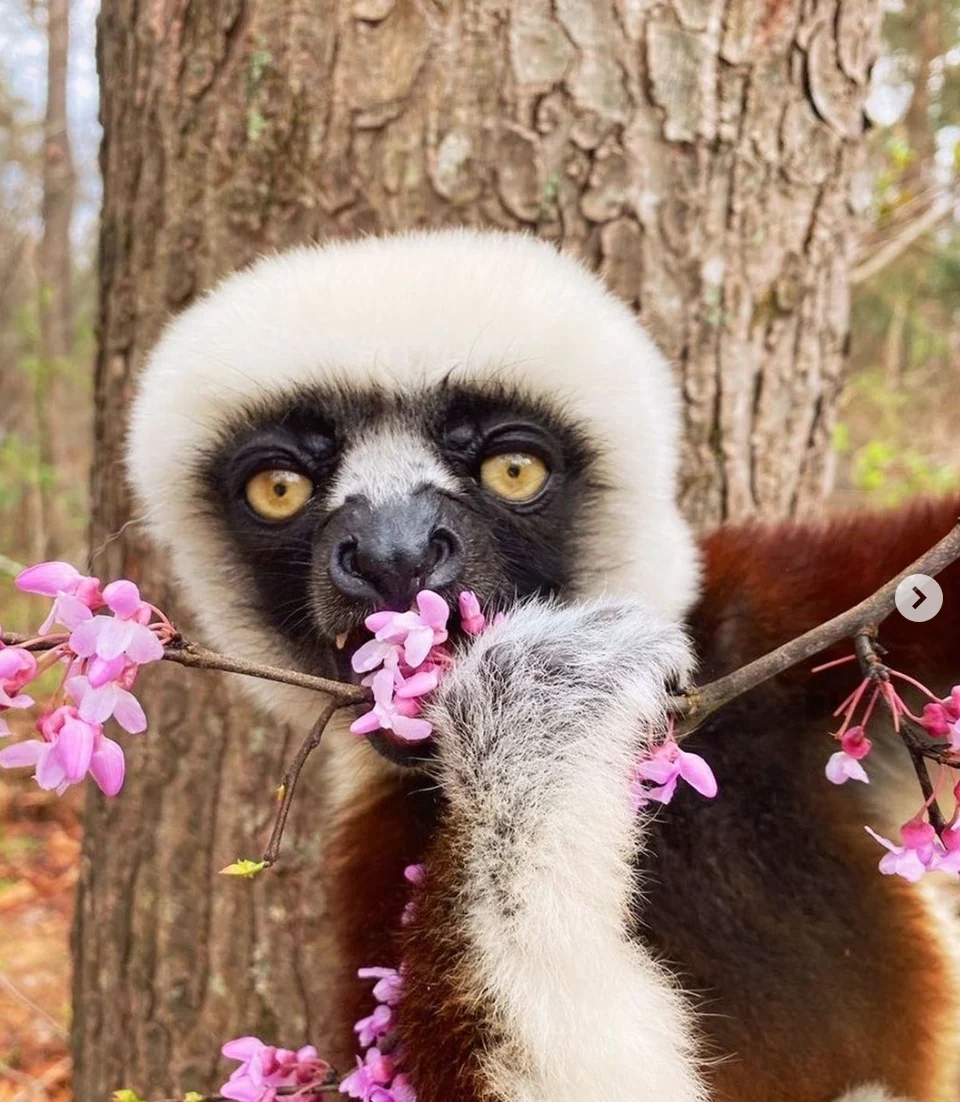
The initiative successfully raised $750, resulting in the "adoption" of a Coquerel’s sifaka named Pompeia and an aye-aye named Agatha. The project, which Ettenberg plans to renew in 2023, provides regular behavioral updates and photographs to contributors, serving as a morale-boosting "eye bleach" for a community often dealing with chronic illness or global stress. The DLC, located in Durham, North Carolina, is a world leader in the study and protection of lemurs, which are among the most endangered mammals on Earth.

Relocation to Ottawa and Accessibility Innovations
After a period of living in the Gatineau region of Quebec, Ettenberg relocated to a new apartment in Ottawa, Ontario, in 2022. This move was strategic, placing her within an eight-minute drive of family support. The relocation necessitated significant modifications to her living environment to accommodate her physical limitations, which include a five-pound lifting limit and the inability to bend or twist the spine.
Key accessibility features in her new residence include:

- Automated Patio Access: The installation of a specialized motorized device on a heavy glass patio door, allowing it to be opened via a button.
- Ergonomic Kitchen Setup: The use of tabletop ovens and freezers positioned at waist height to eliminate the need for bending.
- Electronic Blinds: Motorized window coverings to reduce the physical strain of manual adjustments.
- Storage Optimization: A furniture layout utilizing bins and shelves at mid-level heights to keep essential items accessible without requiring low-level reaching.
Ettenberg noted that while her "standing budget" remains limited, the ability to curate a space specifically for her disability has provided a sense of independence that was missing during her years of transient living and recovery in others’ homes.
Rebranding and Expanding the Art Shop
The final quarter of 2022 saw a significant overhaul of the Legal Nomads Art Shop. The shop, which had remained largely unchanged since 2016, was redesigned to align with the modern aesthetic of the main website.

A major highlight of this restructuring is the release of the Canadian Food Map. Developed over three years in collaboration with artist Ella Frances Sanders, the map represents an effort to create a more inclusive culinary history of Canada. Ettenberg consulted with specialists in Indigenous foods to ensure the map included pre-colonial dishes and correct spellings, moving beyond the standard "colonial" staples like poutine or ketchup chips. The map serves as both a piece of art and a cultural document, reflecting Ettenberg’s long-standing commitment to exploring the intersection of food, history, and identity.
Implications and Future Outlook
The trajectory of Legal Nomads in 2022 serves as a case study in the evolution of digital influence. Ettenberg’s shift from a travel-centric brand to a health and advocacy-centric one highlights the potential for digital creators to pivot their platforms in response to personal crises while maintaining audience loyalty.

The broader implications of her work with the Spinal CSF Leak Foundation suggest a growing movement toward patient-centered healthcare, where individuals are no longer passive recipients of care but active participants in research and organizational governance. As Ettenberg continues to manage her condition, her platform remains a hybrid of personal narrative, medical education, and community support, demonstrating that the value of a digital community often lies in its resilience and adaptability rather than its niche.
Despite the challenges of adhesive arachnoiditis and the persistent symptoms of "brain sag" associated with her leak, Ettenberg’s 2022 updates indicate a stabilization of her business and a renewed focus on long-term advocacy. Her story continues to resonate not only with the travel community but also with the millions of individuals worldwide living with "invisible" chronic illnesses.
