

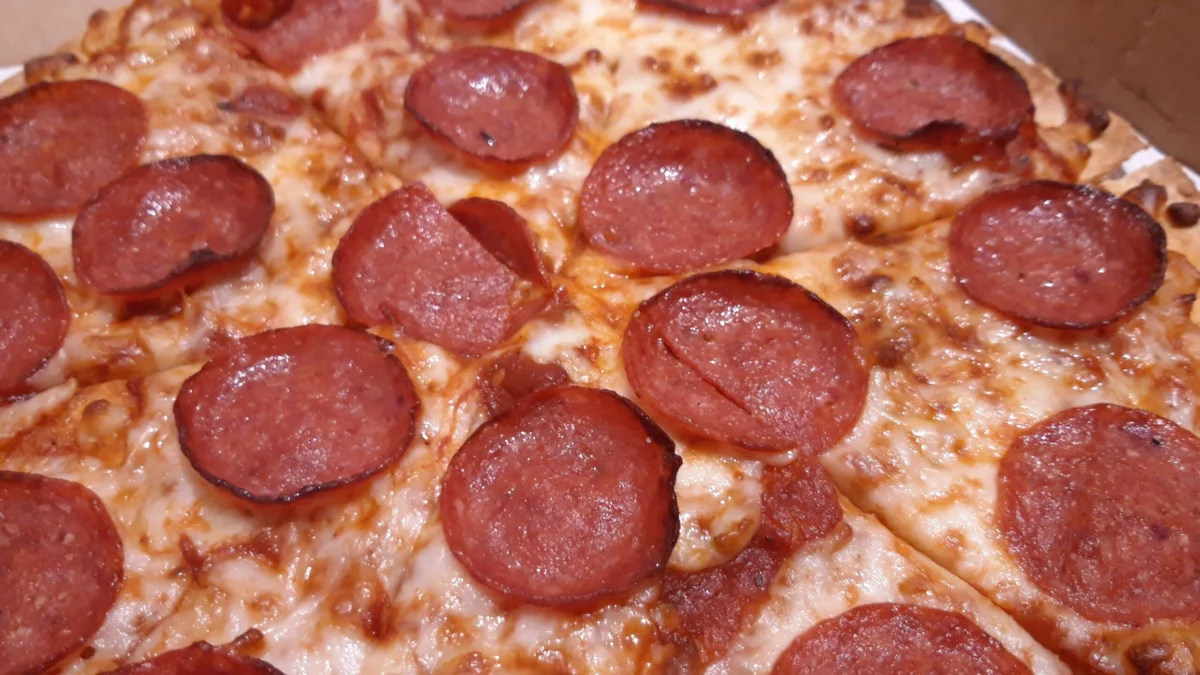
In the ever-evolving landscape of consumer loyalty programs, a recent comprehensive analysis by The Points Guy has spotlighted Domino’s Rewards as the leader in delivering the most immediate and cost-effective path to a free reward among major chain restaurants. Despite this significant value proposition, the program trails behind more established and widely adopted loyalty schemes from brands like Starbucks and McDonald’s in terms of active user engagement. This disparity raises critical questions about the multifaceted nature of consumer loyalty and what truly drives program participation beyond sheer monetary return.
The Value Proposition: Domino’s Leads the Pack
The Points Guy’s in-depth study, titled "The State of Loyalty 2026," meticulously examined ten of the largest restaurant loyalty programs across the United States. The findings indicate that Domino’s Rewards offers an exceptional return on investment for its members. According to the report, a Domino’s customer can achieve their first reward by spending a mere $11.56. This expenditure earns them 20 loyalty points, which can be redeemed for a free 20-ounce soda, a beverage valued at $2.89. This translates to an impressive 25% return on spending, a figure that significantly outpaces most of its competitors.
To put this into perspective, the second-highest performing program in terms of immediate value was MyMcDonald’s Rewards. This program requires members to spend $15 to accumulate 1,500 points, which can be redeemed for free hash browns, valued at $2.49. While still a respectable offering, this equates to a return of approximately 16.6%, nearly nine percentage points lower than Domino’s. This substantial difference underscores Domino’s strategic approach to rewarding its most frequent patrons with rapid gratification.
At the lower end of the value spectrum, Subway’s Sub Club demonstrated the least favorable spend-based return. Members of this program must spend $40 to receive a reward equivalent to $2 in cash back, yielding a meager 5% return. Chipotle Mexican Grill’s loyalty program also ranked low, offering a 5.6% return, requiring customers to spend $35 to earn free chips, valued at $1.95.
The study further revealed that the median return rate across all analyzed dining rewards programs hovered around 9%. This figure stands in stark contrast to retail loyalty programs, where the maximum return observed was 5% from Aeropostale, with a median return of approximately 3%. The Points Guy attributes this significant difference to the inherent business models of restaurants versus retailers. Restaurants, with potentially higher profit margins on individual transactions and a focus on repeat impulse purchases, can more readily offer tangible food rewards. Retailers, often dealing with higher product costs and thinner margins, find it more challenging to offer such generous incentives.
Consumer Preferences: What Drives Loyalty?
While Domino’s Rewards excels in delivering monetary value, its popularity does not reflect this advantage. The survey conducted by The Points Guy, which polled consumers on their loyalty program engagement, revealed a different hierarchy of preferred programs. Starbucks Rewards emerged as the undisputed leader in active usage, with 35% of respondents indicating they actively participate. This was followed by MyMcDonald’s Rewards (27%), Dunkin Rewards (10%), Burger King Loyal Perks (9%), and Chick-fil-A One (8%).
This finding is particularly intriguing given that Starbucks Rewards offers a return rate of only 6%, significantly below the median and substantially lower than Domino’s. This suggests that factors beyond the immediate monetary value of rewards play a crucial role in shaping consumer loyalty.
When asked about the primary benefits of joining dining rewards programs, a resounding 84% of consumers identified free food as the most appealing incentive. A clear second choice, selected by 74%, was the prospect of receiving dollar-amount discounts applicable to the entire bill. While free food is clearly a significant driver, the survey data indicates that the speed at which these rewards are earned does not solely dictate a program’s popularity.
Unpacking the Popularity Paradox: Beyond the Freebies
The success of programs like Starbucks Rewards, despite their comparatively lower return rates, points to a more nuanced understanding of customer loyalty. The Points Guy suggests that several other elements contribute to a program’s overall appeal and user adoption. These include intangible benefits such as status perks, which can encompass benefits like waived fees, expedited service, or exclusive access to limited-time offers. Furthermore, the simplicity and ease of use of a loyalty program can significantly influence its adoption rate.
In the case of Starbucks, its sheer ubiquity is a major factor. With nearly 17,000 U.S. locations, Starbucks possesses a vast retail footprint that dwarfs many of its competitors, including Chick-fil-A, which has approximately one-third the number of stores. This widespread availability inherently increases the likelihood of daily engagement. Moreover, the nature of coffee consumption lends itself to frequent purchases. Customers who visit Starbucks daily or multiple times a week are naturally more inclined to engage with its loyalty program, accumulating rewards organically through their regular habits. This consistent interaction, facilitated by the program’s integration into the daily routine, solidifies its place in the consumer’s mind, even if the return on investment per dollar spent is not as high as some other programs.
The analysis also revealed that restaurant rewards programs, in general, enjoy higher engagement rates than many other sectors. Nearly half of consumers (47%) are enrolled in a restaurant loyalty program, with 22% regularly redeeming rewards. These figures surpass those for fuel programs (46% enrollment, 25% redemption), retail (46% enrollment, 19% redemption), airline (40% enrollment, 12% redemption), and hotel (39% enrollment, 10% redemption) programs. Only grocery and credit card rewards programs demonstrate higher active usage, a phenomenon largely attributed to the everyday necessity of food and gasoline purchases.
The Limits of Loyalty Programs
Despite the widespread adoption and perceived benefits of loyalty programs, their influence on dining decisions is not as absolute as one might assume. The Points Guy’s research indicates that only about 50% of dining rewards members reported that a loyalty program significantly impacted their decision to dine at a particular restaurant.
This finding aligns with broader consumer research conducted by Technomic, which consistently highlights that fundamental aspects of the dining experience far outweigh loyalty programs in influencing customer choices. Food taste and food quality are paramount, with 90% of consumers deeming them either important or very important when selecting a restaurant.
Other critical factors that consistently rank higher than loyalty programs in consumer decision-making include portion size, order accuracy, the quality of service, restaurant cleanliness, overall value for money, and the visual appeal of the food and dining environment. These core elements of the dining experience form the bedrock of customer satisfaction and repeat business.
Implications for the Restaurant Industry
The findings from The Points Guy and Technomic offer valuable insights for restaurant operators seeking to cultivate customer loyalty. While implementing a rewards program can be a beneficial strategy, it should not be viewed as a standalone solution for customer retention. The emphasis must remain on delivering an exceptional dining experience through high-quality food, excellent service, and competitive pricing.
For brands like Domino’s, the challenge lies in leveraging their demonstrable value proposition to increase program adoption. This could involve enhanced marketing efforts that clearly articulate the benefits and speed of earning rewards, or perhaps exploring tiered reward structures that offer additional perks for higher spending levels, thereby incentivizing greater engagement.
Conversely, programs like Starbucks Rewards demonstrate that a strong brand presence, convenient accessibility, and seamless integration into consumers’ daily lives can foster significant loyalty, even with less aggressive reward structures. The success of these programs suggests that building emotional connections and offering convenience can be as powerful, if not more so, than purely transactional value.
Ultimately, the restaurant industry is navigating a complex interplay of value, convenience, brand affinity, and the fundamental satisfaction derived from a great meal. Loyalty programs are a piece of this puzzle, but they are most effective when they complement, rather than substitute, the core tenets of quality and customer experience. The ongoing evolution of these programs will likely see brands seeking to balance immediate value with long-term engagement strategies that address the holistic needs and preferences of today’s diners. The data suggests that while consumers appreciate a good deal, they are ultimately driven by the promise of a satisfying and enjoyable dining occasion, with loyalty programs acting as a beneficial, but not always decisive, factor.
