

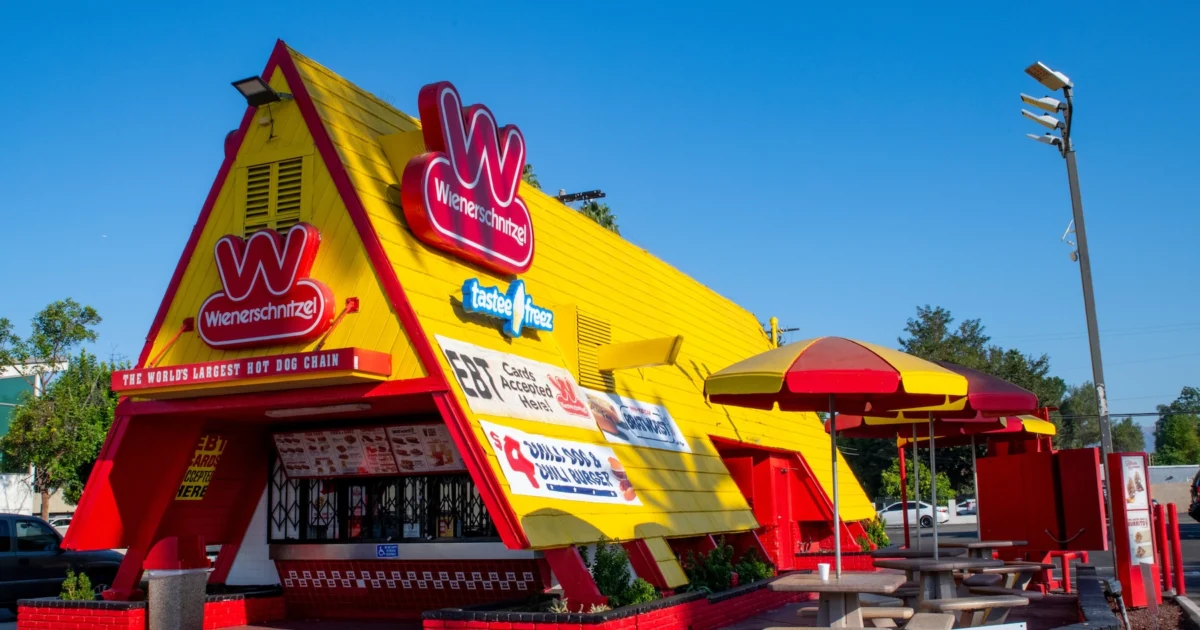
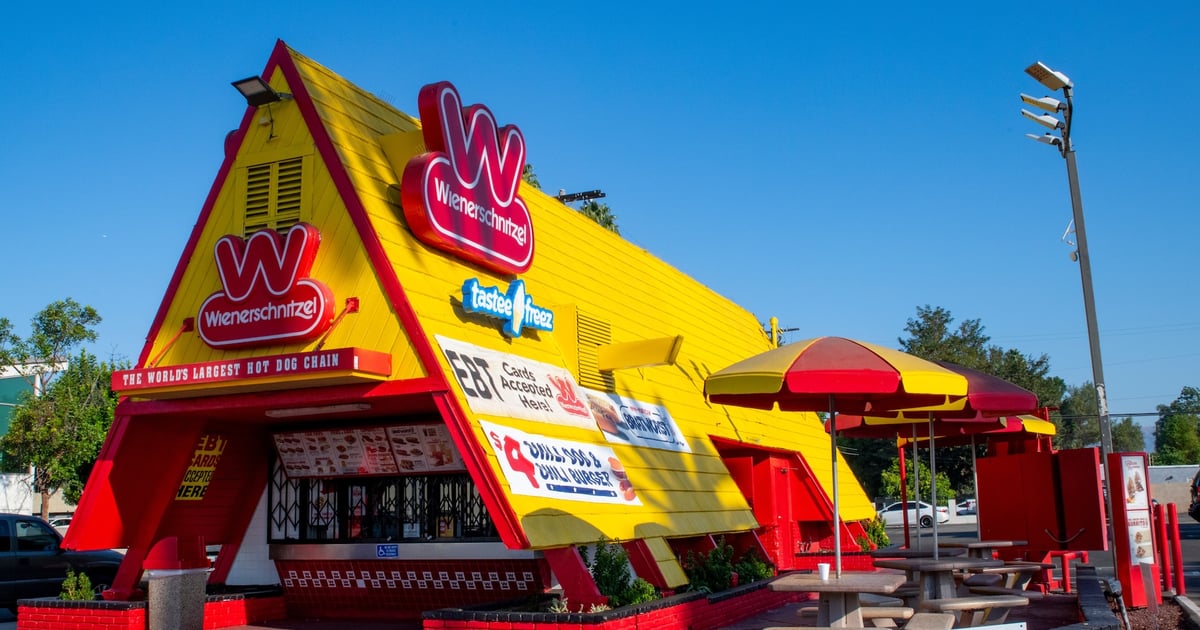
Wienerschnitzel, the iconic California-based hot dog chain, is embarking on a significant expansion into West Virginia, marking a pivotal moment in its strategic push towards non-traditional retail environments. This ambitious growth initiative is being realized through a new partnership with GoMart, a prominent travel plaza and convenience store operator. The collaboration will see the introduction of two Wienerschnitzel locations within West Virginia, a move that not only extends the brand’s geographical reach eastward but also underscores its commitment to diversifying its presence beyond conventional standalone restaurants. These new ventures will be co-branded with Tastee Freez, another popular treat concept owned by Wienerschnitzel, offering customers a dual-brand experience.
This strategic alliance with GoMart signifies a deliberate pivot for Wienerschnitzel, leveraging existing high-traffic locations to introduce its beloved menu to new demographics. GoMart, headquartered in Gassaway, West Virginia, boasts a robust network of travel plazas and convenience stores operating across West Virginia, Virginia, and Ohio. The initial phase of this partnership involves the development of two new construction, end-cap locations featuring drive-thrus in Kanawha City and Ghent, West Virginia. These sites have been strategically chosen to capitalize on their convenience-driven consumer base.
The expansion into West Virginia is not an isolated event but rather a continuation of a broader trend for Wienerschnitzel, which has been actively exploring and integrating into non-traditional venues. This includes successful forays into locations such as Walmart stores, where the brand opened six units last year, and military bases. The company’s rationale behind this strategy is rooted in the belief that its versatile concept is well-suited to these environments, offering substantial growth opportunities for both the brand and its franchisees. By adapting its footprint, Wienerschnitzel aims to enhance accessibility and capture new market segments.
Strategic Pivot Towards Non-Traditional Locations
Wienerschnitzel’s deliberate shift towards non-traditional locations is a response to evolving consumer habits and the dynamic landscape of the quick-service restaurant industry. In an era where convenience and accessibility are paramount, integrating into travel plazas, big-box retail stores, and other high-traffic hubs allows the brand to meet customers where they are. This strategy offers several key advantages:
- Increased Foot Traffic: Locations within travel plazas and retail centers inherently benefit from pre-existing customer flow, reducing the marketing burden and accelerating brand awareness in new markets.
- Operational Efficiencies: Partnering with established operators like GoMart allows Wienerschnitzel to leverage existing infrastructure, supply chains, and operational expertise, potentially leading to lower overheads and a faster return on investment.
- Brand Diversification: The co-branding with Tastee Freez offers a broader appeal, catering to a wider range of customer preferences, from savory hot dogs to sweet treats, thereby maximizing sales potential within a single footprint.
- Franchise Growth Opportunities: This model presents an attractive proposition for potential franchisees looking for less capital-intensive entry points and proven operational models in established, high-visibility locations.
David Winter, Chief Development Officer for Wienerschnitzel, articulated the strategic importance of these partnerships. "As we continue expanding beyond the traditional restaurant model, partnerships like this allow us to pair the flexibility of our concept with operators that already understand how to serve consumers in high-traffic, convenience-driven environments," Winter stated. "We see significant potential to build on these two restaurants in the future." This statement underscores the company’s confidence in the replicability and scalability of this expansion model.
A Look at Wienerschnitzel’s Development Trajectory
The recent expansion efforts come at a crucial time for Wienerschnitzel. Following the widespread disruptions of the COVID-19 pandemic, the brand experienced a slight decrease in its unit count annually from 2020 through 2023. However, the addition of five new locations in the past year indicates a positive turnaround and renewed momentum. According to data from Technomic, a sister company of Restaurant Business, Wienerschnitzel currently operates 321 restaurants. This modest but growing number signifies a brand that is actively working to rebound and innovate its growth strategies.
The financial performance of Wienerschnitzel’s existing units is also a testament to the brand’s enduring appeal and operational strength. A typical Wienerschnitzel location generates average-unit volumes exceeding $1.1 million. This strong performance provides a solid foundation for new ventures, particularly those in non-traditional settings where the brand can leverage its established operational efficiencies and menu popularity. The success of these units suggests that the core product offering remains highly desirable among consumers.
The GoMart Partnership: A Deeper Dive
The agreement with GoMart is a cornerstone of Wienerschnitzel’s immediate expansion plans. GoMart’s established presence and expertise in operating travel plazas and convenience stores make them an ideal partner for deploying the Wienerschnitzel concept in a manner that aligns with consumer needs for quick and convenient food options. The operator has expressed a commitment to further development, with plans to establish additional Wienerschnitzel locations over the next five years. This forward-looking approach suggests a long-term vision for the partnership, with the potential for further integration and expansion into new markets.
GoMart’s development strategy encompasses both new construction and the conversion of existing spaces, offering flexibility in site selection and execution. The focus on end-cap locations with drive-thrus for the initial West Virginia openings is a calculated move to maximize convenience and cater to the on-the-go consumer. This dual approach to development allows for adaptation to different site characteristics and market opportunities, a crucial factor for sustained growth.
Broader Implications for the QSR Industry
Wienerschnitzel’s strategic expansion into non-traditional locations and its partnership with GoMart reflect broader trends shaping the quick-service restaurant industry. The industry is increasingly characterized by:
- The Rise of Ghost Kitchens and Virtual Brands: While not directly implemented here, the exploration of alternative models like co-branding and integration into existing retail spaces is part of the same innovative drive to optimize reach and efficiency.
- Focus on Convenience and Accessibility: Consumers are demanding more convenient options, leading brands to explore nontraditional locations like convenience stores, airports, and universities.
- Strategic Partnerships and Franchising: Collaborations between established brands and operators with complementary expertise are becoming more common, allowing for faster market penetration and shared risk.
- Menu Diversification and Hybrid Concepts: Offering a wider range of products, such as the dual Wienerschnitzel and Tastee Freez concept, can attract a broader customer base and increase average transaction values.
The success of Wienerschnitzel’s strategy in West Virginia and other non-traditional venues could serve as a blueprint for other brands looking to diversify their footprints and tap into new customer segments. It highlights the adaptability of established QSR concepts when paired with strategic operational thinking and a willingness to move beyond traditional brick-and-mortar models.
A Look Back: Wienerschnitzel’s History and Evolution
Founded in 1961 in Anaheim, California, Wienerschnitzel has built a legacy around its unique hot dog offerings. The company’s founder, John Galardi, envisioned a restaurant that specialized in a fun, affordable, and delicious hot dog experience. Over the decades, the chain has maintained its focus on its core product while gradually evolving its menu and operational strategies to remain competitive. The introduction of menu items like the "Junkyard Dog" – a loaded hot dog often featuring chili, cheese, and other toppings – has contributed to its distinctive brand identity.
The brand’s consistent appeal lies in its nostalgic charm, value proposition, and the comfort food nature of its core offerings. However, to thrive in today’s competitive market, innovation and strategic expansion are paramount. The current push into non-traditional locations, coupled with a focus on operational efficiency and strategic partnerships, represents a significant evolution for the company. This approach not only aims to increase unit count but also to strengthen brand relevance and accessibility for a new generation of consumers.
The initial two locations in Kanawha City and Ghent are expected to be fully operational in the coming months, serving as the vanguard of Wienerschnitzel’s expanded presence in West Virginia. The success of these initial ventures will likely pave the way for further development, solidifying Wienerschnitzel’s position in the eastern United States and reinforcing its commitment to a flexible and adaptable growth strategy. The company’s trajectory suggests a continued emphasis on exploring innovative avenues for expansion, ensuring its enduring presence in the fast-paced world of quick-service dining.
