

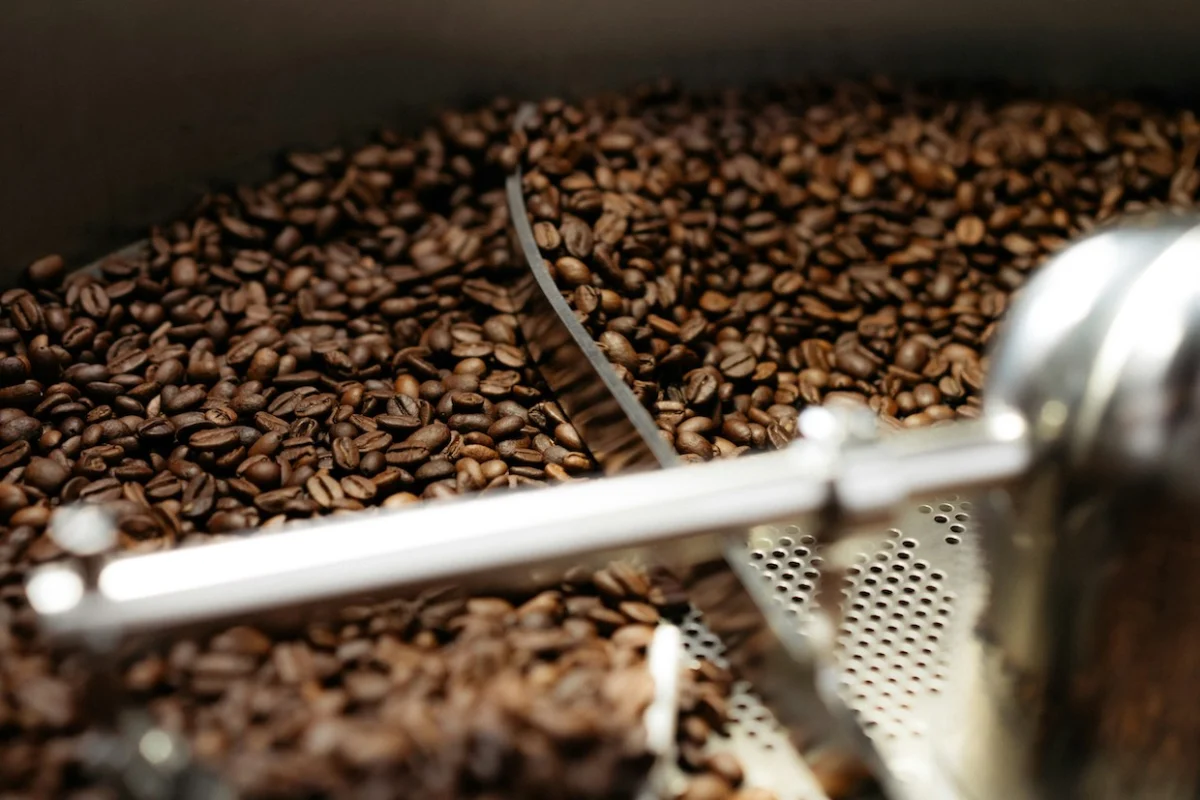
Los Angeles-based coffee company Go Get Em Tiger (GGET) has launched an ambitious "Roasted at Origin" program, signaling a significant shift in how specialty coffee is produced and perceived. This innovative initiative aims to move a substantial portion of the company’s roasting operations to the countries where its beans are cultivated. The program’s phased rollout targets 20% of GGET’s roasting capacity by the close of 2026, with an aggressive expansion to 70% by the end of 2027. This move represents a profound commitment to redefining the coffee supply chain, fostering closer relationships with producers, and potentially enhancing quality control and freshness by roasting closer to the source. The development of roast profiles will be a collaborative effort, involving roasters and producers working together to unlock the full potential of each origin. This approach not only promises to deliver a more nuanced and expressive coffee experience to consumers but also aims to address long-standing issues of value distribution within the coffee industry, potentially leading to more equitable compensation for farmers. The decision to roast at origin could also significantly reduce the carbon footprint associated with transporting green coffee across vast distances, aligning with growing consumer and industry demands for sustainability.
In a stark reminder of the persistent challenges within the global coffee supply chain, Brazilian authorities recently conducted a large-scale enforcement operation that resulted in the rescue of 53 coffee workers from conditions legally defined as analogous to slavery. This operation, carried out in August, underscores the ongoing struggle against modern slavery in one of the world’s largest coffee-producing nations. According to the Ministry of Labor and Employment, coffee cultivation accounted for the second-highest number of rescued workers among individual sectors, trailing only construction, with a total of 479 individuals liberated across various industries. This latest intervention follows a significant prior effort in 2024, when Brazilian authorities reported rescuing 214 coffee workers from similarly exploitative circumstances. These figures highlight a systemic issue that requires sustained attention and robust enforcement mechanisms. The conditions described often involve extreme exploitation, including forced labor, debt bondage, and inhumane living and working environments. The legal framework in Brazil defines these situations as "work analogous to slavery," reflecting the severity of the human rights violations involved. The repeated nature of these rescues points to the deep-rooted nature of these exploitative practices, likely driven by economic pressures, weak labor oversight in remote agricultural areas, and a demand for cheap labor in a highly competitive sector. The government’s commitment to these operations, while commendable, suggests that the underlying causes of such exploitation, including poverty, lack of education, and vulnerabilities in labor contracts, need to be addressed comprehensively to achieve lasting change.
Record-Breaking Auctions Signal Robust Demand for Ultra-Premium Coffee
The global specialty coffee market continues to demonstrate its capacity for extraordinary value, as evidenced by a series of private online auctions that have fetched exceptionally high prices for rare and meticulously produced coffees. In Ethiopia, Alo Coffee’s "Echoes of the Peak" online green coffee auction saw an unprecedented 6,457 bids, culminating in a top price of $1,739 per kilogram ($788.80 per pound). This remarkable figure speaks volumes about the demand for highly sought-after Ethiopian varietals, particularly those showcasing exceptional quality and unique flavor profiles. The competitive bidding environment at this auction highlights the growing sophistication of the specialty coffee market, where provenance, processing, and unique varietals command significant premiums.
Further amplifying this trend, a coffee from Testi Specialty Coffee founder Faysel Abdosh achieved an astonishing $2,376.50 per kilogram ($1,077.96 per pound) at the Faysel Abdosh Signature auction held on September 14th. This sale not only sets a new benchmark for Abdosh’s work but also reinforces Ethiopia’s position as a source of some of the world’s most valuable coffee. The success of these auctions is intricately linked to the meticulous attention to detail at every stage of production, from meticulous cultivation and harvesting to innovative processing methods and expert cupping.
The M-Cultivo platform, which hosted all three of these groundbreaking auctions, has become a crucial nexus for connecting discerning buyers with extraordinary coffees. The platform’s ability to facilitate transparent and competitive bidding for unique lots has been instrumental in driving these record-breaking prices. The implications of these sales extend beyond mere monetary value; they represent a validation of the intensive labor, advanced agricultural practices, and dedication to quality that producers invest in. For farmers who consistently produce coffees of this caliber, these auctions offer a direct pathway to significantly improved livelihoods and the potential for reinvestment in their operations, fostering a cycle of continuous improvement and innovation.
Adding to the exceptional market activity, a Gesha lot from Finca Takesi in Bolivia commanded a staggering $3,100 per kilogram ($1,406.14 per pound) during a third auction on the M-Cultivo platform. This price point, particularly for a Gesha varietal from Bolivia, underscores the growing global appreciation for micro-lots and specific varietals known for their complex aromatics and exquisite flavors. The Gesha varietal, originating from Ethiopia but famously cultivated in Panama and now increasingly in other regions, is renowned for its floral notes, delicate body, and tea-like complexity. Its consistent performance at high auction prices reflects its status as a benchmark for quality and exclusivity in the specialty coffee world. The success of Finca Takesi further solidifies Bolivia’s emergence as a significant player in the ultra-premium coffee market, showcasing the potential for diverse origins to produce world-class coffee.
These record-breaking sales are not isolated incidents but rather indicators of a maturing and increasingly discerning global coffee market. Buyers at these auctions are often specialty coffee retailers, importers, and dedicated connoisseurs who are willing to pay a significant premium for coffees that offer unparalleled sensory experiences and compelling stories of origin and production. The financial rewards from such auctions can be transformative for producers, providing the capital necessary to invest in advanced farming techniques, sustainable practices, and further quality enhancements, thereby perpetuating the cycle of excellence.
Corporate Restructuring and Expansion in the Coffee Industry
In a significant strategic move, Bad Ass Coffee of Hawaii has relocated its headquarters from Denver, Colorado, to Lexington, Kentucky. This relocation is accompanied by the establishment of an East Coast distribution center, signaling a broader infrastructure buildout designed to support the company’s ongoing franchise growth. The chain, which has expanded to 48 locations, sees this consolidation as a critical step in optimizing its logistical capabilities and enhancing its operational efficiency. Concurrently, Tom Wylie, who joined the company as Chief Operating Officer earlier this year, has been promoted to President. This leadership transition, coupled with the physical relocation and expanded distribution network, positions Bad Ass Coffee of Hawaii for a more robust phase of expansion, aiming to better serve its growing franchise network across the United States. The move to Kentucky offers a more central location for distribution and operations, potentially reducing shipping times and costs.
Labor Relations and Technological Integration
Workers at numerous Verve Coffee Roasters cafes in San Francisco and Santa Cruz, California, have reached a tentative first contract with the company, marking a significant milestone in labor relations within the specialty coffee sector. According to UFCW Local 5, the agreement includes crucial provisions such as wage progression, scheduling guarantees, and a defined path to full-time employment. Notably, the contract also incorporates a provision requiring that final employment decisions involving artificial intelligence (AI) systems must be made by human personnel. This inclusion reflects a growing awareness and concern among employees about the potential impact of AI on job security and decision-making processes within the workplace. The tentative agreement represents a step towards enhanced worker protections and a more collaborative approach to workplace management in the coffee industry.
In a move to bolster its global operational capabilities, Starbucks has announced its selection of Chennai, India, as the site for a new global technology hub. This initiative is partly driven by a strategic intent to bring work currently outsourced to third-party providers in-house, thereby enhancing control over its technological infrastructure and development. Reuters reports that the initial phase of this new hub is projected to create approximately 800 technology-related jobs, underscoring Starbucks’ commitment to expanding its presence and talent pool in India. This investment in a new tech hub signifies Starbucks’ dedication to leveraging advanced technology to support its global operations, customer experience, and internal processes, aiming for greater efficiency and innovation across its vast network.
Equipment and Retail Innovations
SEB Professional Beverage, a prominent player in the commercial beverage equipment sector, has appointed William Yates as its new Senior Vice President of Commercial. Yates, a seasoned executive with over a decade of experience within Groupe SEB, will assume responsibility for overseeing commercial and service functions across a portfolio of well-regarded equipment brands, including WMF, Schaerer, Curtis, La San Marco, and Zummo. This appointment signals SEB Professional Beverage’s strategic focus on strengthening its market presence and enhancing its customer service capabilities across its diverse range of professional coffee and beverage solutions.
In Mexico, the federal government is actively working to expand direct-to-consumer sales channels for small-scale agricultural producers, a move that significantly benefits coffee farmers. This initiative, reported by Mexico Business News, aims to empower farmers by allowing them to bypass traditional intermediaries and connect directly with consumers. This effort complements the government’s existing "Café Bienestar" coffee program, which actively procures coffee from small-scale Mexican producers for distribution and sale through Tiendas Bienestar stores. By fostering direct sales, the government seeks to ensure that a larger share of the consumer’s dollar reaches the producers, thereby improving their economic viability and encouraging sustainable agricultural practices. This approach not only supports local economies but also potentially offers consumers greater transparency into the origin and production of their coffee.
Italian coffee giant Lavazza has launched its inaugural U.S. loyalty program, named "My Lavazza." This program is designed to foster deeper engagement with American coffee enthusiasts by offering points, termed "Beans," for eligible purchases made online and through participating retailers. Members will earn one Bean for every dollar spent, with additional benefits reserved for subscription customers. The introduction of My Lavazza follows Lavazza’s recent U.S. market rollout of the Tablé single-serve brewing system, indicating a strategic push to strengthen its consumer-facing presence and product offerings in the United States. This loyalty program aims to reward repeat customers and build a more robust community around the Lavazza brand.
Convenience retailer ARKO Corp. has undertaken a comprehensive refresh of its coffee program across more than 1,000 stores. The initiative introduces a new "Coffee Creations" customization program, allowing customers greater flexibility in personalizing their coffee orders. According to C-Store Dive, ARKO operated 1,057 convenience stores across over 30 states as of June 30th. This upgrade to its coffee service reflects a broader trend in the convenience retail sector to enhance the customer experience and cater to evolving consumer preferences for quality and customization in their beverage offerings. The "Coffee Creations" program likely includes a wider array of syrups, milks, and toppings, aiming to elevate the standard convenience store coffee offering.
Recent Developments in Coffee Research and Sustainability
In recent noteworthy developments, a Sandia National Laboratories experiment in New Mexico has demonstrated the potential of using solar heat to roast coffee. In collaboration with Michael Thomas Coffee, the proof-of-concept utilized photovoltaic energy stored as heat in rocks to power a drum roaster. This innovative approach suggests the feasibility of solar-thermal retrofits for existing drum roasters, offering a promising avenue for reducing the carbon footprint of coffee roasting operations and exploring more sustainable energy sources within the industry.
Furthermore, a new position paper from the Sustainable Coffee Challenge advocates for a broader investment strategy in coffee resilience, urging stakeholders to look beyond individual farm-level projects. The paper argues that long-term coffee supply stability is intrinsically linked to the well-being of households, the health of ecosystems, the strength of local institutions, and the efficiency of markets. This holistic perspective underscores the interconnectedness of factors influencing coffee production and calls for more comprehensive approaches to investment and support.
A study conducted in Finland involving over 2,200 middle-aged participants has identified potential associations between coffee consumption and physiological markers. The research indicated that individuals who consumed five or more cups of coffee daily exhibited lower body fat and greater muscle mass compared to light or non-coffee drinkers, even when accounting for similar Body Mass Index (BMI) levels. While correlational, these findings add to the ongoing scientific inquiry into the complex physiological effects of coffee consumption.
In a unique application of technology, Atomic Coffee Roasters has partnered with Overpotential to launch "Potential," a new cold brew coffee. This innovative beverage undergoes a low-voltage electrochemical treatment, designed to alter flavor compounds without the addition of any ingredients. This novel process aims to create a distinct flavor profile and represents an experimental approach to cold brew production.
Variety Coffee Roasters continues its steady expansion with the opening of its tenth New York location in Greenpoint. This latest addition to their Brooklyn presence, situated within the Astral building, signifies nearly two decades of consistent growth across Brooklyn, Manhattan, and Queens. The company’s deliberate and measured expansion strategy highlights a commitment to maintaining quality and brand integrity as it grows.
The Specialty Coffee Association (SCA) has announced a significant contribution of $1 million to the UC Davis Coffee Center. This substantial grant will be used to establish an endowed graduate coffee-science fellowship, with an estimated annual allocation of approximately $40,000 to support a fellow. This investment underscores the SCA’s commitment to advancing coffee research and fostering academic scholarship in the field.
Minneapolis-based green coffee importer Cafe Imports has transitioned to 100% employee ownership through the implementation of an Employee Stock Ownership Plan (ESOP). This strategic move is intended to safeguard the company’s independence and ensure its long-term strategic direction remains aligned with its core values and operational philosophy.
For those seeking career opportunities within the coffee industry, CoffeeIndustryJobs.com provides a comprehensive platform for job seekers and employers. For continuous updates on the latest news and trends shaping the coffee world, interested parties are encouraged to subscribe to the DCN newsletter. Readers with comments, questions, or news to share are invited to contact DCN’s editors directly.
