

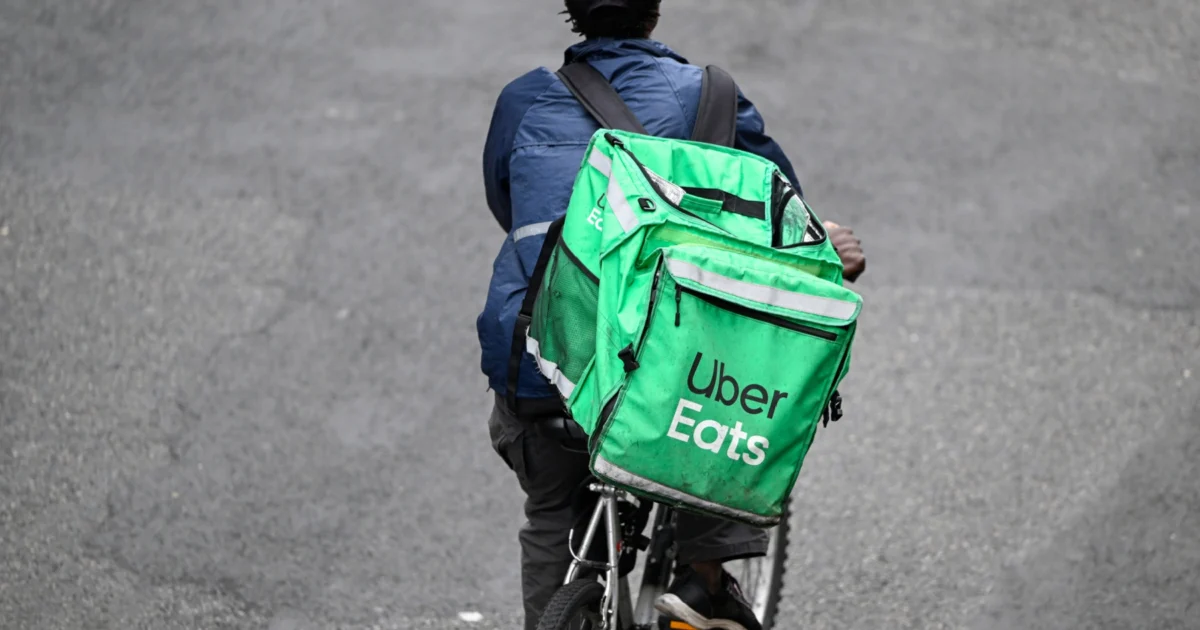
Uber is poised to significantly reshape the global food delivery landscape with its monumental $14.8 billion acquisition of Germany-based delivery giant Delivery Hero. This ambitious move, long anticipated within the industry, promises to nearly double Uber Eats’ operational footprint, extending its reach to a formidable 99 markets worldwide and solidifying its position as a major player in the rapidly consolidating global food delivery sector. The transaction underscores a broader trend of consolidation as major delivery platforms seek scale and market dominance in an increasingly competitive environment.
Strategic Expansion and Market Consolidation
The acquisition of Delivery Hero represents a strategic leap for Uber, aiming to leverage Delivery Hero’s established presence in key international markets to accelerate Uber Eats’ global growth. This deal not only expands Uber’s geographical reach but also aims to capitalize on the synergies between its ride-sharing and delivery services, a strategy that has proven effective in driving customer engagement and spending through its Uber One membership program.
The combined entity generated an impressive $236 billion in gross bookings in the past year, with Uber contributing approximately $193 billion and Delivery Hero adding $43 billion. This significant financial scale underscores the market power of the merged company.
Uber CEO Dara Khosrowshahi articulated the strategic vision behind the acquisition, stating, "This deal will bring Uber to many millions more people in many of the world’s most dynamic economies." He further emphasized the anticipated benefits, noting that the transaction will nearly double the number of markets where Uber offers both rides and deliveries, increasing this figure from 34 to 58. This expansion into integrated mobility and delivery services is a core tenet of Uber’s long-term growth strategy, as customers who utilize both services tend to exhibit higher engagement and spending patterns.
Divesting Overlapping Markets: A Calculated Move
As part of the overarching deal, Delivery Hero is concurrently divesting its operations in 14 markets to New York-based SSW Partners for $1.6 billion. This strategic divestment is designed to eliminate direct competition in regions where both Uber Eats and Delivery Hero currently operate. By shedding these overlapping territories, Uber can focus on integrating Delivery Hero’s remaining assets without cannibalizing its existing market share in those specific locations.
The sale of these 14 markets leaves Uber with the formidable task of integrating Delivery Hero’s operations across 50 distinct markets. These territories span a diverse geographical spread, including significant portions of Asia, Europe, Central and South America, Africa, and the Middle East. Delivery Hero operates under a multitude of well-recognized local brand names within these regions, such as Foodpanda in Asia, Glovo in Europe and Africa, and Talabat in the Middle East. The integration of these diverse brands under the Uber umbrella presents both an opportunity for enhanced brand recognition and a complex operational challenge.
Deep Dive into Delivery Hero’s Operations and Market Position
Delivery Hero, founded in 2011, has a history of aggressive global expansion fueled by a series of strategic acquisitions. Its market presence is particularly strong in Asia, followed by the Middle East, Europe, and the Americas. It stands as one of the world’s largest food delivery companies, competing alongside other major players like Meituan, DoorDash, Uber Eats, and Zomato.
The company has been publicly traded on the Frankfurt Stock Exchange since 2017. Uber’s involvement with Delivery Hero predates this acquisition, with Uber having taken a significant stake in the company in 2024, currently holding approximately 25% ownership. This prior investment likely provided Uber with valuable insights into Delivery Hero’s operations and financial performance, paving the way for the current, much larger transaction.
However, Delivery Hero has recently experienced a slowdown in its growth trajectory. This deceleration can be attributed to intense market competition and broader economic pressures impacting consumer spending. Financial filings from 2025 indicated a modest increase in gross marketplace volume of just 0.9%, reaching $56 billion. This moderation in growth may have contributed to Delivery Hero’s willingness to explore strategic alternatives, making the acquisition by Uber a timely and potentially beneficial outcome for its stakeholders.
Kristin Skogen Lund, Board Chair of Delivery Hero, commented on the deal, stating that joining forces with Uber represents "the right move for Delivery Hero to best secure its future competitiveness and ability to deliver value for all our stakeholders." This statement suggests a forward-looking perspective, aiming to ensure the long-term viability and profitability of the business through this strategic partnership.
Regulatory Hurdles and Strategic Advantages
The sheer scale of the Uber-Delivery Hero combination, spanning nearly 60 overlapping markets, is likely to attract significant regulatory scrutiny. Antitrust authorities in various jurisdictions will be examining the deal to assess its potential impact on market competition, consumer choice, and pricing.
However, Uber executives have expressed confidence in their ability to navigate these regulatory landscapes. They highlight that the overlap is primarily between Uber’s ride-sharing business and Delivery Hero’s operations, rather than a direct overlap of delivery services on delivery services. Khosrowshahi stated, "We don’t have any overlap as it relates to delivery business on top of delivery business," a point crucial for potentially mitigating antitrust concerns. This distinction, if accepted by regulators, could ease the path to approval.
The successful closure of this deal would significantly bolster Uber’s global competitive standing. In the United States, rival DoorDash has also been aggressively pursuing international expansion, notably through its acquisitions of Wolt and Deliveroo, which have expanded its presence to over 40 countries. The Uber-Delivery Hero merger would position Uber to more effectively compete with such global rivals, offering a more comprehensive suite of services across a wider geographic area.
The news of the impending acquisition had a positive immediate impact on Uber’s stock, with shares rising 1% mid-Thursday, reflecting investor confidence in the strategic rationale and potential financial benefits of the deal.
The Broader Implications for the Food Delivery Ecosystem
The consolidation trend, exemplified by this Uber-Delivery Hero deal, signals a maturing market for food delivery. As the initial hyper-growth phase subsides, companies are increasingly prioritizing profitability and market share consolidation. This could lead to fewer, larger players dominating the landscape, potentially altering the dynamics for restaurants, consumers, and delivery workers.
For restaurants, a more consolidated market might mean increased bargaining power for delivery platforms, potentially leading to higher commission fees. However, it could also offer access to a larger customer base and more sophisticated marketing tools through a single dominant platform.
Consumers may benefit from greater convenience and potentially more competitive pricing due to economies of scale. The integration of rides and deliveries could also lead to more streamlined user experiences and attractive loyalty programs.
The impact on delivery workers remains a key area of consideration. While larger platforms can offer more consistent work, consolidation could also lead to intensified competition for delivery slots and potential downward pressure on wages or per-delivery fees if platforms seek to optimize costs.
This landmark acquisition by Uber is not merely a financial transaction; it represents a strategic realignment of global food delivery, promising to redefine market dynamics and consumer experiences across continents for years to come. The successful integration of Delivery Hero’s diverse operations will be a critical determinant of Uber’s ultimate success in achieving its ambitious global ambitions.
