

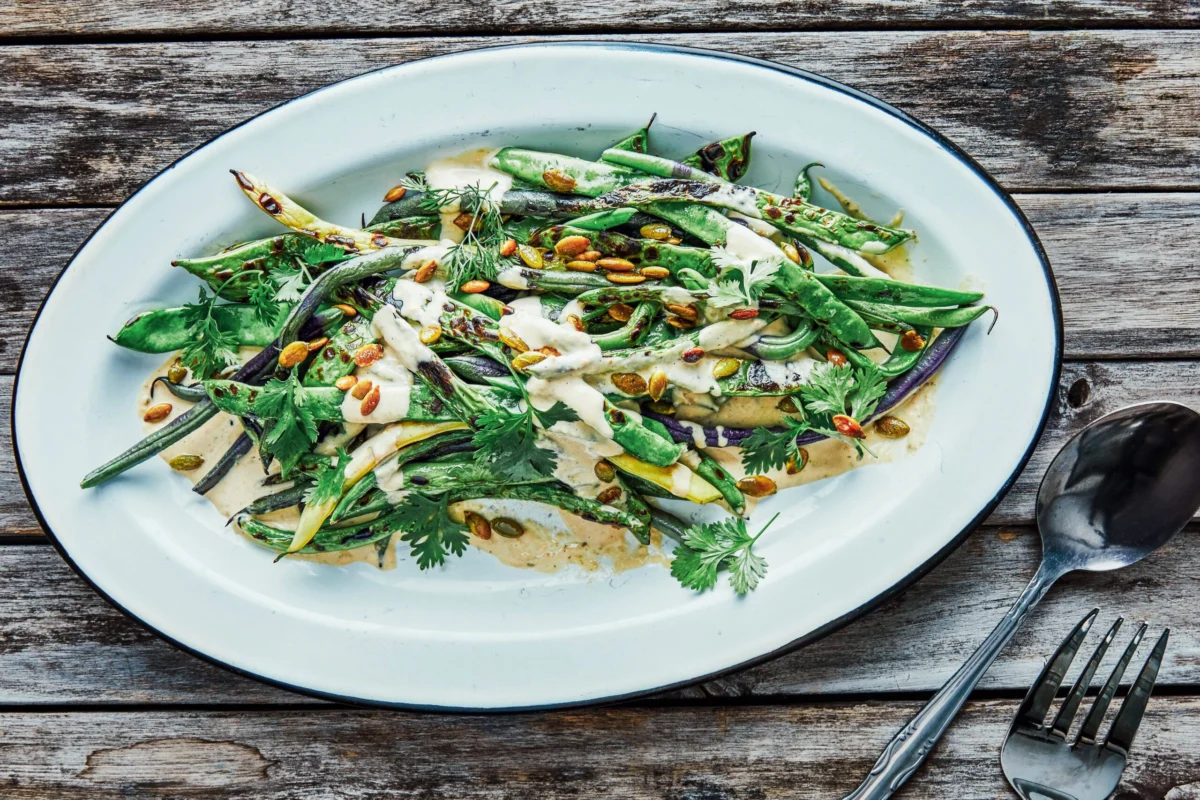
Originating from the culinary traditions of Piedmont, Italy, tonnato, a creamy sauce primarily composed of preserved tuna and anchovies, has transcended its traditional role as a mere accompaniment to veal and emerged as a versatile, indispensable condiment in contemporary gastronomy. What was once the defining component of vitello tonnato, a classic Piedmontese dish featuring thinly sliced cold veal draped in the distinctive sauce, has now found broad application across an array of dishes, from roasted vegetables and gourmet sandwiches to innovative dips and sophisticated salad dressings. This culinary evolution highlights tonnato’s inherent adaptability and rich flavor profile, solidifying its place in both home kitchens and high-end restaurants worldwide.
Historical Roots and Traditional Formulation in Piedmontese Cuisine
Tonnato’s history is deeply intertwined with that of vitello tonnato, a dish that dates back centuries in the Piedmont region of Northern Italy. Piedmont, landlocked yet strategically positioned for trade, historically relied on preserved ingredients, particularly salted and cured meats and fish, which were transported from coastal areas like Liguria. The practice of combining meat with fish, while seemingly unusual to some modern palates, was a clever culinary innovation born out of necessity and a desire to enhance flavor. The veal, often leaner, benefited from the richness and umami imparted by the tuna sauce, creating a balanced and satisfying meal.
Traditionally, tonnato was a more labor-intensive preparation. The core ingredients included high-quality oil-packed tuna (often tonno sott’olio), salt-cured anchovies, capers, lemon juice, extra virgin olive oil, and often raw egg yolks. The process involved meticulously puréeing the fish and other ingredients, then slowly emulsifying the mixture with olive oil, similar to making mayonnaise from scratch, to achieve a smooth, creamy consistency. The egg yolks acted as the primary emulsifier, lending the sauce its characteristic richness and stability. The flavor profile was a delicate balance of briny, savory notes from the tuna and anchovies, bright acidity from the lemon, and the peppery depth of good olive oil. This traditional method, still cherished by purists, emphasized texture and flavor development through careful, gradual incorporation of ingredients.
The Modern Evolution of Tonnato: Convenience Meets Culinary Creativity
In recent decades, tonnato has undergone a significant transformation, largely driven by advancements in kitchen technology and evolving culinary preferences for convenience and adaptability. The advent of food processors and blenders has democratized the sauce’s preparation, allowing for rapid emulsification and a consistently smooth texture without the manual effort once required. This technological shift has been pivotal in tonnato’s move from a specialty item to a more accessible condiment.
A key modern adaptation involves the substitution of raw egg yolks with mayonnaise. This "shortcut" version streamlines the process, eliminates concerns about raw eggs, and offers a consistently creamy base. While some traditionalists might argue it deviates from the authentic flavor, this adaptation has significantly broadened tonnato’s appeal and ease of preparation for the home cook. Furthermore, modern recipes frequently incorporate additional ingredients like capers, which were sometimes optional in older versions, to introduce an extra layer of briny, pungent flavor that complements the richness of the tuna and anchovy. Some contemporary chefs also experiment with ingredients like roasted garlic, fresh herbs, or a touch of Dijon mustard to further personalize the sauce’s character, showcasing its incredible flexibility.

Sensory Profile: Beyond the Tuna Salad Comparison
While some might draw a superficial comparison between tonnato and tuna salad due to their shared primary ingredient, tuna, the two are fundamentally distinct in texture, complexity, and culinary application. Tuna salad typically features discernible flakes of tuna, often mixed with chopped vegetables like celery and onions, bound by mayonnaise, resulting in a chunkier, more rustic texture. Tonnato, by contrast, is meticulously blended until it achieves a silky, velvety smoothness, creating a sophisticated emulsion that coats the palate rather than chunky pieces.
The flavor profile of tonnato is also far more nuanced. It is rich without being heavy, thanks to the brightness of lemon juice and the often subtle, yet impactful, brininess of capers and anchovies. The anchovies, often a point of contention for those wary of "fishy" flavors, are crucial. When blended into the sauce, they do not impart an overt fishy taste but rather a profound depth of umami, grounding the creamy texture and elevating the overall savory character. This umami backbone ensures that the tuna flavor, while present, is never overpowering, contributing to a harmonious and balanced taste experience that is both deeply satisfying and refreshingly bright. Culinary experts often highlight this delicate balance as the secret to tonnato’s widespread appeal, distinguishing it from simpler, less refined tuna-based preparations.
Nutritional Aspects and Health Implications
Beyond its exquisite taste, tonnato, particularly in its more traditional or health-conscious formulations, offers several nutritional benefits. The primary ingredient, tuna, is an excellent source of lean protein and, crucially, omega-3 fatty acids (EPA and DHA). These essential fatty acids are renowned for their role in supporting cardiovascular health, reducing inflammation, and promoting cognitive function by improving the general function of cell receptors. A typical serving of tonnato, especially when prepared with oil-packed tuna, contributes significantly to these beneficial fat intakes.
Extra virgin olive oil, a cornerstone of tonnato, further enhances its nutritional value. Olive oil is rich in monounsaturated fatty acids, which are associated with reduced risk of heart disease, and potent antioxidants like polyphenols. When paired with fresh or roasted vegetables, tonnato becomes a component of a nutrient-dense meal, providing healthy fats, protein, and a spectrum of vitamins and minerals. While the sauce can be calorically dense due to its oil and mayonnaise content, moderate consumption, particularly when balanced with fiber-rich vegetables, aligns well with a balanced diet. Nutritionists often advocate for the inclusion of omega-3 rich foods, and tonnato offers a flavorful means to achieve this, making it a "wellness" ingredient in the context of a Mediterranean-style diet.
Versatility in the Modern Kitchen: A Culinary Chameleon
The true testament to tonnato’s contemporary relevance lies in its astonishing versatility. What began as a specific sauce for veal has evolved into a culinary chameleon, capable of enhancing an extraordinary range of dishes.

-
Elevating Vegetables: Tonnato has found a natural pairing with vegetables, especially roasted or grilled varieties. Charred broccoli, asparagus, green beans, cauliflower, and squash all benefit immensely from a generous spooning of the creamy, savory sauce. Chefs like Rick Martinez have explored variations, such as a habanero-spiked tonnato with lime juice for grilled green beans, showcasing its adaptability to different flavor profiles. Joshua McFadden, in his acclaimed cookbook Six Seasons, features an anchovy-free version as a dip for charred broccoli and also suggests schmearing tonnato on toast topped with soft-boiled eggs, illustrating its application in lighter meals. Chef Amelia Rampe even developed a cashew-based tonnato, substituting the egg/mayo element for a nutty, plant-based alternative, demonstrating its potential for dietary inclusivity.
-
Sandwich Spreads and Dips: As a sandwich spread, tonnato offers a sophisticated alternative to conventional condiments. It pairs exceptionally well with leftover roast turkey breast, pork tenderloin, or even a thick slice of ripe tomato, adding richness and a savory depth that elevates simple ingredients. For deviled eggs, cookbook author Anna Stockwell has created a tonnato filling, transforming a classic appetizer into an unexpected gourmet delight. Beyond this, it serves as an exquisite dip for crudités, providing an elegant option for entertaining or healthy snacking.
-
Salad Dressings: When thinned with additional lemon juice and olive oil, tonnato transforms into a creamy vinaigrette. This adaptation is perfect for classic salads like Niçoise, adding a luxurious, integrated dressing, or for enriching potato salad. It can also simply dress mixed greens, turning a basic side dish into a flavorful culinary experience. This functional flexibility underscores its utility across different meal components.
Broader Impact and Culinary Trends
Tonnato’s resurgence aligns with several significant culinary trends. The growing appreciation for "tinned fish" and preserved seafood, often celebrated for its convenience, flavor, and sustainability, positions tonnato perfectly. Consumers are increasingly seeking out high-quality, flavorful condiments that can elevate everyday meals, and tonnato fits this niche precisely. Its sophisticated yet approachable profile appeals to both adventurous home cooks and seasoned chefs looking to innovate.
The sauce also embodies a broader movement towards ingredient-focused cooking, where simple, quality components are allowed to shine. Its transformation from a regional specialty to a global phenomenon reflects a universal appetite for bold, umami-rich flavors and versatile preparations that bridge traditional techniques with modern lifestyles. The ongoing experimentation by chefs, from adapting its base to incorporating diverse spices and ingredients, suggests that tonnato’s culinary journey is far from over. It stands as a testament to the enduring power of classic recipes to inspire continuous innovation and adaptation in the ever-evolving landscape of global cuisine.
In conclusion, tonnato, once a humble yet elegant sauce from Piedmont, has journeyed from its specific role in vitello tonnato to become a celebrated, highly adaptable condiment. Its rich history, complex flavor profile, nutritional benefits, and remarkable versatility have cemented its status as a culinary staple that continues to inspire and delight palates across the globe, proving that some traditions are simply too good not to evolve.
