

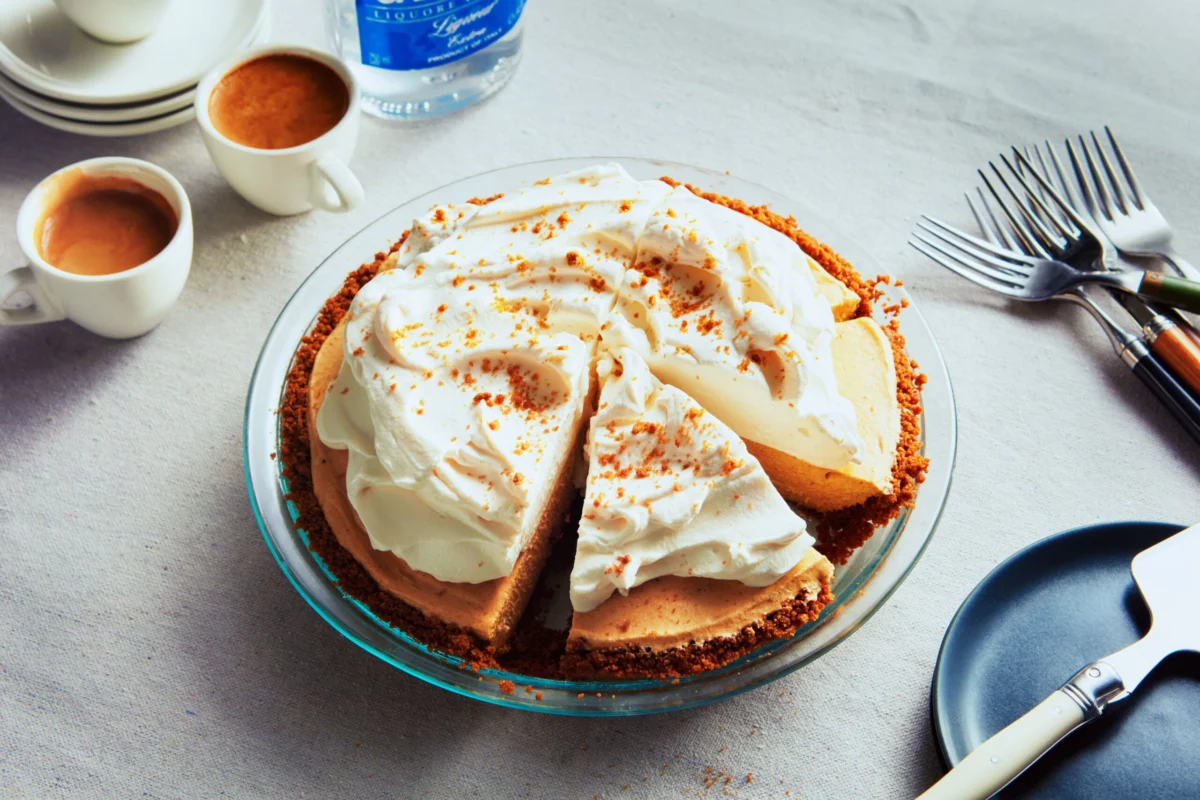
The rich, earthy, and subtly sweet profile of pumpkin, particularly in its convenient puréed form, has solidified its status as a quintessential ingredient in autumnal baking, extending far beyond the traditional Thanksgiving pie. From plush, gingery pumpkin bread to sophisticated spice-laden cakes slathered in cream cheese frosting, and cookies studded with chocolate and pecans, the versatility of canned pumpkin purée continues to inspire a vast array of dessert creations that captivate palates across the nation. This widespread culinary embrace underscores pumpkin’s enduring appeal, transforming humble squash into a cornerstone of seasonal indulgence and a catalyst for baking innovation.

The Historical Roots and Culinary Evolution of Pumpkin

The journey of the pumpkin from an indigenous North American crop to a beloved global culinary staple is a testament to its adaptability and nutritional value. Indigenous peoples cultivated pumpkins, gourds, and other squashes for thousands of years, long before European contact. These early cultivars were integral to their diets, often roasted, boiled, or dried for storage, providing sustenance through harsh winters. When European explorers arrived, they quickly recognized the plant’s potential, bringing pumpkin seeds back to their homelands. However, it was in the American colonies that pumpkin truly began its transformation into a culinary icon, particularly as a foundational ingredient for pies. Early colonial recipes for pumpkin pie were quite different from today’s versions, often involving hollowing out a pumpkin, filling it with milk, spices, and honey, and baking it directly in the ashes of a fire.

The nineteenth century saw pumpkin pie solidify its place as an American culinary tradition, especially in New England. Cookbooks of the era began featuring more refined versions, often using crusts and a custard-like filling. This period also marked the beginning of pumpkin’s strong association with harvest festivals and, eventually, Thanksgiving. Its orange hue and comforting flavor became synonymous with autumn, a symbol of bounty and hearth.

The Transformative Impact of Canned Pumpkin Purée

While fresh pumpkins were always available seasonally, the advent of commercially canned pumpkin purée in the early 20th century revolutionized home baking. This innovation significantly broadened pumpkin’s accessibility and extended its usability beyond the harvest season, making it a year-round pantry staple. Companies like Libby’s played a pivotal role in this transformation, establishing large-scale processing operations that ensured a consistent supply of high-quality pumpkin purée.

Canned pumpkin purée offers several distinct advantages over preparing fresh pumpkin from scratch. Firstly, convenience is paramount; it eliminates the arduous tasks of roasting, peeling, and pureeing a whole squash. Secondly, canned purée provides remarkable consistency in texture and moisture content, crucial for reliable baking results. While one might assume canned pumpkin is made from the carving pumpkins seen at Halloween, the industry primarily uses specific varieties of "pie pumpkins" or "sugar pumpkins," such as the Dickinson pumpkin, which are bred for their dense, sweet flesh and lower water content, making them ideal for baking. These varieties yield a smoother, richer purée that holds up well in custards, breads, and cakes, ensuring the desired creamy texture and concentrated flavor. This consistency has been a key factor in its enduring popularity, empowering home bakers to achieve professional-level results with minimal effort.

A Symphony of Flavors: The Allure of Pumpkin and Spice

The intrinsic appeal of pumpkin desserts lies not only in the ingredient itself but also in its remarkable affinity for a specific palette of spices. The "pumpkin spice" blend, typically a harmonious mix of cinnamon, nutmeg, ginger, cloves, and allspice, elevates pumpkin’s mild sweetness and earthy undertones, creating a warm, inviting, and complex flavor profile. This blend has become so iconic that it has transcended its origins, permeating a wide array of non-dessert products, from coffee beverages to cereals, further solidifying pumpkin’s cultural footprint.

The culinary science behind this pairing is rooted in the volatile aromatic compounds present in both pumpkin and these spices. Pumpkin’s carotenoids, responsible for its vibrant orange color, also contribute subtle earthy and sweet notes. When combined with the pungent, sweet, and slightly peppery notes of cinnamon, the warm, woody aroma of nutmeg, the zesty kick of ginger, the intense sweetness of cloves, and the complex bouquet of allspice, a synergistic effect occurs, creating a flavor experience that is unmistakably autumnal and deeply comforting. This robust flavor foundation allows for incredible creativity in dessert development, as the pumpkin-spice base can be complemented by a myriad of other ingredients.

Beyond the Pie: A New Wave of Pumpkin Dessert Innovation

While pumpkin pie remains an undisputed classic, the culinary landscape has witnessed a significant expansion in pumpkin dessert offerings, driven by chefs, food bloggers, and adventurous home bakers. The modern era of pumpkin baking embraces global influences, innovative techniques, and creative ingredient pairings, transforming the humble purée into components of sophisticated and exciting treats.

Consider the diversity:

- Plush Pumpkin Bread: A quintessential autumnal bake, often infused with ginger, cinnamon, and nutmeg, offering a moist crumb perfect for breakfast or an afternoon snack. Variations might include cream cheese swirls or a streusel topping.
- Cookies Studded with Chocolate and Pecans: The addition of chocolate provides a bittersweet counterpoint to pumpkin’s sweetness, while pecans add a delightful crunch and nutty depth, creating a complex textural and flavor experience.
- Spice-Laden Cakes with Cream Cheese Frosting: This pairing is a natural extension of carrot cake’s popularity. The tangy, rich cream cheese frosting perfectly balances the sweet and spicy notes of a moist pumpkin cake, creating a decadent dessert suitable for any celebration.
- Chewy Pumpkin Mochi Crumb Cake: This innovative dessert showcases a fusion of Asian and American baking traditions. Mochi, a Japanese rice cake, lends a unique chewy texture, while the crumb topping adds a familiar crunch. The pumpkin flavor is integrated into the mochi or cake base, creating an intriguing textural and flavor combination that appeals to a broader palate.
- Lush Pumpkin Tiramisu: A seasonal twist on the classic Italian dessert. Layers of coffee-soaked ladyfingers are replaced or complemented by pumpkin-spiced cake or cookies, intermingled with a rich mascarpone cream infused with pumpkin purée and autumnal spices. This creates a luxurious and deeply flavorful dessert that reimagines a beloved staple.
- Basque Cheesecake with a Burnished Umber Top: The rustic elegance of a Basque cheesecake, known for its caramelized, almost burnt exterior and creamy, custardy interior, is perfectly suited to incorporating pumpkin. The pumpkin purée adds moisture and a subtle sweetness, while its natural sugars contribute to the cheesecake’s characteristic burnished top, offering a visually stunning and intensely flavorful dessert.
- Pumpkin Chiffon Pie: A lighter alternative to the traditional dense pumpkin custard pie. This dessert features a delicate, airy pumpkin-spiced filling, often stabilized with gelatin or egg whites, offering a refreshing contrast to its richer counterparts. Topped with whipped cream and perhaps Biscoff cookie crumbs, as seen in recent culinary presentations, it provides a sophisticated take on a classic.
These examples illustrate a broader trend in culinary arts: the willingness to experiment with traditional ingredients and integrate them into new contexts. Food media, including publications like Bon Appétit, play a crucial role in popularizing these innovations, providing accessible recipes that empower home bakers to explore new horizons beyond their comfort zones. This continuous evolution ensures that pumpkin remains relevant and exciting in the ever-changing world of gastronomy.

The Economic Footprint of the Pumpkin Industry

The widespread demand for pumpkin, particularly in its processed form, underpins a significant agricultural and industrial sector. The United States is a leading producer of pumpkins, with Illinois consistently topping the charts for processing pumpkin acreage. Unlike the large, decorative pumpkins sold for carving, processing pumpkins are specifically cultivated for their flesh, yielding a higher volume of purée per acre. Farmers carefully manage their crops, often contracting with major processors months or even years in advance to ensure a steady supply.

The economic impact of pumpkin extends far beyond the farm gate. The retail market for canned pumpkin purée experiences a dramatic surge in demand during the third and fourth quarters of the year, correlating directly with the autumn baking season and major holidays. Industry reports frequently highlight significant sales peaks in October and November. This seasonal demand also fuels related product categories, from specialty flours and baking spices to decorative baking supplies.

Furthermore, the "pumpkin spice" phenomenon has created a multi-billion-dollar industry, with consumer spending on pumpkin-flavored products encompassing everything from beverages to snacks. While exact figures for pumpkin dessert sales alone are challenging to isolate, the broader pumpkin-flavored market signals robust consumer interest and willingness to purchase seasonal items. This economic activity supports numerous jobs across agriculture, manufacturing, logistics, and retail, demonstrating the substantial financial impact of this seemingly humble squash.

Consumer Engagement and the Revival of Home Baking

The enduring appeal of pumpkin desserts is deeply intertwined with consumer engagement and the resurgence of home baking. For many, baking with pumpkin is more than just preparing a meal; it’s a cherished ritual, a connection to tradition, and an act of creating comfort and warmth. The aroma of pumpkin bread baking in the oven evokes nostalgia and signals the arrival of the holiday season.

The digital age has further amplified this engagement. Online recipe platforms, food blogs, and social media channels are awash with pumpkin recipes, tutorials, and visually appealing food photography, inspiring millions of home bakers. The accessibility of these resources has democratized culinary exploration, allowing individuals to easily discover new variations of classic pumpkin dishes or experiment with avant-garde pumpkin creations. Baking has also become a popular form of creative expression and a way to connect with family and friends, particularly during festive occasions like Thanksgiving, where a meticulously prepared dessert spread is often the highlight. This communal aspect reinforces the emotional and cultural significance of pumpkin desserts.

Challenges and Future Outlook for Pumpkin’s Culinary Reign

Despite its strong market position, the pumpkin industry faces ongoing challenges. Agricultural production is inherently susceptible to environmental factors; adverse weather conditions, such as droughts or excessive rainfall, can significantly impact harvests, leading to fluctuations in supply and price. Processors must navigate these uncertainties to ensure a consistent volume of high-quality purée reaches consumers.

Looking ahead, the future of pumpkin in the culinary world appears vibrant and dynamic. While traditional favorites will undoubtedly maintain their stronghold, consumer tastes are continuously evolving. There is a growing demand for innovative flavor combinations, healthier alternatives, and globally inspired dishes. This trend encourages culinary professionals and food developers to push boundaries, exploring new applications for pumpkin beyond its conventional sweet role, perhaps integrating it more into savory dishes or plant-based alternatives.

Moreover, sustainability is an increasingly important consideration for consumers and producers alike. Efforts to implement sustainable farming practices in pumpkin cultivation, reduce food waste in processing, and promote eco-friendly packaging are likely to shape the industry’s trajectory.

In conclusion, pumpkin, particularly in its versatile canned purée form, stands as a testament to culinary adaptability and enduring cultural significance. From its ancient origins to its modern-day manifestation in a dazzling array of desserts, pumpkin continues to captivate and comfort. Its consistent presence on autumn tables and its expanding role in innovative baking demonstrate its unwavering appeal, ensuring that there will always be countless delicious reasons to open another can of pumpkin, celebrating its rich heritage and promising future in the world of gastronomy.
