

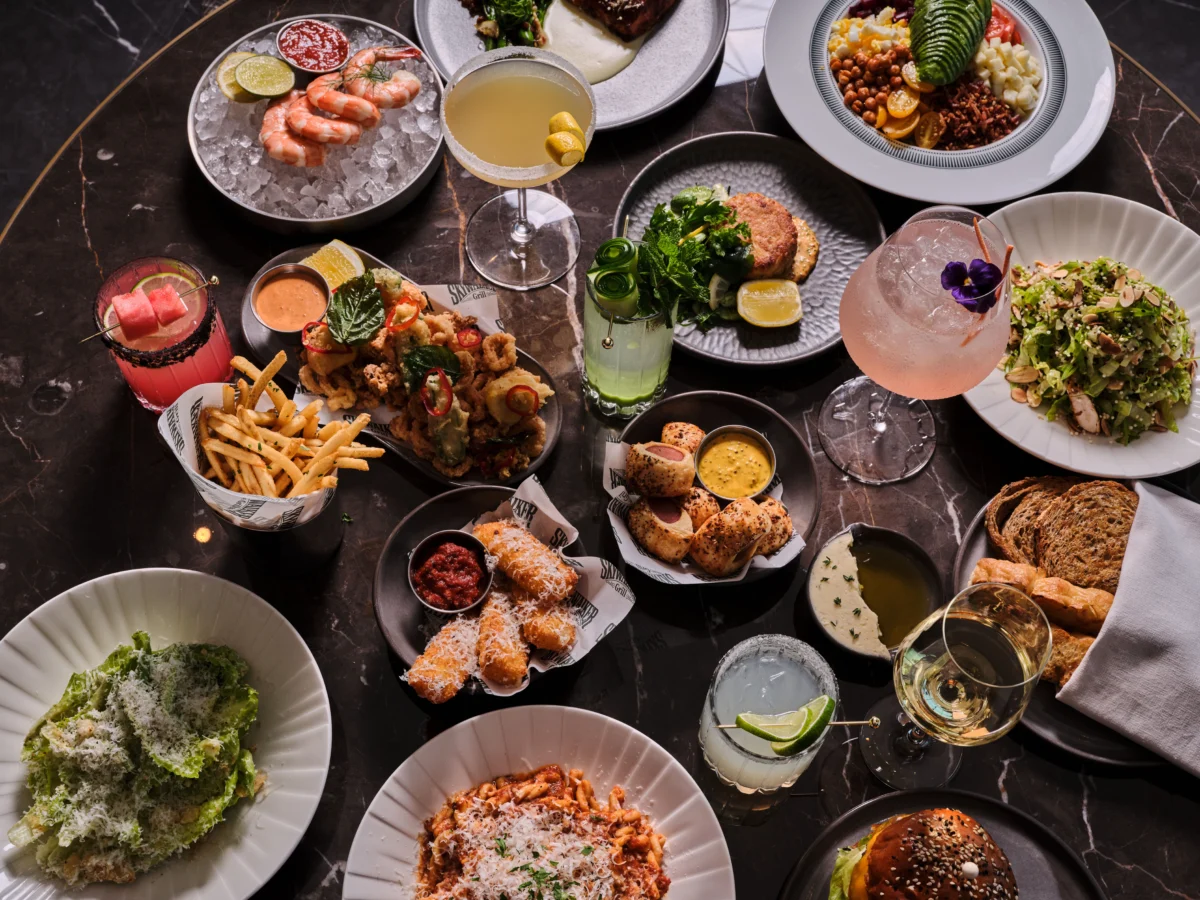
Perched on the uppermost floor of the newly opened Lucas Museum of Narrative Art in Los Angeles, Skywalker Grill stands as a testament to thoughtful design and culinary philosophy, defying expectations for a dining establishment housed within a monumental cultural institution. This sprawling museum, a project that culminated in an investment exceeding $1 billion, presents a striking architectural marvel with its undulating forms and panoramic vistas of the sprawling Los Angeles skyline. Given its grand scale and sophisticated surroundings, one might anticipate a culinary experience defined by intricate, avant-garde dishes, perhaps involving foams, delicate sauce art, and multi-course tasting menus commanding exorbitant prices. Instead, Skywalker Grill has intentionally charted a different course, offering a menu rooted in familiar, crowd-pleasing fare, albeit executed with an elevated touch that redefines the concept of accessible luxury.
The Genesis of a Cultural Landmark: The Lucas Museum of Narrative Art
The Lucas Museum of Narrative Art, a long-gestating passion project spearheaded by legendary filmmaker George Lucas and his wife, prominent business executive Mellody Hobson, represents a significant addition to Los Angeles’s already vibrant cultural landscape. Its journey from concept to reality was marked by a series of site considerations and ambitious architectural plans, ultimately finding its home in Exposition Park. The museum’s core mission is to explore the art of visual storytelling, showcasing a diverse collection that spans film history, illustration, digital art, and comics, aiming to inspire new generations of creators and art enthusiasts.
The architectural design, masterminded by the Beijing-based MAD Architects under the leadership of Ma Yansong, is a sculptural triumph. Characterized by its organic, cloud-like silhouette and the deliberate absence of right angles throughout its interior, the building itself is a work of narrative art. This fluid design fosters a sense of continuous movement and exploration, encouraging visitors to engage with the spaces in an intuitive, unconstrained manner. The use of natural light, sweeping curves, and custom-designed elements contributes to an immersive environment that is both grand and surprisingly inviting. The museum’s ethos, championed by Lucas and Hobson, emphasizes inclusivity and accessibility. This commitment is evident in various operational aspects, including free entry for visitors under the age of 17 and for residents of specific local zip codes, alongside a deliberately affordable lobby cafe offering items like a $2 grilled cheese sandwich. These measures collectively underscore a desire to democratize art and culture, making the institution welcoming to a broad spectrum of the public, irrespective of socioeconomic background.

Skywalker Grill: A Culinary Extension of the Museum’s Vision
Skywalker Grill, strategically positioned on the museum’s top floor, is not merely a dining facility but an integral part of this overarching vision. Its location affords diners breathtaking, unobstructed views of the city, from the downtown skyline to the distant Hollywood Hills, providing a dramatic backdrop to the dining experience. The interior design of the restaurant meticulously mirrors the museum’s architectural language. Guests are enveloped by undulating walls that echo the exterior’s organic forms, soaring ceilings that create an expansive feel, and completely custom-designed furniture that contributes to a cohesive aesthetic. Plush velvet chairs with robust back support and generous cushioning invite lingering, while sleek black marble tables are thoughtfully spaced to ensure privacy, making it "nearly impossible to hear another party’s conversation." This intentional spacing, coupled with the wave-like architecture of the banquettes, creates intimate nooks within the larger dining space, further enhancing the sense of personal comfort and exclusivity.
A critical component of the restaurant’s welcoming atmosphere is its commitment to superior acoustics. The designers employed innovative solutions, including felt under the tables and liberal application of acoustic plaster, to absorb sound effectively. This meticulous attention to sound dampening ensures that even when the restaurant is bustling with activity, the ambient noise remains subdued, allowing for relaxed conversation and a serene dining environment. The extensive use of cherrywood throughout the space is another deliberate choice, signaling a commitment to durability and timelessness. Known for its rich patina that deepens with age, cherrywood speaks to George Lucas’s stated desire to construct a place built to endure, a legacy that will extend far beyond his lifetime. This blend of architectural grandeur, ergonomic comfort, and acoustic sophistication creates a dining room that is both visually stunning and profoundly comfortable.
The restaurant’s guiding principle, succinctly captured on its Resy reservation page, is "Come as you are. Stay for the experience." This simple yet powerful statement encapsulates the museum’s broader philosophy of accessibility and unpretentious excellence, extending it directly to the culinary domain. It signals that despite the luxurious setting and billion-dollar pedigree, Skywalker Grill aims to be a place where everyone feels at ease, free from the rigid formalities often associated with high-end dining.
Diego Cardoso’s Menu: The Art of Elevated Comfort
At the helm of Skywalker Grill’s culinary operations is Diego Cardoso, the museum’s culinary director, who has masterfully crafted a menu that embodies the "high-low" philosophy. Cardoso’s approach is to take familiar, beloved dishes and elevate them through the use of exceptional ingredients, meticulous preparation, and subtle refinements, without sacrificing their inherent comfort and approachability. This strategy results in a dining experience that feels both luxurious and refreshingly down-to-earth, effectively bridging the gap between everyday favorites and gourmet aspirations.

Among the standout offerings are dishes that showcase this delicate balance. The spinach and artichoke dip, a perennial crowd-pleaser, is reimagined with a homemade touch, accompanied by ruffled potato chips made in-house, adding a layer of freshness and quality rarely found in similar preparations. The grilled salmon is not just a simple fish dish; it is lacquered with a delicate honey miso glaze, infusing it with umami and sweetness that elevates its flavor profile. These dishes illustrate a culinary ethos that can be likened to a beloved, casual eatery having a sophisticated, discerning cousin from Bel-Air – one who insists on only the finest ingredients and flawless execution.
The menu truly shines in its inventive twists on classic comfort foods. Chicken tenders, often relegated to children’s menus, are served with a generous ramekin of ranch dressing, surprisingly topped with caviar. This unexpected pairing is a playful yet sophisticated nod to the high-low concept, transforming a simple dipping sauce into a luxurious accompaniment. Perhaps the most celebrated item on the menu is the pigs in a blanket, which the original review lauded as "the best I’ve ever had." These are no ordinary cocktail frankfurters; they feature snappy wagyu beef hot dogs, encased in the flakiest, most buttery puff pastry, generously sprinkled with everything bagel seasoning for an added textural and flavor dimension. They are served with a truly exceptional grainy mustard, also made on-site, completing a dish that epitomizes the restaurant’s commitment to elevating the familiar.
Further reinforcing the menu’s strength are dishes like the Caesar salad, where "every leaf… is perfectly coated in a garlicky dressing," demonstrating attention to detail even in seemingly simple preparations. The sizable chicken Milanese is praised for being "crispy and golden," a testament to proper technique. And the mac and cheese, made with shell pasta – deemed "the ideal pasta shape" for capturing creamy sauce – is so rich and indulgent that it is argued it "deserves to be promoted from a side to a main." A unique offering, the chicken and wild mushroom crepe, pays homage to a personal favorite of George Lucas from a long-shuttered chain called the Magic Pan, adding a layer of personal history and nostalgia to the menu.
While the majority of the menu garners high praise, the culinary team is still refining certain aspects. A vegetarian pasta featuring patty pan squash and zucchini was noted as being "reminiscent of plane food," and a side of brussels sprouts reportedly arrived "limp and soggy." These minor missteps, however, are presented as exceptions within an otherwise robust and well-executed menu. For those seeking more opulent choices, Skywalker Grill also offers higher-priced options that maintain the commitment to quality ingredients. A $35 blue crab cake, a $52 lobster salad, and a $38 Wagyu burger, made with grass-fed beef sourced directly from Lucas’s own Skywalker Ranch, cater to guests desiring a more extravagant experience. Despite the premium ingredients, the pricing across the menu is generally perceived as offering good value, particularly given the generous portion sizes, with many tables observed leaving with leftovers boxed up to take home. This thoughtful approach to pricing and portioning further aligns with the museum’s ethos of accessibility, ensuring that a high-quality dining experience remains within reach for a broader audience.

The Phenomenon of Museum Dining: A Broader Trend
Since its opening in late September, Skywalker Grill has rapidly established itself as one of Los Angeles’s most sought-after dining destinations. Securing a table has proven challenging, with its Resy page indicating zero availability for tables of two for the remainder of the year. This intense demand reflects not only the inherent popularity of the Lucas Museum itself, which has quickly become a magnet for both locals and tourists, but also a burgeoning trend in the culinary world: museum restaurants evolving into attractions in their own right.
Los Angeles, a city renowned for its diverse culinary landscape, is at the forefront of this trend. Several other prominent cultural institutions in the city now boast destination restaurants that rival standalone establishments. The Hammer Museum, for instance, houses Lulu, a restaurant helmed by acclaimed chefs David Tanis and Alice Waters, drawing diners specifically for its farm-to-table California cuisine. Fanny’s, located within the Academy Museum of Motion Pictures, is another prime example, a sprawling 10,000-square-foot establishment that has become a scene-y hotspot, equally celebrated for its ambiance and menu. Even the Los Angeles County Museum of Art (LACMA) has embraced this trend, featuring a café concept from the popular upscale grocery chain Erewhon. Skywalker Grill fits seamlessly into this narrative, distinguishing itself by offering an unparalleled combination of architectural grandeur, culinary excellence, and a deeply ingrained ethos of approachability.
Subtle Nods to a Galactic Legacy
While Skywalker Grill intentionally avoids overt Star Wars theming, maintaining a sophisticated and timeless aesthetic, there are subtle, artful nods to George Lucas’s iconic franchise woven into the restaurant’s design. The curved bar, crafted from luminous cast-glass beams enveloped in silver leaf, takes on an "intergalactic glow" when illuminated at night, evoking the ethereal beauty of distant galaxies. In the private dining room, a meticulously designed chandelier is reportedly modeled after a specific dust cloud found in space, offering a more abstract, celestial tribute. These discreet design elements serve as elegant Easter eggs for fans, adding a layer of depth and appreciation without detracting from the restaurant’s sophisticated atmosphere. The more direct and often enthusiastic tributes, however, come from the diners themselves, many of whom proudly arrive sporting their most prized Star Wars apparel, creating an informal yet vibrant connection to the universe that inspired the museum’s founder.
Ultimately, Skywalker Grill’s greatest achievement lies in its "unpretentious cooking." The restaurant’s ability to transport diners to what feels like "another galaxy" through its breathtaking views and architectural splendor, while simultaneously grounding them with food that is "down-to-earth," represents a unique triumph. It embodies the core philosophy of the Lucas Museum of Narrative Art: to inspire, entertain, and welcome everyone, proving that world-class art and world-class dining can indeed coexist without exclusivity. This culinary gem not only complements its magnificent home but also sets a new standard for museum dining, inviting guests to embark on a journey that is both gastronomically satisfying and profoundly welcoming.
