

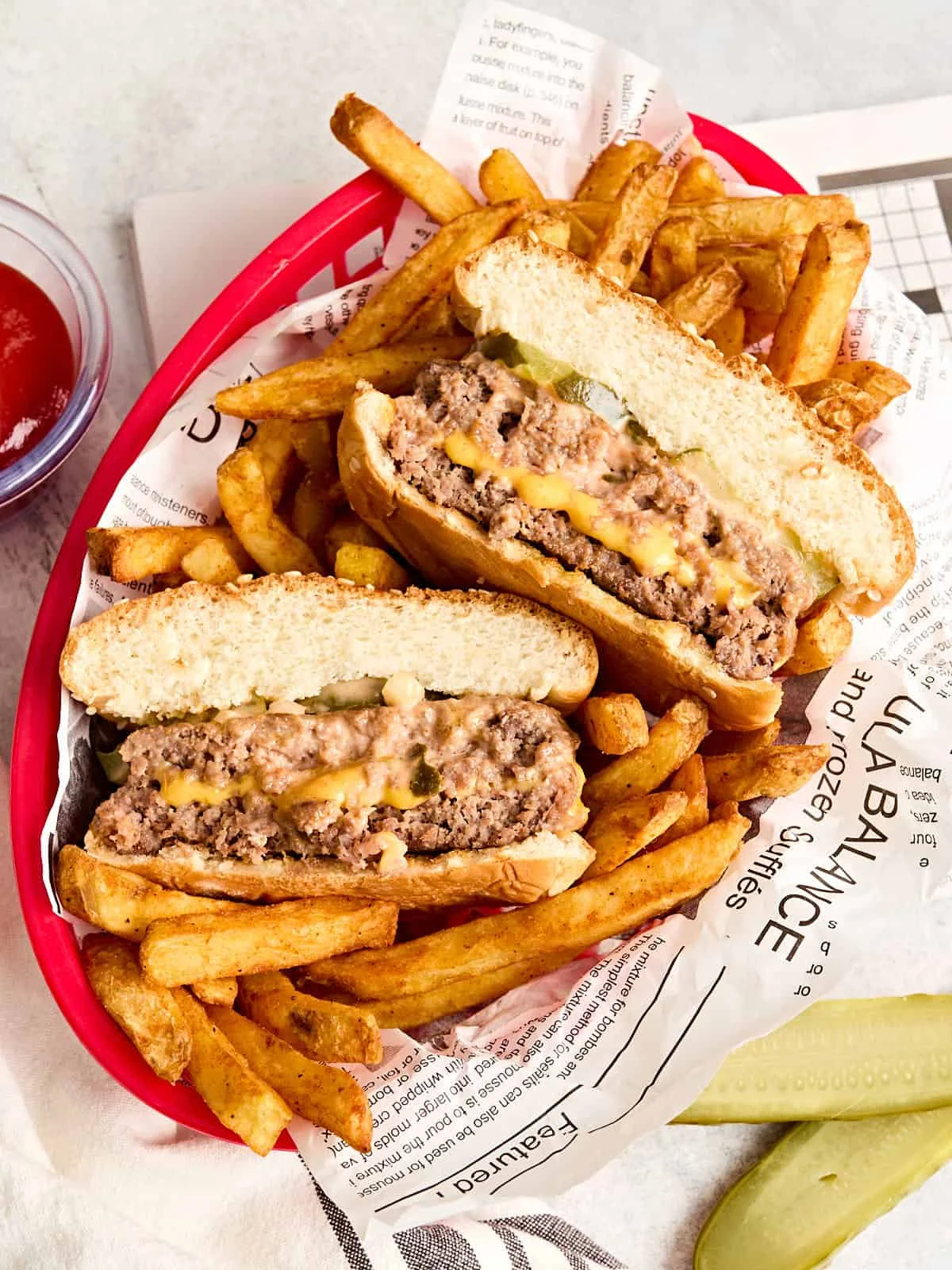
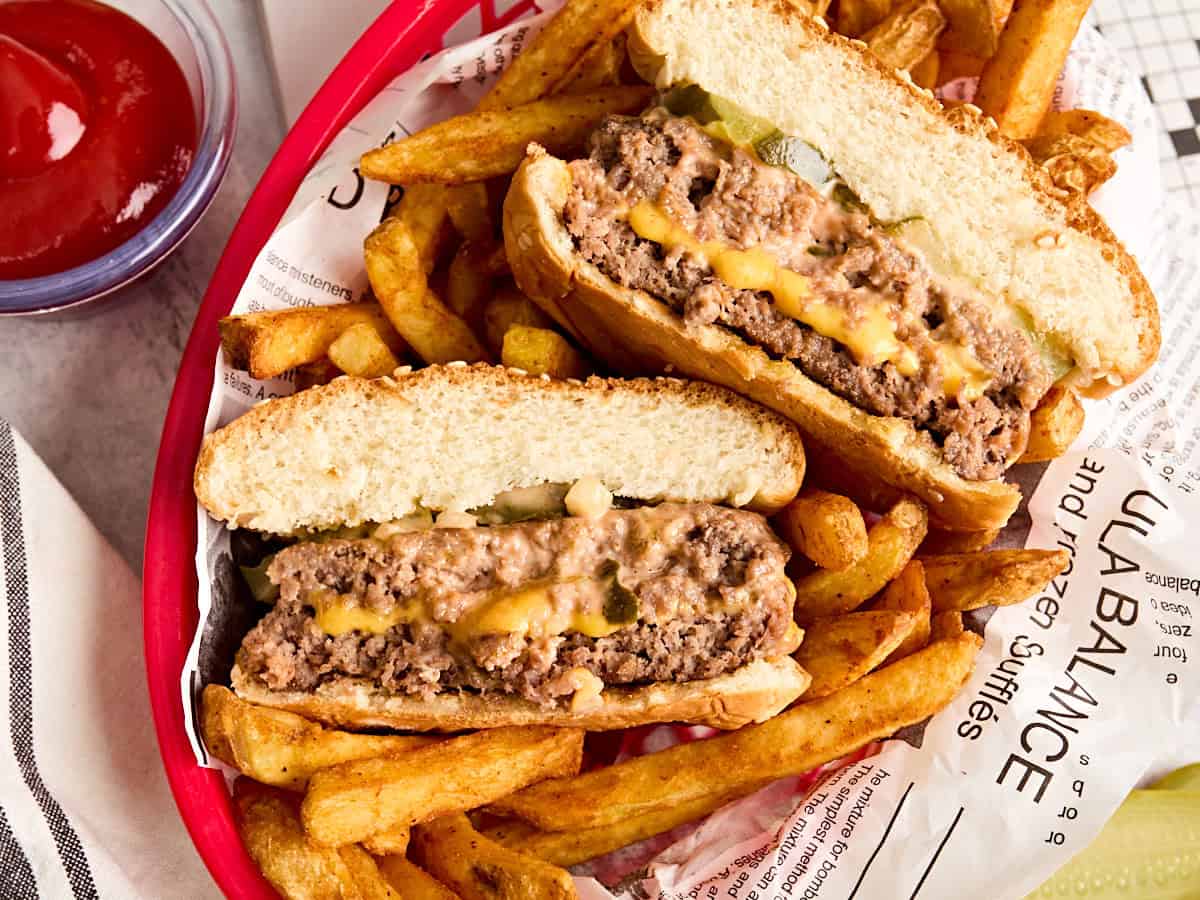
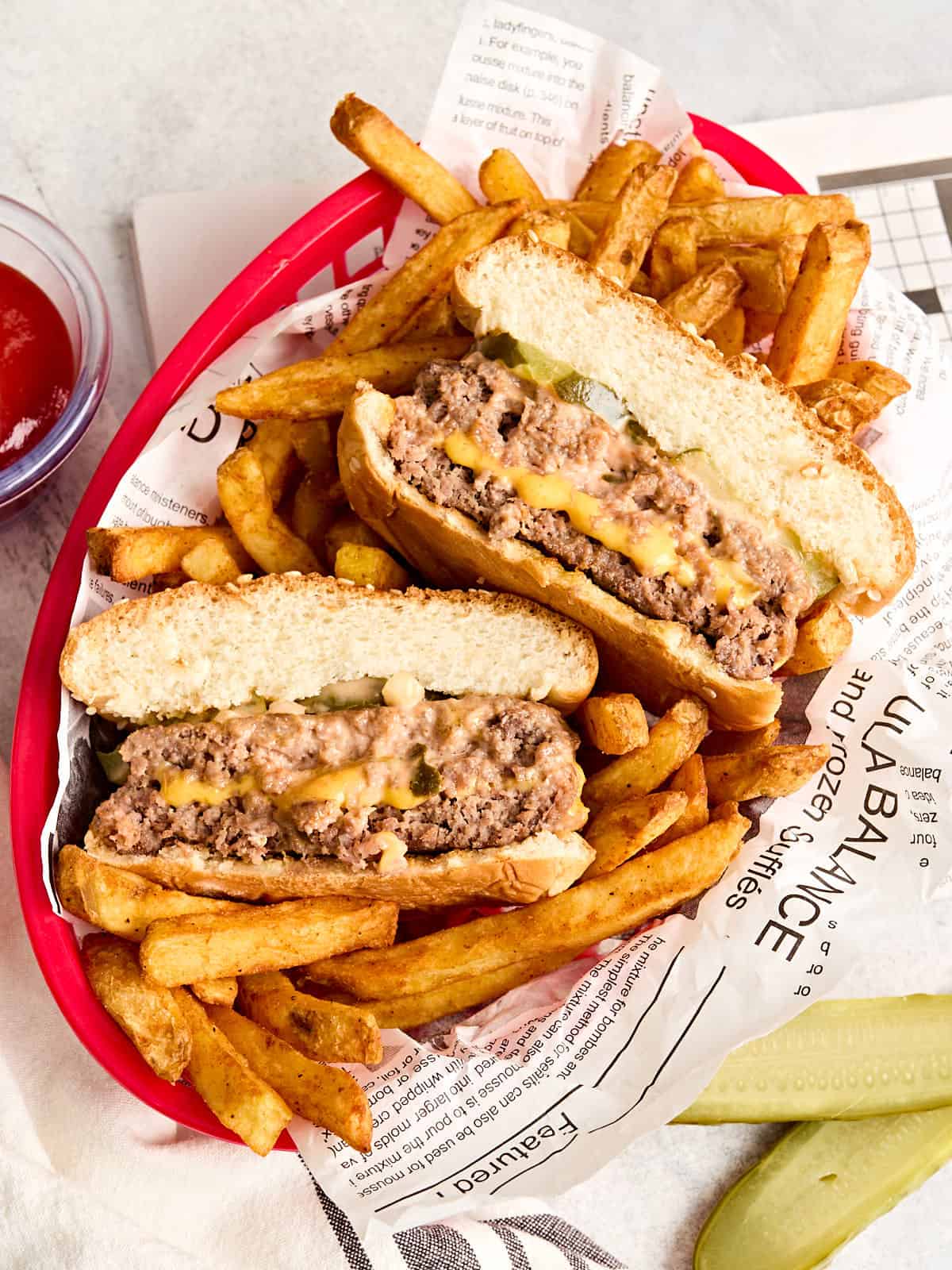
The Juicy Lucy, a culinary landmark synonymous with the city of Minneapolis, represents a significant evolution in the American cheeseburger tradition. Unlike the standard cheeseburger, where a slice of cheese is melted atop a cooked beef patty, the Juicy Lucy is engineered with the cheese sealed hermetically inside the raw meat. During the cooking process, the cheese undergoes a phase change into a molten core, essentially basting the interior of the burger from the inside out. This preparation method requires a specific understanding of meat ratios, thermal dynamics, and structural integrity to ensure the cheese remains contained until the consumer takes their first bite.
Historical Origins and the Minneapolis Rivalry
The history of the Juicy Lucy is defined by a long-standing and friendly rivalry between two establishments on Cedar Avenue in South Minneapolis: Matt’s Bar and the 5-8 Club. Both institutions claim to have invented the burger in the mid-1950s, and the dispute has become a central part of Minnesota’s cultural lore.
According to the narrative provided by Matt’s Bar, a customer once requested two hamburger patties with a slice of cheese in the middle. Upon biting into the creation, the customer reportedly exclaimed, "That’s one juicy Lucy!" This led to the burger being added to the menu, albeit with a famous misspelling: the "Jucy Lucy." The establishment maintains that if the name is spelled correctly on a menu, the patron is "in the wrong place."
Conversely, the 5-8 Club claims they originated the concept around the same time, serving it as a "Juicy Lucy" with the traditional spelling. This rivalry has been featured in numerous national media outlets, including the Travel Channel and various culinary documentaries, cementing the burger’s status as a regional icon. Today, the Juicy Lucy serves as a primary driver of culinary tourism for the Twin Cities, with enthusiasts often visiting both locations to compare the structural differences and flavor profiles.
The Science of the Stuffed Burger
The successful execution of a Juicy Lucy relies on the principles of food science, particularly regarding fat content and heat transfer. Professional recipe developers, including those at the Nashville Test Kitchen, emphasize the necessity of using ground beef with a 15% to 20% fat content, commonly referred to as 80/20 or 85/15 ground chuck.
The Role of Lipid Content
The fat content is critical for two reasons. First, it provides the lubrication necessary to prevent the meat from drying out during the extended cooking time required to melt the internal cheese. Second, the fat acts as a binding agent. Leaner meats, such as ground turkey or chicken, lack the structural elasticity to expand as the cheese releases steam. This often results in "blowouts," where the seam of the burger ruptures, allowing the cheese to leak into the pan and leaving the interior of the burger hollow.
Chemical Properties of American Cheese
While various cheeses can be used, American cheese remains the industry standard for the Juicy Lucy. This is due to the presence of sodium citrate, an emulsifier that allows the cheese to melt into a smooth, liquid consistency without separating into oily solids and proteins. Harder cheeses like aged cheddar or Swiss have a higher protein-to-fat ratio and may become stringy or "broken" when subjected to the high internal temperatures of a stuffed patty.
Technical Preparation and Structural Integrity
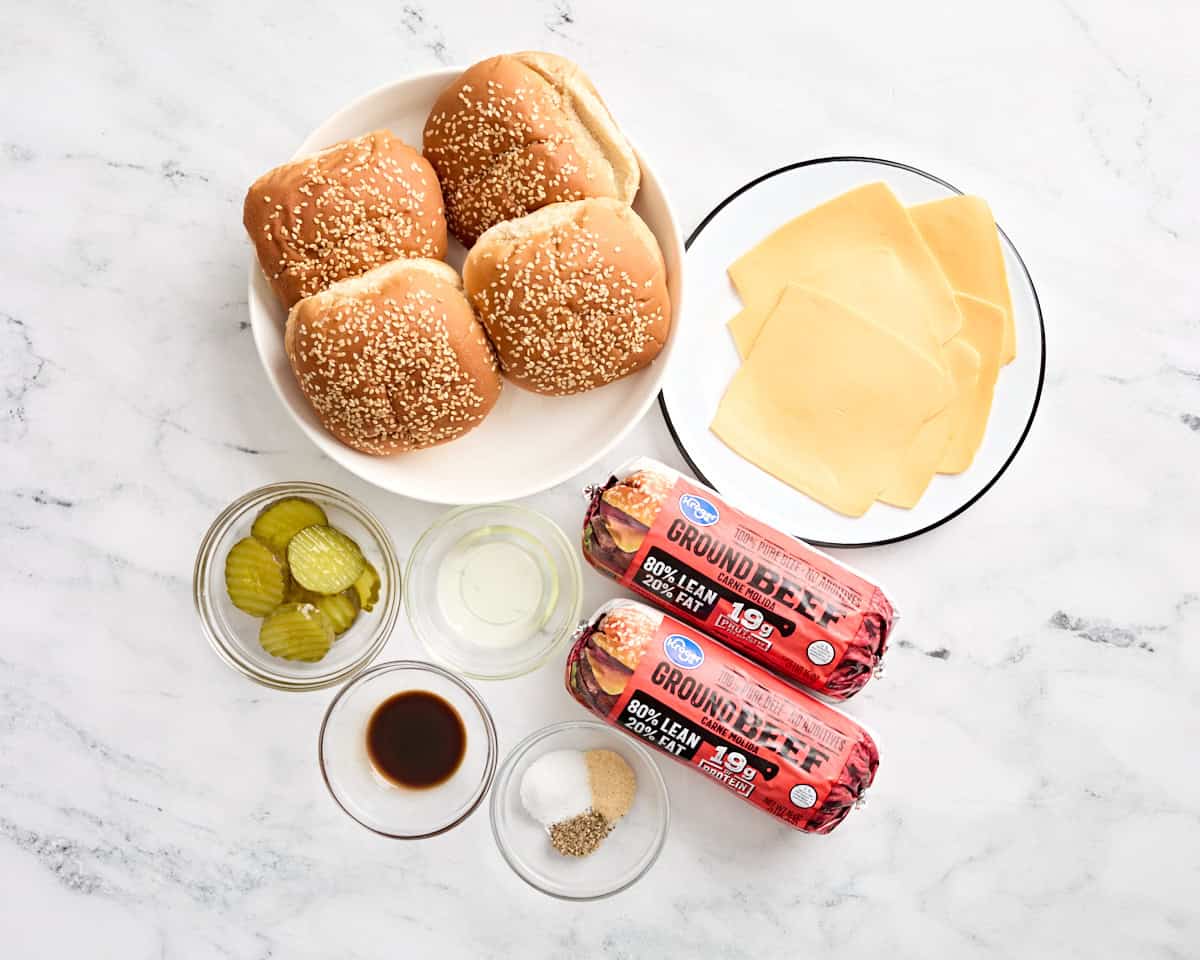
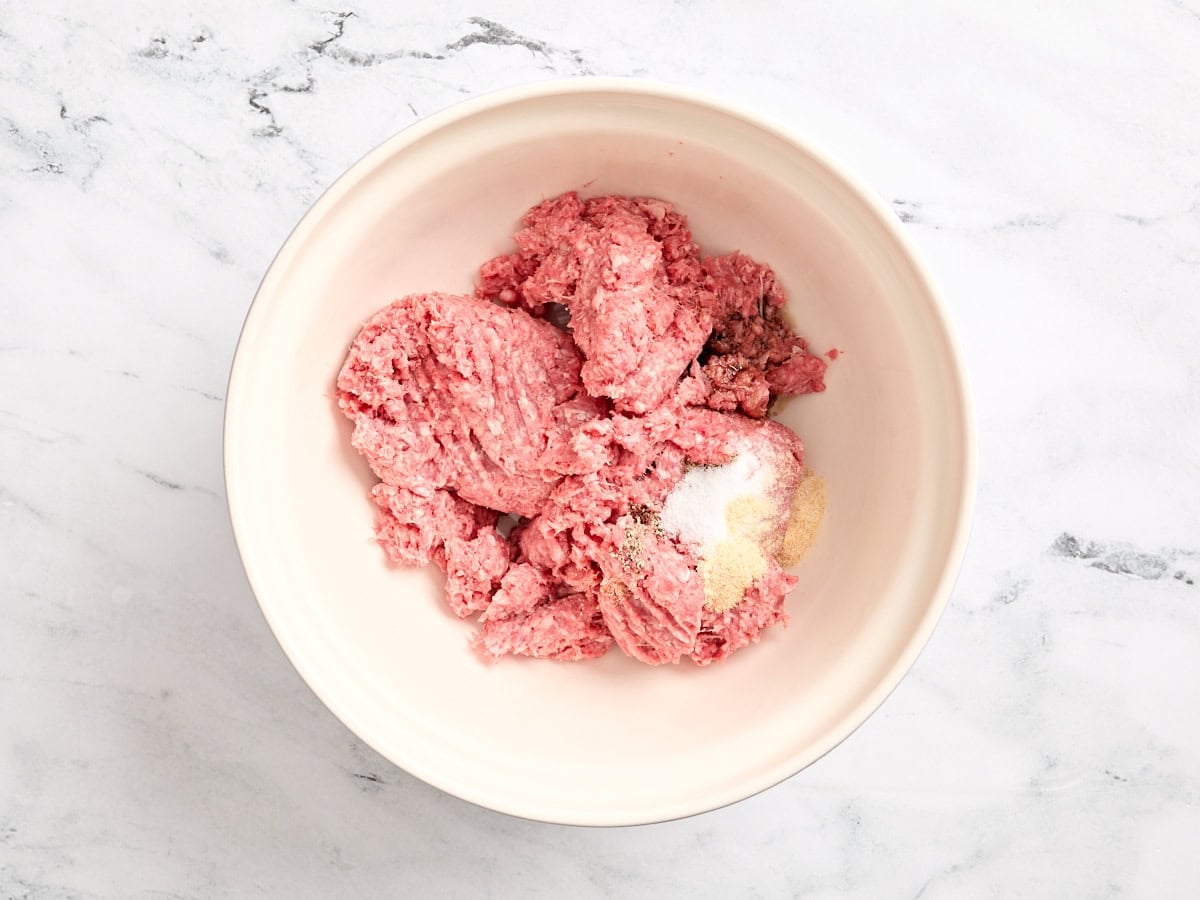
Constructing a Juicy Lucy is a multi-step process that requires more precision than a standard patty. The process begins with seasoning the beef with a combination of Worcestershire sauce, garlic powder, salt, and black pepper. The Worcestershire sauce provides umami depth and acidity, which balances the richness of the beef and cheese.
The Two-Patty Method
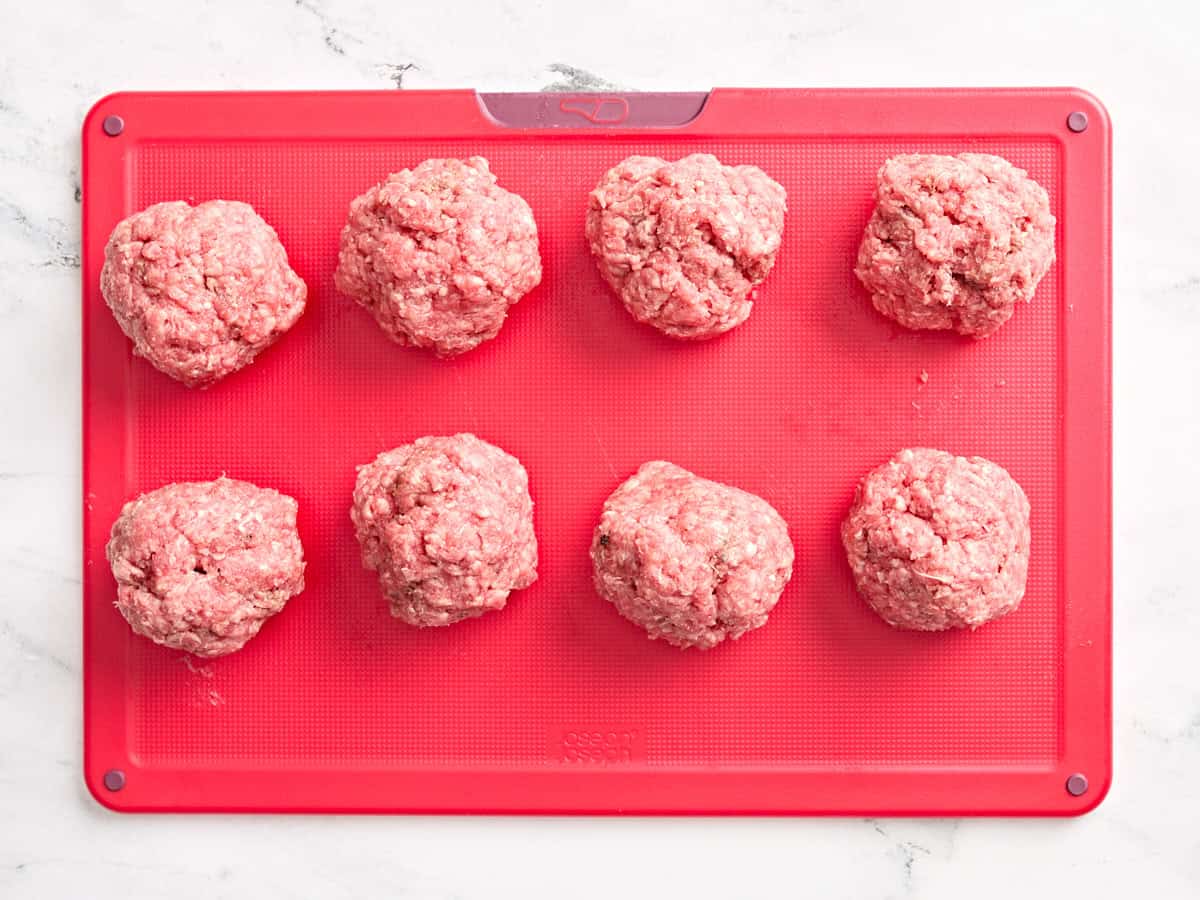
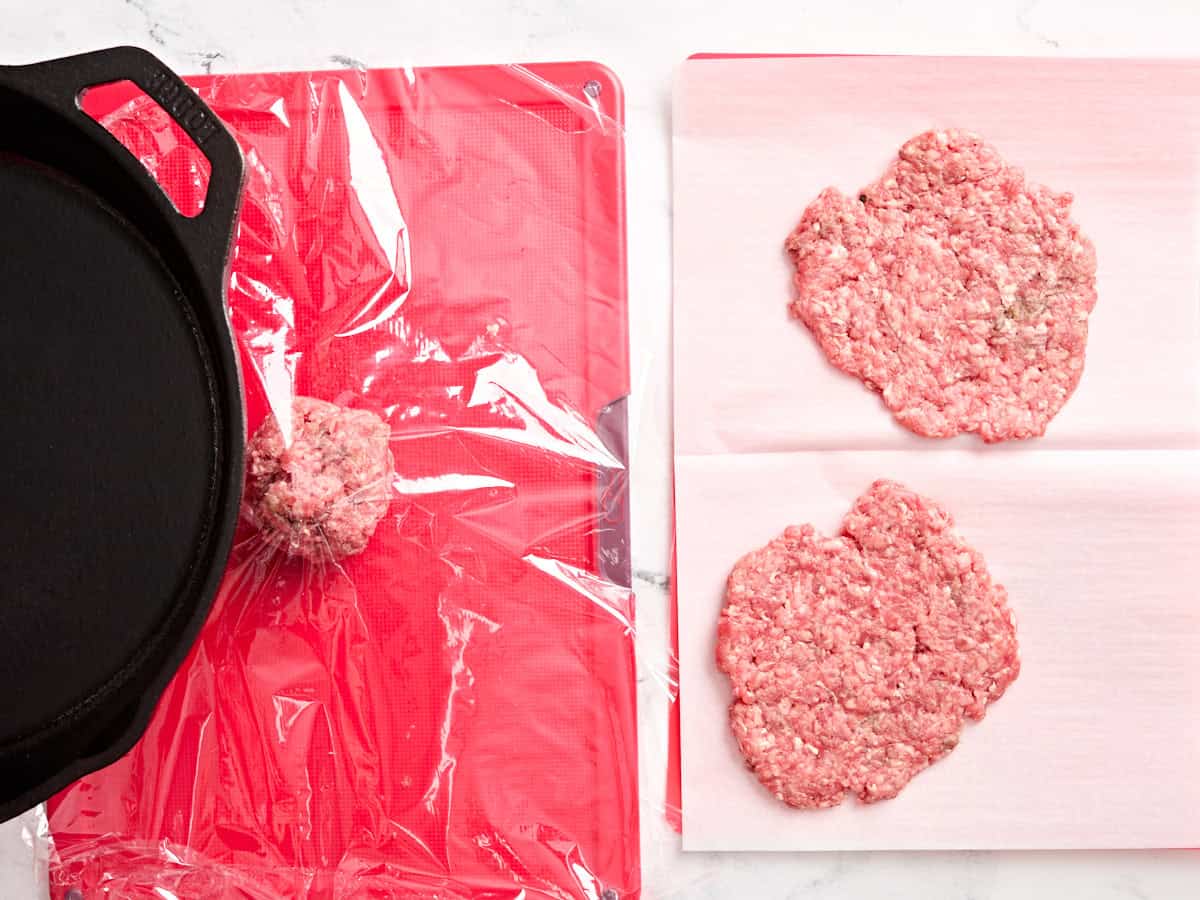
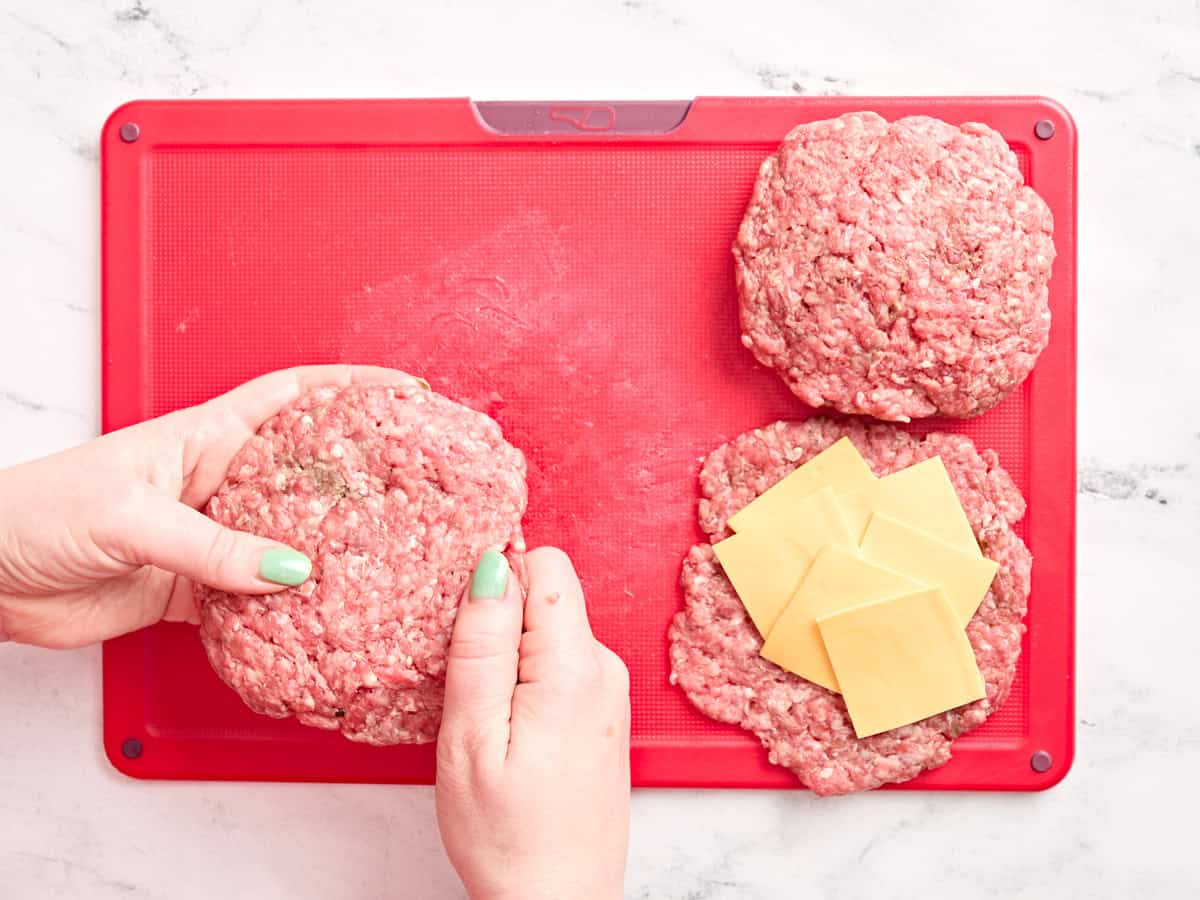
To ensure a proper seal, the meat must be divided into eight equal portions, roughly three ounces each. These are flattened into thin, uniform discs. A heavy cast-iron skillet or a dedicated burger press is often utilized to achieve a flat, even surface. The cheese is then placed in the center of one disc, leaving a significant margin around the edges.
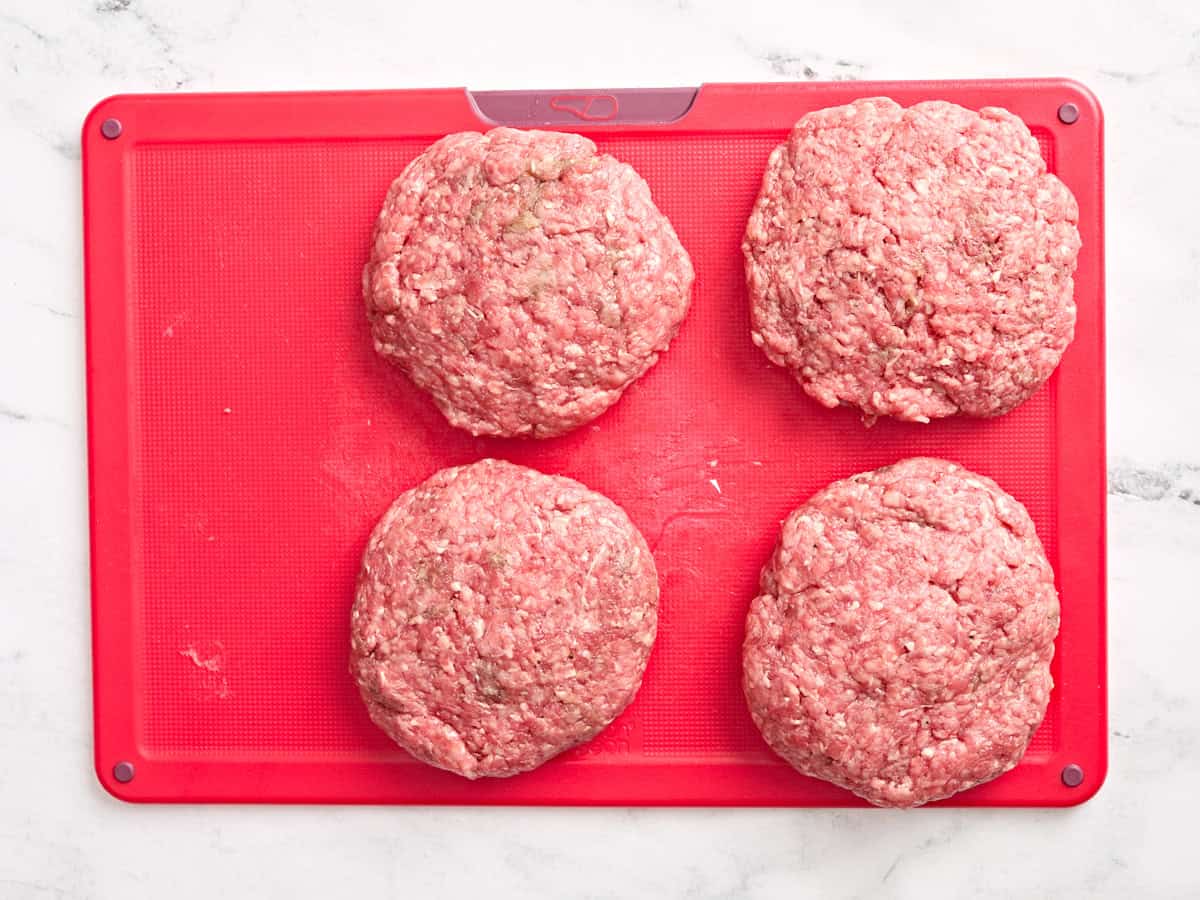
The second disc is placed on top, and the edges are pinched together. This "crimping" process is the most vital step; any air pockets left inside the burger will expand when heated, potentially causing the burger to burst. Professional chefs recommend smoothing the seams with a small amount of water or additional meat to create a seamless exterior.
Thermal Dynamics
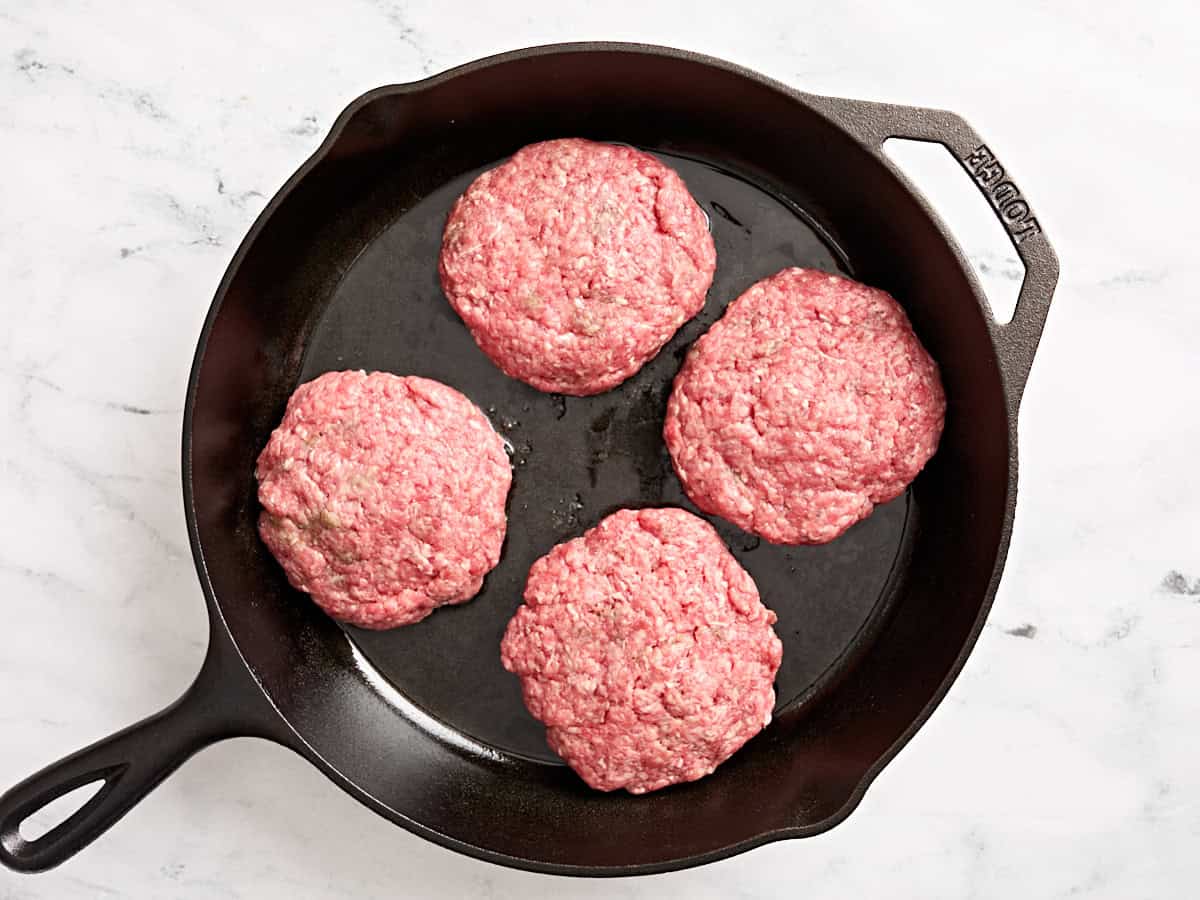
Cooking a Juicy Lucy requires a medium heat setting. If the heat is too high, the exterior of the beef will burn before the internal cheese reaches its melting point. Conversely, if the heat is too low, the burger will lose its juices and become tough. The goal is to reach an internal temperature of 160°F, as mandated by the USDA for ground beef safety, while ensuring the cheese core is completely liquefied.
Economic Analysis: Home Cooking vs. Commercial Retail
From a consumer economics perspective, the Juicy Lucy is a highly cost-effective meal. Based on data from current market prices, a homemade Juicy Lucy recipe yields four servings for approximately $8.57, or $2.14 per serving.
Cost Breakdown
The primary costs are distributed as follows:
- Ground Beef: Representing the largest portion of the budget, high-quality ground chuck remains affordable when purchased in bulk.
- Cheese: American cheese slices are among the most budget-friendly dairy options.
- Pantry Staples: Seasonings like garlic powder and salt contribute negligible costs per serving.
In contrast, a Juicy Lucy at a reputable restaurant in Minneapolis or a metropolitan gastropub typically ranges from $12.00 to $18.00, excluding sides, tax, and gratuity. By preparing the dish at home, consumers can achieve a 400% to 700% reduction in cost while maintaining control over the quality of ingredients and nutritional content. Each burger contains approximately 702 calories, 39 grams of protein, and 49 grams of fat, making it a calorie-dense, high-protein entrée.
Cultural Impact and Broader Implications
The Juicy Lucy has transcended its humble beginnings in South Minneapolis to become a symbol of "Blue Collar Gourmet" cuisine. It represents a broader trend in the American food industry where simple, regional comfort foods are elevated through technical precision.
The Rise of the Regional Burger
The success of the Juicy Lucy paved the way for other regional styles—such as the Oklahoma Onion Burger or the Connecticut Steamed Cheeseburger—to gain national prominence. This phenomenon is driven by a consumer desire for "authentic" culinary experiences that have a specific geographic origin and a historical narrative.
Media and Public Perception
The burger’s popularity is further bolstered by its "viral" nature. The visual appeal of a burger "bleeding" molten cheese is highly suitable for modern social media platforms. However, this has also led to a series of warnings from food safety experts. The internal cheese of a freshly cooked Juicy Lucy can reach temperatures exceeding 180°F, leading to a phenomenon known as "pizza palate"—burns to the roof of the mouth. This has necessitated the standard service advice: "Let it rest."
Best Practices for Service and Storage
To maximize the quality of the Juicy Lucy, a five-minute resting period after cooking is essential. This allows the internal pressure to stabilize and the juices to redistribute through the meat fibers. It also allows the cheese to cool slightly to a safe, yet still molten, temperature.
Serving Suggestions
The richness of the burger is traditionally balanced with acidic or crisp side dishes. Creamy coleslaw, southern-style potato salad, or vinegar-based pickles provide the necessary contrast to the heavy fat content of the beef and cheese.
Storage and Reheating Protocols
While the Juicy Lucy is best consumed immediately, the patties can be stored in an airtight container for three to four days. Reheating must be done carefully; a microwave can cause the cheese to explode or the meat to become rubbery. The recommended method is a low-heat skillet with a lid, which creates a steaming effect that melts the cheese without overcooking the beef. For long-term storage, the patties can be frozen for up to three months, provided they are thawed in the refrigerator to maintain the integrity of the internal seal.
Conclusion
The Juicy Lucy is more than a novelty cheeseburger; it is a testament to the ingenuity of mid-century American diner culture. Through a combination of historical rivalry, specific culinary chemistry, and economic accessibility, it has maintained its relevance for over seventy years. Whether viewed as a budget-friendly home meal or a destination-worthy restaurant staple, the Juicy Lucy remains a definitive example of regional American gastronomy.
