

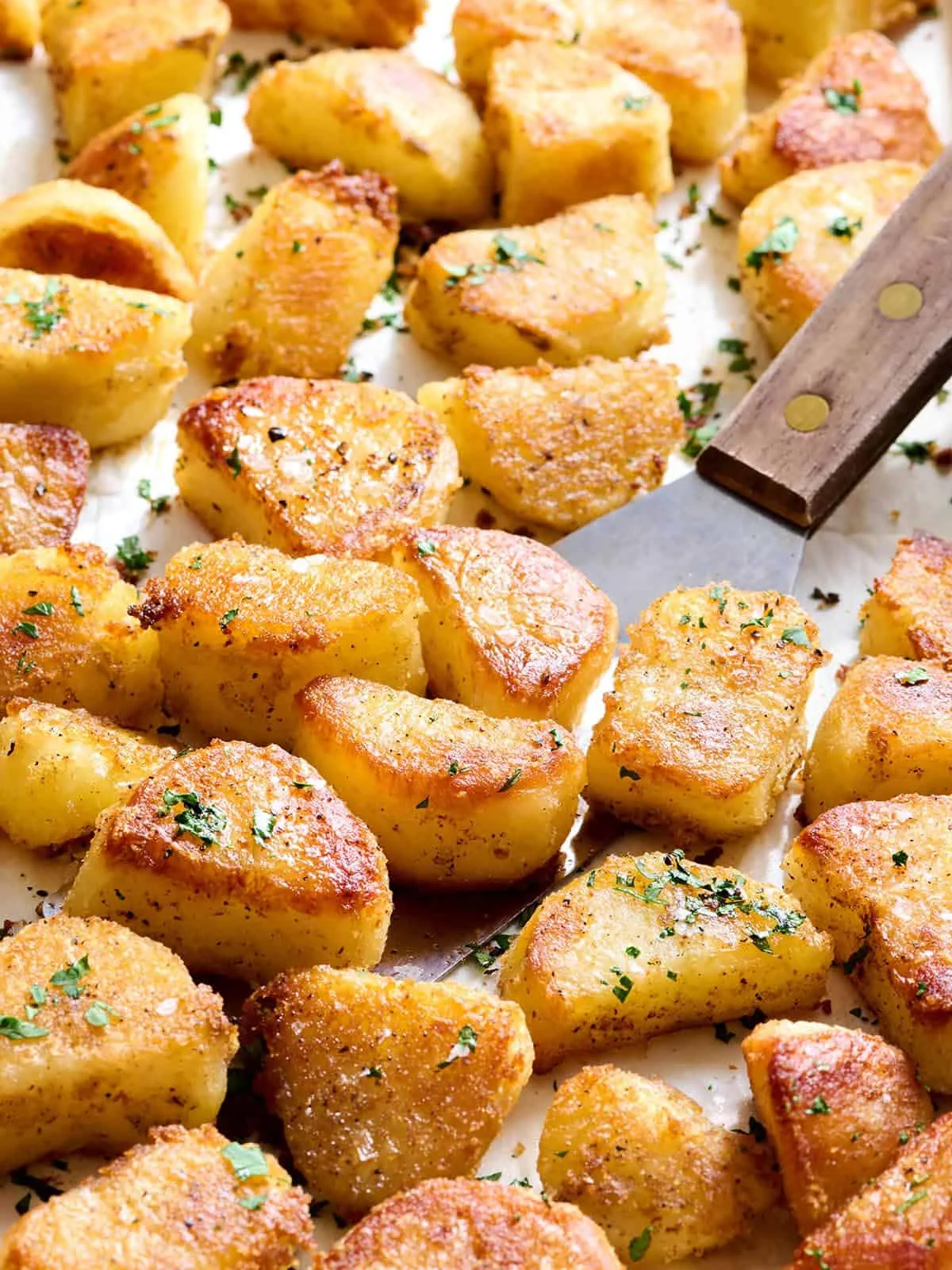
The culinary landscape of home cooking is frequently defined by the search for a balance between cost-efficiency and gourmet-quality results, a challenge recently addressed by the Nashville Test Kitchen through its latest technical analysis of the oven-roasted potato. By utilizing specific chemical interventions and thermodynamic principles, culinary experts have refined a methodology that transforms the common Russet potato—historically the most affordable variety in the North American market—into a high-texture side dish characterized by a deeply golden, crisp exterior and a pressurized, fluffy interior. This development comes at a time when food inflation has driven consumers toward versatile, low-cost staples, making the optimization of the potato a matter of both gastronomic and economic interest.
Technical Methodology: The Role of Alkaline Parboiling
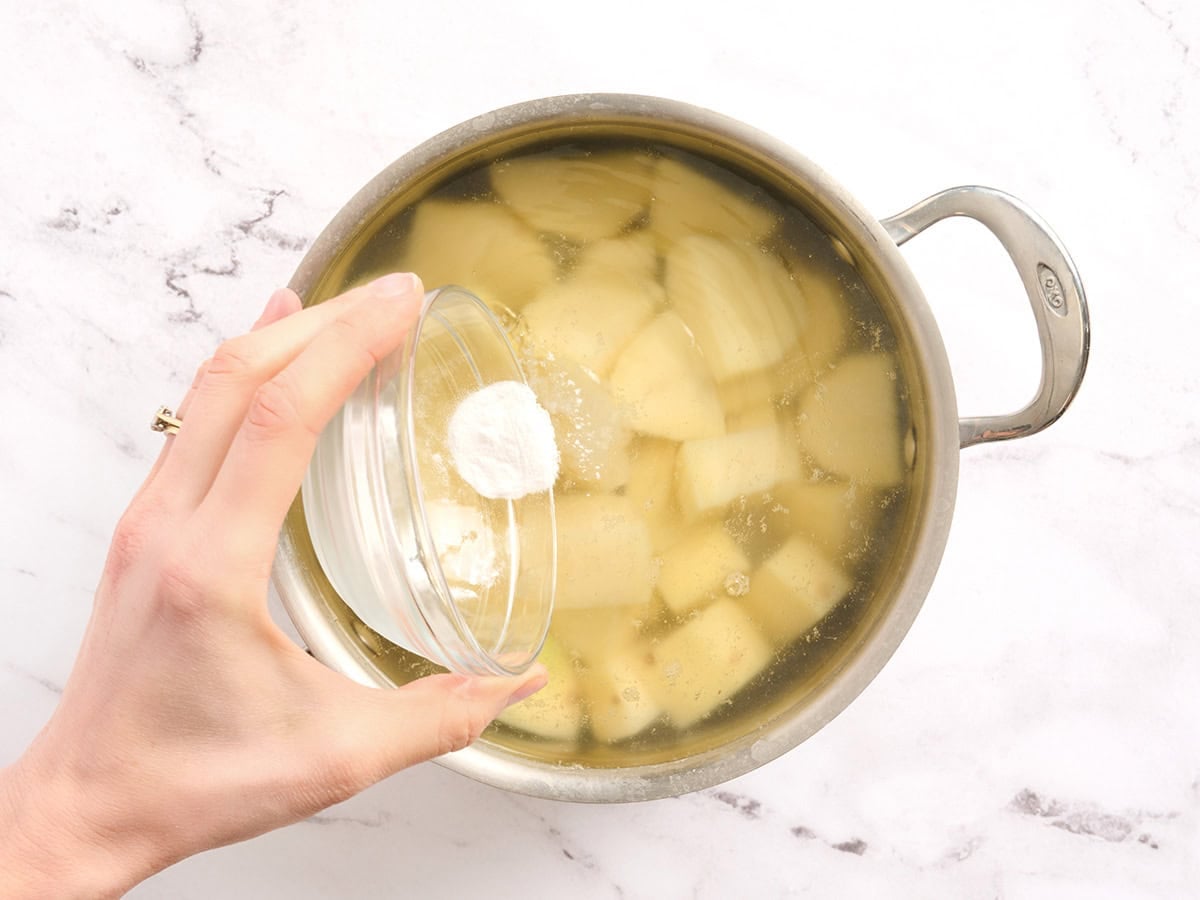
The primary innovation in this roasting protocol is the implementation of a two-stage cooking process: an alkaline parboil followed by high-heat roasting. While roasting raw potatoes often leads to uneven cooking or a leathery skin, the parboiling stage serves as a critical preparatory step. According to the Nashville Test Kitchen’s findings, boiling two pounds of peeled Russet chunks in two quarts of heavily salted water for eight minutes provides the necessary internal hydration while allowing for surface modification.
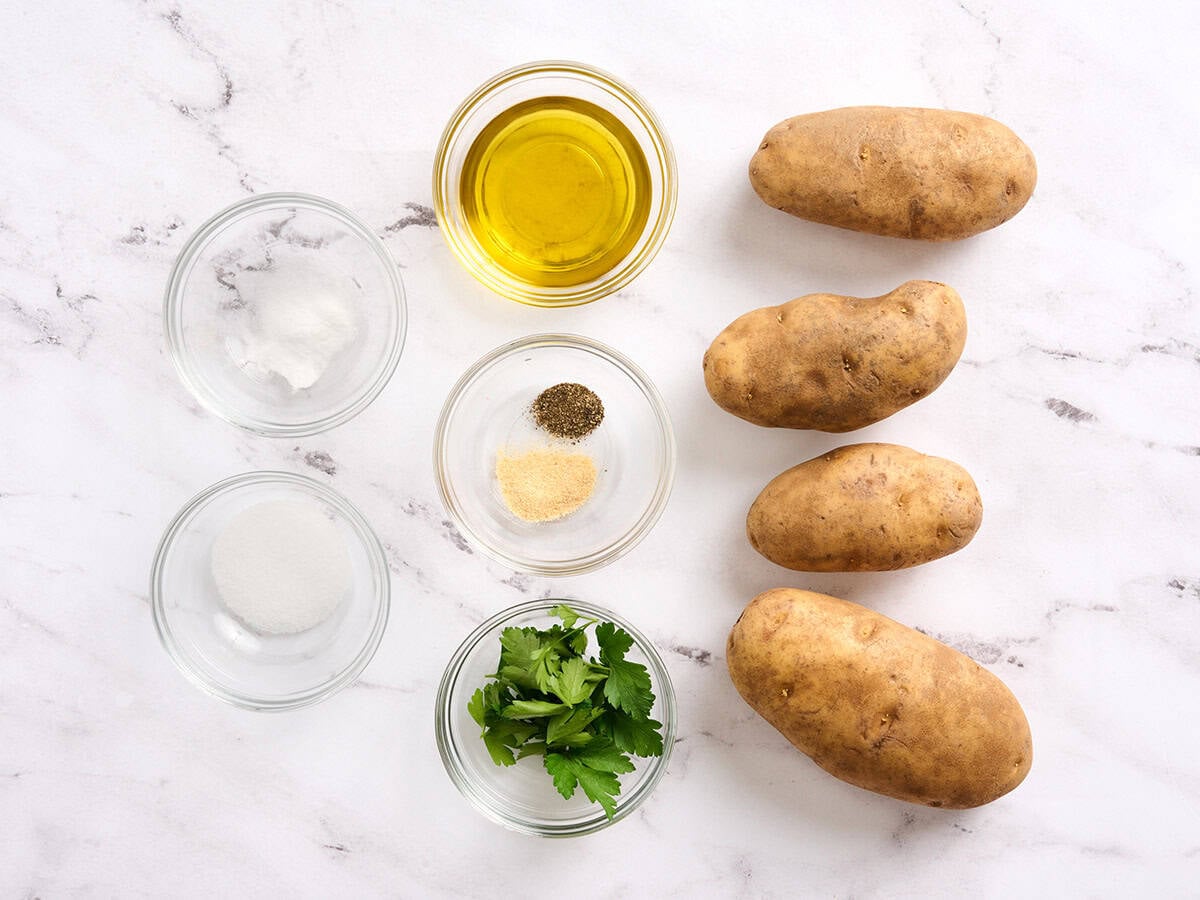
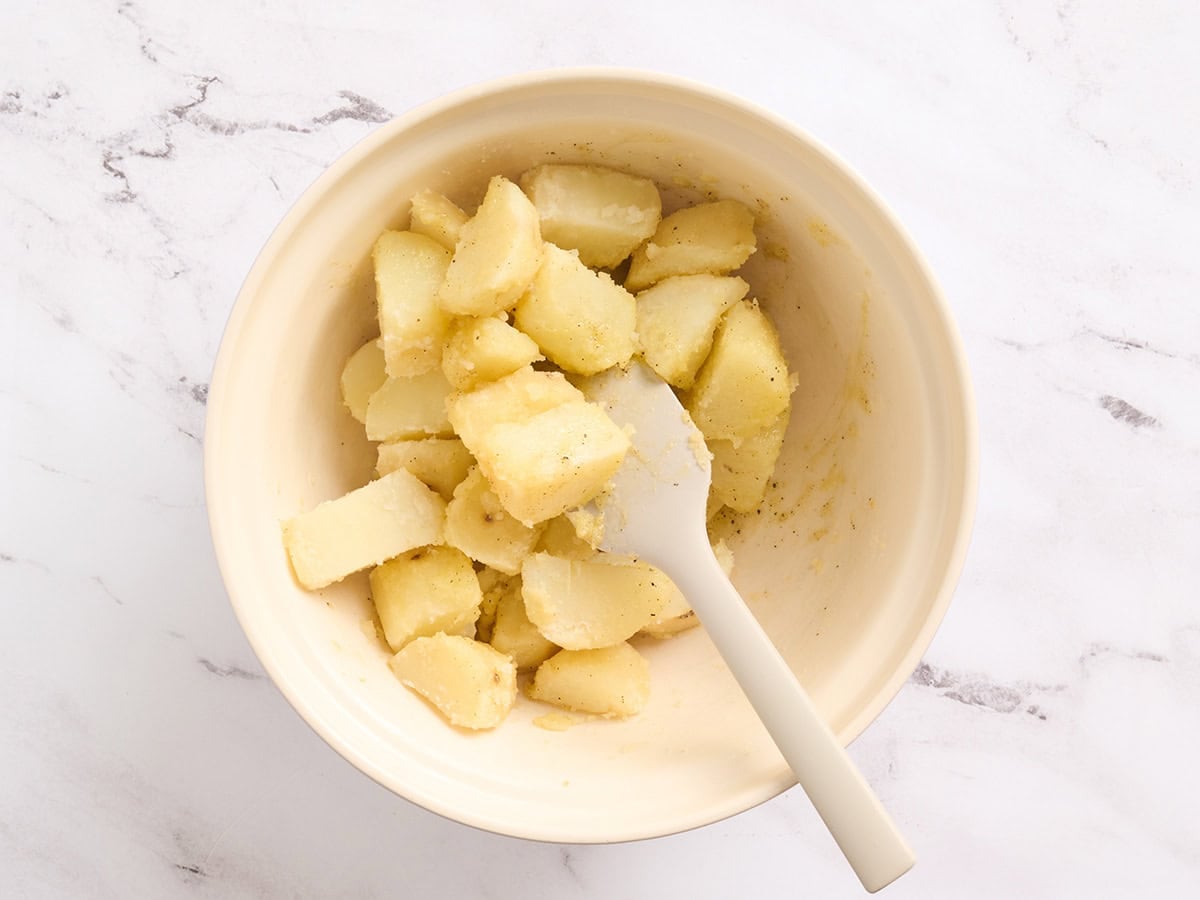
The inclusion of a half-teaspoon of baking soda (sodium bicarbonate) in the boiling water is the central scientific catalyst of the recipe. Baking soda increases the pH of the water, making it more alkaline. From a biochemical perspective, an alkaline environment accelerates the breakdown of pectin, the cellular "glue" that holds vegetable fibers together. As the pectin on the potato’s surface dissolves, it creates a starchy, mashed-potato-like slurry. When these parboiled potatoes are drained and tossed with olive oil and seasonings, this slurry is "roughed up," creating a significantly increased surface area with jagged edges. These edges are essential for the final stage of the process, as they catch the oil and seasonings, eventually dehydrating in the oven to form a thick, micro-textured crust that is impossible to achieve through roasting alone.
Chronology of the Roasting Process
The optimization of the potato requires a strict adherence to a timeline to ensure the Maillard reaction—the chemical reaction between amino acids and reducing sugars that gives browned food its distinctive flavor—is maximized without burning the vegetable.
- Preparation Phase: The oven is preheated to 425°F (218°C). This high temperature is necessary to trigger rapid evaporation of surface moisture.
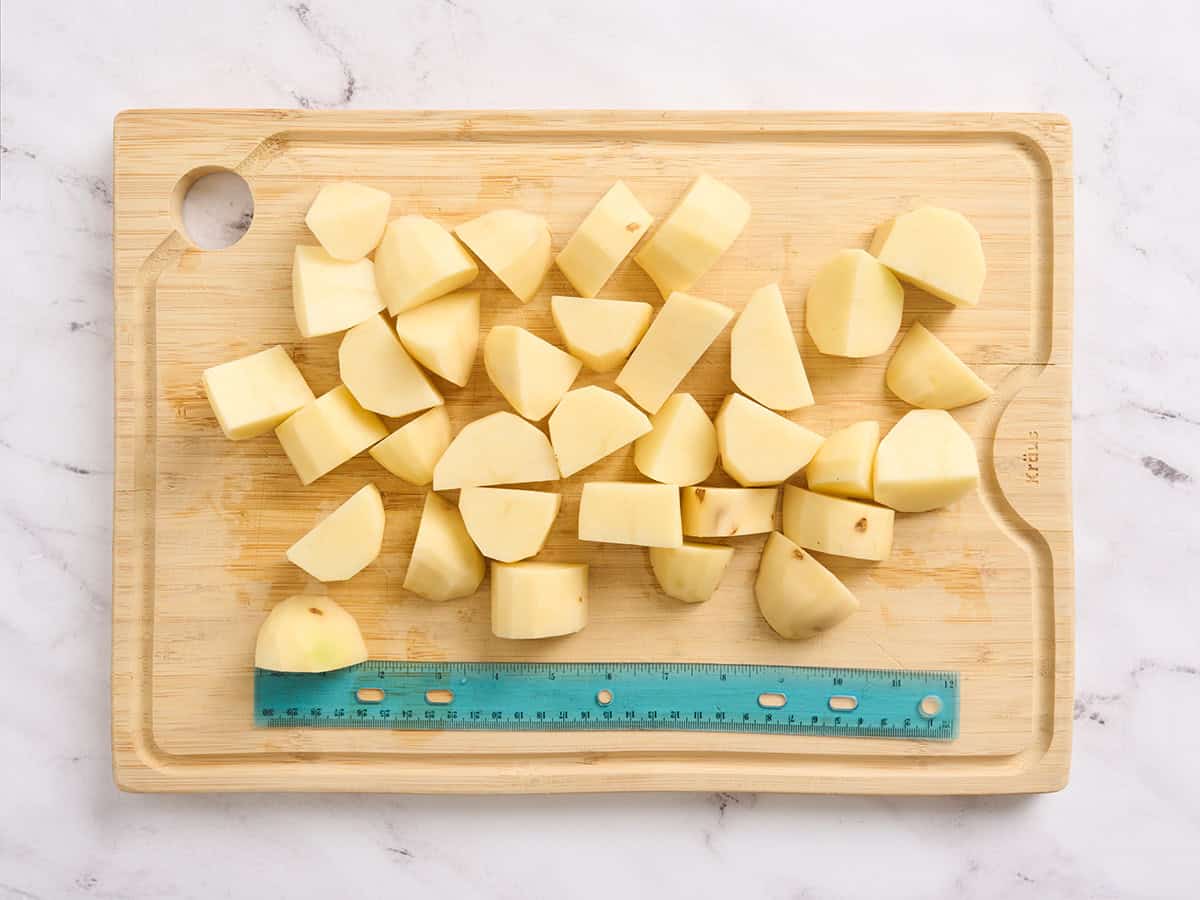
- Parboiling Phase: Potatoes are cut into 1- to 2-inch chunks to maximize the surface-area-to-volume ratio. They are introduced to a rolling boil of salted water with baking soda for exactly eight minutes.
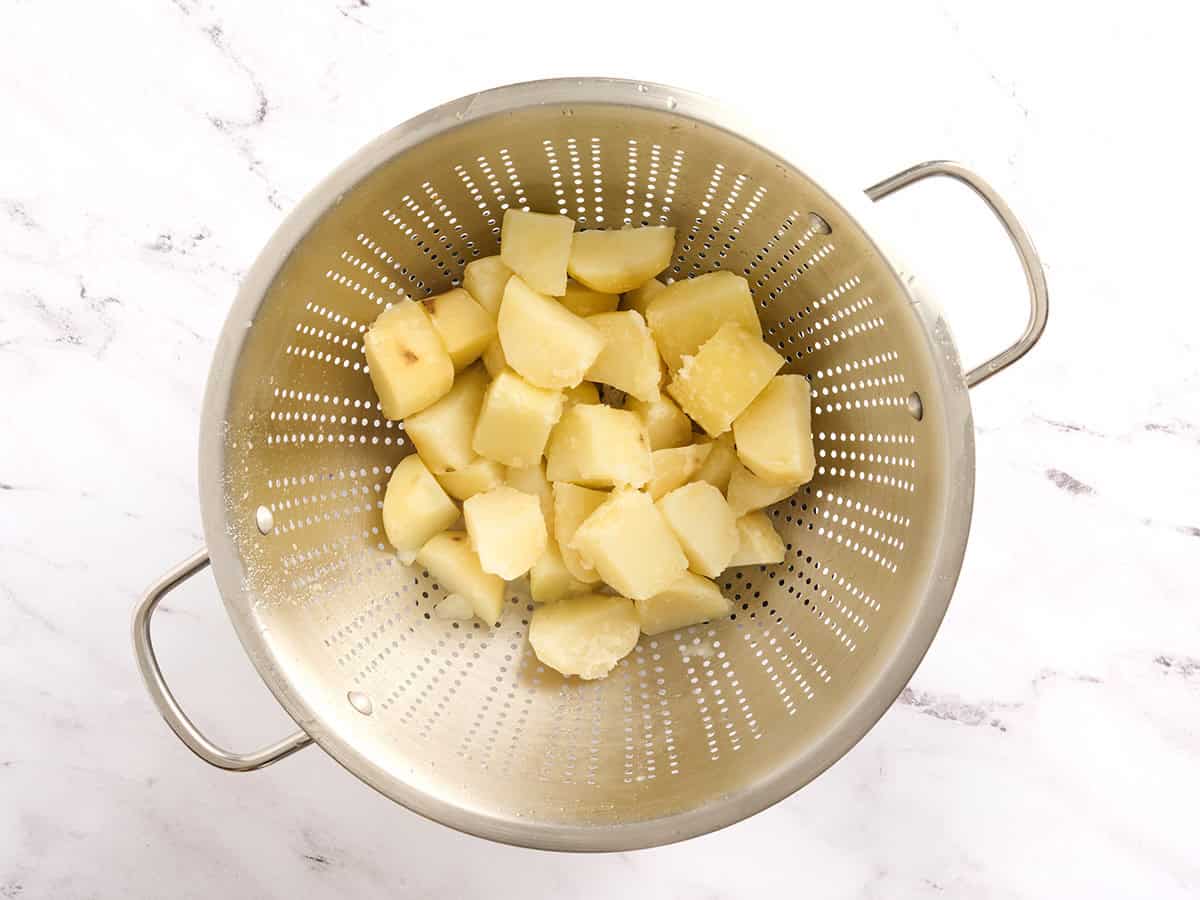
- Mechanical Agitation: After draining, the potatoes are transferred to a bowl and tossed with 3 tablespoons of olive oil, garlic powder, and black pepper. This agitation is not merely for coating; it is a mechanical process designed to further develop the starchy surface layer.
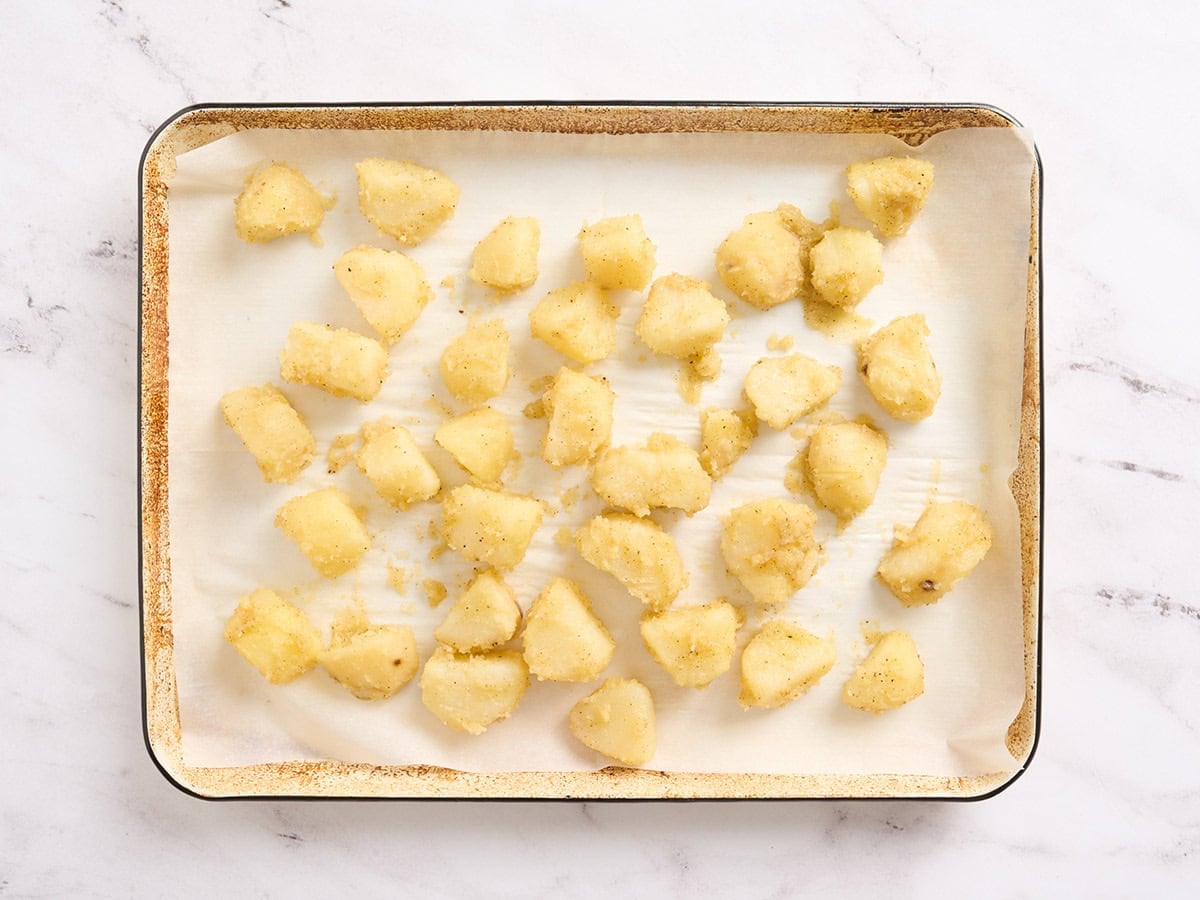
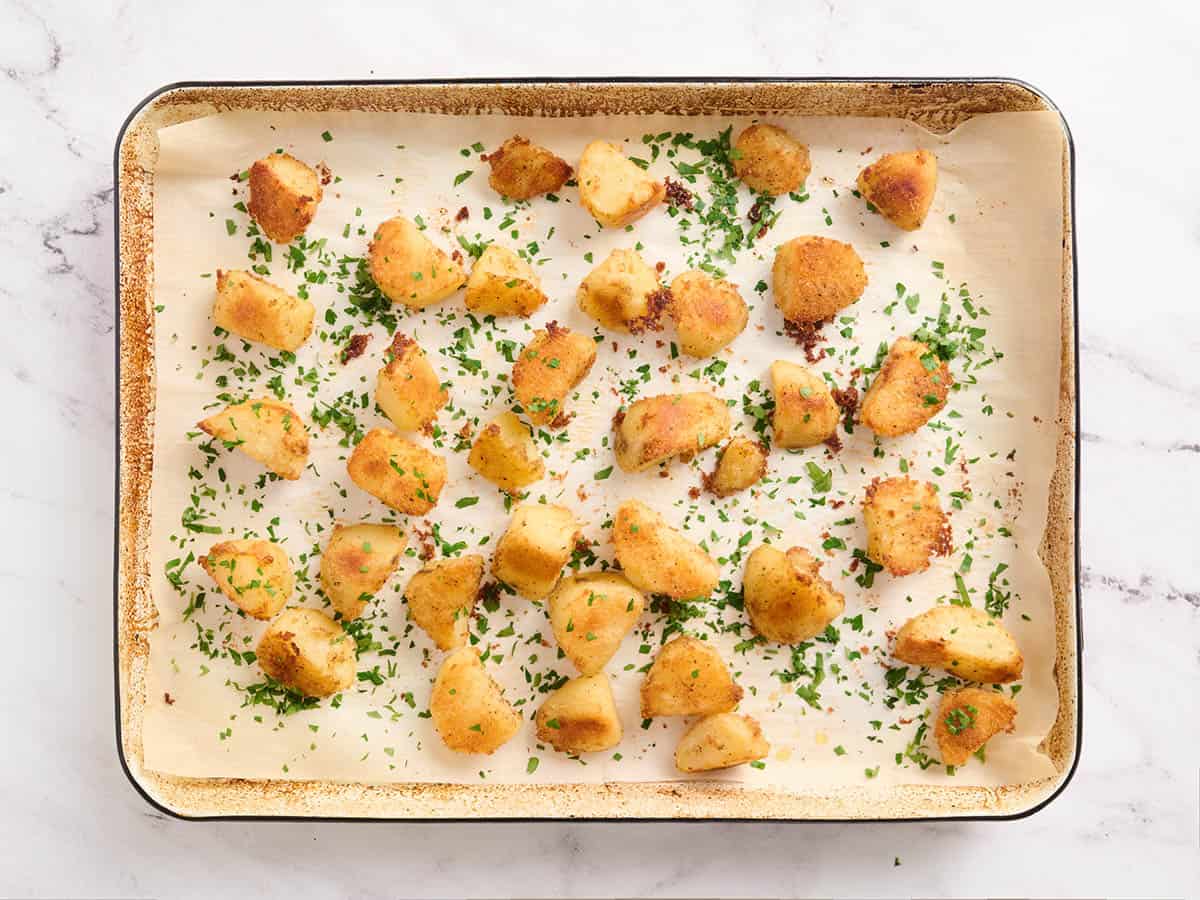
- Initial Roasting: The potatoes are spread on a parchment-lined sheet pan and roasted for 20 minutes.
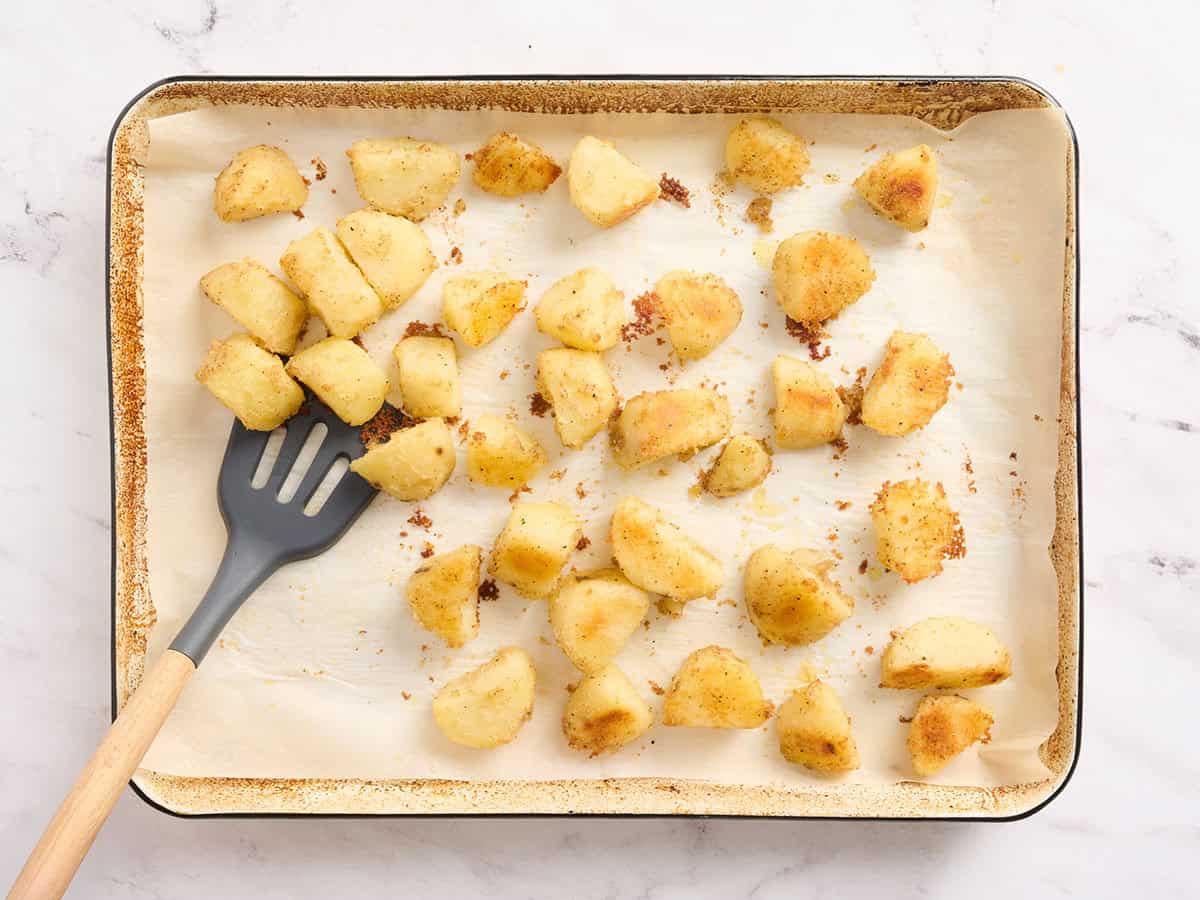
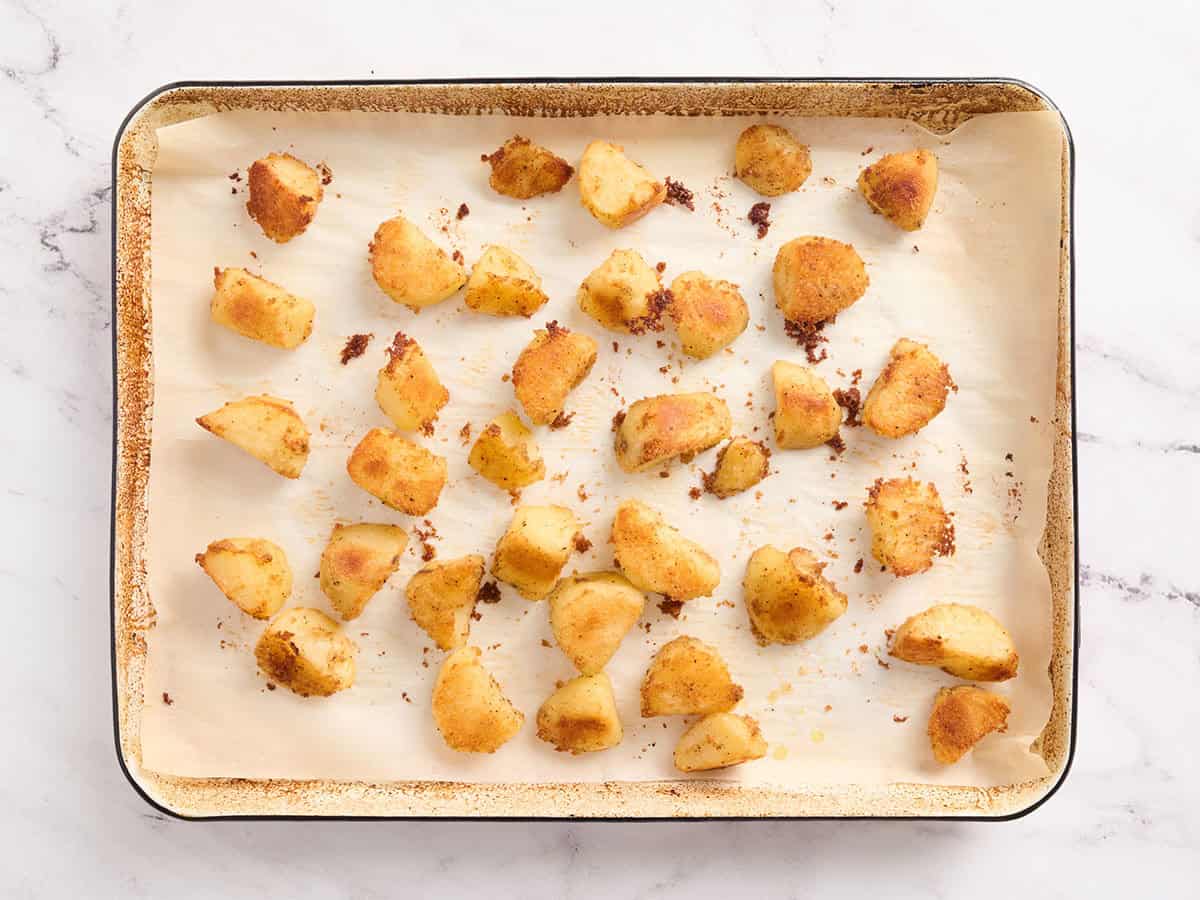
- Inversion and Finalization: At the 20-minute mark, the potatoes are flipped to ensure the underside, which is in direct contact with the conductive heat of the pan, does not over-brown while the top sides catch up. A final 20-minute roast completes the process.
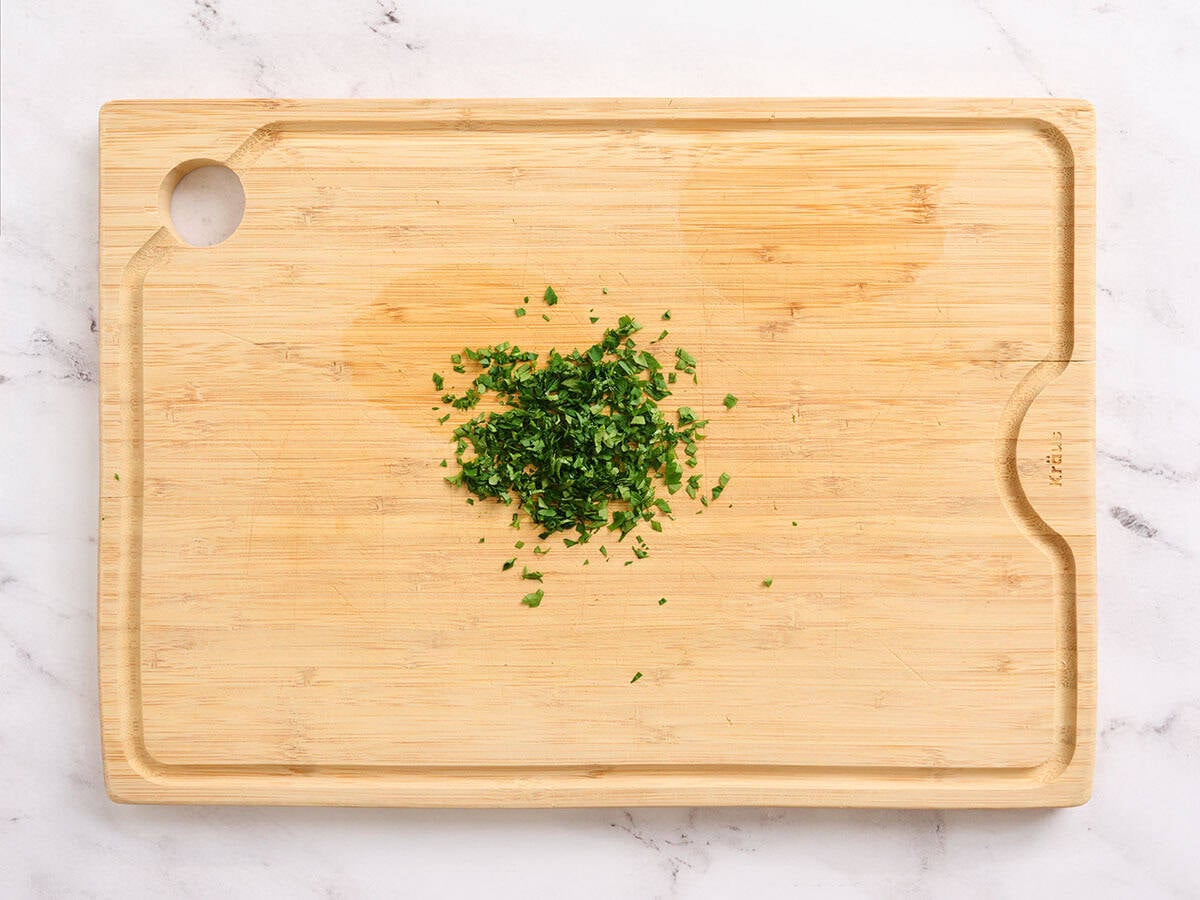
- Finishing: Post-oven, a final seasoning of salt and fresh minced parsley is added. This ensures the salt provides a textural "crunch" rather than dissolving into the potato during the high-moisture roasting phase.
Economic Analysis: The Dominance of the Russet Potato
The choice of the Russet potato is a calculated economic and culinary decision. In the current retail market, Russet potatoes consistently outperform waxy varieties like Yukon Gold or Red Bliss in terms of price per pound. As of recent agricultural reports, Russet potatoes remain a high-yield crop with a long shelf life, contributing to their status as a budget-friendly staple.

Beyond cost, the Russet’s high starch and low moisture content make it the ideal candidate for roasting. Starch molecules in the Russet are more prone to the "fluffing" effect required for a light interior. Conversely, waxy potatoes, which have higher moisture and lower starch, tend to hold their shape and result in a denser, more translucent interior that lacks the structural integrity to support a heavy, crispy crust. The Nashville Test Kitchen’s data indicates that a full recipe serving four people can be produced for approximately $1.75, or $0.43 per serving, making it one of the most cost-effective side dishes in the modern repertoire.
Nutritional Data and Dietary Considerations
While the recipe is celebrated for its flavor and texture, its nutritional profile highlights the importance of portion control and dietary awareness. A single serving of these oven-roasted potatoes contains approximately 274 calories, with 41 grams of carbohydrates and 11 grams of fat, primarily from the olive oil used to facilitate the roasting process.
A notable data point is the sodium content, which reaches 2498 mg per serving—approximately 109% of the recommended daily value for an average adult. This high concentration is a result of the "inside-out" seasoning method, where the parboiling water is heavily salted to ensure the potato’s interior is seasoned. While this is a standard culinary practice for achieving peak flavor, it may require adjustments for individuals on sodium-restricted diets. The recipe remains naturally vegan, dairy-free, egg-free, and soy-free, making it accessible to a wide range of dietary requirements without the need for expensive substitutions.
Expert Perspectives: The Nashville Test Kitchen
The development of this methodology was overseen by Jess Rice, a Chef Professor and restaurateur with extensive experience in both academic and professional culinary environments. Rice, formerly a professor at Niagara College in Canada and a prominent figure in the Nashville food scene, emphasizes the importance of "rigorous testing" to ensure that recipes are accessible to home cooks while maintaining professional standards.
The Nashville Test Kitchen functions as a research hub where classic culinary techniques—such as the alkaline parboil, popularized in the scientific cooking community by figures like J. Kenji López-Alt—are adapted for the budget-conscious consumer. Rice’s background as a private chef for high-profile clients and her success in the raw vegan restaurant sector (specifically with the debut of AVO in Nashville) provide a unique lens through which simple vegetables are treated with the same technical respect as high-end proteins.
Broader Impact and Home Cooking Trends
The release of this optimized roasting method reflects a broader trend in the digital food media landscape: the democratization of culinary science. For decades, techniques like pH adjustment and multi-stage cooking were reserved for commercial kitchens or high-end cookbooks. Today, platforms like Budget Bytes translate these complex concepts into actionable, low-cost instructions for the general public.
The implications of such recipes extend beyond the kitchen. As household budgets are squeezed by rising costs of living, the ability to produce "restaurant-quality" food at home using basic ingredients like potatoes and baking soda provides a significant psychological and financial boon to consumers. Furthermore, the versatility of the roasted potato allows it to serve as a foundational element for various meals, from holiday dinners to meat-free mainstays like lentil loaves.
Storage and Sustainability
From a sustainability perspective, the potato is a highly efficient crop, requiring less water and land than many grain-based staples. The Nashville Test Kitchen also provided guidance on food waste reduction, noting that while roasted potatoes are best served fresh, they can be refrigerated for three to four days or frozen for up to three months.
The recommendation for freezing involves a "flash freeze" method—parboiling and seasoning the potatoes before freezing them on a tray—which preserves the structural integrity of the starch. This allows for "roast-from-frozen" convenience, reducing the likelihood of fresh produce going to waste. As home cooks continue to navigate a complex economic environment, these technical and practical insights into the humble potato represent a vital intersection of science, thrift, and culinary art.