

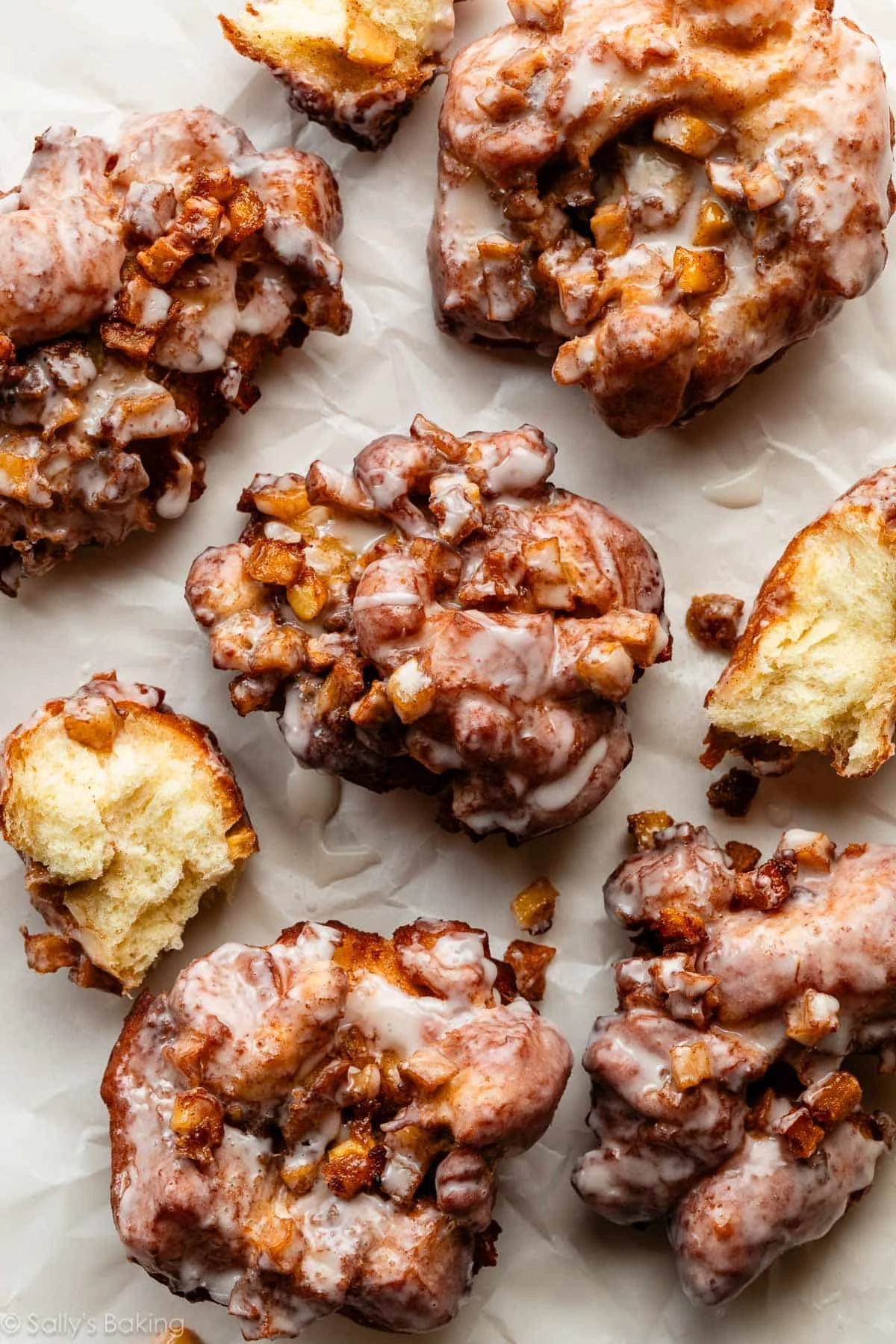
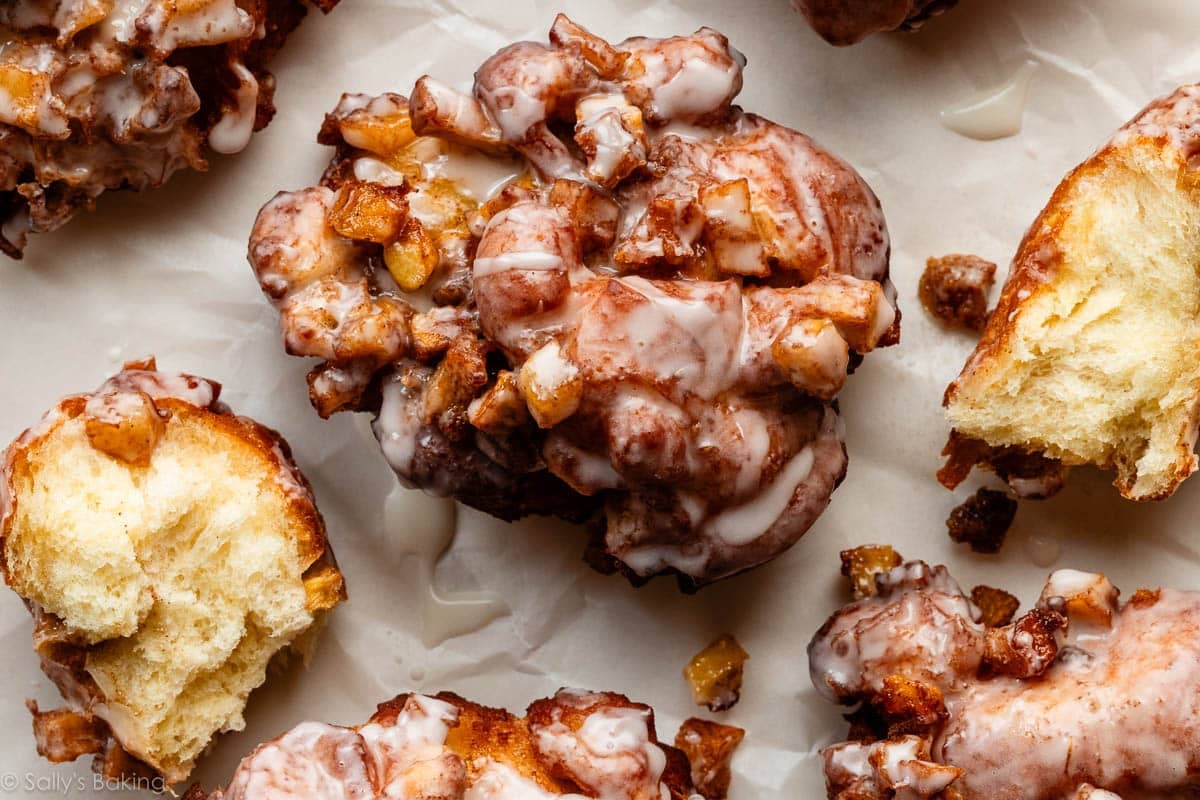
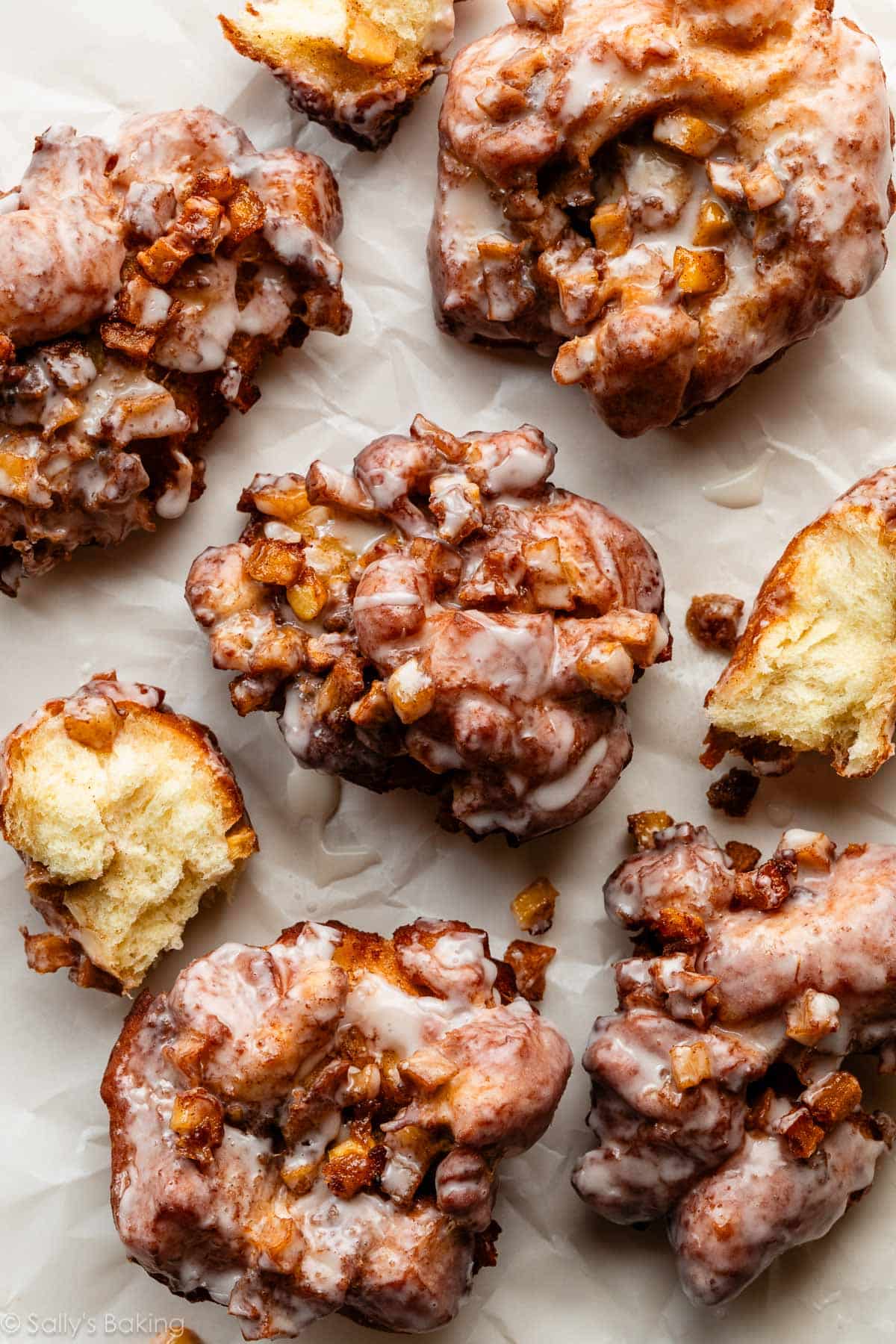
Homemade apple fritters, characterized by their crisp, golden exterior, tender interior, and generous inclusion of fresh apple pieces, represent a significant culinary endeavor. This confection, often described as a hybrid between a classic yeast-raised doughnut and an apple cake, exemplifies the enduring appeal of from-scratch baking, despite the labor and potential mess involved in its preparation. The process culminates in an irresistible combination of sweet vanilla glaze, a distinctly crisp texture, soft and fluffy dough, and cinnamon-spiced apples, a sensory experience that underscores its sustained popularity.
Historical and Cultural Roots of Fritters
The concept of frying dough, often with added fruits or other ingredients, boasts a rich history spanning numerous cultures and centuries. Fritters, in various forms, can be traced back to ancient Roman times, where similar dough-based fried dishes were common. Throughout medieval Europe, fried dough preparations evolved, often incorporating seasonal ingredients. The modern apple fritter, as recognized today, likely emerged from these traditions, gaining particular traction in regions with abundant apple harvests, especially in North America and parts of Europe. Historically, such confections were a practical way to preserve and utilize seasonal fruits, transforming them into hearty, satisfying treats that provided both sustenance and comfort. The evolution of the fritter parallels the development of leavening agents and refined sugar, moving from simple, dense fried doughs to the lighter, airier textures possible with yeast fermentation.
The Anatomy of a Fritter: Key Components
The successful production of apple fritters hinges on the careful balance and preparation of its primary components: the yeast dough, the spiced apple filling, and the final glaze.
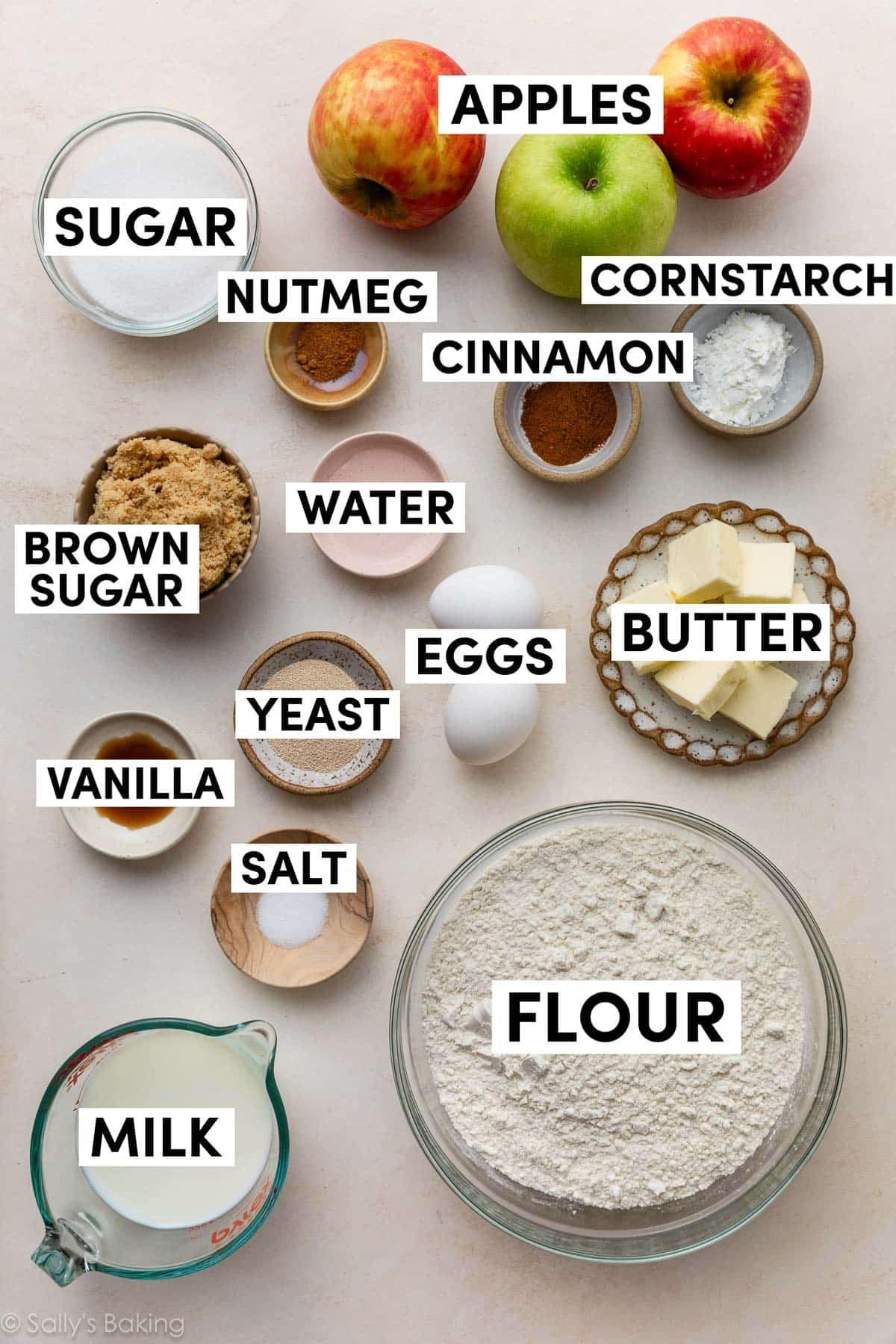
- The Dough: The foundation is a yeast-based dough, requiring a specific blend of ingredients to achieve its characteristic soft and fluffy texture. Essential components typically include all-purpose flour, granulated sugar, salt, active dry yeast, whole milk, unsalted butter, and large eggs. The yeast acts as the primary leavening agent, responsible for the dough’s rise and airy structure. Whole milk contributes moisture and richness, while butter adds flavor and tenderness. Eggs bind the ingredients, add richness, and contribute to the dough’s overall structure and color. The precise ratio and quality of these ingredients are paramount for optimal gluten development and fermentation, which dictates the fritter’s texture post-frying.
- The Apple Filling: Central to the apple fritter’s identity is its robust apple filling. This typically comprises finely chopped apples, often tart varieties like Granny Smith or Honeycrisp, which retain their structure during cooking and provide a balancing acidity. Brown sugar provides depth of sweetness and caramel notes, while ground cinnamon and ground nutmeg infuse warm, aromatic spices. A cornstarch slurry, formed by dissolving cornstarch in water and vanilla extract, is crucial for thickening the filling, preventing it from making the dough soggy and ensuring a cohesive texture within the fried product. The cooking process for the filling softens the apples and melds the flavors before integration into the dough.
- The Glaze: A simple yet essential finishing touch, the vanilla glaze typically consists of confectioners’ sugar, milk, and vanilla extract. This glaze provides a sweet, glossy exterior that contributes to the fritter’s overall appeal and balances the spiced apple interior. While variations exist, such as using apple cider or adding extra spices to the glaze, culinary testing often suggests that a straightforward vanilla glaze allows the inherent flavors of the apple and cinnamon within the fritter to remain dominant, enhancing rather than overpowering the core profile.
The Meticulous Process of Creation: A Chronological Breakdown
The preparation of homemade apple fritters is a multi-stage process that demands attention to detail and adherence to specific culinary techniques.
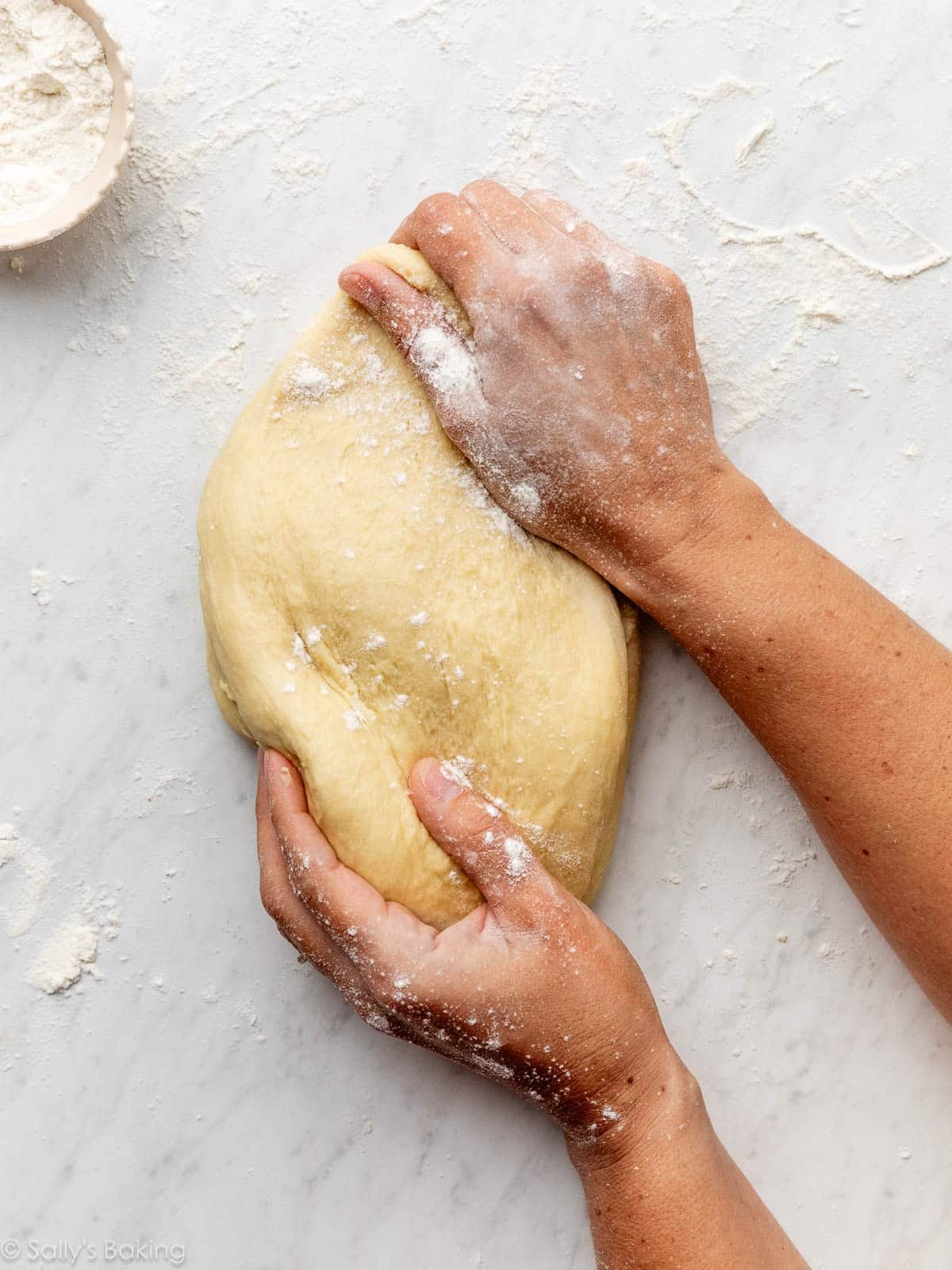
- Dough Preparation and Fermentation (Phase 1: Mixing and Kneading): The initial stage involves combining the dough ingredients, typically using a stand mixer with a dough hook to ensure thorough mixing and gluten development. While manual kneading is an option, it requires considerable physical effort. The kneading process is critical for developing the gluten strands within the flour, which provide the dough with its elasticity and structure, enabling it to trap gases produced by the yeast during fermentation.
- Dough Fermentation (Phase 2: Rising): Following kneading, the dough undergoes its primary rise, typically for 1 to 2 hours in a warm environment. During this period, the yeast consumes sugars in the dough, producing carbon dioxide gas that causes the dough to expand and become airy. This fermentation is vital for both the texture and flavor development of the final product.
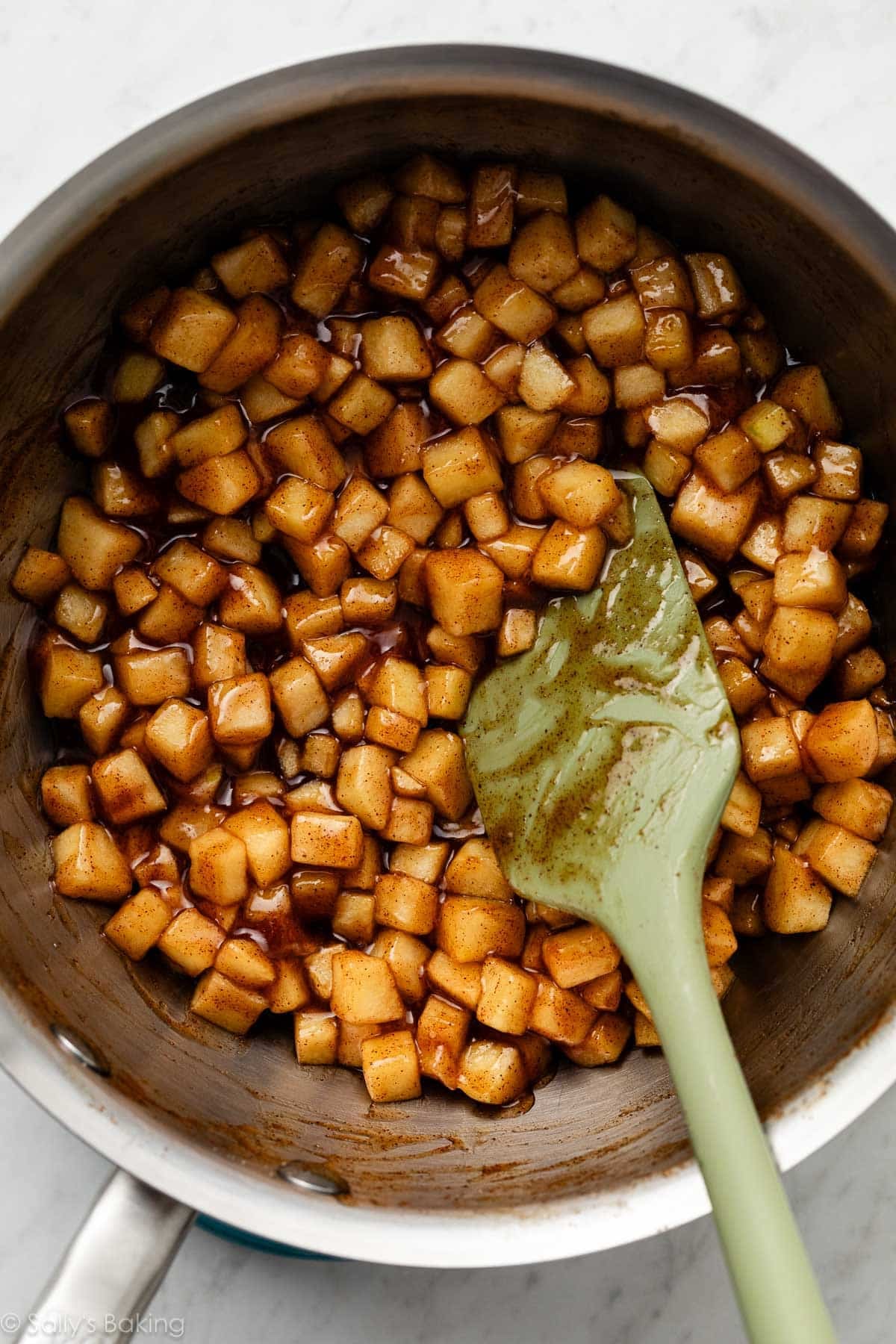
- Crafting the Apple Filling: Concurrently with the dough’s first rise, the apple filling is prepared. Chopped apples, brown sugar, and spices are simmered in a saucepan for a brief period, allowing the apples to soften slightly and the flavors to meld. The addition of a cornstarch slurry then thickens the mixture to a saucy consistency. The filling is subsequently cooled completely, as residual heat could negatively impact the dough’s structure and frying process. The cooling also allows the filling to further thicken, minimizing moisture release during frying.
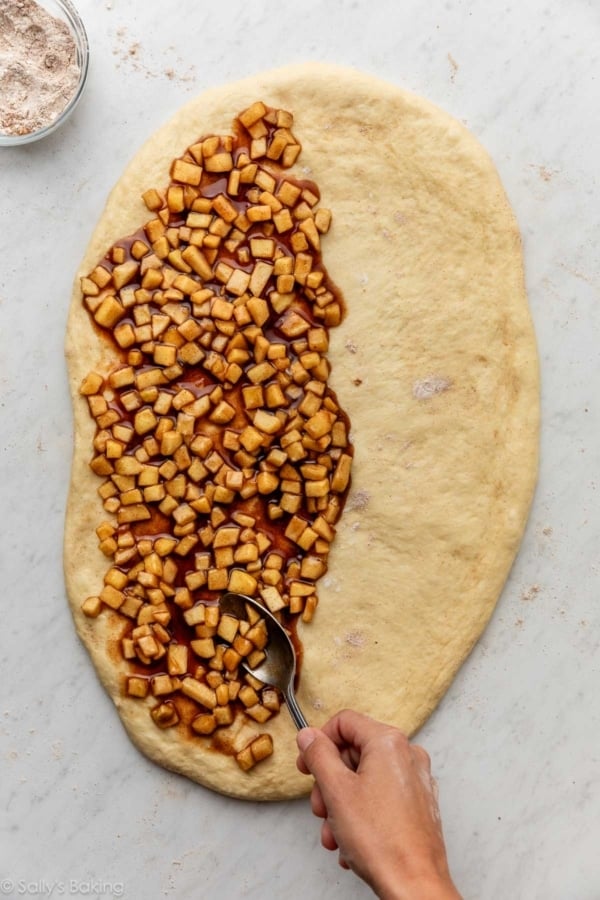
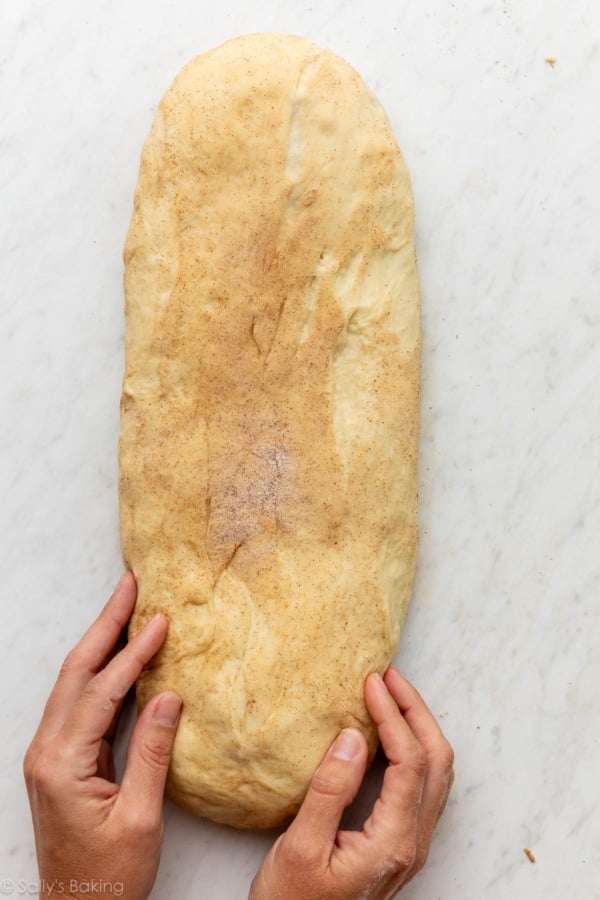
- The Art of Shaping: An Intricate Stage: This phase is often described as the most hands-on and potentially "messy" aspect of fritter production. After the dough has risen, it is "punched down" to release accumulated gases. It is then turned out onto a floured surface, which has been generously dusted with a mixture of flour, cinnamon, and nutmeg – a technique that not only prevents sticking but also infuses additional spice flavor directly onto the dough’s surface. The dough is pressed or rolled into an oval or round, approximately 1/2-inch thick. The cooled apple filling is then spread evenly over one half of the dough. A layer of the spiced flour mixture is often sprinkled over the filling to aid in moisture absorption. The dough is then folded over the filling and the edges sealed, forming a large, calzone-like structure.
The filled dough is then shaped into a rounded log. Using a bench scraper or sharp knife, the log is subjected to a series of strategic cuts: approximately 11 horizontal cuts that penetrate most, but not all, of the way through the dough, followed by 3 or 4 vertical cuts, creating a crosshatch pattern. This cutting technique serves to distribute the apple filling throughout the dough and create the characteristic irregular, lumpy appearance of fritters. The mass is then divided into 4 sections, and subsequently into 12 individual portions. This stage often requires careful redistribution of the filling to ensure even distribution across all fritters, highlighting the inherent asymmetry that is a hallmark of this rustic confection. A practical tip for managing the soft, filled dough is to place each shaped fritter onto an individual square of parchment paper (approximately 5-6 inches) and then set these into a standard 12-cup muffin pan. This method helps the fritters maintain their shape during a final brief resting period before frying, preventing excessive spreading. The fritters are then loosely covered and allowed to rest while the frying oil is heated. - The Science of Frying: Temperature, Oil, and Safety: Frying is a critical stage that determines the fritter’s texture and doneness. The process requires a neutral-flavored oil with a high smoke point, such as vegetable, canola, or peanut oil, heated in a sturdy pot or Dutch oven to an optimal temperature range, typically around 350-375°F (175-190°C). An oil or candy thermometer is indispensable for monitoring and maintaining this temperature.
- Temperature Control: Maintaining the correct oil temperature is paramount. If the oil is too hot, the fritters will brown excessively on the exterior before the interior is fully cooked, leading to a raw or doughy center. Conversely, if the oil is too cool, the fritters will absorb an excessive amount of oil, resulting in a greasy product.
- Batch Frying: Fritters are typically fried in small batches (2-3 at a time) to prevent overcrowding, which can lower the oil temperature significantly and lead to uneven cooking.
- Frying Technique: Each fritter, still on its parchment square, is carefully lowered into the hot oil using a large flat spatula. After approximately 2 minutes, the parchment paper is carefully removed with tongs as the fritter is flipped. Frying continues until both sides achieve a deep golden-brown hue.
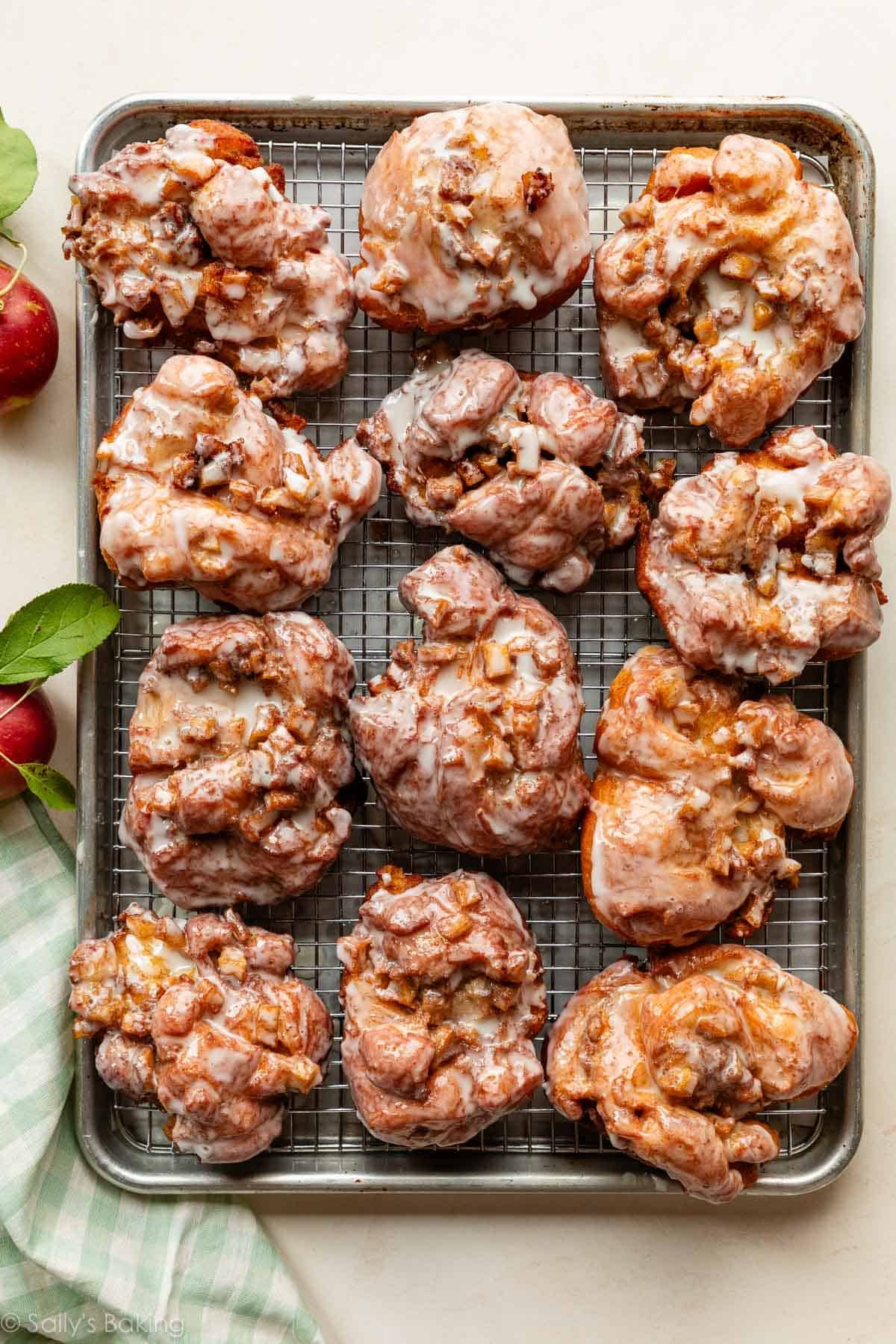
- Post-Frying Handling: Upon removal from the oil, fritters are transferred to a cooling rack set over a lined baking sheet, allowing excess oil to drain. Any loose apple pieces that may have escaped during frying are often gently tucked back into the fritters once they are cool enough to handle.
- Oil Disposal: Proper disposal of used frying oil is an important consideration. It should never be poured down a drain, as it can cause significant plumbing issues. Instead, cooled oil should be poured into a sealable container and discarded with household trash, or recycled through local waste facilities if available. Clean oil can be strained and reused for subsequent frying.
- The Final Flourish: Glazing for Perfection: The warm fritters are then dipped in the prepared vanilla glaze. The residual warmth of the fritters allows the glaze to set quickly, forming a glossy, sweet coating. This final step not only enhances the visual appeal but also adds an additional layer of sweetness and texture, complementing the spiced apple interior. Ideally, fritters are consumed shortly after glazing, when they are still slightly warm, offering the peak of their flavor and textural contrast.
Economic and Societal Implications
The renewed interest in homemade confections like apple fritters reflects broader societal trends. The practice of from-scratch baking has seen a significant resurgence, particularly in recent years, driven by factors such such as a desire for control over ingredients, a search for authentic flavors, and the sensory satisfaction derived from culinary creation. Data from various market research firms indicates a steady growth in the home baking segment, with sales of baking ingredients and equipment often correlated with economic conditions and increased time spent at home.
Beyond the individual kitchen, homemade fritters contribute to local economies through the purchase of fresh produce, particularly seasonal apples from local orchards, and other baking supplies. They also play a role in community engagement, often featured at farmers’ markets, local bakeries, and seasonal festivals, where they celebrate harvest traditions and provide a connection to artisanal food culture. The "labor of love" aspect associated with their preparation can also foster a deeper appreciation for food craftsmanship and the value of homemade goods over mass-produced alternatives.
Expert Perspectives and Nutritional Considerations
Culinary experts frequently highlight the importance of traditional recipes like apple fritters in preserving culinary heritage. Food scientists might emphasize the intricate interplay between yeast activity, gluten development, and fat absorption during the frying process, all of which contribute to the fritter’s unique textural profile. The choice of apple variety, for instance, is not merely a matter of taste but also structural integrity, as some apples break down too readily when cooked, leading to a mushy filling.
From a nutritional standpoint, apple fritters offer a source of energy, primarily from carbohydrates and fats. The inclusion of fresh apples provides dietary fiber and vitamins, though the frying process and high sugar content from the glaze mean they are best enjoyed as an occasional treat within a balanced diet. A typical homemade apple fritter, depending on size and specific ingredients, can range from 250-400 calories, with varying amounts of fat and sugar. This positions them as a rich dessert or breakfast item, rather than a staple food.
Challenges and Best Practices for Optimal Results
The process of making apple fritters presents several common challenges, which can be mitigated with adherence to best practices:
- Yeast Activation: Ensuring the yeast is active is fundamental. Using milk within the recommended temperature range (around 105-115°F or 40-46°C) is crucial for yeast vitality.
- Dough Consistency: The dough should be soft and slightly sticky, not overly dry or stiff, to achieve a tender crumb. Adjusting flour quantities slightly based on humidity can be necessary.
- Apple Choice: Selecting firm, crisp baking apples that hold their shape is essential to prevent the filling from becoming overly soft or watery.
- Cooling the Filling: Allowing the apple filling to cool completely before incorporating it into the dough prevents premature yeast activation or dough weakening.
- Oil Temperature Management: Consistent monitoring and adjustment of oil temperature during frying is the single most critical factor for achieving a crisp exterior and thoroughly cooked interior without excessive greasiness.
- Patience in Shaping: The shaping process is inherently untidy. Approaching it with patience and utilizing tools like a bench scraper and parchment paper can simplify the task and ensure more consistent results.
In conclusion, the homemade apple fritter stands as a testament to the rewards of traditional baking. Its intricate preparation, from the precise science of yeast fermentation to the artful shaping and careful frying, yields a confection that transcends mere ingredients, offering a rich tapestry of flavors and textures. Its enduring popularity reflects not only its inherent deliciousness but also its role as a comfort food, a seasonal celebration, and a connection to culinary heritage.
