

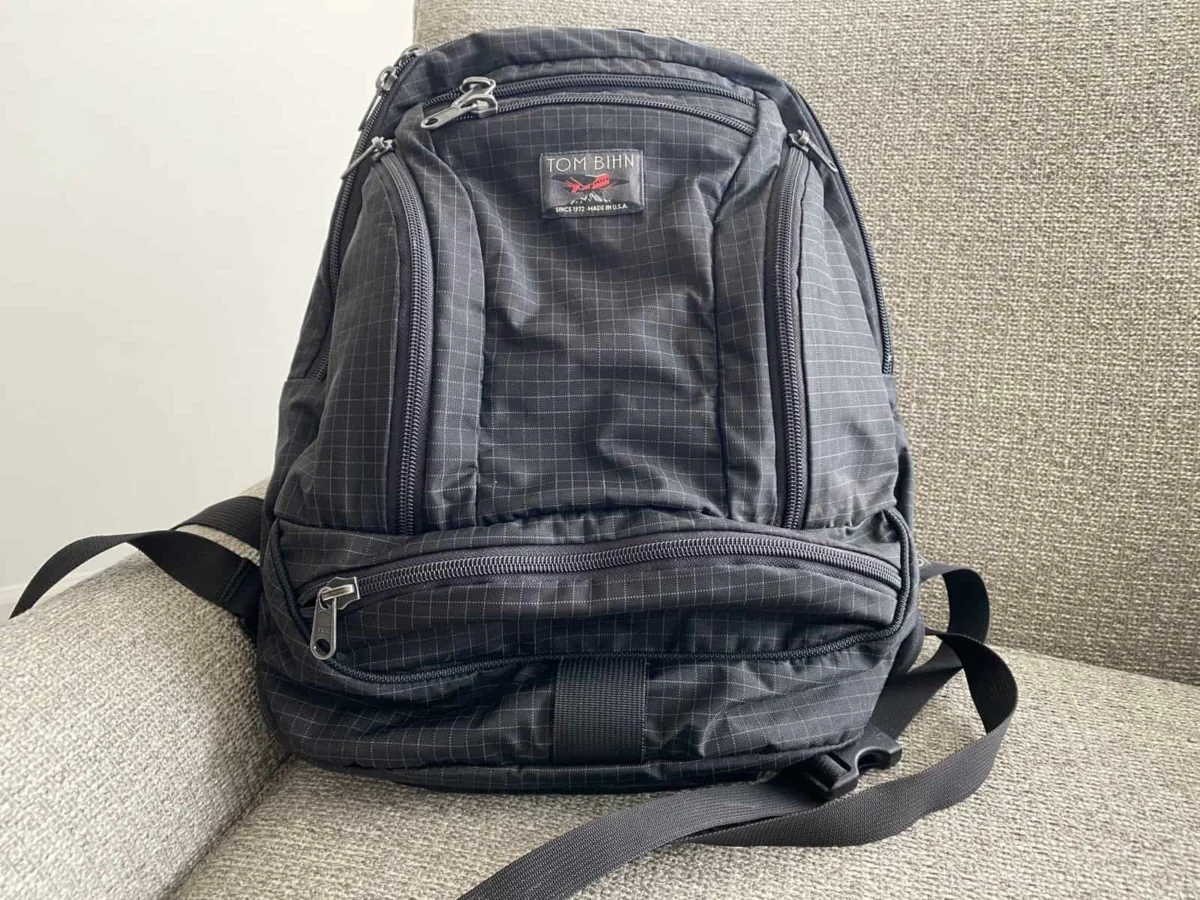
In a rare convergence of digital networking and physical discovery, a travel writer and former attorney has been reunited with personal belongings stolen during a 2017 burglary in Brooklyn. The recovery of the item, a specialized travel backpack found on a residential roof in the Park Slope neighborhood, concludes a three-year mystery that began during one of the most harrowing periods of the owner’s life. The incident highlights the enduring nature of physical evidence in urban environments and the role of social media in resolving long-standing cases of theft and loss.
The Discovery in Park Slope
In late 2020, a homeowner in Park Slope, Brooklyn, contracted a professional chimney sweep to perform routine maintenance on her residence. During the inspection and cleaning of the chimney vent, the technician discovered a Tom Bihn Synapse daybag tucked into a crevice on the roof. Despite being exposed to the elements for over three years, the bag remained largely intact.
Upon examining the contents, the homeowner found several expired credit cards, business cards, and two pairs of prescription glasses. Using the name on the credit cards, the resident attempted to contact the owner via Facebook. Due to the platform’s filtering algorithms, the message remained in a "request" folder for several weeks before it was discovered by the recipient, Jodi Ettenberg.
The message inquired whether Ettenberg had lost a backpack in the area several years prior. For Ettenberg, the inquiry was not merely about a lost item; it was a link to a transformative and traumatic event that occurred in August 2017.
A Convergence of Trauma: The 2017 Burglary
The theft occurred while Ettenberg was cat-sitting at an apartment in Park Slope. The timing of the crime was particularly notable due to its synchronicity with a medical emergency. At the exact moment the burglary was captured on the apartment’s security camera, Ettenberg was undergoing a spinal tap (lumbar puncture) at a nearby hospital.
The medical procedure resulted in a debilitating cerebrospinal fluid (CSF) leak, a condition that left Ettenberg with a long-term disability. While she was being treated, a burglar entered the residence, using her own backpack to collect valuables from the apartment. The thief reportedly took a laptop, jewelry, and cash, but left Ettenberg’s Canadian passport and a small amount of currency on a couch before fleeing. The discovery of the bag on a roof just a few houses away suggests the perpetrator may have discarded the bag quickly after extracting the most high-value, liquid assets.

Chronology of Events
The timeline of the recovery spans over three years, illustrating the duration for which stolen property can remain hidden in plain sight within a dense urban landscape.
- August 2017: Ettenberg undergoes a spinal tap in a New York City hospital. Simultaneously, a burglar enters her temporary residence in Park Slope, stealing her Tom Bihn backpack and various electronics.
- August 2017 – December 2020: The backpack remains wedged against a chimney vent on a roof in Park Slope, subjected to New York’s seasonal temperature fluctuations and weather patterns.
- December 2020: A chimney cleaner discovers the bag. The homeowner sends a message to Ettenberg via Facebook.
- January 2021: Ettenberg discovers the filtered message and confirms the bag belongs to her.
- Early 2021: A close friend and former colleague, Cheryl, retrieves the bag from the Park Slope resident.
- Spring 2021: The bag is cleaned, refurbished, and returned to Ettenberg, who eventually gifts it to another friend to serve a new purpose.
Statistical Context: Crime and Recovery in New York City
The recovery of stolen property years after a crime is statistically improbable. According to data from the New York Police Department (NYPD), the 78th Precinct, which oversees Park Slope, has seen fluctuating rates of burglary over the last decade. In 2017, the year of the theft, New York City reported 12,088 burglaries. While the clearance rate for such crimes—the rate at which police "solve" the crime through arrest or other means—is approximately 15% to 20% nationally, the actual recovery of non-serialized personal property like backpacks and clothing is significantly lower.
Most stolen electronics are quickly moved through secondary markets or "fences," while personal items are often discarded in trash receptacles or alleys. The fact that this bag was placed on a roof suggests a specific flight path taken by the burglar, likely seeking a high vantage point or a hidden spot to sort through the haul without being seen from the street.
The Medical Context: Understanding the Life-Altering Injury
The significance of the bag’s recovery is amplified by the medical context of Ettenberg’s disability. A spinal tap is a common procedure used to collect cerebrospinal fluid for diagnostic testing. However, if the puncture site fails to close properly, it can result in a post-dural puncture headache or a chronic CSF leak.
For Ettenberg, this complication was severe. Chronic CSF leaks can cause "orthostatic headaches," which worsen significantly when the patient is upright and improve when lying down. This condition often requires extensive bed rest, "blood patches" to seal the leak, or surgical intervention. The fact that the burglary occurred at the exact moment her physical health was permanently altered created a psychological link between the lost object and her lost mobility.
The Role of Digital Networking and Social Media
The resolution of this case underscores the utility of social media as a tool for returning lost property, despite its technical hurdles. Facebook’s "Message Requests" folder is designed to prevent spam by filtering messages from users who are not "friends" with the recipient. However, this feature often results in legitimate and urgent communications being missed for weeks or months.
Privacy experts note that while these filters protect users, they also create "digital purgatories" where important information can languish. In this instance, the persistence of the Park Slope resident and Ettenberg’s eventual decision to check her filtered messages were the only factors that allowed the items to be returned.

Psychological Implications of Recovered Property
For victims of crime, the recovery of stolen items can be a complex emotional experience. Criminologists and psychologists often discuss the concept of "victimization" as a process that involves a loss of agency. The return of a stolen item can provide a sense of closure, but it can also act as a "trigger," resurfacing the trauma associated with the original event.
Ettenberg described the receipt of the message as a moment where her "heart just about stopped." The items inside—the warped prescription glasses and expired credit cards—served as physical markers of a life that existed before her disability. Analysts suggest that the act of "reclaiming" such items allows victims to process the event from a position of current strength rather than past vulnerability.
The intervention of Ettenberg’s friend, Cheryl, added a layer of "restorative care" to the recovery. By cleaning the bag and filling it with gifts before returning it, the friend helped transition the object from a "piece of evidence" or a "reminder of theft" into a symbol of community support.
Broader Impact and Implications
The story of the Park Slope backpack serves as a case study in the longevity of high-quality consumer goods and the unpredictable nature of urban life. The bag itself, manufactured by Tom Bihn, is known among the travel community for its durability. The fact that the materials survived three years of New York winters and summers on a rooftop speaks to the engineering of modern outdoor gear.
Furthermore, the incident highlights the "small world" nature of New York City neighborhoods. The bag was found only a few doors down from where it was stolen, indicating that the perpetrator likely did not travel far before disposing of the evidence. This is consistent with opportunistic "smash and grab" or residential burglaries where the thief seeks to minimize the time spent carrying potentially incriminating evidence.
In the final stage of the bag’s journey, Ettenberg chose to gift the backpack to another individual. This act of "transmuting the bad into something useful" is often cited in trauma recovery as a vital step in moving forward. By placing the bag back into service, the cycle of the 2017 burglary was effectively closed.
While the laptop and jewelry remain unrecovered, the return of the "miracle bag" stands as a rare outlier in the annals of New York City crime. It serves as a reminder that even in a city of millions, the combination of professional diligence (the chimney cleaner), neighborly integrity (the homeowner), and enduring friendship can occasionally reverse the effects of a long-past crime.
