

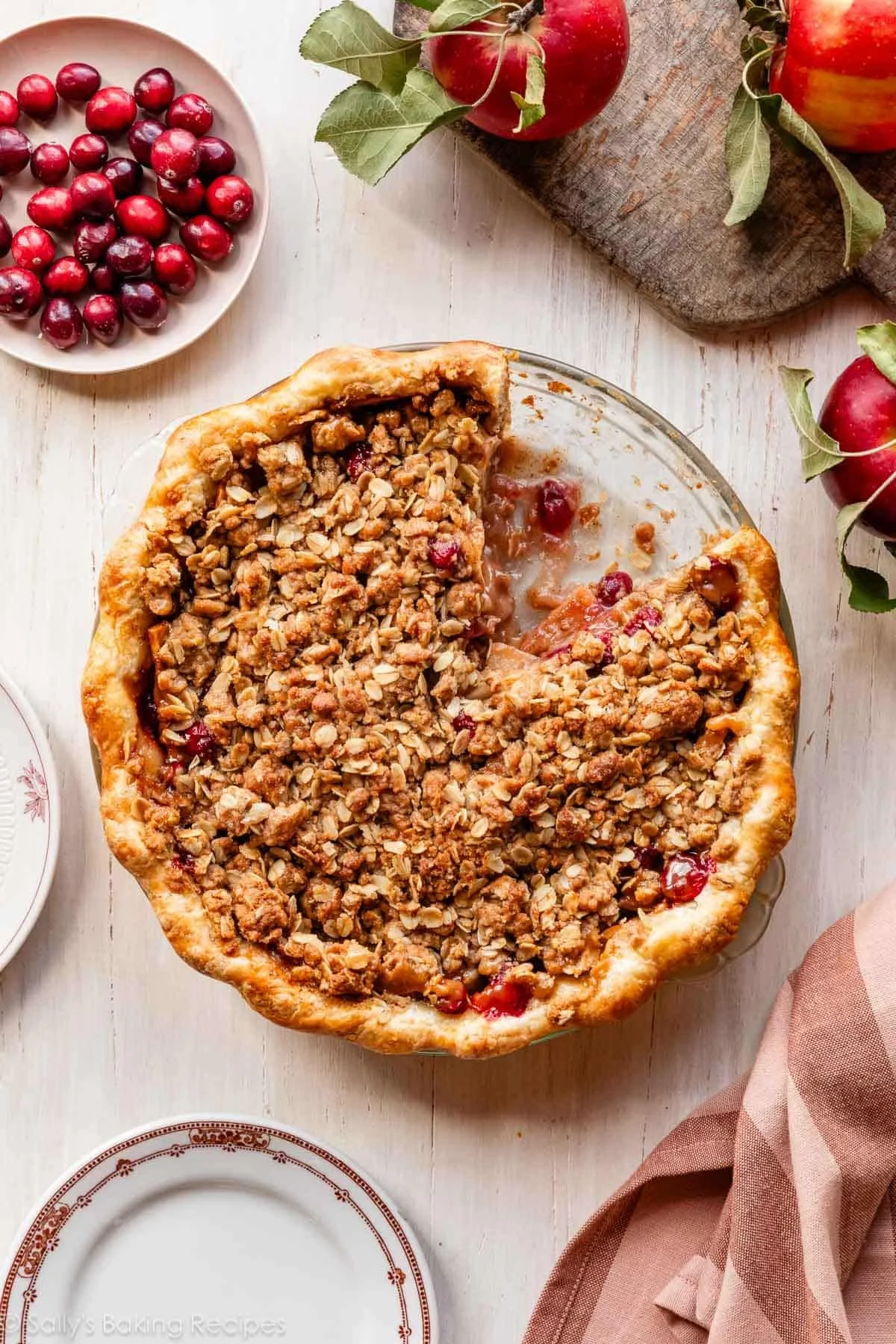
Achieving culinary excellence in apple-based baked goods hinges critically on the judicious selection of apple varieties, where texture, flavor profile, and inherent sweetness play pivotal roles in determining the final outcome. While apples remain a year-round staple for bakers, understanding the unique characteristics of each cultivar is paramount to preventing common pitfalls such as soggy textures or unbalanced flavors, transforming a simple recipe into a masterpiece of taste and consistency.

The Science of Texture: Why Some Apples Hold Their Shape
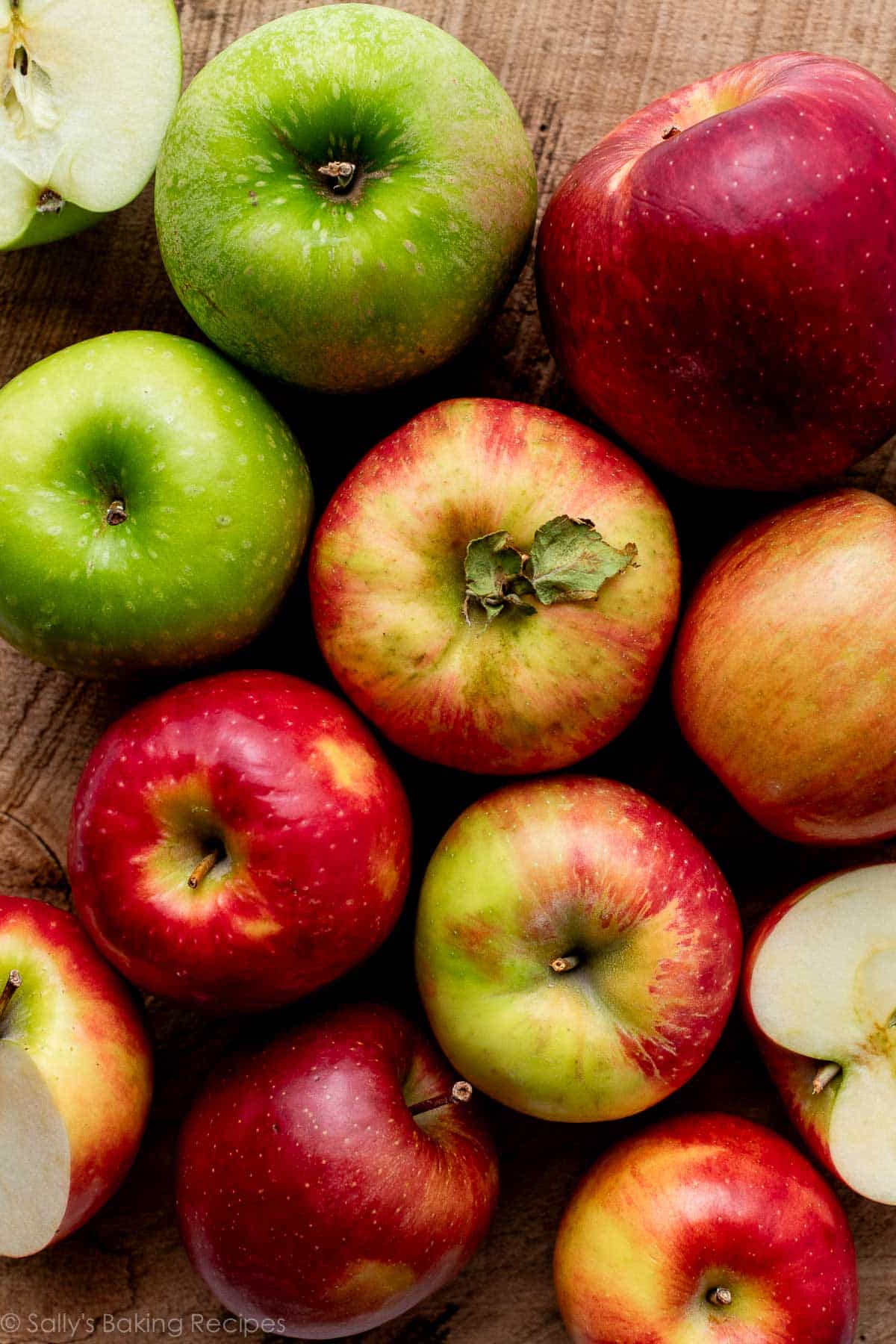
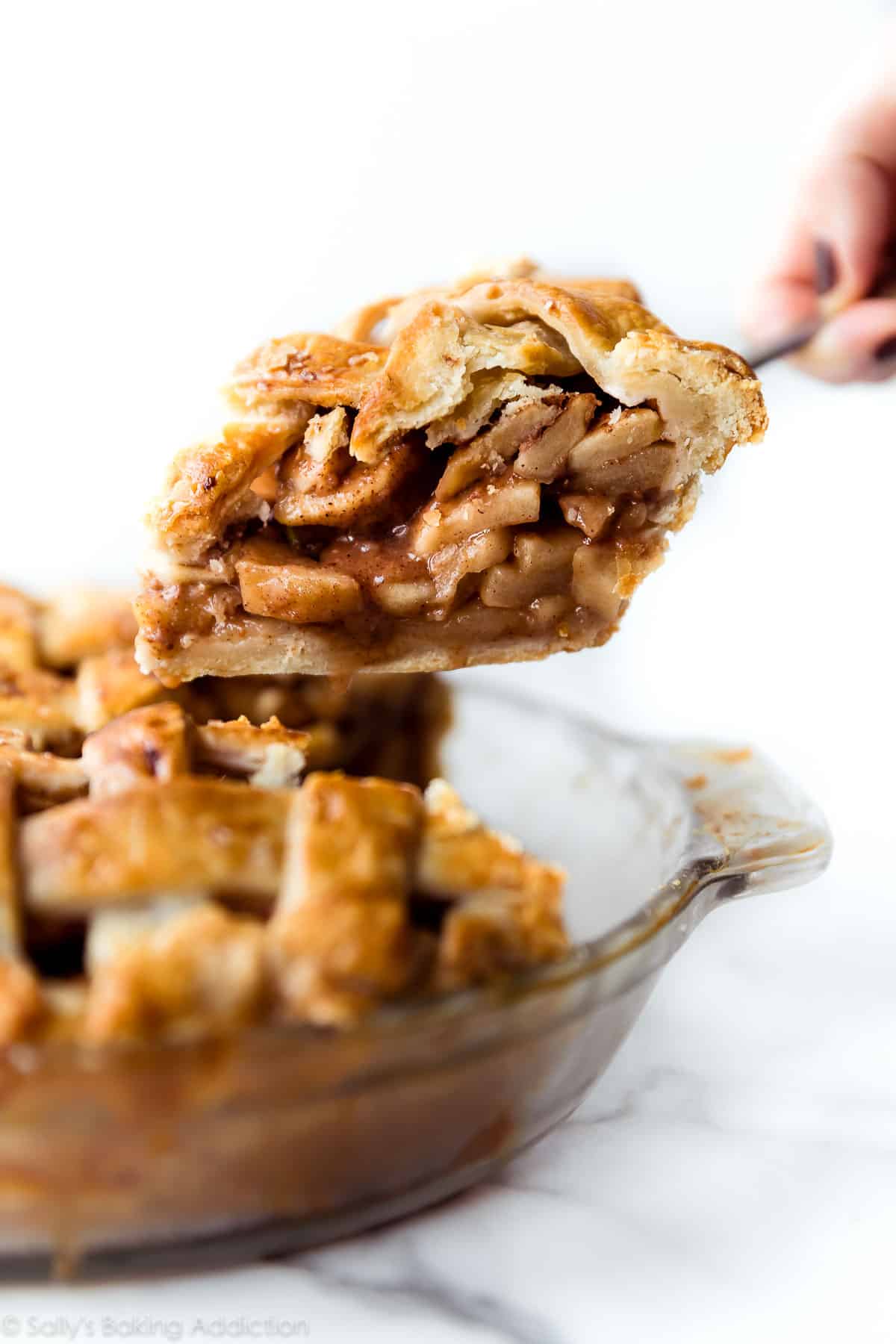
The structural integrity of an apple during baking is perhaps the most crucial factor, dictating whether the fruit retains a pleasant bite or disintegrates into an undesirable purée. This resilience is primarily attributed to the apple’s pectin content and the strength of its cellular walls. Apples with higher pectin levels and robust cell structures are better equipped to withstand the heat of an oven, maintaining their shape and contributing to a desirable textural counterpoint within pies, tarts, and crumbles. Conversely, varieties with lower pectin and softer flesh tend to break down rapidly, best suited for preparations like applesauce or apple butter where a smooth consistency is desired.
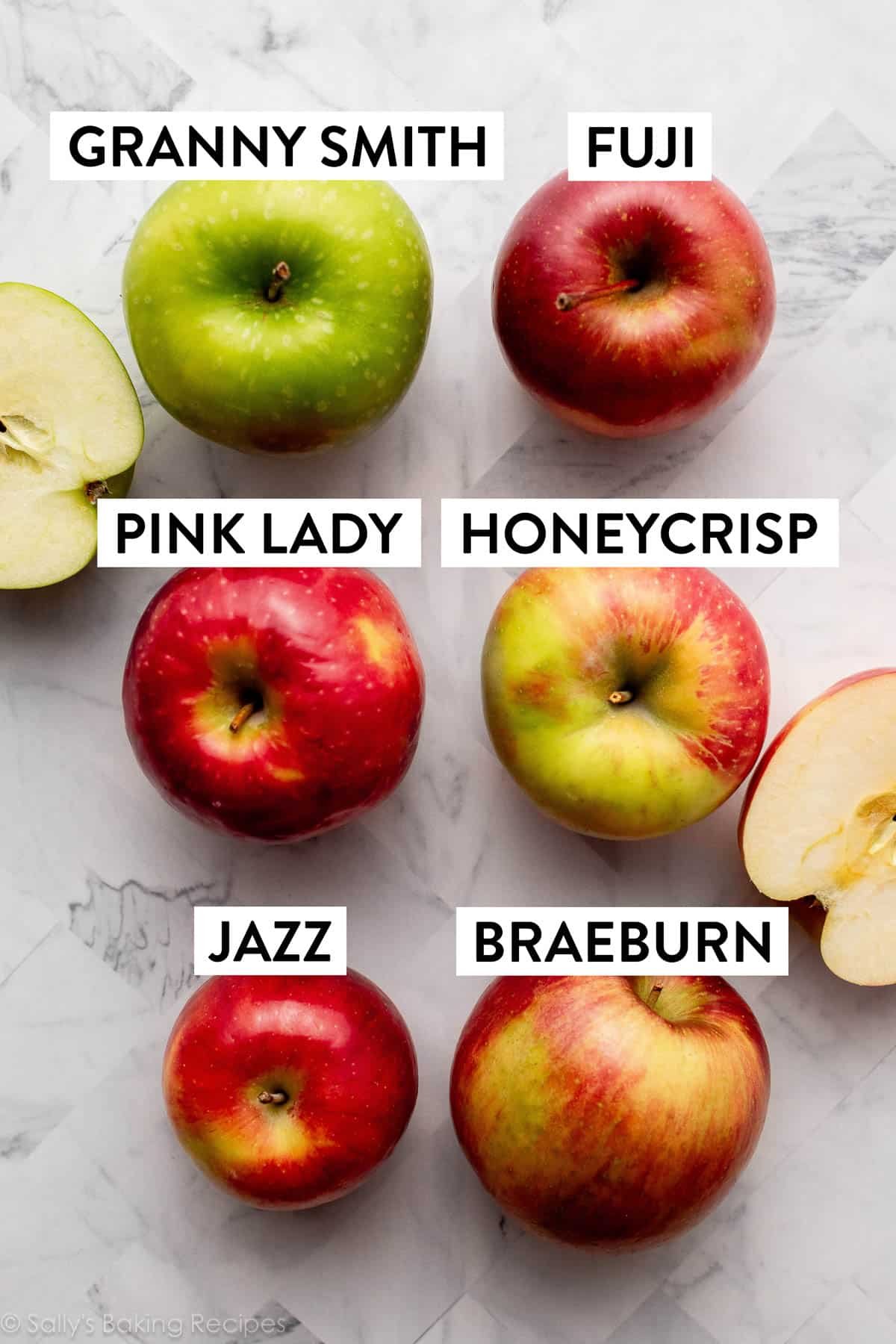
Culinary science consistently advocates for varieties known for their crisp, firm texture. Leading choices in this category include Granny Smith, Honeycrisp, Fuji, Braeburn, Pink Lady (also known as Cripps Pink), Jazz, Golden Delicious, Jonagold, Rome Beauty, Cortland, Mutsu (Crispin), and Winesap. These varieties are celebrated for their ability to remain distinct even after prolonged baking, offering a satisfying mouthfeel that elevates the entire dish.
Conversely, bakers are generally advised to steer clear of softer, mealy varieties such as Red Delicious, Gala, and McIntosh when the goal is a structured filling. While delicious for fresh eating, their cellular breakdown under heat is too rapid, leading to a mushy texture that fails to deliver the desired culinary experience. This distinction is not merely a matter of preference but a fundamental principle of food science, ensuring that the structural integrity of the fruit complements the overall architecture of the baked good. Agricultural research indicates that modern breeding programs often prioritize firmness and disease resistance, contributing to a wider selection of robust baking apples available to consumers globally.
A Symphony of Flavors: Balancing Sweetness and Tartness
Beyond texture, the interplay of sweetness and tartness is fundamental to creating a complex and engaging flavor profile in baked apple dishes. Relying solely on a very sweet apple can result in an cloyingly sweet product, while an overly tart apple might require excessive sugar compensation, potentially masking the fruit’s natural essence. Food historians note that traditional apple pie recipes often called for a blend of available apples, instinctively leveraging diverse flavor profiles long before modern understanding of acidity and sugar content.
Experienced bakers and professional chefs routinely advocate for a combination of both tart and sweet apples to achieve optimal flavor depth. This approach allows the tartness to cut through the richness of the sugar and spices, providing a refreshing counterpoint and preventing the dish from becoming one-dimensional. For instance, a common recommendation is to use a 50/50 ratio, or a slightly higher proportion of tart apples, depending on the desired outcome and the specific recipe.

Leading Tart Apple Varieties for Baking:

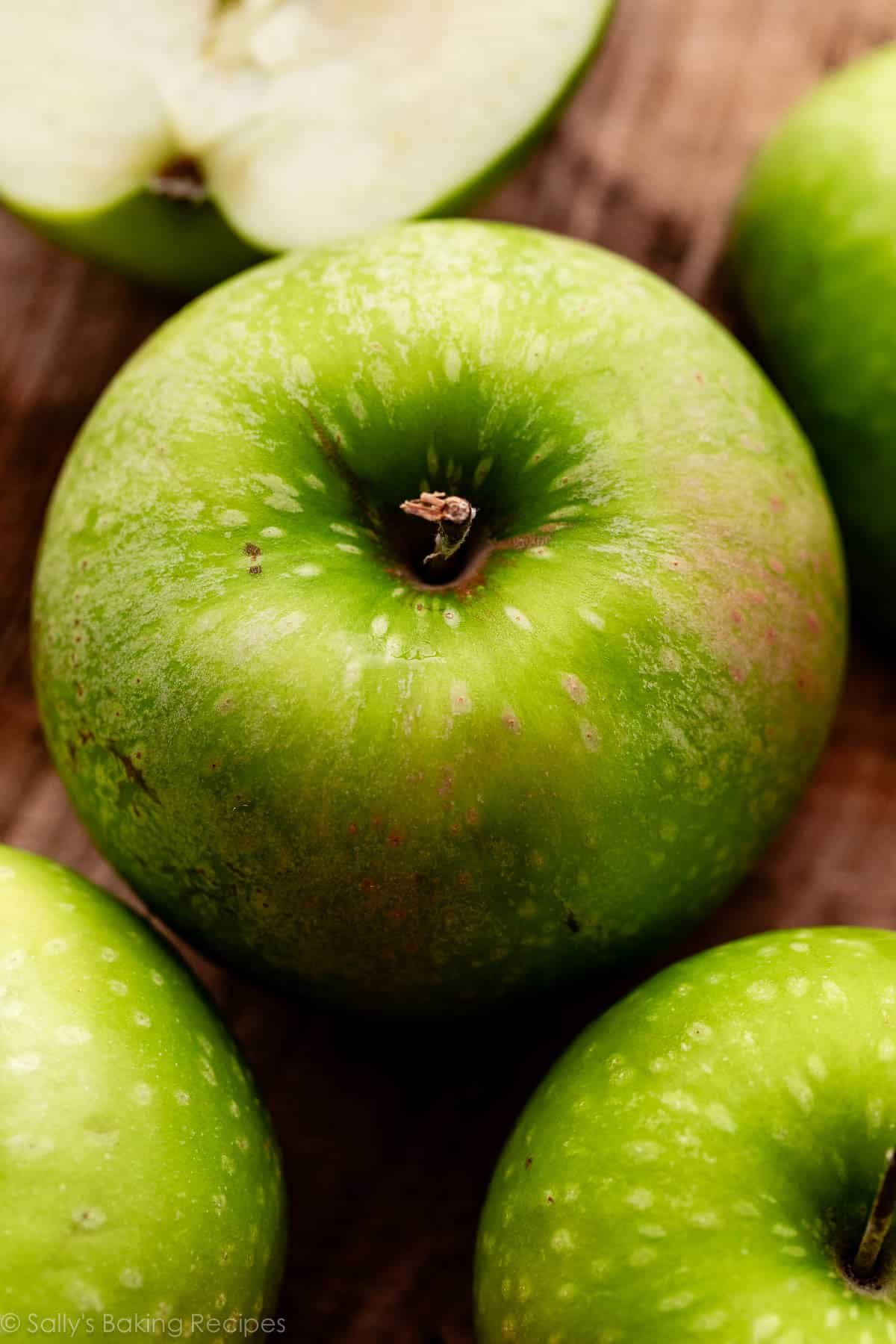
- Granny Smith: Unquestionably the most recognized tart baking apple, Granny Smiths offer a sharp, citrusy tang and exceptional firmness. Their high acidity makes them ideal for balancing the sweetness in rich desserts like apple pies, crumbles, and caramel apples, ensuring a vibrant flavor. Data from major grocery chains indicates Granny Smith consistently ranks among the top-selling baking apples, particularly in the fall season.
- Braeburn: Possessing a classic, slightly sharp apple flavor, Braeburns are less intensely tart than Granny Smiths but still provide a robust acidity. They are known for holding their shape remarkably well during cooking, contributing both texture and balanced tartness.
- Cortland: With a mild tartness and crisp white flesh that resists browning, Cortlands are versatile. They maintain their structure well and offer a nuanced flavor that complements other apple varieties.
- Empire: A cross between McIntosh and Red Delicious, Empire apples offer a good balance of tartness and sweetness, along with a firm texture suitable for baking.
Leading Sweet Apple Varieties for Baking:
- Honeycrisp: A highly popular modern cultivar, Honeycrisps are celebrated for their explosive crispness, abundant juiciness, and honey-sweet flavor. They contribute a delightful sweetness and texture that translates beautifully into baked goods, becoming a star in recipes like apple sangrias and complex pies. The rise of Honeycrisp’s popularity in the last two decades reflects a broader consumer trend towards premium, multi-purpose apple varieties.
- Pink Lady (Cripps Pink): These apples strike an excellent sweet-tart balance, coupled with a very crisp and firm flesh. Their superior ability to retain shape makes them an outstanding choice for dishes requiring structural integrity, such as baked apples or intricate tarts.
- Jazz: A cross between Gala and Braeburn, Jazz apples offer a crisp, firm texture with a mildly tangy sweetness. They are frequently lauded by culinary experts as a top sweet apple for baking, often paired with a tart counterpart like Granny Smith for a harmonious blend.
- Fuji: Known for its exceptional sweetness and crisp, juicy flesh, Fuji apples hold their shape well enough for many baked applications, though they lean more towards the sweet end of the spectrum.
- Golden Delicious: Despite its name, Golden Delicious apples offer a moderate sweetness and soft-crisp texture. While not as firm as some other baking apples, their mild flavor and ability to soften gently make them suitable for a softer-textured filling when combined with firmer varieties.
- Rome Beauty: Often referred to as the "baker’s buddy," Rome Beauty apples are round, firm, and develop a subtle sweetness when cooked, making them a traditional choice for pies and baked apples.
For bakers seeking a single, versatile option, the Granny Smith often emerges as the frontrunner. Its consistent tartness and firm texture provide a reliable foundation that can be adapted with sugar and spices to suit various recipes. However, for a truly nuanced and engaging flavor, the blend of two to three complementary varieties—such as Granny Smith with Honeycrisp or Jazz—is strongly recommended. This approach maximizes the sensory experience, offering both textural variation and a dynamic flavor profile.
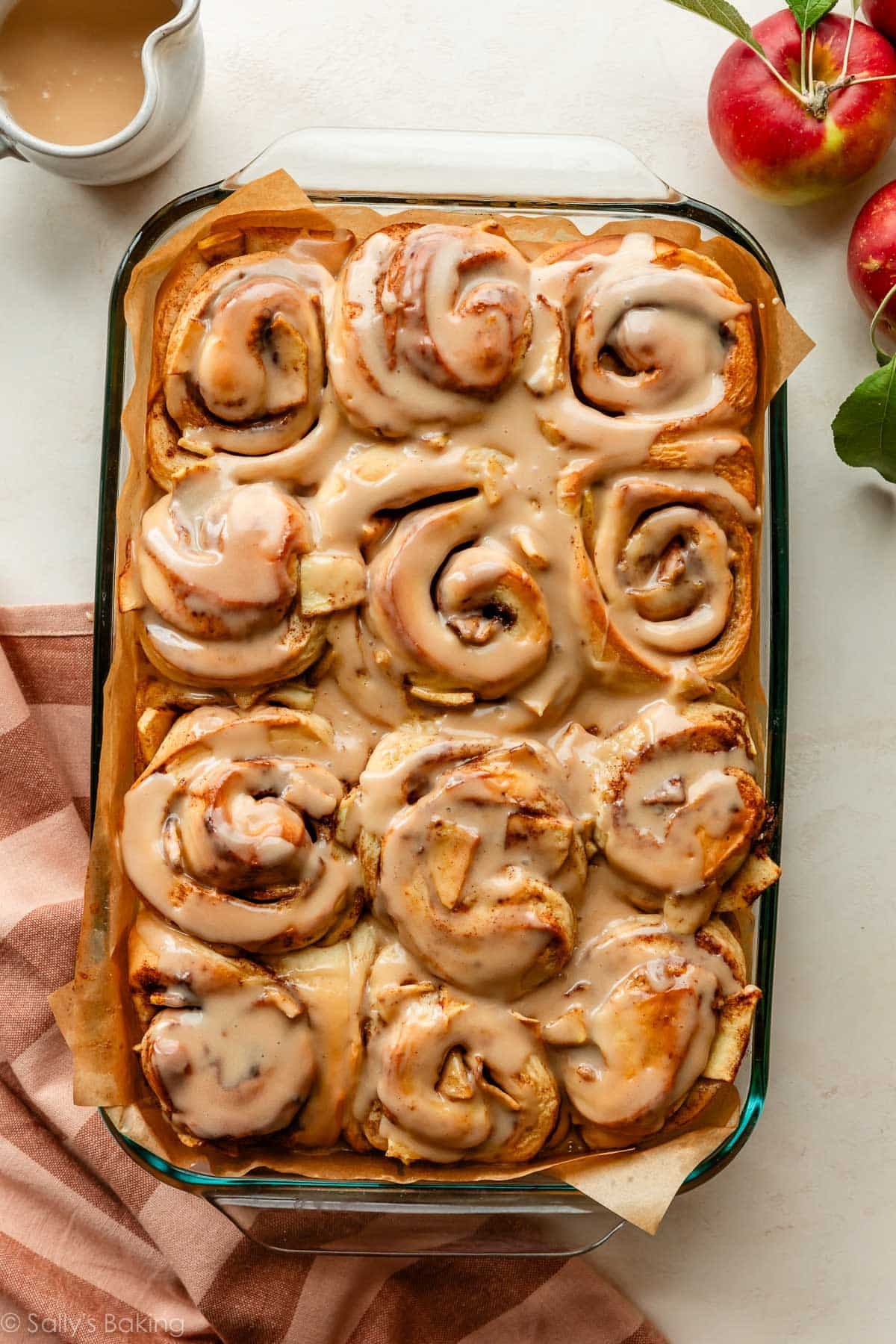
Preparing Apples for Optimal Baking Outcomes

The preparation of apples, while seemingly straightforward, also contributes significantly to the final quality of a baked dish. Key considerations include peeling, coring, and the method of cutting, all of which should align with the specific requirements of the recipe.
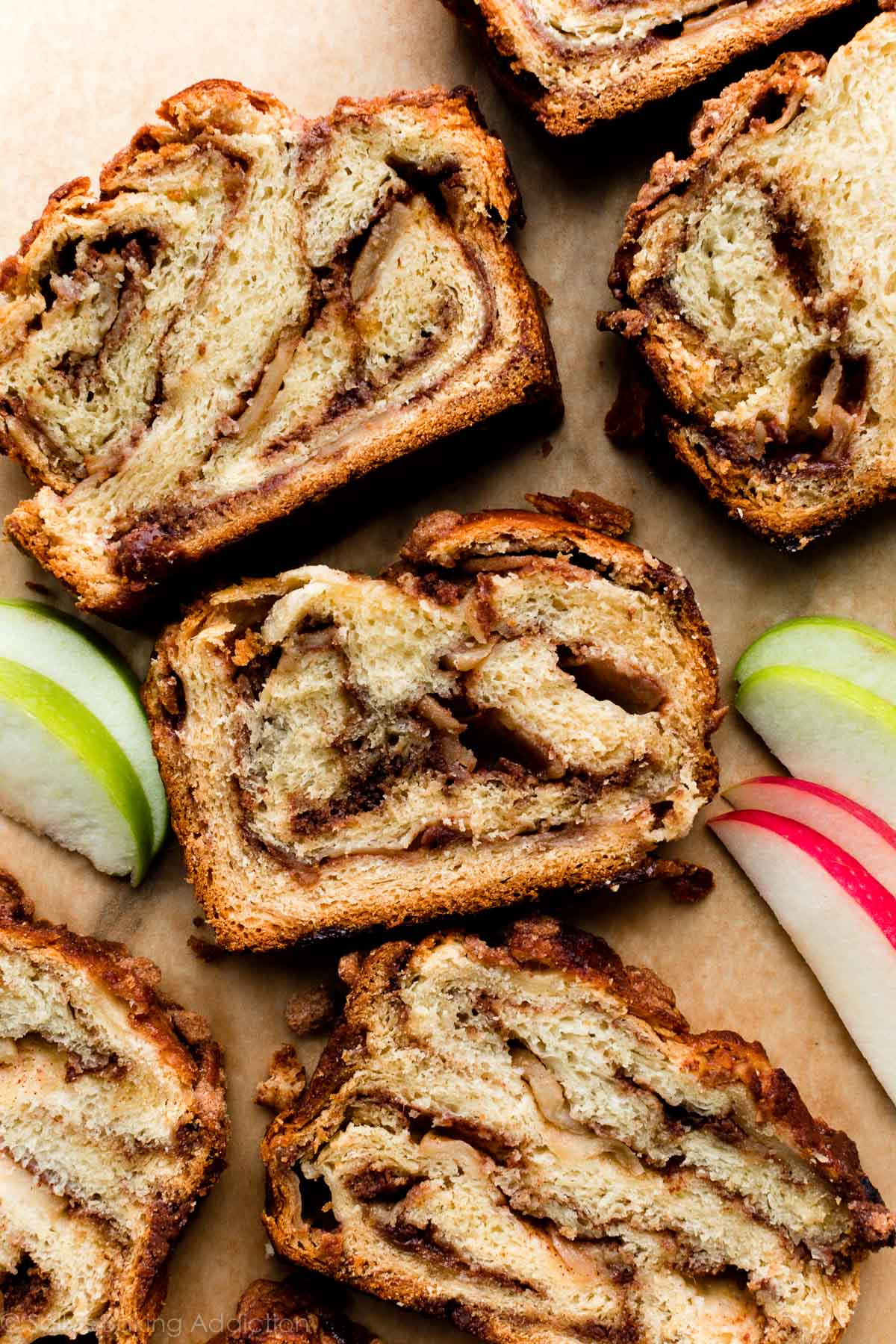
Peeling: Many recipes, particularly for pies and smoother fillings, call for peeled apples. The skin, while nutritious and flavorful, can become tough or separate from the flesh during baking, impacting the texture of the finished product. Tools range from simple swivel peelers to more elaborate crank-style apple peelers that simultaneously peel, core, and slice. The choice of peeling method is largely personal, with anecdotal evidence suggesting that speed and efficiency often come down to individual technique rather than the specific tool. For recipes where a rustic charm or added fiber is desired, such as some crisps or savory dishes, the skin may be left on.
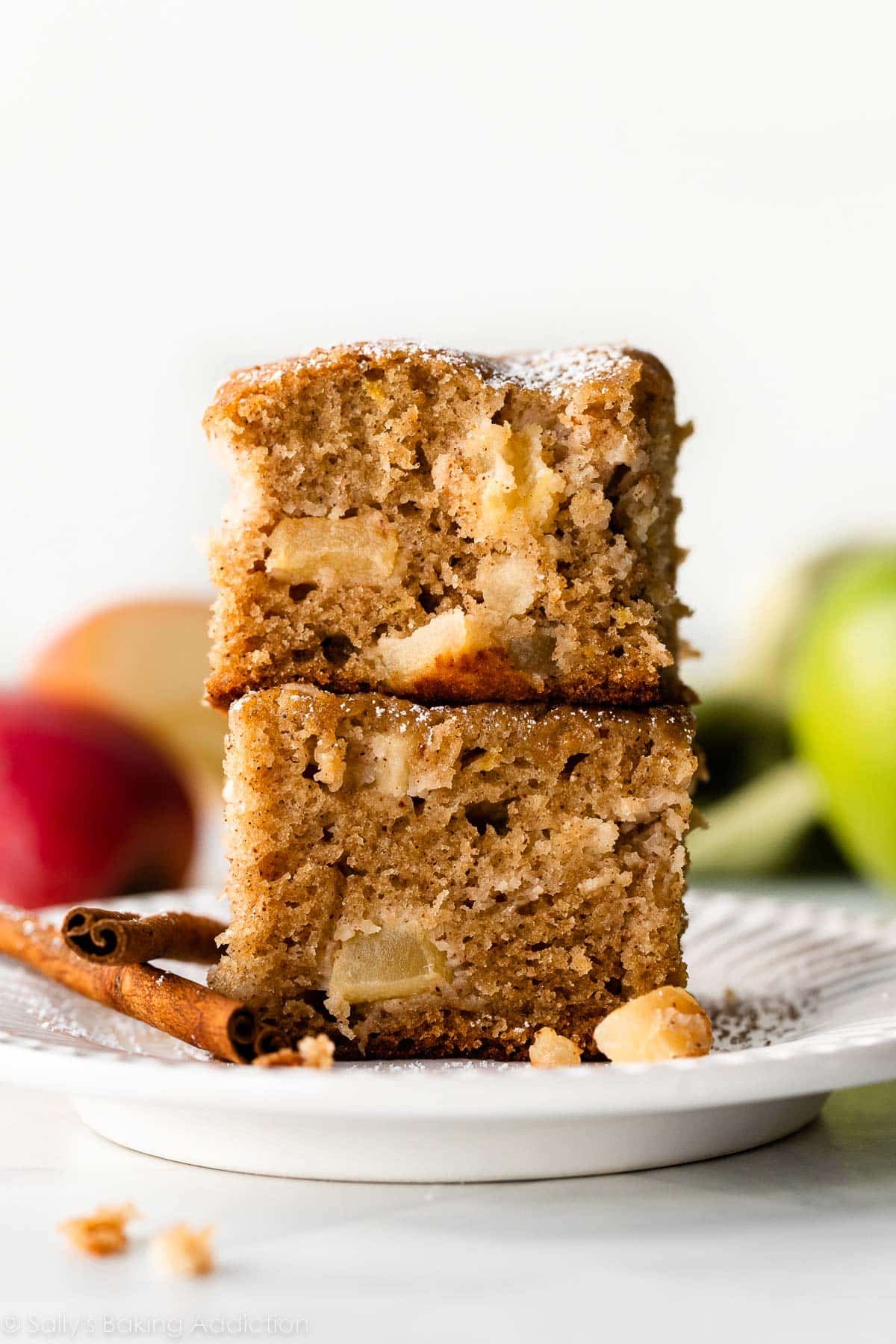
Coring: Removing the fibrous core is essential for most baking applications. Apple corers efficiently extract the core, leaving the flesh intact for slicing or chopping.
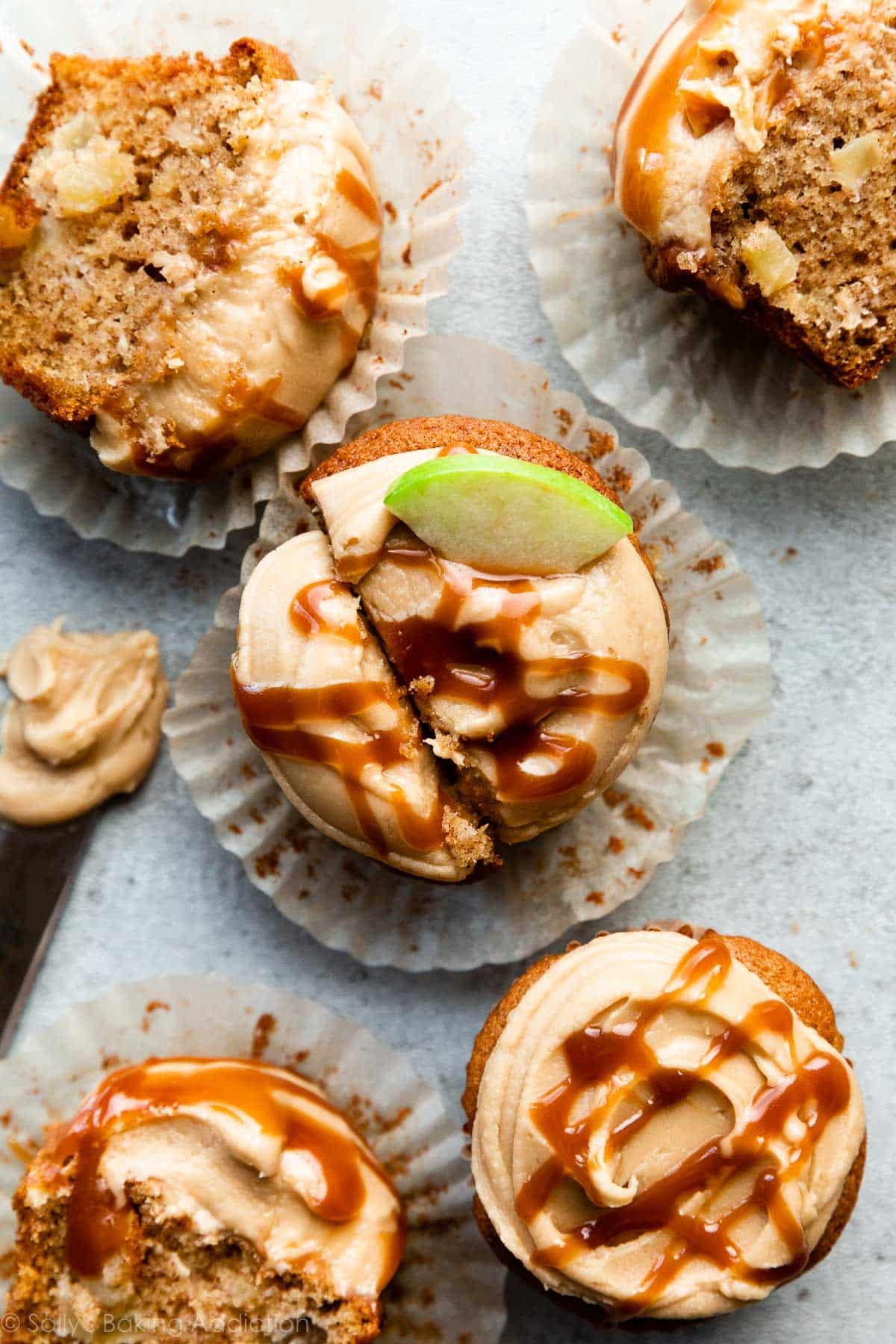
Cutting Techniques: The method of cutting apples is not merely aesthetic but functional, influencing how evenly the apples cook and how they integrate into the dish.
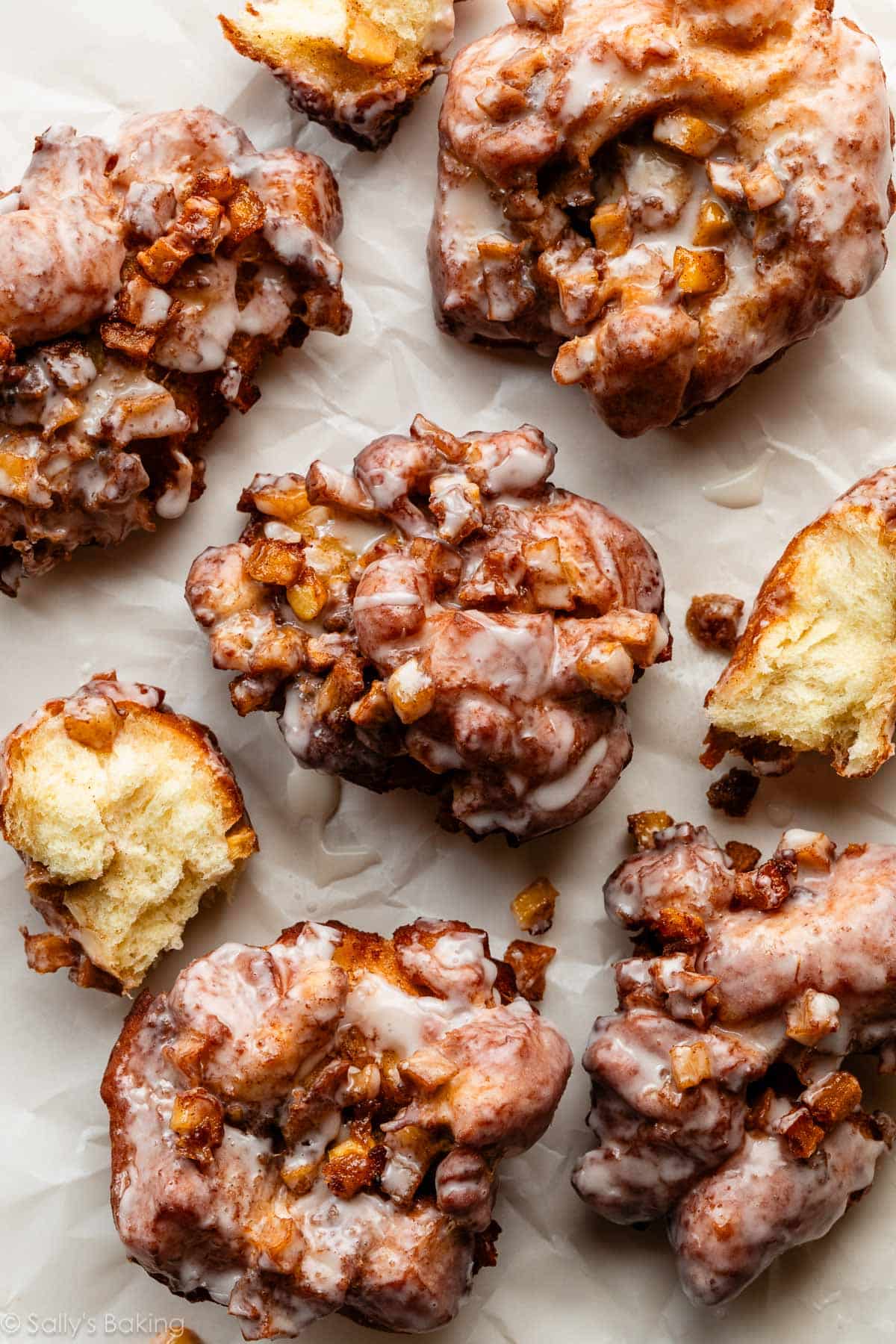
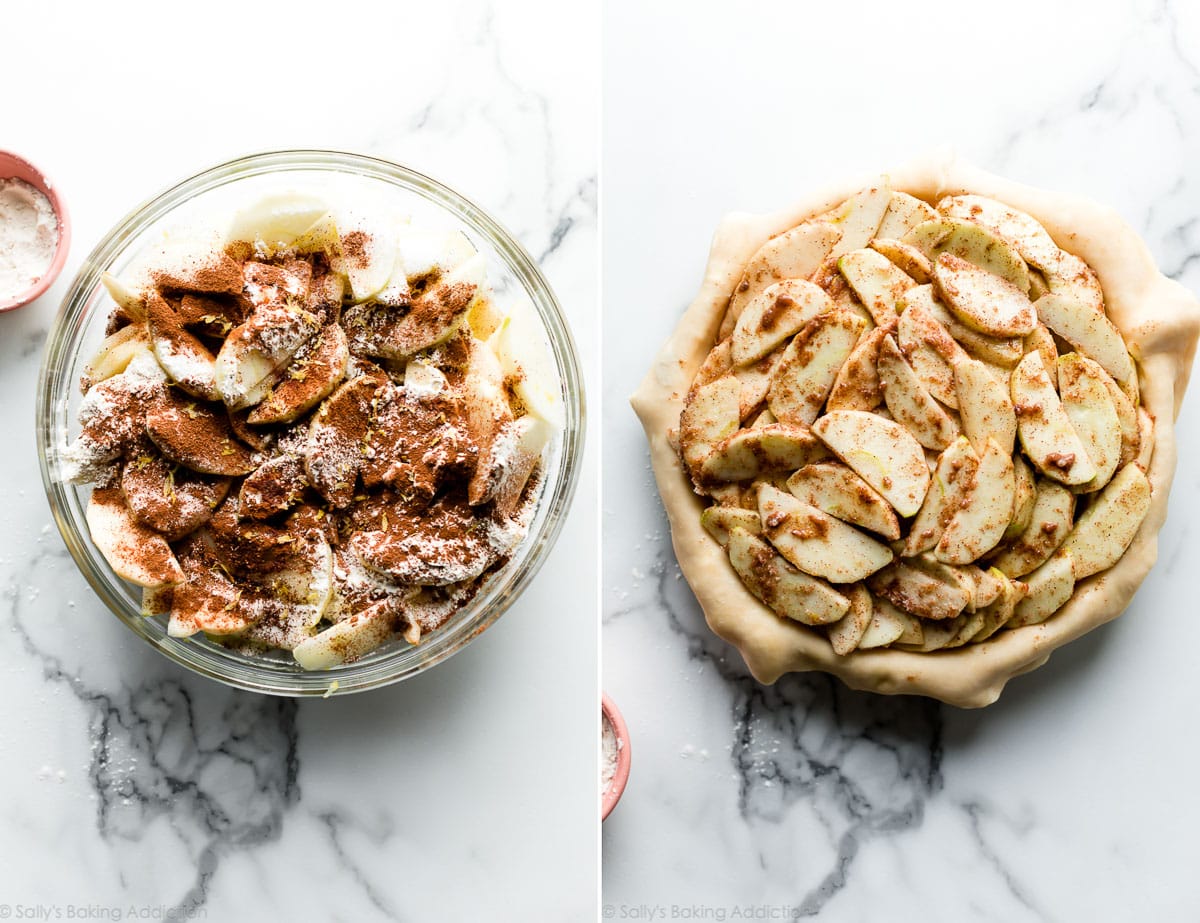
- Slices: For classic apple pies, tarts, and cobblers, uniform slices, typically about 1/4 inch thick, are preferred. Consistency in slice thickness ensures that all apple pieces cook at the same rate, preventing some from becoming mushy while others remain too firm.
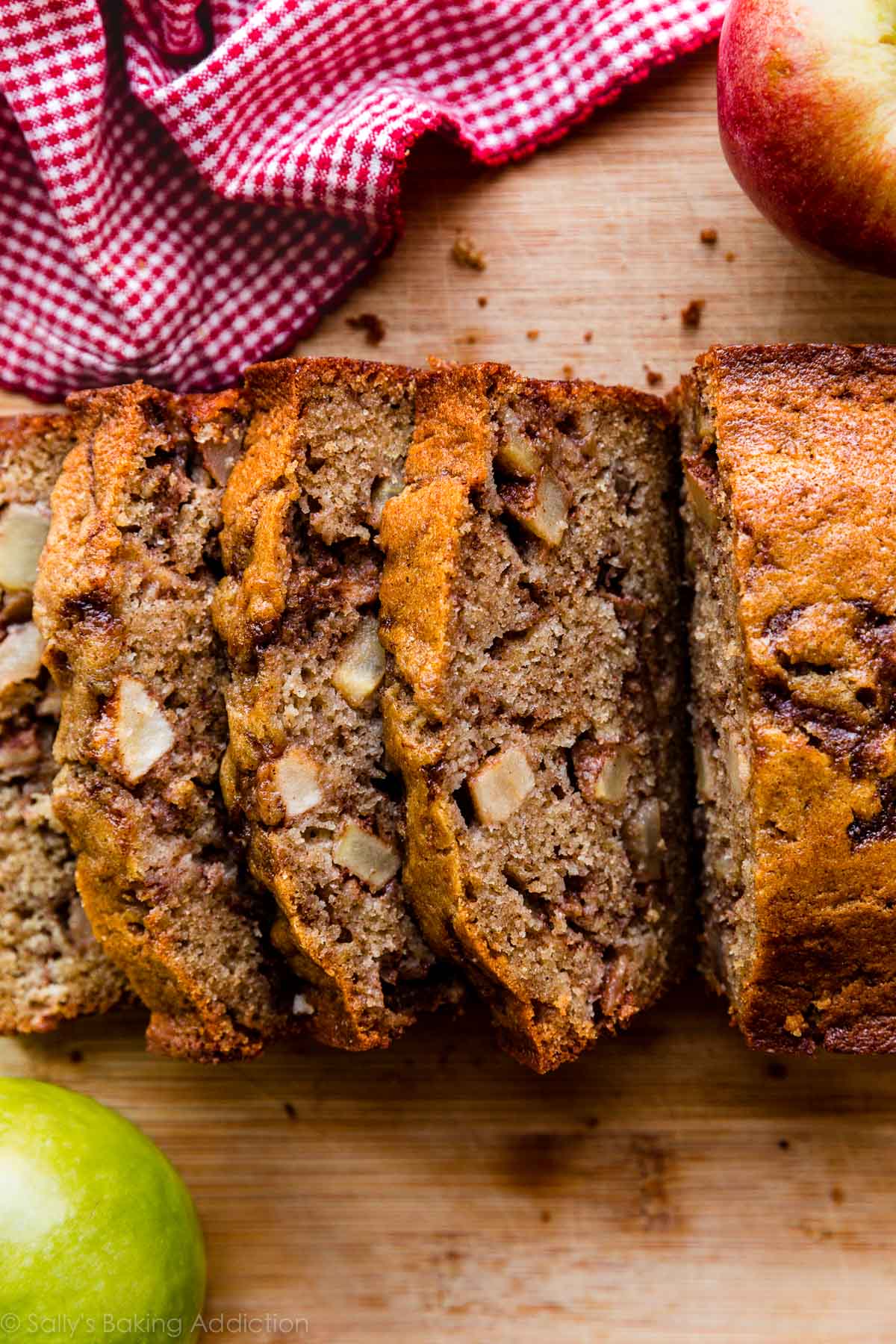
- Chunks: For dishes like apple crisp, bread puddings, or muffins, larger chunks are often favored. These provide a heartier bite and distribute more easily within the batter or topping, offering a distinct textural presence.
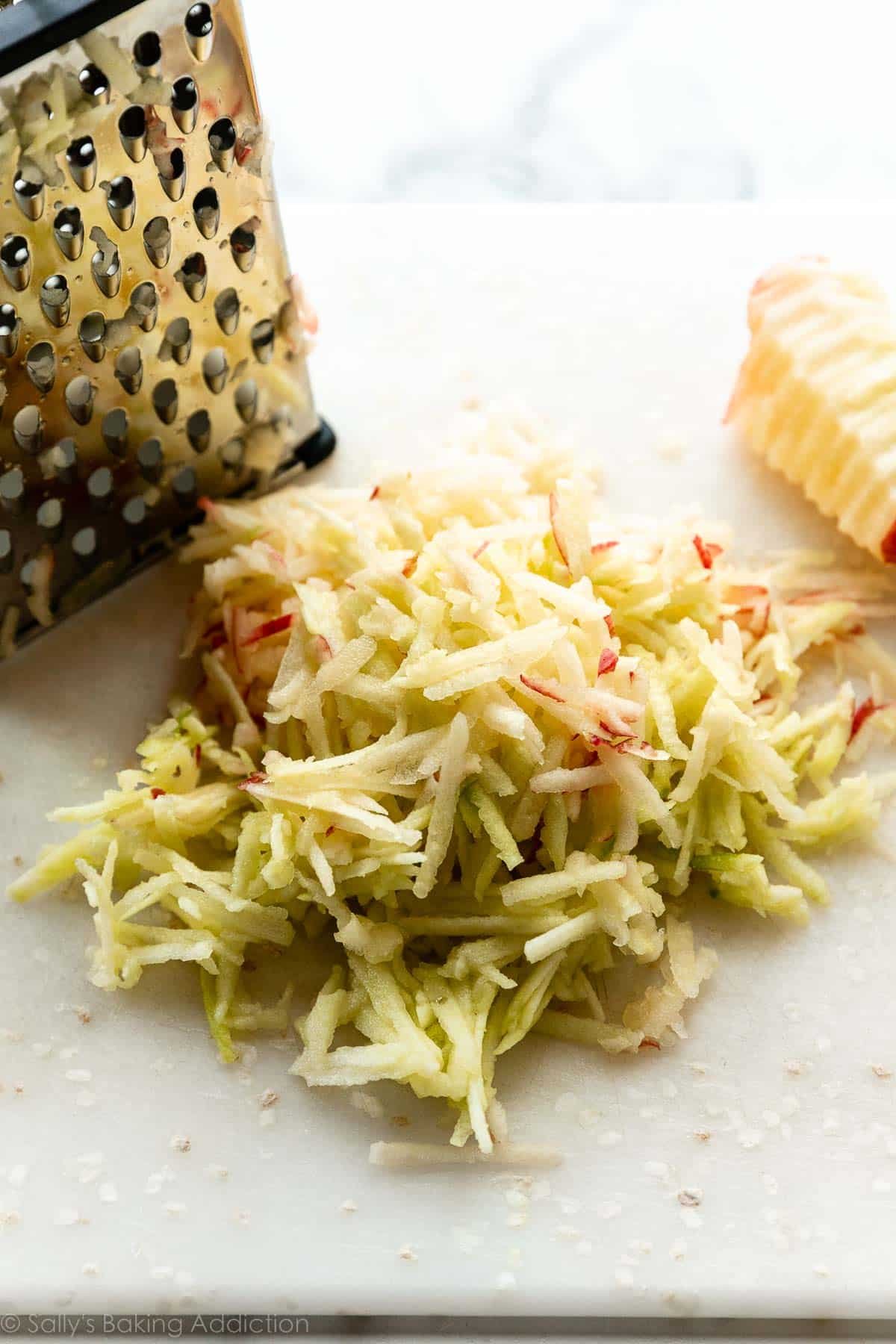
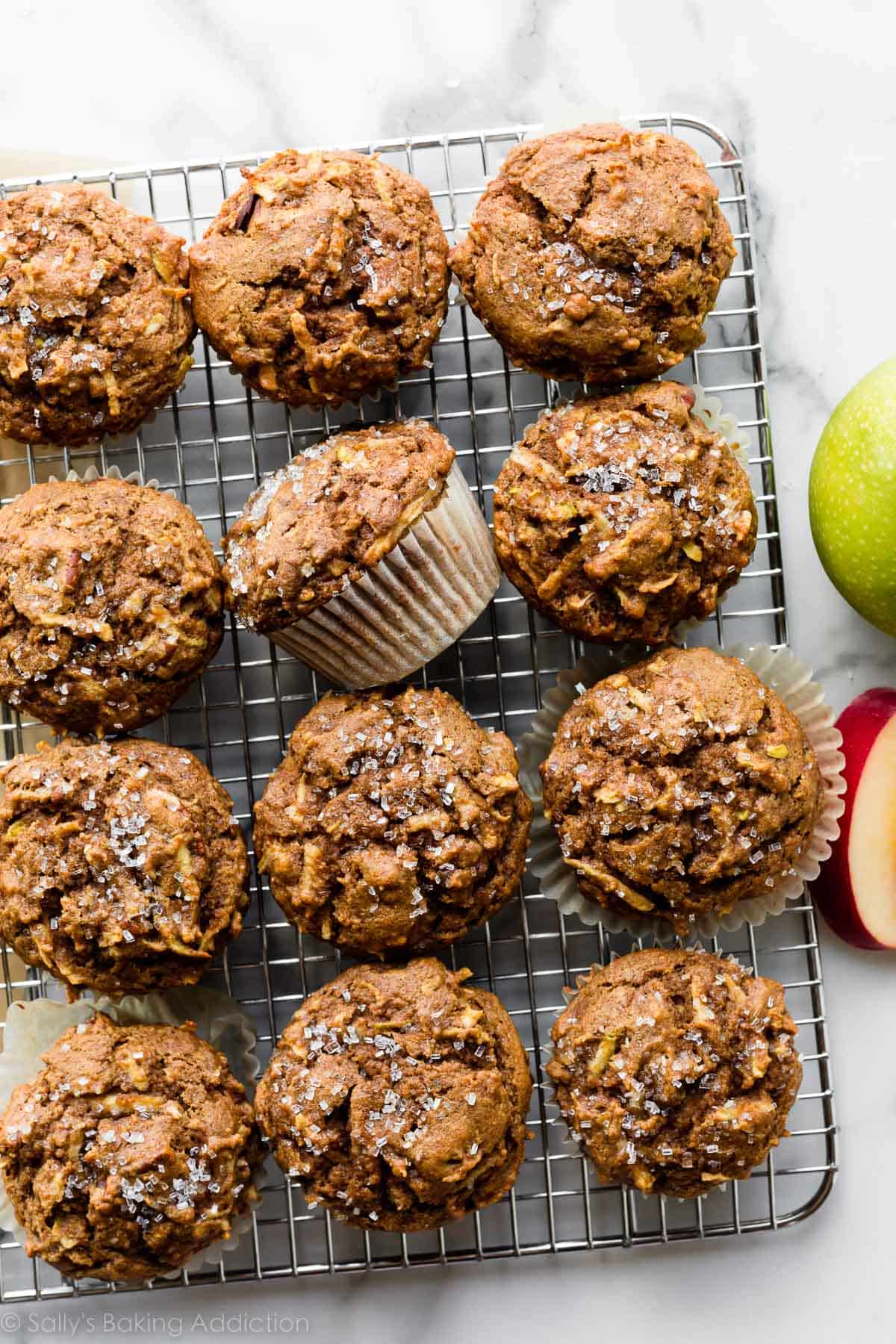
- Shredded: Certain recipes, such as morning glory muffins or quick breads, benefit from shredded apples. This method disperses the apple flavor and moisture throughout the batter, contributing to a consistently moist crumb. A standard box grater is sufficient for this task.
Economic and Agricultural Impact
The sustained demand for high-quality baking apples has a considerable impact on the agricultural sector. Growers strategically cultivate varieties that not only thrive in specific climates but also meet the stringent demands of the baking industry—primarily firmness, consistent flavor, and good storage capabilities. Advances in cold storage technology and global transportation networks have enabled the year-round availability of preferred baking apples, largely overcoming the seasonal limitations that once defined apple consumption. This accessibility supports a robust market for home bakers and commercial patisseries alike, contributing significantly to the multi-billion dollar apple industry. The cultivation of specialized baking apples also influences research into new hybrids that offer improved disease resistance, yield, and consumer-desirable characteristics, ensuring a continuous supply of optimal fruit for culinary applications.
In conclusion, the art of baking with apples transcends merely following a recipe; it requires an informed choice of fruit. By understanding the critical roles of texture, sweetness, and tartness, and by consciously selecting varieties that complement these attributes, bakers can consistently achieve superior results. The judicious combination of crisp, flavorful apples transforms humble ingredients into delectable, memorable creations, underscoring the profound connection between agricultural science and culinary craftsmanship.
