

The quest for a truly satisfying pancake that adheres to the principles of the Paleo diet has long been a culinary challenge for many. Traditional pancake recipes, reliant on gluten-containing flours, are off-limits for those following this ancestral eating pattern. However, a new recipe emerging from the gluten-free culinary scene promises to deliver the fluffy, tender texture and delightful flavor reminiscent of classic pancakes, all while remaining entirely Paleo-compliant. This innovative approach utilizes almond flour as its base, enhanced with tapioca starch for optimal structure and moisture, offering a high-protein breakfast option that is both nutritious and exceptionally delicious.
The Science Behind the Success: Why This Recipe Excels
At its core, this Paleo pancake recipe is designed for success through a carefully balanced combination of ingredients. Almond flour, a staple in grain-free baking, provides a rich, nutty base and a significant protein boost. This protein content is crucial for satiety, ensuring that these pancakes keep individuals feeling full and energized throughout the morning. The inclusion of tapioca starch is equally vital. This versatile starch acts as a binder and contributes to the pancakes’ tender crumb and moist texture. Without it, almond flour-based baked goods can sometimes be dry or crumbly. The synergy between these two flours creates a batter that is both easy to handle and yields consistently excellent results.
A common pitfall in almond flour baking is an overwhelming almond flavor. This recipe, however, is lauded for its ability to mask this characteristic, resulting in pancakes that taste remarkably like their conventional counterparts. This achievement is attributed to the precise ratios and the skillful integration of other ingredients, ensuring that the natural sweetness and subtle richness of the almond flour complement, rather than dominate, the overall flavor profile. Furthermore, the recipe’s inherent high protein content and satisfying texture mean these pancakes are not just a fleeting treat but a substantial meal that supports sustained energy levels.
The Foundation of Flavor: Key Ingredients Unveiled
The creation of these exceptional Paleo pancakes hinges on a select group of high-quality ingredients. The foundation is built upon finely ground almond flour, which ensures a smooth batter and a delicate texture in the final product. Tapioca starch plays a critical role in providing elasticity and tenderness, preventing the pancakes from becoming dry or crumbly. Eggs act as a binder and contribute to the richness and rise of the pancakes. For sweetness, pure honey is incorporated, aligning with Paleo dietary guidelines. Coconut milk provides the necessary liquid element, adding a subtle richness without dairy. Melted coconut oil contributes to the moisture and helps achieve a beautiful golden-brown crust. Finally, a carefully formulated Paleo baking powder, either store-bought or homemade, is essential for achieving that desirable fluffy lift.

A Step-by-Step Journey to Perfect Paleo Pancakes
The process of creating these delectable Paleo pancakes is straightforward, designed for home cooks of all skill levels.
Step 1: The Dry Mix Foundation
The initial step involves meticulously combining the dry ingredients in a large mixing bowl. This includes the almond flour, tapioca starch, Paleo baking powder, and salt. Thorough whisking is paramount at this stage. This not only ensures an even distribution of all components, particularly the leavening agent, but also helps to break up any clumps that may have formed in the almond flour due to its natural oil content. This thorough mixing prevents pockets of bitterness from the baking powder and ensures a uniform texture throughout the batter.
Step 2: Incorporating the Wet Ingredients
Once the dry ingredients are well combined, the wet ingredients are introduced. This typically includes eggs, honey, coconut milk, and melted coconut oil. The ingredients are then whisked together until a smooth, cohesive batter is formed. The consistency should be akin to heavy cream, neither too thick nor too thin.
Step 3: The Crucial Resting Period
A brief resting period of about 10 minutes is a critical, yet often overlooked, step. During this time, the flours begin to absorb the moisture from the wet ingredients, allowing the batter to thicken slightly. This resting phase is crucial for achieving pancakes with the ideal thickness and preventing them from spreading too thinly during cooking. While the batter rests, the cooking surface can be preheated.
Step 4: Perfecting the Cooking Surface
The cooking surface, whether an electric griddle or a non-stick skillet, should be preheated to a moderate temperature, ideally between 325°F and 350°F (160°C to 175°C). It is essential to avoid excessively high heat, as the high fat content in almond flour makes it prone to burning quickly. Even with a reliable non-stick surface, a light greasing with coconut oil or butter can aid in achieving even browning, especially around the edges.

Step 5: Pouring the Perfect Pool
Using a ladle or a 1/4 cup measuring cup, pools of batter are poured onto the preheated cooking surface. The size of each pool dictates the final diameter of the pancake. It’s important to allow adequate space between each pancake to facilitate easy flipping.
Step 6: The Art of the Flip
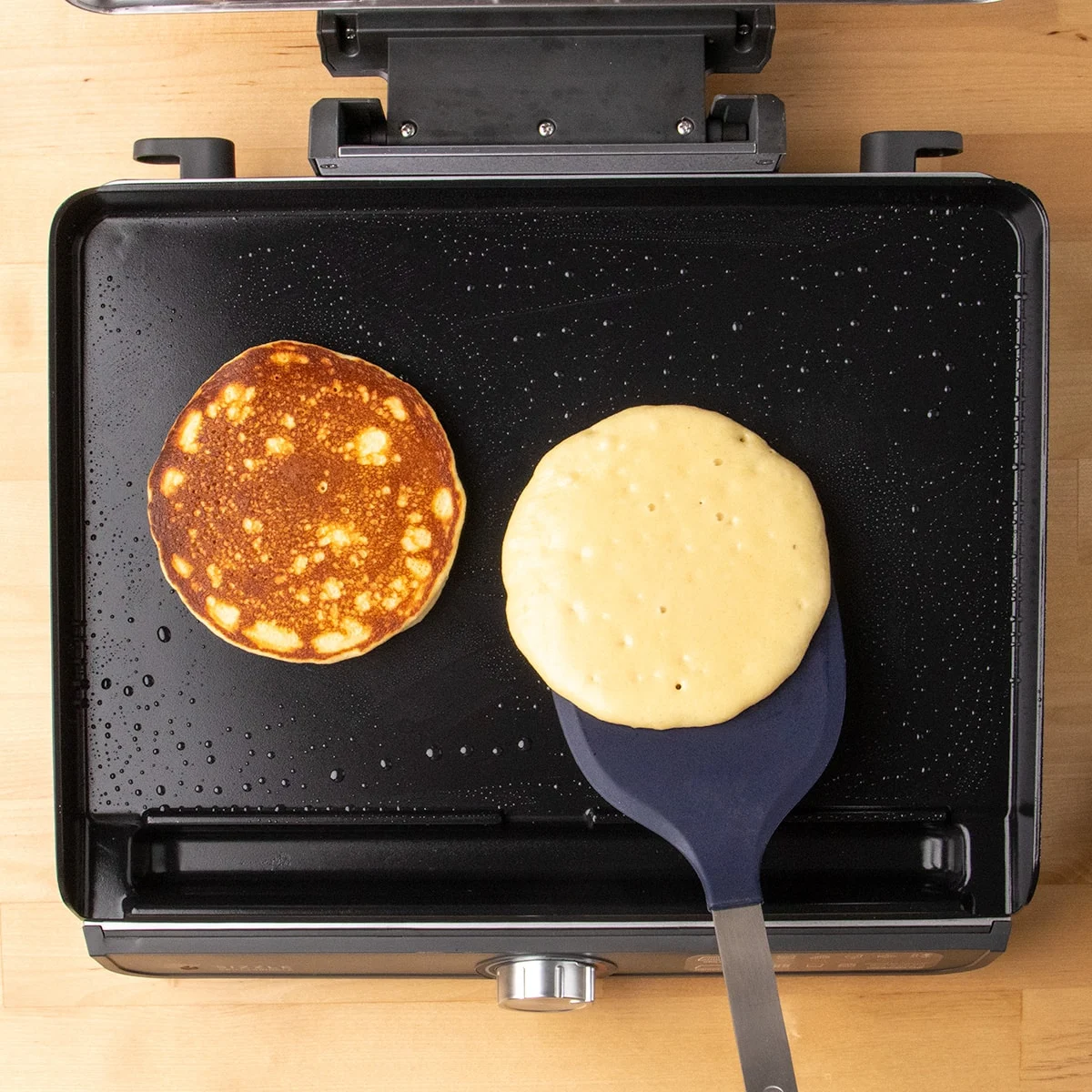
Pancakes are ready to be flipped when large bubbles begin to form on the surface and the edges appear set and matte, rather than shiny. This typically takes about 1.5 minutes. A wide, non-stick spatula is the ideal tool for gently lifting and flipping the pancakes. The second side cooks more quickly, usually requiring only an additional 30 seconds to a minute, until golden brown and cooked through.
Step 7: Maintaining Warmth
As the pancakes are cooked, they can be kept warm by placing them on a covered plate or transferring them to a baking sheet in a preheated oven set to a low temperature, around 200°F (93°C). This ensures that all pancakes are ready to be served together.
Expert Insights for Culinary Excellence
Achieving consistently perfect Paleo pancakes involves a few insider tips:
Mastering the Dry Mix Ahead of Time
For added convenience, the dry ingredients can be pre-mixed and stored. However, due to the high fat content of almond flour, which can lead to rancidity more quickly than other flours, it is advisable to store this dry mix in the freezer or refrigerator. Before using, allow the mixture to come to room temperature to prevent clumping.

The Precision of Weight Measurement
In baking, precision is key, and this holds true for Paleo pancakes. Measuring dry ingredients, particularly almond flour and tapioca starch, by weight using a digital kitchen scale is highly recommended. This method ensures accuracy and consistency in the batter, leading to more predictable results.
The Importance of Finely Ground Almond Flour
The texture of almond flour significantly impacts the final pancake. Opt for finely ground and sifted almond flour. If your almond flour appears coarse, sifting it once or twice before measuring can remove larger granules, ensuring a smoother batter and a more tender pancake.
Navigating Ingredient Substitutions
While the recipe is carefully crafted with specific ingredients, thoughtful substitutions can be made when necessary:
Nut-Free Alternatives
For individuals with nut allergies, coconut flour pancakes offer a delicious nut-free alternative. Alternatively, finely sifted and blanched hazelnut or sunflower seed flour can be explored. It’s worth noting that sunflower seed flour may react with baking soda in baking powder, potentially imparting a slight green hue to the pancakes, though they remain safe for consumption.
Egg-Free Adaptations
To make these pancakes egg-free, each egg can be replaced with a "chia egg" (1 tablespoon chia seeds mixed with 3 tablespoons water, allowed to gel). For both eggs, a mixture of 2 tablespoons tapioca starch, 1/2 teaspoon additional baking powder, and 2 tablespoons of milk can be used.

Coconut Oil Variations
Shortening can be used as a substitute for coconut oil. For those who consume dairy, butter is also a viable option.
Tapioca Starch Replacements
Tapioca starch is unique in its ability to provide flexibility and is Paleo-compliant. If unavailable, arrowroot starch or superfine sweet white rice flour (glutinous rice flour) can be considered, though the latter may compromise strict Paleo adherence.
Storage and Preparation for Future Enjoyment
These Paleo pancakes are excellent for making ahead of time and storing for later. Once completely cooled, they can be wrapped individually or in small stacks and stored in airtight, freezer-safe containers in the freezer. To reheat, unwrap the frozen pancakes and place them in a toaster oven set to around 300°F (150°C) for 1 to 2 minutes, or until warmed through.
Conclusion: A Delicious Step Towards Healthier Eating
This recipe for Paleo pancakes represents a significant advancement in grain-free breakfast options. By focusing on wholesome ingredients and employing precise techniques, it delivers a satisfying and flavorful pancake experience that aligns with the principles of the Paleo diet. The high protein content, coupled with the absence of gluten and refined sugars, makes these pancakes a smart choice for a nourishing and energizing start to the day. Their versatility in preparation and storage further enhances their appeal, making them a convenient and delicious option for busy individuals and families seeking healthier alternatives without compromising on taste or texture.
