

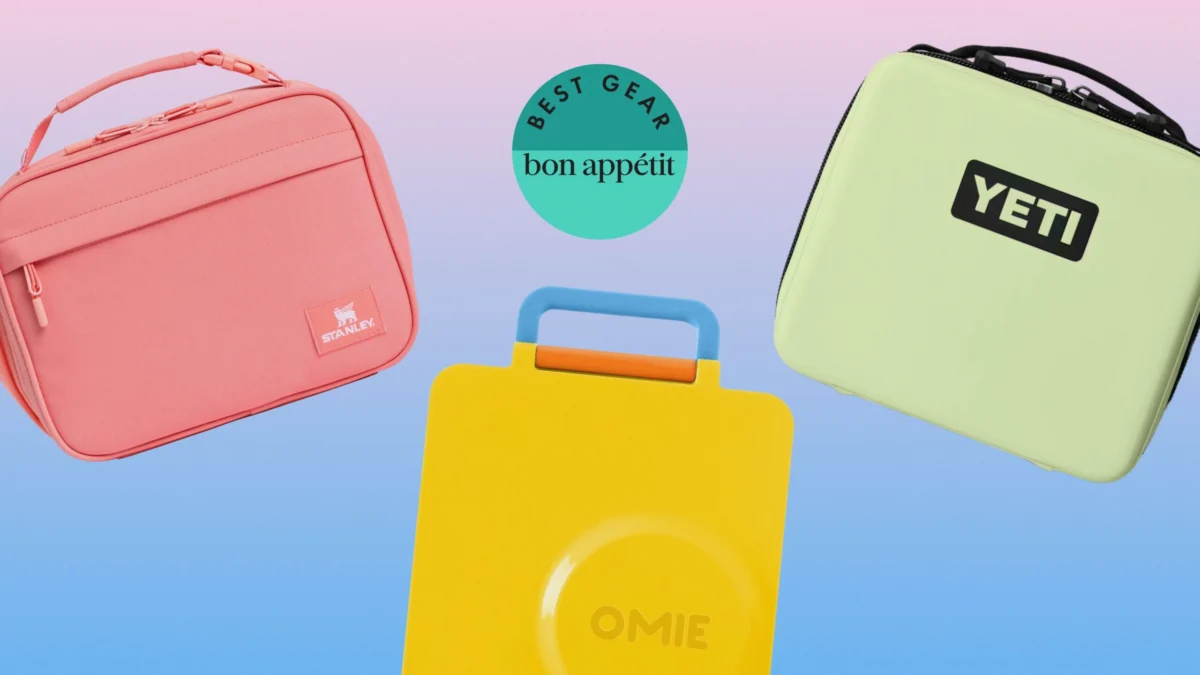
As the school bells ring once more, families across the nation embark on the annual ritual of adapting to new routines, managing homework schedules, and for countless parents, confronting the daily challenge of packing school lunches. Far more than a mere container for sustenance, the humble lunch box has evolved into a critical piece of equipment, vying for importance with the school backpack itself. Given its near-daily deployment, a lunch box must withstand considerable wear and tear, maintain food integrity, and cater to an increasingly diverse set of dietary needs and preferences. This comprehensive overview delves into the latest innovations in lunch transportation, from traditional lunch boxes to sophisticated bento systems and essential accessories, ensuring that mealtime away from home is both practical and enjoyable for students aged 5 to 15.
The Evolving Landscape of School Lunches: Beyond the Brown Bag
The act of packing a school lunch has undergone a significant transformation over the decades. Historically, a simple brown paper bag sufficed, often holding a sandwich, an apple, and perhaps a cookie. The mid-20th century saw the rise of metal and plastic lunch boxes adorned with pop culture icons, offering a degree of insulation but little in the way of sophisticated food separation or temperature control. The late 20th and early 21st centuries, however, ushered in an era of heightened awareness regarding nutrition, food safety, and environmental impact. Parents today are seeking solutions that not only keep food fresh and appealing but also minimize waste and support healthy eating habits. This shift has fueled innovation, giving rise to a market rich with specialized products designed to meet these modern demands.

According to a 2023 survey by the National Parent-Teacher Association (NPTA), over 70% of parents reported packing lunches for their children at least three times a week, citing reasons such as cost savings (45%), dietary control (38%), and accommodating picky eaters (30%). This data underscores the continued relevance of home-packed meals despite the availability of school cafeteria options. Furthermore, environmental concerns are increasingly influencing purchasing decisions, with a rising demand for reusable and sustainable lunch solutions.
Key Considerations for Parents: Durability, Insulation, and Convenience
When selecting a lunch solution, parents typically prioritize several factors. Durability is paramount; a lunch box must endure daily commutes, rough handling, and frequent cleaning cycles. Effective insulation is crucial for food safety, especially for perishable items that need to remain chilled for several hours or warm meals intended to provide comfort on a cold day. Convenience extends to ease of cleaning, child-friendly opening mechanisms, and compatibility with various food items, including snacks, main courses, and drinks. The ability to separate different food components, often facilitated by bento-style designs, is also highly valued, preventing sogginess and maintaining visual appeal.
Top Picks for Lunch Boxes: Rugged Reliability to Coordinated Style

The market offers a diverse range of lunch boxes, each catering to specific needs and aesthetic preferences.
The Most Durable: Yeti Daytrip 3L Lunch Box
For families whose primary concern is unyielding durability, the Yeti Daytrip 3L Lunch Box stands as a formidable contender. Renowned for its robust construction, akin to high-performance travel luggage, this lunch box is engineered to protect its contents from the rigors of a child’s day. Its hard-wearing exterior can be easily wiped clean, making it a practical choice for inevitable spills and dirt. The Daytrip’s exceptional insulation is a hallmark of the Yeti brand, consistently keeping food and beverages well-chilled throughout the school day, a feature independently verified in thermal performance tests where it maintained optimal temperatures for over 8 hours in typical school conditions.
However, its tank-like build does present some considerations. The Daytrip’s bulky profile may not be suitable for the smaller backpacks often carried by younger elementary school students. Its rigid design also limits expansion, requiring careful planning for larger meals or multiple containers. While Yeti offers compatible food containers and insulated jars, which enhance its utility, the initial investment does not include an ice pack, necessitating a separate purchase. Despite these minor drawbacks, the Daytrip’s ability to prevent crushed sandwiches and its long-term reliability make it a worthwhile investment for parents seeking a virtually indestructible lunch solution. Its solid, vibrant color options, while not featuring flashy patterns, appeal to a broad age range, including older children who appreciate its understated, high-performance aesthetic.

- Pros: Exceptional durability, easy-to-clean exterior, superior insulation, internal storage pouch.
- Cons: Bulky, ice pack not included, limited internal expansion, higher price point.
Cute Yet Functional: Pack-It Cool Freezable Friends Lunch Box
Addressing the need for both functionality and child-friendly design, the Pack-It Cool Freezable Friends Lunch Box offers an innovative solution that eliminates the need for separate ice packs. This lunch bag integrates freezable gel walls directly into its lining, requiring only an overnight stay in the freezer to prepare it for the next day. This ingenious design ensures food remains genuinely cold for extended periods, a feature praised by early childhood educators who note that leftovers often return home still chilled.
The Freezable Friends line builds upon Pack-It’s successful classic design with an adorable upgrade, available in playful styles such as Unicorn, Fox, Dog, and Truck, catering to younger children’s imaginative tastes. Thoughtful additions include a removable cross-body strap for independent carriers, a front pouch for extra snacks, and a side mesh pocket for drinks. While the convenience of integrated cooling is a major advantage, some parents express minor hygienic reservations about placing a used bag directly into the freezer. However, these concerns can be mitigated by placing the bag in a larger zip-top bag before freezing. The exterior, while charming, may require more effort to clean thoroughly compared to smoother surfaces.
- Pros: No separate ice pack needed, collapsible for freezing, maintains cold temperatures effectively, includes name tag and optional cross-body strap, additional pockets.
- Cons: Requires freezing the entire bag (potential hygiene concern for some), exterior not easily spot-cleaned, relatively higher cost.
The Teenage Dream: Stanley Assembly Lunch Box

Capitalizing on its recent surge in popularity among teens and tweens, largely driven by social media trends surrounding its iconic water bottles, Stanley extends its brand appeal to the lunch-packing domain with the Stanley Assembly Lunch Box. This offering provides a cohesive "look" for students fully immersed in the Stanley aesthetic. While lacking complex features, the Assembly Lunch Box delivers on its promise of being a reliable, durable, and insulated carrier. Its size strikes a commendable balance, accommodating most standard bento boxes without being overly cumbersome. Its lightweight construction further enhances its portability, making it suitable even for younger users, as noted by parents who observed their five-year-olds easily managing it during summer camps.
A standout feature is the integrated side mesh pouch, perfectly sized to hold a Stanley 1913 water bottle (up to 24 oz.), reinforcing brand synergy. Additionally, a buckle clip allows for seamless attachment to the Stanley Assembly Backpack, offering a fully coordinated carrying solution. Parents should note that, like the Yeti, this lunch box requires a separate ice pack, though a flat one can be conveniently tucked into the lid’s mesh interior pocket. While color options are somewhat limited, the Stanley Assembly Lunch Box embodies a blend of practicality and trendiness, resonating with a demographic that values brand identity and functionality.
- Pros: Lightweight, fully insulated, coordinates with other Stanley products, side mesh pouch for water bottle, front zip pouch.
- Cons: Limited color choices, exterior not always easy to clean, ice pack not included.
For Full-On Coordination: State Bags Rodgers Lunch Box
For parents and children who appreciate a meticulously coordinated ensemble, the State Bags Rodgers Lunch Box pairs flawlessly with the brand’s popular backpacks. State Bags has garnered a reputation for producing incredibly durable backpacks with thoughtful features (such as hidden interior pockets for AirTags), and this attention to detail extends to their lunch boxes. The Rodgers model maintains a lightweight profile while offering an ideal internal volume, comfortably fitting most popular bento containers.

Its fully insulated interior is also designed for easy wipe-cleaning, simplifying post-lunch maintenance. The Rodgers distinguishes itself with several thoughtful design elements, including a detachable Velcro divider for organized packing and a clear pocket ideal for slipping in encouraging notes or cherished photos. A zippered interior mesh pocket provides a secure spot for utensils or other small items. Beyond its utility, State Bags excels in its diverse and appealing designs, ranging from vibrant patterns (e.g., Hot Wheels, Barbie) to more mature aesthetics, ensuring there’s a style to match every child’s personality and coordinate with their backpack. This blend of practical features and aesthetic appeal makes it a strong contender for consistent use throughout elementary school years.
- Pros: Lightweight, fully insulated, easy to wipe clean, thoughtful organizational elements (divider, note pocket), coordinates with State Bags backpacks.
- Cons: Ice pack not included, specific styles may sell out and not be restocked.
Innovative Bento Boxes: Separating and Preserving Every Bite
Bento boxes, inspired by Japanese meal-packing traditions, have become a staple for parents aiming to provide varied, visually appealing, and well-organized lunches. Their compartmentalized design prevents food from mixing, maintaining textures and flavors, and encourages balanced portions.
The Smartest Bento of All: OmieBox Up

The OmieBox series, particularly the OmieBox Up, stands out for its intelligent design and modularity, which genuinely surprised even seasoned reviewers. The brand’s meticulous attention to detail and innovative features captivated both parents and children alike. While the Up model is recommended for ages 9 and older, its intuitive design proves highly functional for younger children, including a five-year-old tester. Its compact size allows it to fit comfortably within most standard lunch boxes, maximizing portability.
The OmieBox Up’s most ingenious feature is its seamless integration of hot and cold food storage. A removable, insulated thermos insert allows for warm dishes like noodles or soup, while its removal transforms the space into a compartment suitable for sandwiches or salads. This versatility addresses a common parental dilemma: how to pack a diverse meal with varying temperature requirements. The Up also comes with a hidden, built-in ice pack and an additional divider for further compartmentalization, enhancing its practicality. All parts are removable and dishwasher-safe, simplifying cleaning. Furthermore, the OmieBoxes are praised for their child-friendly opening and closing mechanisms and their exceptional leak-proof seals, preventing messy accidents.
For younger children (ages 3 to 7), the OmieBox Lite offers a slightly smaller, less bulky alternative with similar features, including a charming "Treasure Pocket" for surprise treats. The original OmieBox, while sharing some features, was noted for its bulkier square shape, which proved less compatible with standard lunch bags and lacked a built-in ice pack.
- Pros: High modularity, allows for simultaneous hot and cold food storage, leak-proof design, built-in ice packs in Up and Lite models, easy to clean (dishwasher-safe removable parts).
- Cons: Heavier than some other containers, original OmieBox model is bulky and may not fit all lunch boxes.
My Kids’ Choice: Bentgo Kids Stow and Go

Bentgo has firmly established itself as a leader in child-friendly bento solutions, earning widespread acclaim from parents, child nutritionists, and food experts for its functional and appealing designs. The Bentgo Kids Stow and Go emerged as a narrow favorite among testers. Its popularity stems from a blend of practical features and thoughtful elements that resonate with children. A key highlight is the secret utensil compartment, cleverly integrated with a 2-in-1 fork and spoon, a feature that particularly delighted a 7-year-old tester, promoting self-sufficiency at mealtime.
Bentgo’s other models also offer compelling features. The Bentgo Kids Chill includes a freezable insert that conveniently spans the entire length of the bento tray, providing uniform cooling across all compartments. For children who enjoy a variety of small portions, the Bentgo Kids Lunch Box, with its five distinct compartments, is ideal for "snack-cuterie" style meals. All removable trays are microwave-safe, adding a layer of convenience for schools with heating facilities. The consistent ease of opening and closing, combined with reliable leak-proof seals, makes Bentgo boxes a trusted choice.
However, the Bentgo Stainless Steel Prints Lunch Box, a newer offering, presented challenges with its latches, which proved difficult for both children and adults to operate, detracting from its otherwise appealing eco-friendly design and higher price point. This highlights the importance of user-friendliness, especially for younger demographics.
- Pros: Easy for children to open and close, removable and dishwasher-safe components, highly leak-proof.
- Cons: Only the Chill model includes a freezable tray, limited modularity across all models, stainless steel version has difficult latches.
An Environmentally Friendly Choice: PlanetBox Rover Stainless Steel Lunch Box

For families committed to a plastic-free lifestyle and seeking a robust, easy-to-clean solution, the PlanetBox Rover Stainless Steel Lunch Box presents an excellent option. Crafted from durable stainless steel, it is designed for longevity and effortless maintenance, being fully dishwasher-safe. Its five compartments of varying sizes provide ample room and separation for diverse meal components, encouraging balanced eating. The Rover also includes two small, lidded "dipper" containers, adding a layer of modularity for sauces or dips.
While the secure latches ensure food safety and prevent spills, they can be somewhat challenging for very young children to operate independently, potentially requiring adult assistance. However, for older children, this poses no issue. PlanetBox has also introduced stainless steel boxes with silicone lids, though these, too, were noted for occasionally being tricky to secure. Beyond its practical benefits, PlanetBox offers a unique customization element through optional magnet sets, allowing children to personalize their lunch boxes and express their individuality. The Rover hits a sweet spot in terms of size, fitting comfortably into most lunch bags, making it a versatile choice across different age groups, from the smaller Shuttle for preschoolers to the larger Launch for older students.
- Pros: Environmentally friendly (plastic-free), easy to clean (dishwasher-safe), multiple compartments, includes two dip containers, customizable with magnet sets.
- Cons: Latches can be difficult for younger children, ice pack not included.
Essential Lunch Accessories: Enhancing the Mealtime Experience
Beyond the primary lunch container, several accessories can significantly enhance the functionality and enjoyment of packed lunches, addressing specific needs like temperature control, hygiene, and sustainability.

Thermos: Hydro Flask Insulated Food Container
For children who prefer warm meals, or for those chilly days when a hot lunch is particularly comforting, an insulated food container is indispensable. The Hydro Flask Insulated Food Container is a top-tier choice, capable of holding 12 oz. of liquid or solid food. Its double-wall vacuum insulation keeps contents hot for several hours, or conversely, maintains cold temperatures for chilled items. The container features a grippy exterior and lid, making it easier for small hands to manage, reducing the risk of spills. The entire unit is dishwasher-safe for convenient cleaning, and it comes in a range of vibrant colors, echoing the brand’s popular water bottles. This accessory offers a practical solution for adding variety and warmth to school lunches.
Utensils: Antetok Disposable Wood Sporks
While many bento and lunch box brands offer their own reusable utensil sets (such as OmiePod’s fork/spoon set with a carrying case, PlanetBox’s stainless steel set with a silicone case, or Bentgo’s various sets), the reality of school life often means utensils get misplaced. For an eco-conscious yet practical alternative, biodegradable disposable options like Antetok Disposable Wood Sporks are invaluable. These wooden sporks provide a sustainable solution to the inevitable loss of reusable cutlery, preventing plastic waste while ensuring children always have an eating implement. They are particularly useful for busy parents who may not always remember to pack a reusable set or for school environments where single-use items are preferred for hygiene reasons.

Sandwich Bags: Stasher Recyclable Paper Sandwich Bags
For those who opt against bento boxes or need supplementary storage for snacks, traditional sandwich bags remain a necessity. Stasher’s Recyclable Paper Sandwich Bags offer an environmentally friendly alternative to conventional plastic baggies. Made from kraft paper with an adhesive strip for secure closure, these bags are suitable for sandwiches, dry snacks, or other small items. A pack typically contains 50 bags in various appealing prints, providing a sustainable and visually pleasing option for reducing single-use plastic waste in school lunches.
Water Bottle: Yeti Rambler Jr.
Hydration is a critical component of a healthy school day. The Yeti Rambler Jr. remains a standout choice among the myriad of children’s water bottles available. Its exceptional durability and superior insulation keep water refreshingly cold for extended periods, even during active play. The Rambler Jr. can also be personalized, adding a special touch that encourages children to keep track of their bottle. Its robust construction ensures it can withstand daily drops and bumps, making it a reliable companion for any school lunch.

Broader Impact and Implications
The choices parents make regarding school lunch equipment extend beyond mere convenience. High-quality, durable, and well-designed lunch solutions contribute significantly to children’s overall well-being and development. By ensuring food stays fresh and appetizing, these products encourage healthier eating habits and reduce food waste. The use of reusable containers aligns with broader environmental goals, teaching children about sustainability and responsible consumption from a young age. Furthermore, features like easy-to-open latches and compartmentalized designs foster independence and fine motor skills in younger children. For older students, stylish and coordinated sets can boost confidence and reflect personal expression.
The market for children’s lunch solutions continues to evolve, driven by consumer demand for products that are robust, hygienic, environmentally sound, and aesthetically pleasing. As schools become more diverse in their food policies and dietary accommodations, the flexibility offered by advanced lunch boxes and bento systems will remain an invaluable tool for parents in their daily quest to provide nourishing and enjoyable meals for their children.
