

The modern culinary world has undergone a profound transformation, driven largely by the exponential growth of meal delivery services. What began as a niche offering for time-strapped professionals has blossomed into a multi-billion dollar industry, fundamentally altering how millions approach weeknight dinners, healthy eating, and even grocery shopping. These services promise to alleviate the burdens of meal planning, ingredient sourcing, and recipe development, offering a spectrum of options from fully prepared, heat-and-eat meals to meticulously portioned kits that encourage hands-on cooking. This comprehensive analysis delves into the leading contenders, examining their unique value propositions, operational nuances, and overall impact on the contemporary kitchen.
The Rise of the Home Meal Solution: A Brief Chronology
The concept of meal delivery is not entirely new, with early iterations existing for specific demographics or dietary needs. However, the current boom can be traced to the early 2010s, when pioneering companies began leveraging e-commerce and logistics to deliver pre-portioned ingredients directly to consumers’ doors. Blue Apron, founded in 2012, quickly became a household name, popularizing the "meal kit" model. Its success spurred a wave of competitors, each vying for market share by offering diverse menus, catering to specific dietary restrictions, or emphasizing convenience. The industry saw rapid expansion through the mid-2010s, fueled by venture capital and changing consumer lifestyles. The COVID-19 pandemic further accelerated adoption, as lockdowns and health concerns shifted more food consumption to the home, cementing meal delivery services as an indispensable part of many households’ routines. Today, the market continues to diversify, with services increasingly integrating prepared meals, grocery add-ons, and personalized nutrition plans, reflecting a dynamic and competitive landscape.
Driving Forces: Why Consumers Embrace Meal Delivery
Several compelling factors underpin the sustained popularity of meal delivery services. Foremost among these is convenience. For many, the mental load of daily meal planning, grocery list creation, and navigating crowded supermarkets is a significant stressor. Meal kits eliminate these steps, streamlining the path from fridge to table. The promise of culinary exploration is another powerful draw; services frequently introduce users to new ingredients, cooking techniques, and global cuisines they might not otherwise attempt. This fosters a sense of adventure in the kitchen without the intimidation of starting from scratch. Dietary specialization has also become a cornerstone, with services meticulously crafting menus for gluten-free, plant-based, keto, paleo, and calorie-conscious eaters, offering tailored solutions that are often difficult to maintain independently. Furthermore, the pre-portioned nature of ingredients helps to reduce food waste, a growing concern for environmentally conscious consumers. While the environmental footprint of packaging remains a point of discussion, the reduction in wasted perishables at home is a notable benefit. Finally, the sheer variety of options available means that virtually every taste and lifestyle can find a suitable match, from gourmet chef-prepared dishes to quick-assembly family favorites.
Deep Dive: Top Meal Delivery Services of 2024
Our rigorous testing methodology at Bon Appétit involves continuous evaluation of meal kits and prepared meal services. Our editors integrate these offerings into their daily routines, scrutinizing everything from the ordering process and unboxing experience to the clarity of recipes, quality of ingredients, and, ultimately, the taste and satisfaction of the final meal. We aim to assess each service not just against its competitors, but also against its own stated goals and the specific needs it seeks to address for home cooks.
Marley Spoon: The Culinary Enthusiast’s Choice
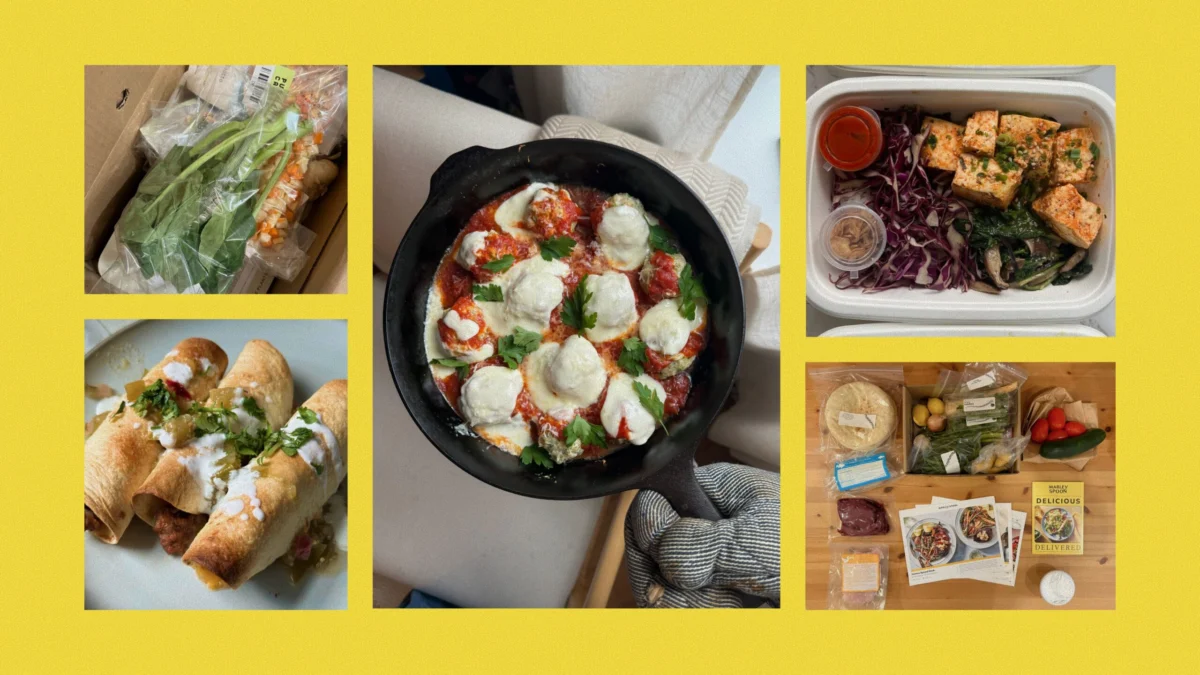
Marley Spoon distinguishes itself by offering an experience that closely mimics traditional home cooking, albeit with all the ingredients pre-portioned and delivered. Commerce writer Alaina Chou, initially a skeptic, was won over by the service’s commitment to "actual cooking." Unlike many kits that provide pre-chopped vegetables, Marley Spoon delivers whole produce, encouraging users to engage with fundamental knife skills. Recipes are thoughtfully designed, integrating real cooking techniques such as searing steaks or roasting chicken thighs, and often feature clever ingredient utilization, like using cilantro stems in one part of a dish and leaves for garnish elsewhere. This approach appeals to individuals who genuinely enjoy the process of cooking but lack the time for extensive meal planning and grocery runs. With nearly 100 rotating recipes and options for gluten-free, low-calorie, picky eater approved, quick & easy, and vegetarian diets, Marley Spoon offers significant flexibility. While some heat-and-eat options are available, the service truly excels for those seeking an authentic, engaging cooking experience made effortless. The typical prep and cooking time ranges from 30 to 40 minutes, with meals averaging $9 to $13 per serving, plus an $11.99 shipping fee. Ingredients arrive well-packaged in insulated boxes with minimal plastic compared to some competitors.
Home Chef: Unmatched Customization for Diverse Households
Home Chef stands out for its exceptional versatility and customization options, making it an ideal choice for households with varied palates and dynamic schedules. Former associate commerce director Emily Johnson highlights the ability to easily select proteins, adjust portion amounts, and choose the number of deliveries weekly. This flexibility is crucial for families where members might not always dine together. Beyond traditional meal kits, Home Chef offers oven-ready meals in their own tins and grill-ready meals in foil bags for busy nights. For those seeking even quicker solutions, there are prepped 15-minute kits and "Fast & Fresh" fully prepared meals. The "Culinary Collection" provides more advanced recipes for those looking to expand their skills. Johnson notes the service introduced her to new techniques and "dated-but-delightful meals from mom worth resurrecting," like chicken breasts in premade pastry. With options for breakfast, snacks, and desserts as add-ons, Home Chef provides a comprehensive solution. The ordering process is guided by a quiz to align meals with dietary preferences and needs. While individual plastic bags for ingredients are convenient, some testers found the packaging to be somewhat wasteful. Average meal prices range from $6.99 to $9.99, with a $10.99 shipping fee, and typical prep times vary from 15 to 30 minutes.
HelloFresh: Family-Friendly Feasts and Broad Appeal
As a titan in the meal kit industry, HelloFresh excels in providing a vast, crowd-pleasing menu, making it an excellent choice for families. With over 100 recipes weekly, including dedicated "Family-Friendly" options designed for kids and "Big Batch" meals serving up to eight, HelloFresh ensures there’s something for everyone. Bon Appétit testers consistently praised the generous portion sizes, fresh ingredients, and extensive add-on options like proteins, smoothies, snacks, and desserts. Contributor Betty Gold Kider noted the impressive breadth of cuisines, from coconut shrimp and cabbage curry to bavette steak with creamy truffle polenta. Recipes are developed by professionals, ensuring balanced flavors and reliable execution, even for basic preparations like sweet and spicy shrimp lo mein. The ordering process is straightforward via website or app, allowing personalization based on family size, meal frequency, and dietary plans (Meat & Veggies, Veggies, Family-Friendly, Fit & Wholesome, Under 20 Minutes, Pescatarian). Deliveries are well-insulated, with ingredients conveniently separated into labeled paper bags. While some recipes can be carb- and sugar-heavy, and ingredient quality can be inconsistent, HelloFresh remains a strong contender for its convenience and ability to satisfy diverse family tastes. Meals average $9.99 per serving, with a $10.99 shipping fee.
CookUnity: Gourmet Prepared Meals for the Time-Strapped Connoisseur
CookUnity elevates the concept of prepared meal delivery by offering chef-crafted, ready-to-heat dishes that aim for restaurant quality. This service is designed for individuals with high culinary standards but limited time or energy for cooking. Senior commerce editor Olivia Tarantino, initially skeptical of prepared meals, was genuinely impressed, noting that CookUnity meals, when plated, "could pass as something I’d order at a restaurant." The freshness is a key differentiator; meals arrive fresh, not frozen, maintaining quality for four to seven days thanks to modified atmosphere packaging. With over 350 rotating options weekly, featuring culinary talent like chefs José Garces and Esther Choi, the menu spans global cuisines from Ghanaian to Italian. Meals require minimal reheating (often just two minutes in a microwave) and boast generous protein portions. Tarantino lauded the perfectly cooked shrimp in a coconut curry and even found fried dishes like crab cakes held up well. The ordering process is extensive due to the sheer volume of choices, but user ratings and comments aid selection. Premium options, such as Maryland-Style Crab Cakes, are available at a slightly higher cost. CookUnity arrives in reusable cooler bags with ice packs, ensuring freshness. Meals average $11 to $15 per serving, plus a $10 shipping fee, offering a high-quality solution for convenient, gourmet dining.
Dinnerly: Value-Oriented Cooking for the Budget-Conscious
As a sister company to Marley Spoon, Dinnerly positions itself as a budget-friendly meal kit, with meals averaging around $8 per serving, making it one of the most affordable options. It targets intermediate home cooks who don’t mind some chopping and prep work. Each kit includes core ingredients and a recipe card, though pantry staples like cooking oil and garlic are not included, requiring users to have a stocked kitchen. Tester Elise Portale found instructions generally easy to follow, but noted some recipes were more labor-intensive than they appeared, sometimes requiring multiple pans. While recipe quality could be "hit or miss," Portale highlighted winners like a spinach salad with lentils and roasted carrots. The service truly shines with its extensive marketplace, offering prepared meals, cook-and-eat options, and "meal shortcuts" that bridge the gap between meal kits and grocery delivery. Highlights included an oven-ready Mediterranean Falafel Wrap and convenient breakfast sandwiches. However, delivery reliability was inconsistent during testing, with delayed boxes and unclear cutoff communication. Packaging is minimal and recyclable, which is a positive. Despite some inconsistencies, Dinnerly offers a viable, affordable weeknight solution, particularly for those willing to be selective with their recipe choices and possessing basic cooking intuition.
Hungryroot: The Hybrid Grocery-Meal Kit Solution
Hungryroot occupies a unique space between a traditional meal kit and a grocery delivery service, offering unparalleled flexibility. Senior commerce editor Olivia Tarantino found its semi-homemade nature to be its greatest strength. Users receive a weekly box of groceries, along with recipe cards suggesting quick, easy meals that can be assembled in about 10 minutes. This allows for both structured cooking and spontaneous ingredient repurposing. The platform offers recipe kits, prepared meals, and à la carte grocery items (snacks, yogurt, juices), all managed through a credit system based on a personalized quiz about dietary preferences and nutritional needs. This allows users to remove ingredients they already have or swap items freely. Tarantino appreciated not being "locked into a specific meal plan" and the freedom to use ingredients as she wished. The "looseness" of the timing also means less pressure regarding ingredient expiration, as most items are grocery staples. The unboxing experience is well-organized, with items layered by temperature. While the initial survey and credit system can feel convoluted, it quickly becomes intuitive. Hungryroot provides a practical solution for those who dislike grocery shopping but desire flexibility and quick, healthy meals. Average meal prices range from $9 to $11, with shipping fees varying based on order size.
Sunbasket: Prioritizing Organic and Healthy Lifestyles
Sunbasket distinguishes itself with a strong emphasis on high-quality, certified organic produce and sustainably sourced proteins, catering to health-conscious consumers. Commerce writer Alaina Chou found the weekly menu more exciting than many competitors, spanning diverse cuisines like Afghan-Style Butternut Squash Stew and Mexican Street Tacos. The service offers both meal kits and heat-and-eat options, with meal kits being easy and fast to prepare. Dietary preferences include Carb-Conscious, Gluten-Free, Vegetarian, Pescatarian, Mediterranean, Diabetes-Friendly, Paleo, and Keto-Friendly. While Chou praised the consistent taste and nourishing quality of the meals, she noted some inconsistencies. Organic produce was occasionally substituted with non-organic without a price adjustment, and a missing recipe card occurred. Heat-and-eat meals were sometimes lacking in flavor, and premium "Chef’s Table" dishes were deemed expensive for self-cooked meals. Despite these caveats, Sunbasket’s commitment to organic ingredients and adventurous, healthy menus makes it a strong choice for those prioritizing these aspects, provided expectations are calibrated for the price point. Meals average $13–$15 per serving, with a $45 minimum order. Deliveries are neatly packed, with ingredients organized by meal.
Green Chef: Organic Excellence with Dietary Precision
Green Chef, a subsidiary of HelloFresh, focuses on delivering (mostly) organic, seasonal produce and sustainably sourced proteins, coupled with recipes tailored for specific diets like keto, Mediterranean, and high-protein. Senior service editor Kelsey Jane Youngman found the meals generally easy to cook, with clear, full-color recipe cards guiding each step. To streamline prep, sauces, stocks, and herb blends arrive premixed, and some vegetables are precut. This makes it accessible for beginner cooks, though meals often require multiple pans and simultaneous cooking techniques. Youngman praised the "Italian Turkey Stuffed Squash Boats" for its flavor and balance, though noted some dishes could be repetitive or have odd ingredient pairings. The service is transparent about pantry staples not included (salt, pepper, oil). Add-ons range from meat packs to smoothies and frozen desserts. Green Chef offsets 100% of delivery emissions and partners with Plastic Bank, addressing some sustainability concerns, although individual plastic packaging for small items was noted. With an average meal price of $11.99 and a $10.99 shipping fee, Green Chef is a solid option for those prioritizing organic, diet-specific meals without spending excessive time on grocery shopping.
Purple Carrot: Pioneering Plant-Based Culinary Experiences
Purple Carrot stands out as one of the few entirely vegan meal kit services, making a compelling case for plant-based cooking. Commerce writer Alaina Chou, a self-described lifelong meat and dairy eater, was genuinely impressed by the service’s ability to "squash that stereotype" about vegan food. The weekly menu offers around 20 meal kit options, spanning diverse cuisines, alongside ready-to-eat meals and a grocery section. Chou appreciated the variety and complex flavors, citing standouts like Winter Squash Soup with shichimi togarashi and mushroom-based BBQ Burnt Ends that "could’ve fooled me into thinking it was meat." While meal prep times (30-40 minutes) were as listed, the dishes were well-composed and balanced. A key caveat was the frequent sell-out of popular options and occasional substitutions due to ingredient quality issues. Some recipes could also be more streamlined in terms of dirtying dishes or instruction clarity. The ordering process allows selection between meal kits, ready-to-eat, and mix & match options, with filters for gluten-free, high-protein, low-calorie, and less-prep preferences. Orders arrive in insulated cardboard boxes with ingredients grouped by recipe, and produce consistently arrived fresh. At approximately $13 per serving, with free shipping on orders over $100, Purple Carrot is an excellent choice for anyone exploring plant-based diets or seeking to diversify their weeknight meals with creative, flavorful vegan options.

Beyond the Top Tier: Exploring the Broader Spectrum of Meal Services
The meal delivery market extends far beyond these top performers, offering a rich tapestry of specialized and general services, each with its own strengths and target audience.
Blue Apron: A Veteran’s Evolution in Meal Kits
Blue Apron, a pioneer in the meal kit space, has undergone a significant rebrand to adapt to evolving consumer demands. Moving beyond its original kit-style meals, it now offers "Dish" (heat-and-eat) and "Assemble and Bake" options, providing greater convenience. Contributor Lizzy Briskin found all three categories to be quite good, praising the quality grass-fed beef in Chili Crisp Beef Bao Buns and the freshness of produce in Sheet Pan Shrimp Panzanella. The new à la carte ordering model eliminates lengthy sign-up processes, offering more flexibility, though Briskin noted a desire for more comprehensive filtering options for dietary preferences beyond cooking time and protein type. While packaging can be substantial, Blue Apron’s quality ingredients and reliable recipes make it a solid choice for those seeking a mix of cooking engagement and convenience.
Factor: Performance Nutrition, Ready-to-Heat
Factor focuses on fully prepared, never-frozen meals designed around specific wellness goals, such as Keto, High Protein, and Calorie Smart. These dietitian-approved meals typically feature a protein with one or two sides. Alaina Chou, a microwave meal skeptic, was pleasantly surprised by the juicy chicken and pasta that retained bite after heating. Dishes were consistently well-seasoned and satisfying, though a tough pork chop was a notable miss. While convenient for tight schedules, Chou suggests it’s best for shorter periods rather than an indefinite subscription due to potential repetition in vegetable sides and higher sodium content. Factor’s ordering process is straightforward, with clear dietary tags and easy meal swapping. Packaging is insulated and recyclable, though individual cardboard sleeves could be reduced. Factor provides a strong option for convenient, nutritious meals without any prep work, cheaper than takeout but more costly than grocery shopping.
Tovala: The Smart Kitchen Integration
Tovala offers a unique meal delivery experience centered around its proprietary smart oven. Meals consist of raw proteins and uncooked produce on trays that, once scanned, are perfectly cooked by the Tovala oven using a combination of steam baking, convection roasting, and broiling. Senior commerce editor Noah Kaufman, generally critical of prepared meals, was impressed by the delicious results in just 20 minutes, yielding juicy chicken and flaky salmon. The convenience is unparalleled, with only 1-2 minutes of prep required. While the oven is a prerequisite, it comes at a significant discount with a meal subscription. The Tovala app allows easy meal swapping from over 30 options, labeled with dietary specifications. Meals arrive securely packed in insulated boxes, with components organized in small cardboard boxes. Tovala is ideal for those seeking maximum convenience and consistent, high-quality results, provided they invest in the smart oven.
Sakara: Premium Plant-Based Wellness Programs
Sakara caters to a high-end wellness market with its plant-based, gluten-free prepared meals, emphasizing nutrient-rich foods and holistic nutrition. Founded on "9 Pillars of Nutrition," Sakara offers breakfasts, lunches, and dinners that require minimal preparation. Emma Laperruque, director of cooking, found meals "straightforward and quick to prepare," often requiring no heating or just a quick microwave zap. She raved about the generously portioned, thoughtfully designed salads with vibrant textures and colors, and delicious dressings. Breakfasts lean sweet but are well-balanced. Dinners were enjoyable but sometimes had smaller portions. The main drawback is the premium price point, starting at $140 per week per person. Sakara is best suited for individuals prioritizing wellness, specific dietary needs (gluten-free, vegan), and who value a curated, hands-off approach to healthy eating.
Thistle: Regionally Focused, Health-Centric Prepared Meals
Thistle offers nutritionist-designed, prepared meals that are entirely gluten- and dairy-free, high in fiber and protein, and allow for meat or vegan choices. Available in select regions (West Coast and Northeast), Thistle focuses on healthy eating with utmost convenience. Senior commerce director Abbey Stone noted that meals, primarily bowl-style dishes, tasted healthy and had a similar flavor profile due to overlapping ingredients, which could lead to palate fatigue over a week. While great for lunch, especially at $11.50 per serving compared to fast-casual options, many require stovetop heating, which can be inconvenient in an office setting. Thistle emphasizes sustainability, with reusable insulated bags and cold packs collected on subsequent deliveries. It’s a strong option for those with specific nutritional goals and sensitivities, within its limited delivery zones.
Gobble: Speed and Generosity for Busy Weeknights
Gobble distinguishes itself by promising 15-minute home-cooked meals, a claim it largely delivers on by pre-doing much of the prep work, such as pre-made sauces and broken-down vegetables. Emily Johnson found Gobble to be a go-to for hearty, generous portions, noting that "you really get your money’s worth here." Favorites included a flavorful chicken burger with sriracha aioli and yuca fries. Beyond its weekly menu of about 15 dinners, Gobble shines with its add-ons, offering à la carte salads, soups, flatbreads, breakfasts, and desserts, making it easy to build a full week’s worth of quick meals. While variety in the main dishes might be limited, and it doesn’t primarily focus on specific diets, Gobble is excellent for satisfying, crowd-pleasing meals with minimal fuss and quick cook times. Meals are individually packed over ice, ensuring freshness.
Forkful: Health-Focused Prepared Meals, Varied Quality
Forkful is a prepared meal delivery service emphasizing healthy eating with organic ingredients, catering to eight diets including gluten-free, plant-based, keto, and high-protein. Meals are chef-cooked without seed oils and delivered fresh. Abbey Stone, testing plant-based options, found them convenient for office lunches, providing vegan options that were filling without needing takeout. However, meal quality varied, with some dishes being flavorful and well-seasoned, while others were bland or had unappealing textures, especially microwaved chicken. The menu, while extensive, often features similar comfort food classics. Meals are packaged in plastic trays within cardboard boxes with cool packs. While offering full nutritional information and the option to upgrade to XL meals, Forkful’s inconsistent quality and limited delivery flexibility make it a mixed bag.
Cumin Club: Dehydrated Indian Meal Starters
Cumin Club offers a unique proposition: shelf-stable, plant-based Indian dishes like curries, lentils, and rice, which are dehydrated and require only water and heat to prepare in under 10 minutes. Senior SEO editor Joe Sevier found these packs excellent as "meal starters" rather than complete meals, praising the cumin rice for its texture and buttery flavor. He used them creatively, browning meat and adding vegetables to bulk up the curries. While incredibly easy to make, he noted that the curries on their own lacked "heft" and required additional ingredients to be truly satisfying. Cumin Club allows customization of plan sizes and delivery frequencies, with options to add sides like roti. It’s a niche but effective service for those seeking quick, authentic Indian flavor bases to build meals around.
Tempo Meals by Home Chef: Convenient, Dietitian-Approved Heat-and-Eat
Launched in 2023, Tempo is Home Chef’s new brand specializing in single-serve, heat-and-eat meals focused on balance and nutrition. Alaina Chou was impressed by the fresh taste and balanced portions, especially for microwaveable food. Favorite dishes included a Chipotle Chicken Tinga Rice Bowl with tender chicken and non-mushy vegetables, and cavatappi with Italian sausage where the pasta held up well. Meals are dietitian-approved and arrive well-seasoned. The ordering process is standard, allowing selection from 20 meals and limited add-ons like breakfast, snacks, and drinks. While add-on options are few, Tempo provides a convenient and nourishing solution for quick, balanced meals without any cooking or prep.
Methodology: The Rigor Behind Our Recommendations
At Bon Appétit, our commitment to providing reliable meal delivery service recommendations is unwavering. Our editors are engaged in a perpetual testing cycle, integrating these services into their personal cooking routines over extended periods. This ongoing process allows us to not only assess initial quality but also monitor consistency, adapt to menu changes, and identify any shifts in overall user experience. Our evaluation encompasses several critical stages:
- Ordering Process: We meticulously evaluate the ease of signing up, the intuitiveness of filtering options for dietary needs, and the flexibility offered in terms of serving sizes, delivery frequency, and cuisine selection.
- Receiving and Unboxing: Every delivery is scrutinized for timeliness, packaging integrity, and the condition of ingredients. We note any damage or loss of freshness and assess the amount and recyclability of packaging waste. Ingredient quality is benchmarked against grocery store standards and competing kits.
- Cooking and Eating Experience: Recipes are followed precisely, with editors noting clarity of instructions, accuracy of cook times, and any unexpected challenges. Many of our recipe developers test these kits in real-world, busy weeknight scenarios. The final plating, flavor profile, meal satisfaction, and portion adequacy are thoroughly judged.
- Long-Term Assessment: Our reviews are not static. We regularly re-evaluate services, often assigning them to different editors to gain fresh perspectives. This accounts for market dynamics, ingredient sourcing changes, and evolving service models, ensuring our recommendations remain current and accurate. We judge kits based on how well they fulfill their specific promises to home cooks, recognizing that a ready-made meal, while less fresh than a kit, offers unparalleled ease when that is the primary need.
The Future of Meal Delivery: Trends and Challenges
The meal delivery industry is dynamic, constantly adapting to consumer preferences and technological advancements. Key trends suggest a future characterized by hyper-personalization, with AI-driven algorithms offering highly customized meal plans based on individual health data, taste profiles, and even genetic information. Sustainability will continue to be a critical challenge and differentiator, with services investing in recyclable, compostable, and reusable packaging, alongside efforts to source ingredients more ethically and reduce carbon footprints. The integration of smart kitchen technology, as seen with Tovala, may become more prevalent, streamlining the cooking process further. There’s also a growing convergence of meal kits and grocery delivery, blurring the lines as services offer comprehensive food solutions beyond just prepared meals. However, challenges remain, including maintaining ingredient quality at scale, managing complex logistics, and navigating a competitive market where customer acquisition costs are high. The ultimate winners will likely be those who can consistently deliver on convenience, quality, and value while addressing evolving consumer concerns about health and environmental impact.
In conclusion, meal delivery services offer a compelling solution for the modern consumer grappling with busy schedules and diverse dietary needs. From gourmet chef-prepared dishes to budget-friendly meal kits and plant-based culinary adventures, the market provides an extensive array of options. By understanding the unique strengths of each service and aligning them with personal priorities, individuals can unlock a more convenient, enjoyable, and often healthier approach to home dining.
