

Suiran, a distinguished 39-room boutique hotel nestled along the serene Hozu River in Kyoto, has launched an innovative, multi-day culinary expedition centered on the ancient art of Japanese fermentation. This program, part of the Luxury Collection’s curated itineraries, offers guests an unparalleled opportunity to delve into the historical and cultural "special sauce" that defines Japan’s gastronomic landscape, moving beyond mere consumption to active participation in food creation. The initiative underscores a growing trend in luxury hospitality towards immersive, educational travel that connects guests deeply with local traditions and sustainable practices, positioning Suiran as a vanguard in experiential tourism within Japan’s revered cultural capital.
Kyoto: A Nexus of Culinary Excellence and Tranquil Heritage
Kyoto, long celebrated as Japan’s spiritual and cultural heart, is equally renowned for its profound culinary traditions. From the delicate artistry of kaiseki to the comforting simplicity of street food, the city offers a continuous tapestry of gastronomic wonders. Visitors often encounter unique flavors at every turn—the sweet, nuanced notes of amazake, a fermented rice drink, or the surprising depth of black garlic sauce accentuating a feather-light pickled daikon. This rich culinary environment provides the perfect backdrop for Suiran’s commitment to showcasing the region’s edible heritage.
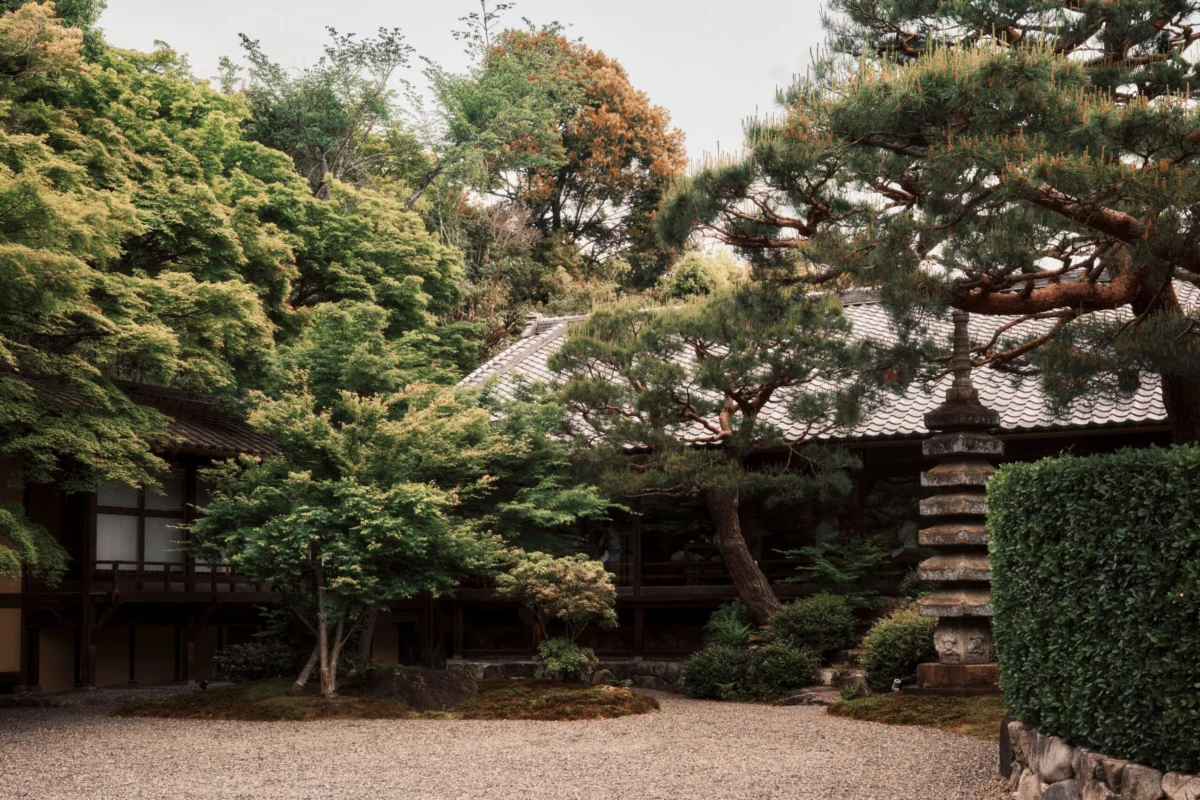
The hotel itself is strategically positioned on the verdant edge of the mountainous Arashiyama forest, an area celebrated for its profound quietude and breathtaking natural beauty. This tranquil setting, where the property is the final edifice before the urban landscape yields to parks, forests, and mountains, creates an idyllic sanctuary. Suiran serves as a peaceful base for exploring Kyoto’s dynamic food and restaurant scene, while its affiliation with the Luxury Collection enables a series of meticulously curated expeditions designed to immerse guests in a region’s history, culture, and, notably, its culinary intricacies.
A Glimpse into Suiran’s Historic Charm and Modern Comforts
Dating back over a century, the buildings comprising Suiran possess a timeless quality, meticulously restored to blend historical authenticity with contemporary luxury. The first impression for guests is often the hotel’s Meiji-era gate, crafted from wood that evokes both a sense of deep history and careful preservation. Winding paths guide visitors through a meticulously maintained pebbled courtyard and a stunning Japanese garden, leading first past the hotel’s charming cafe before culminating at the main building’s elegant lobby. This deliberate architectural journey prepares guests for the contemplative experience that awaits.
The interior spaces echo this blend of tradition and comfort. Guest rooms are characterized by low-slung, minimalist furniture and soft, diffused lighting, fostering an atmosphere of cozy intimacy. The late afternoon sunlight, filtering through the bamboo groves that frame private outdoor spaces, enhances the serene ambiance. A distinctive luxury at Suiran is the inclusion of private onsen (traditional Japanese mineral baths) in 17 of its 39 rooms. These baths are fed directly by the nearby Arashiyama hot springs, offering a deeply relaxing and authentically Japanese wellness experience. The entire property is enveloped in an almost otherworldly quiet, a profound stillness that allows guests to fully disconnect and immerse themselves in the natural beauty and historical gravitas of their surroundings.
Culinary Destinations Within Suiran: Cafe Hassui and Kyo Suiran

Suiran offers distinct dining experiences that reflect its dedication to both local flavors and refined culinary artistry. Cafe Hassui, housed in the oldest building on the complex and conveniently located near the front entrance, is a popular destination for afternoon tea. Guests can choose to savor their tea outdoors, enjoying expansive views of the calm Hozu River and the verdant mountains, or inside, where large, floor-to-ceiling windows flood the space with natural light. The tea service itself is a multi-course affair, featuring both savory selections and exquisite sweets crafted by Kyoto-based confectioner Kameya Yoshinaga, a testament to the hotel’s commitment to collaborating with local artisans.
The hotel’s main restaurant, Kyo Suiran, represents a sophisticated fusion of elegant French culinary techniques and the freshest Japanese ingredients. The menu often features dishes such as grilled cod served in a delicate cream sauce or a rich, succulent slice of Wagyu beef accompanied by soy-braised mushrooms. This harmonious blend of East and West reflects Kyoto’s long history of cultural exchange and culinary innovation.
Hidden beyond a discreet curtain at the back of Kyo Suiran lies the true culinary jewel: an intimate four-seat teppanyaki counter. This exclusive chef’s counter, equipped with a flat-top grill, is where the "real magic happens," offering an up-close and personal dining experience that transcends traditional restaurant service. It is here that Chef Tsubasa Yamaguchi orchestrates a culinary performance, transforming pristine ingredients into exquisite dishes with precision and flair.
The Fermentation Expedition: A Deep Dive into Japanese Foodways
For guests seeking a truly immersive culinary adventure, Suiran’s one-day fermentation expedition is a highlight of the Luxury Collection’s broader itinerary spanning Tokyo, Kyoto, and Nara. This meticulously planned journey is designed to educate and engage, providing a hands-on understanding of a fundamental pillar of Japanese cuisine: fermentation.
The Kyoto leg of this expedition commences on a small, 1.5-acre farm owned by the venerable Mori family, multi-generational Kyoto pickle makers. Here, participants engage directly with the agricultural roots of their food, planting eggplant destined for a fermented future. This direct interaction with the soil and the source of ingredients fosters a profound appreciation for the raw materials and the effort involved in their cultivation. The specific variety planted, Kamo eggplant, is a local specialty, known for its firm texture and slightly sweet flavor, making it ideal for pickling. This farm visit is not merely an activity but a connection to the living agricultural heritage of Kyoto, showcasing the deep-rooted relationship between land and culinary tradition.
From the farm, the journey continues to Kyo-Tsukemono Mori, a factory that has been expertly pickling vegetables for over half a century. Here, a third-generation tsukemono-maker from the Mori family guides guests through the intricate process of traditional Japanese pickling, a method that differs significantly from conventional home pickling. Instead of simply soaking vegetables in a brine, the traditional nuka-zuke method involves burying them in a sand-like mixture of nuka (rice bran), salt, and water. This unique medium fosters the growth of naturally occurring bacteria and yeast, which orchestrate the fermentation process. While initial results can be observed within a day, the full depth of flavor often develops over months, producing pickles of remarkable complexity and nuance. This hands-on demonstration provides invaluable insight into the patience, precision, and microbial alchemy that define this ancient craft.
Following the factory tour, guests partake in a guided pickle sampling, experiencing a spectrum of flavors—from delicately sour to pleasantly bitter—that showcase the versatility and depth achievable through fermentation. This tasting session is crucial for understanding the diverse profiles that tsukemono can offer, and how they complement and enhance Japanese meals.
The expedition culminates back at Suiran, specifically in the hidden teppanyaki room, where Chef Tsubasa Yamaguchi orchestrates a seven-course dinner. Each dish is a thoughtful exploration of potent, fermented flavors derived from various kojis, misos, and natto. Chef Yamaguchi prepares each course live, transforming ingredients such as pike conger or live lobsters with masterful skill from his perch behind the grill. His culinary philosophy centers on well-calibrated textures and robustly flavored ingredients, creating a symphony for the palate.

Dishes exemplify this approach: rich abalone finds harmony with crisp, fresh asparagus, all bound by a complex sauce of miso, koji, and black garlic. Sweet lobster meat is bathed in a distinct natto black pepper sauce, topped with a delicate coconut milk and clam juice foam, showcasing an adventurous yet balanced flavor profile. Chef Yamaguchi’s commitment to local sourcing is evident throughout the menu. He incorporates sweet Mangani peppers, a variety first cultivated in the region around the time Suiran’s buildings were constructed, and suguki pickles, made from Kyoto turnip greens, which impart a puckering acidity to a spicy Madras curry. The same Kamo eggplant planted by guests earlier in the day on the Mori farm reappears, accompanying a perfectly cooked Wagyu tenderloin, creating a full-circle narrative for the culinary journey.
As dinner concludes and the sun sets over Arashiyama, guests return to their rooms to discover a final, thoughtful touch: a personal tub of tsukemono from the Mori family, a potent and authentic souvenir of their immersive culinary experience. This gesture reinforces the hotel’s dedication to providing lasting memories and a tangible connection to Kyoto’s rich food culture.
The Philosophy of Immersive Luxury and Cultural Preservation
Suiran’s fermentation expedition exemplifies a broader trend in luxury travel: a shift from passive consumption to active, immersive engagement. The Luxury Collection, a brand known for its distinctive hotels that offer authentic experiences, curates itineraries that go beyond superficial sightseeing. These expeditions are designed to connect travelers with the heart and soul of a destination, fostering a deeper understanding and appreciation of local traditions.
This program not only enriches the guest experience but also plays a vital role in cultural preservation. By partnering with local artisans like the Mori family, Suiran supports multi-generational crafts and ensures the continuation of traditional foodways. The educational component of the expedition, from farm to factory to fine dining, highlights the importance of sustainable agriculture and the intricate processes that underpin Japanese cuisine. It transforms guests into participants, fostering a greater respect for the land, the ingredients, and the people who dedicate their lives to these culinary arts.
In a statement regarding their culinary philosophy, a representative from Suiran, A Luxury Collection Hotel, Kyoto, articulated: "Our aim is to offer more than just exquisite accommodations; we strive to provide a gateway into the soul of Kyoto. Our fermentation expedition is a testament to this, allowing guests to not only taste but truly understand the depth of our culinary heritage, fostering connections with local traditions and supporting the artisans who keep them alive."
The implications of such programs are far-reaching. They elevate the standard for luxury hospitality, pushing beyond opulence to deliver genuine cultural immersion. For Kyoto, it reinforces its status as a global culinary destination, drawing discerning travelers who seek meaningful interactions. For the local community, it provides economic support and ensures the vitality of traditional crafts in an increasingly modern world. Suiran’s fermentation expedition stands as a beacon for the future of luxury travel, where meaningful engagement and authentic discovery are paramount.
