

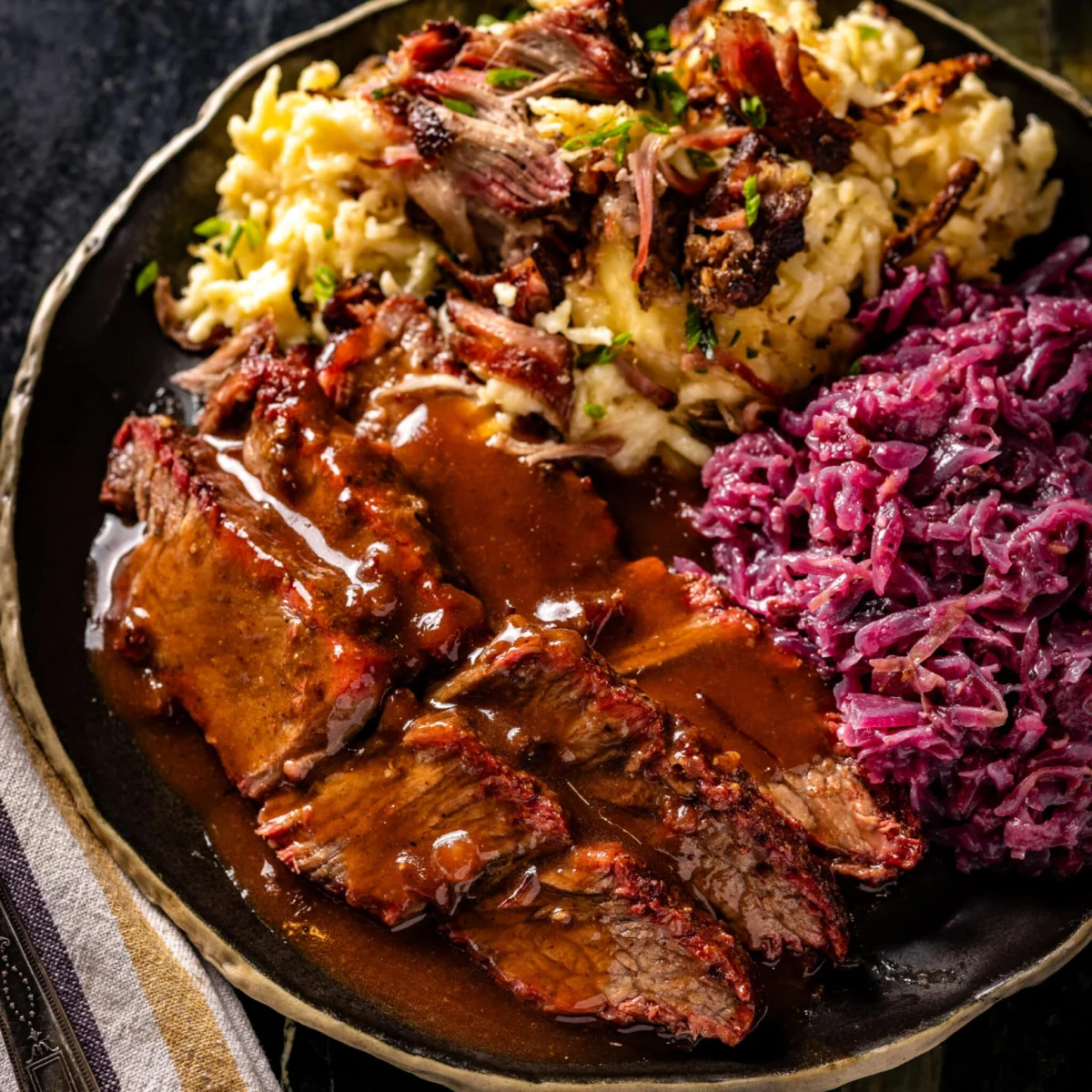
Susie Bulloch, the founder of the prominent barbecue platform Hey Grill Hey and a recognized figure on the Food Network, has unveiled a specialized Smoked Sauerbraten recipe that bridges traditional German gastronomy with contemporary American smoking techniques. Developed in collaboration with Sophie Sadler of Dirndl Kitchen, the dish reimagines the German national roast by introducing a wood-fired element to the standard pot-roasting process. This culinary synthesis represents a growing trend in the outdoor cooking community where international comfort foods are adapted for the pellet grill and offset smoker, providing a sophisticated alternative to standard barbecue fare such as brisket or ribs.
The Sauerbraten, which literally translates to "sour roast" from German, is a dish with roots stretching back to the 9th century, traditionally attributed to Charlemagne. While historically prepared with horse meat, the modern iteration almost exclusively utilizes beef, specifically tougher cuts like chuck roast or bottom round that benefit from long-term marination and slow cooking. Bulloch’s version maintains the integrity of the original German flavor profile—characterized by a sharp, acidic marinade—while incorporating a signature "Beef Rub" and a two-stage cooking process that utilizes indirect heat and wood smoke.

Historical Context and Culinary Evolution
The tradition of Sauerbraten is deeply rooted in the necessity of food preservation before the advent of refrigeration. By soaking meat in an acidic mixture of vinegar, wine, and spices for several days, early European cooks could tenderize tough muscle fibers and extend the shelf life of the protein. Over centuries, this preservation technique evolved into a beloved regional specialty, with different German states claiming unique variations. The Rhineland version, for instance, is known for its sweetness, often incorporating raisins or gingersnaps into the gravy to balance the vinegar.
The adaptation of this dish for the smoker represents a significant shift in how European "Sunday roasts" are perceived in the United States. By applying smoke before the braising liquid is added, Bulloch introduces a layer of complexity—phenolic compounds from the wood smoke—that complements the tartness of the marinade. This methodology aligns with the broader "low and slow" philosophy of American barbecue while honoring the rigorous preparation standards of German cuisine.
The Multi-Stage Preparation Chronology
The production of Smoked Sauerbraten is a time-intensive process that requires a minimum of three to five days for optimal results. The chronology begins with the preparation of the marinade, a critical phase that defines the final texture and taste of the beef.

-
The Marination Phase: The beef roast is submerged in a liquid base consisting of dry red wine (typically a Pinot Noir or Cabernet Sauvignon) and red wine vinegar. This is augmented with a bouquet of aromatics, including onions, carrots, celery, bay leaves, peppercorns, juniper berries, and cloves. The acidity in the vinegar and wine works to break down the collagen in the beef, a process that continues for several days in a refrigerated environment.
-
The Smoking Phase: Unlike traditional recipes that move directly from the marinade to a Dutch oven on the stove, Bulloch’s method involves removing the meat from the liquid and applying a dry seasoning. The roast is then placed in a smoker at a controlled temperature, usually between 225°F and 250°F. This stage allows the meat to develop a "smoke ring" and a flavorful exterior crust, or bark, which is typically absent in boiled or pot-roasted versions of the dish.
-
The Braising Phase: Once the beef has absorbed sufficient smoke flavor, it is transferred to a pan and partially submerged in the reserved marinade. The pan is sealed tightly with foil, effectively transitioning the cooking method from dry-heat smoking to moist-heat braising. This dual-action approach ensures that the interior of the roast reaches a state of "fall-apart" tenderness while retaining the aromatic profile of the smoke.

-
The Gravy Integration: The final stage involves the reduction of the braising liquid. The liquid is strained to remove the spent aromatics and thickened—often with a roux or crushed gingersnaps—to create a rich, velvety sauce that is poured over the sliced beef.
Nutritional Profile and Dietary Impact
The Smoked Sauerbraten is a calorie-dense, high-protein meal designed for communal dining. Based on standardized nutritional analysis for a six-serving yield, the dish provides a robust profile:
- Calories: 619 kcal
- Protein: 47g
- Total Fat: 28g (Saturated Fat: 12g)
- Carbohydrates: 29g
- Sodium: 4368mg
- Iron: 7mg (approx. 39% of Daily Value)
The high sodium content is a notable factor, largely attributed to the concentrated marinade and the salt content in the beef rub. However, the dish is also a significant source of potassium (1257mg) and Vitamin A (3549 IU), primarily derived from the carrots and wine used in the braising process. For health-conscious consumers, the recipe provides a substantial amount of protein and essential minerals, though the caloric and sodium density suggests it is best served as a centerpiece for special occasions rather than a daily staple.

Expert Contributions and Strategic Partnerships
The success of this recipe is attributed to the collaboration between Susie Bulloch and Sophie Sadler. Bulloch, whose platform Hey Grill Hey has become a primary resource for millions of outdoor cooks, brings a technical understanding of meat science and smoke penetration. Her experience on the Food Network and her involvement in Guinness World Records for grilling have established her as an authority in the American barbecue space.
Sophie Sadler of Dirndl Kitchen provides the cultural authenticity required for such a project. As a specialist in German cooking, Sadler ensures that the proportions of vinegar to wine and the selection of spices remain true to the flavors found in a traditional German kitchen. This partnership reflects a broader trend in the food media industry where creators collaborate across niches to provide "fusion" content that appeals to diverse audiences. By combining Sadler’s heritage with Bulloch’s technical "BBQ Boss Lady" persona, the recipe gains credibility in both the traditional and modern culinary worlds.
Broader Impact on the Outdoor Cooking Market
The introduction of recipes like Smoked Sauerbraten signifies an evolution in the outdoor cooking market. For years, the industry was dominated by a narrow focus on Texas-style brisket, Carolina pulled pork, and Kansas City ribs. However, as the popularity of pellet grills and high-tech smokers has surged, consumers are seeking more versatile ways to use their equipment.

This shift toward "Global BBQ" allows home cooks to explore international flavors without sacrificing the smoky characteristics they enjoy. The Smoked Sauerbraten serves as a prime example of how a "neighborhood potluck" can be elevated through the application of professional-grade smoking techniques to ethnic recipes. Furthermore, the availability of these recipes via mobile applications—such as the Hey Grill Hey App—and social media platforms like YouTube and Instagram has democratized access to complex culinary processes that were once the sole domain of professional chefs or those with deep-seated family traditions.
Implications for Seasonal Gastronomy
The timing of this recipe’s popularity often coincides with Oktoberfest, a 16-to-18-day folk festival held annually in Munich, Germany. While the festival is famous for its beer, the food—including Sauerbraten, schnitzel, and spaetzle—is a critical component of the experience. By providing a smoked version of Sauerbraten, Bulloch and Sadler have enabled American enthusiasts to host "Backyard Oktoberfest" events that feel both authentic and innovative.
The dish is typically served alongside traditional sides such as Rotkohl (braised red cabbage) and Kasespaetzle (German cheese noodles). The integration of these elements creates a complete sensory experience that transports the diner to a German biergarten, while the preparation method remains firmly rooted in the American tradition of outdoor fire-cooking.

As the culinary landscape continues to blur the lines between regional identities, the Smoked Sauerbraten stands as a testament to the power of food as a medium for cultural exchange. It honors the slow, methodical traditions of the past while embracing the technological and stylistic preferences of the modern era. For the home cook, it offers a challenging but rewarding project that yields a result far superior to standard pot roasts, ensuring its place as a staple in the repertoire of contemporary pitmasters.
