

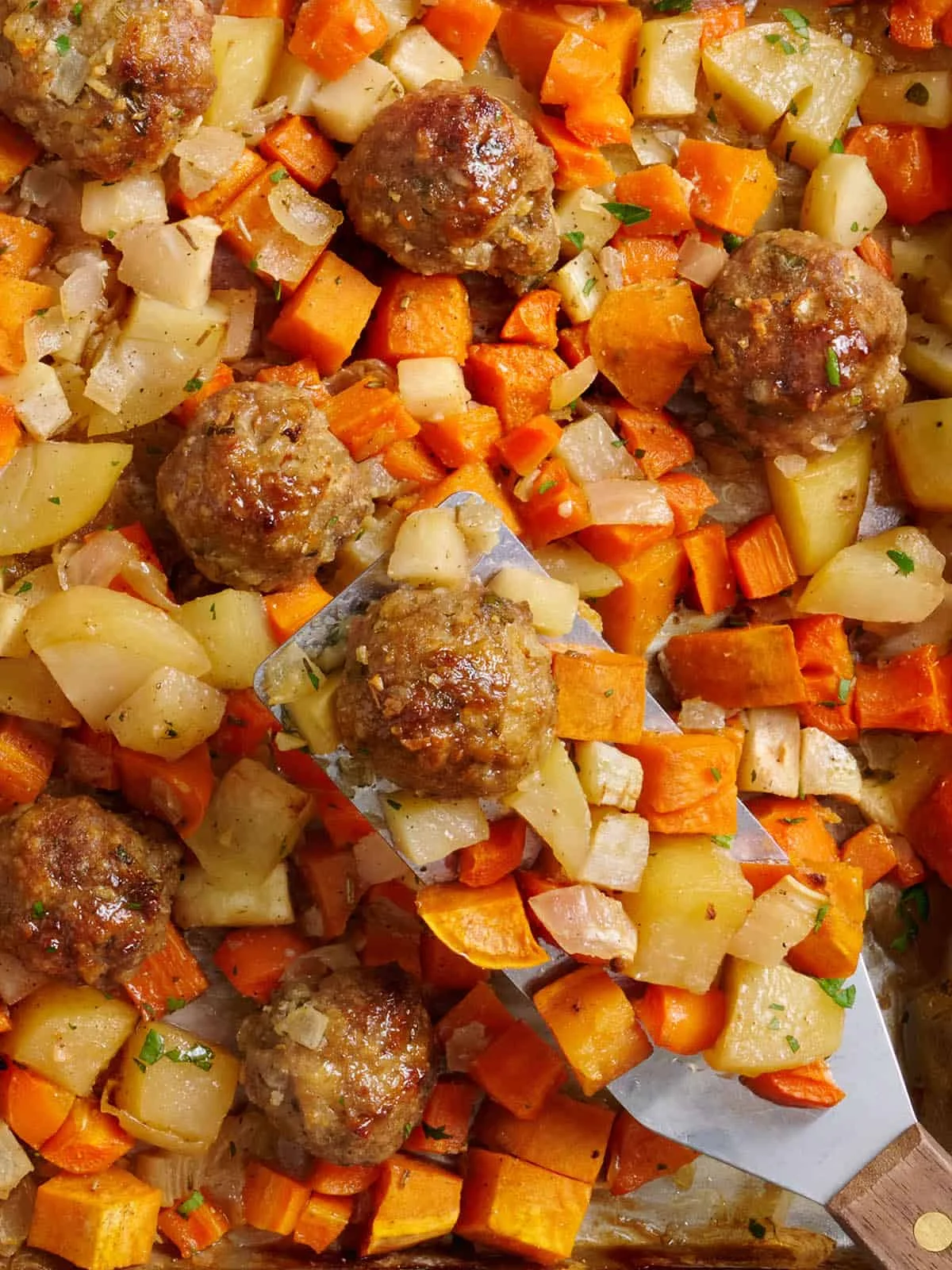
The culinary landscape of 2024 continues to be defined by a strategic intersection of nutritional density, time efficiency, and economic viability. As household budgets face ongoing pressure from fluctuating grocery indices, the Nashville Test Kitchen has released a comprehensive report and recipe for Sheet Pan Turkey Meatballs with Root Vegetables. This development represents a significant advancement in the "one-pan" dinner category, offering a complete, four-serving meal for a total cost of $9.26, or approximately $2.32 per serving. By utilizing unconventional binding agents and seasonal produce, the recipe addresses common consumer pain points regarding the texture of lean poultry and the rising cost of animal proteins.
Technical Composition and Ingredient Innovation
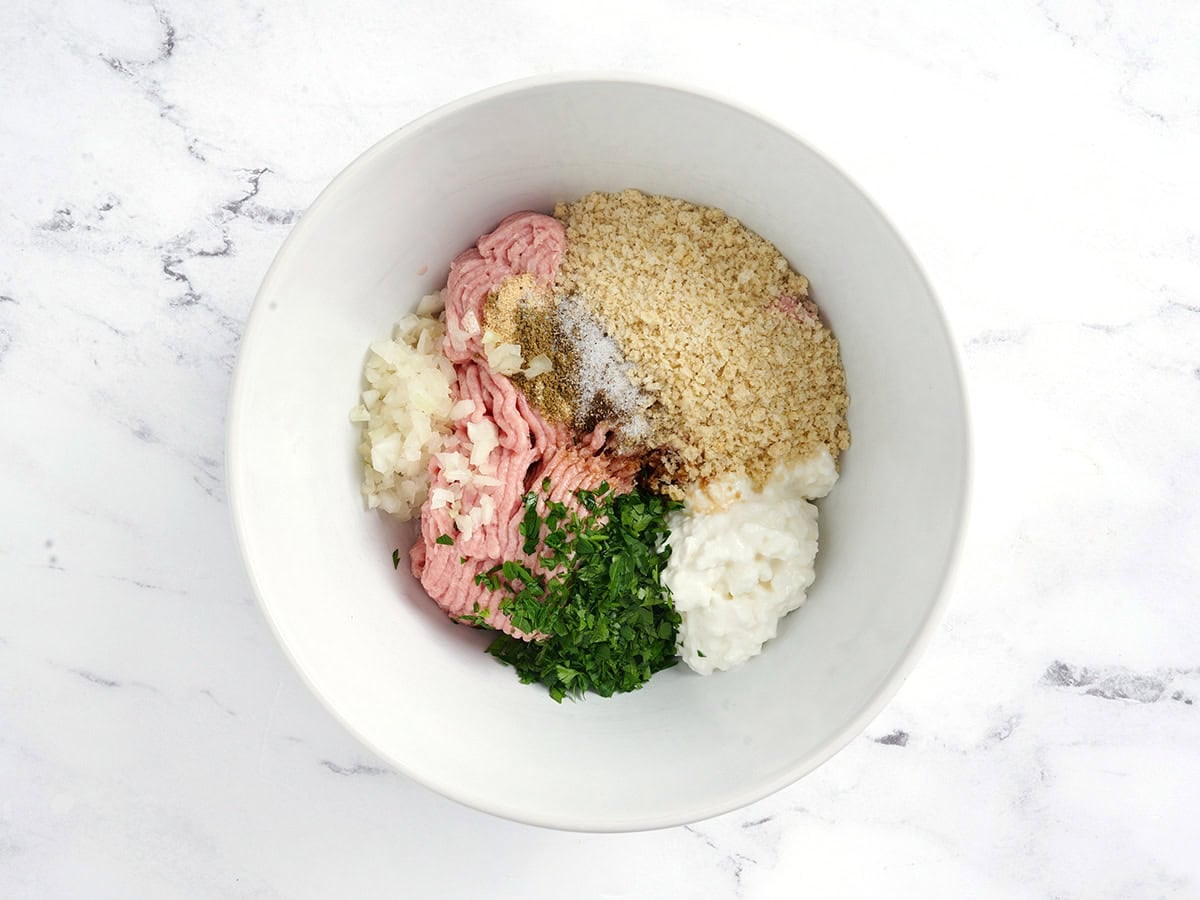
The primary innovation in this culinary release is the integration of cottage cheese into the turkey meatball matrix. Historically, ground turkey—specifically the 85% lean variety utilized in this study—has been criticized for its tendency to become desiccated during high-heat roasting. The Nashville Test Kitchen identified cottage cheese as a "secret ingredient" that serves a dual purpose: it acts as a humectant to retain moisture and provides a secondary source of protein without the need for traditional egg binders. This makes the dish accessible to individuals with egg allergies while enhancing the overall richness of the meat.
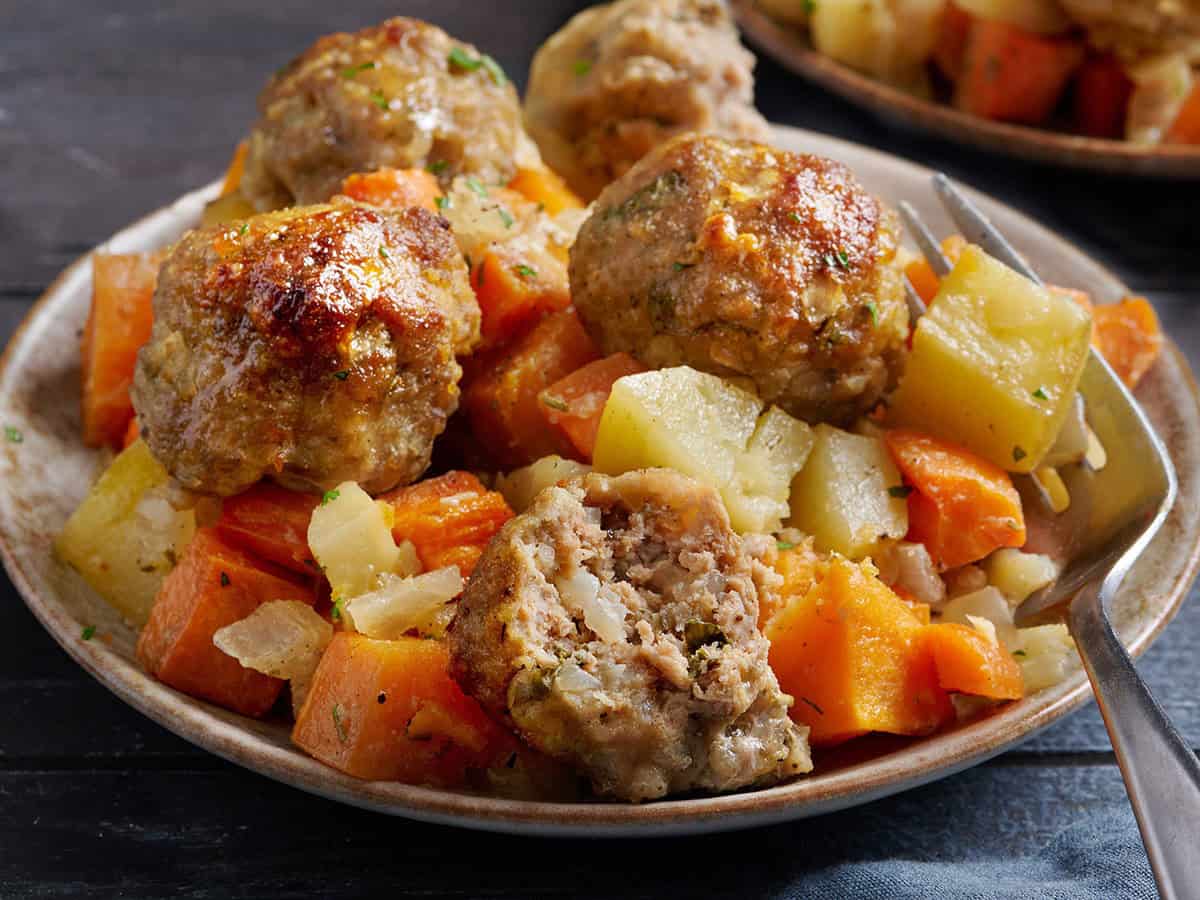
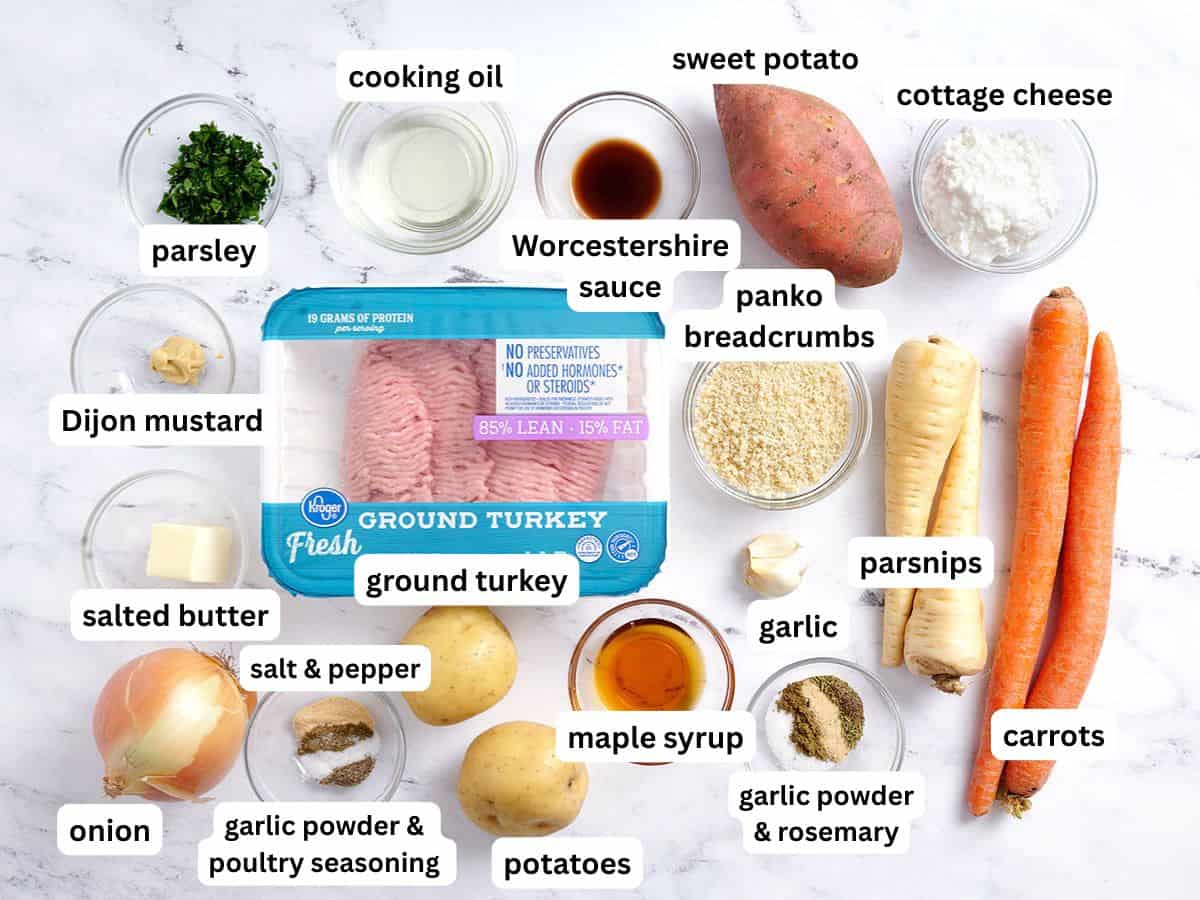
The structural integrity of the meatballs is further supported by panko breadcrumbs. Unlike traditional breadcrumbs, panko’s larger, airier flakes prevent the meat mixture from becoming overly compressed, ensuring a tender "mouthfeel" even after the 30-plus minutes of total oven exposure. The flavor profile is established through a standardized poultry seasoning blend—typically consisting of sage, thyme, and rosemary—complemented by Worcestershire sauce, garlic powder, and fresh parsley.
Economic Analysis of the $9.26 Meal Model
The $9.26 price point for a four-person meal is a critical metric in the current economic environment. According to recent consumer price index data, the cost of dining out has outpaced the cost of home-cooked meals, yet many consumers cite "time poverty" as a barrier to cooking. The Sheet Pan Turkey Meatballs with Root Vegetables model addresses this by minimizing labor and cleanup.
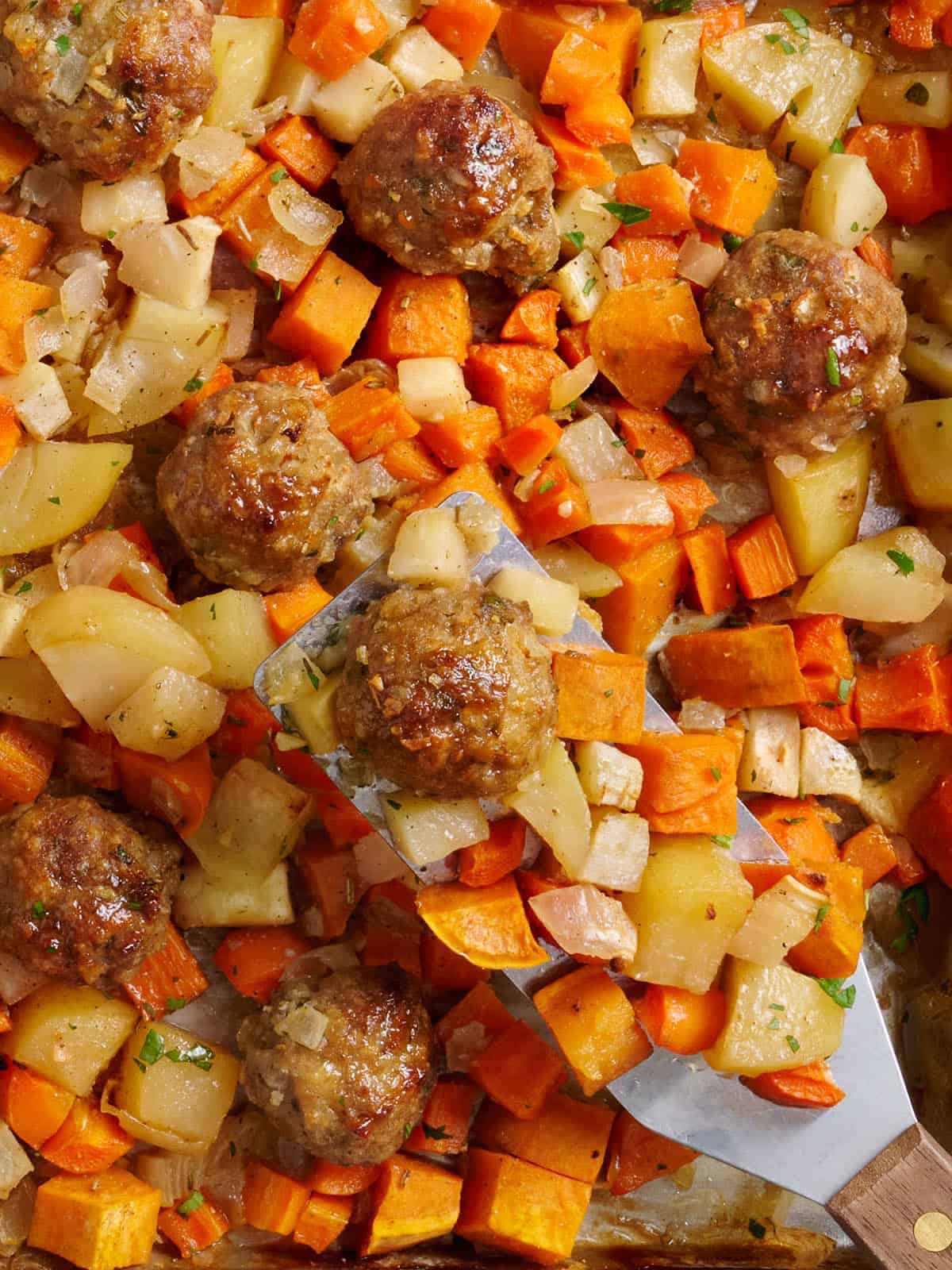
A breakdown of the cost-per-ingredient reveals that root vegetables—carrots, sweet potatoes, yellow potatoes, and parsnips—remain some of the most cost-effective produce options available. These vegetables provide high satiety and essential nutrients, such as beta-carotene and fiber, at a fraction of the cost of leafy greens or out-of-season nightshades. By utilizing 85% lean ground turkey instead of premium beef cuts, the recipe maintains a high protein-to-cost ratio, delivering 34 grams of protein per serving.
Culinary Methodology and Chronology
The preparation of the dish follows a precise chronological sequence designed to ensure that disparate ingredients reach their optimal internal temperatures and textures simultaneously.
Phase I: Preparation and Primary Roasting
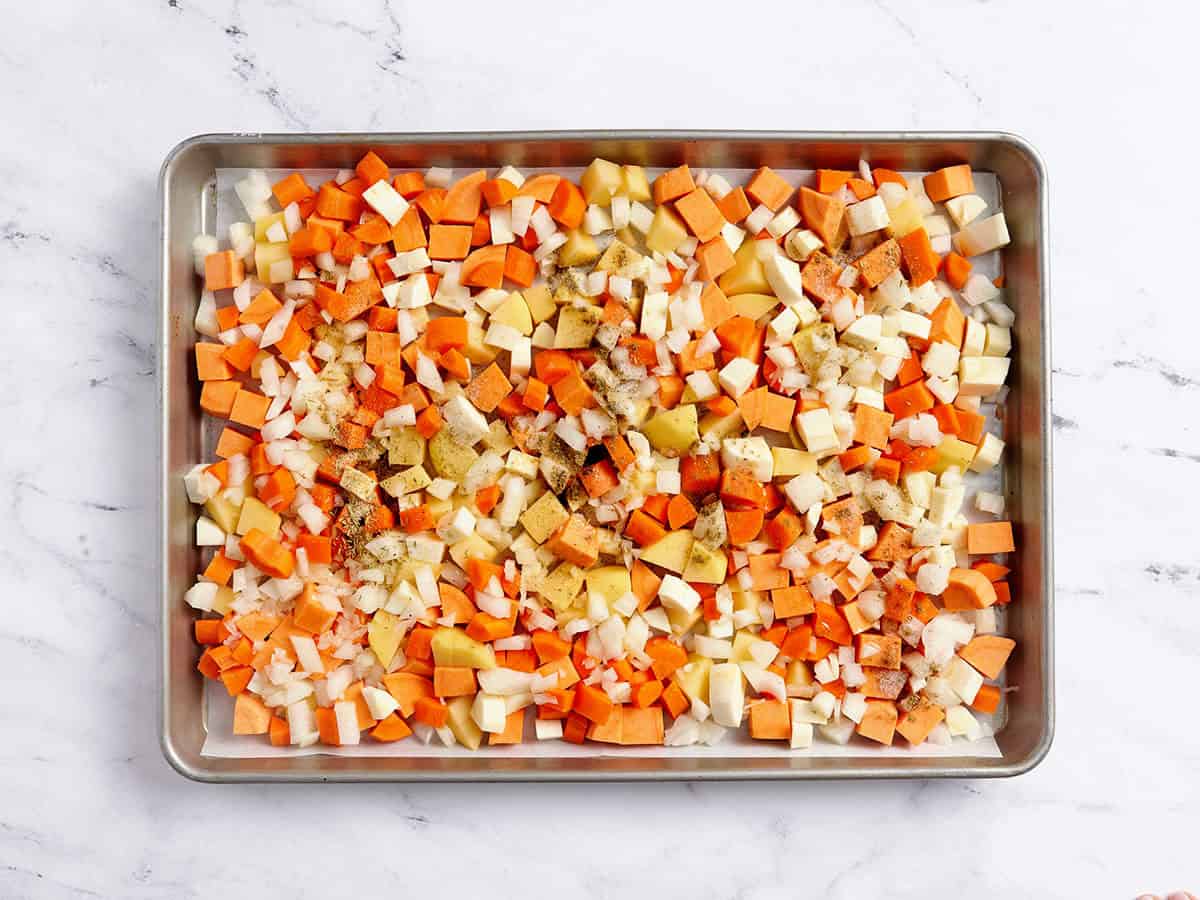
The process begins with the preheating of the oven to 425°F (218°C), a temperature calibrated to facilitate the Maillard reaction—the chemical reaction between amino acids and reducing sugars that gives browned food its distinctive flavor. The root vegetables are diced into uniform ¾-inch pieces to ensure consistent thermal penetration. These are tossed in a lipid medium (cooking oil) and seasoned with a dry rub of salt, pepper, garlic powder, and rosemary.
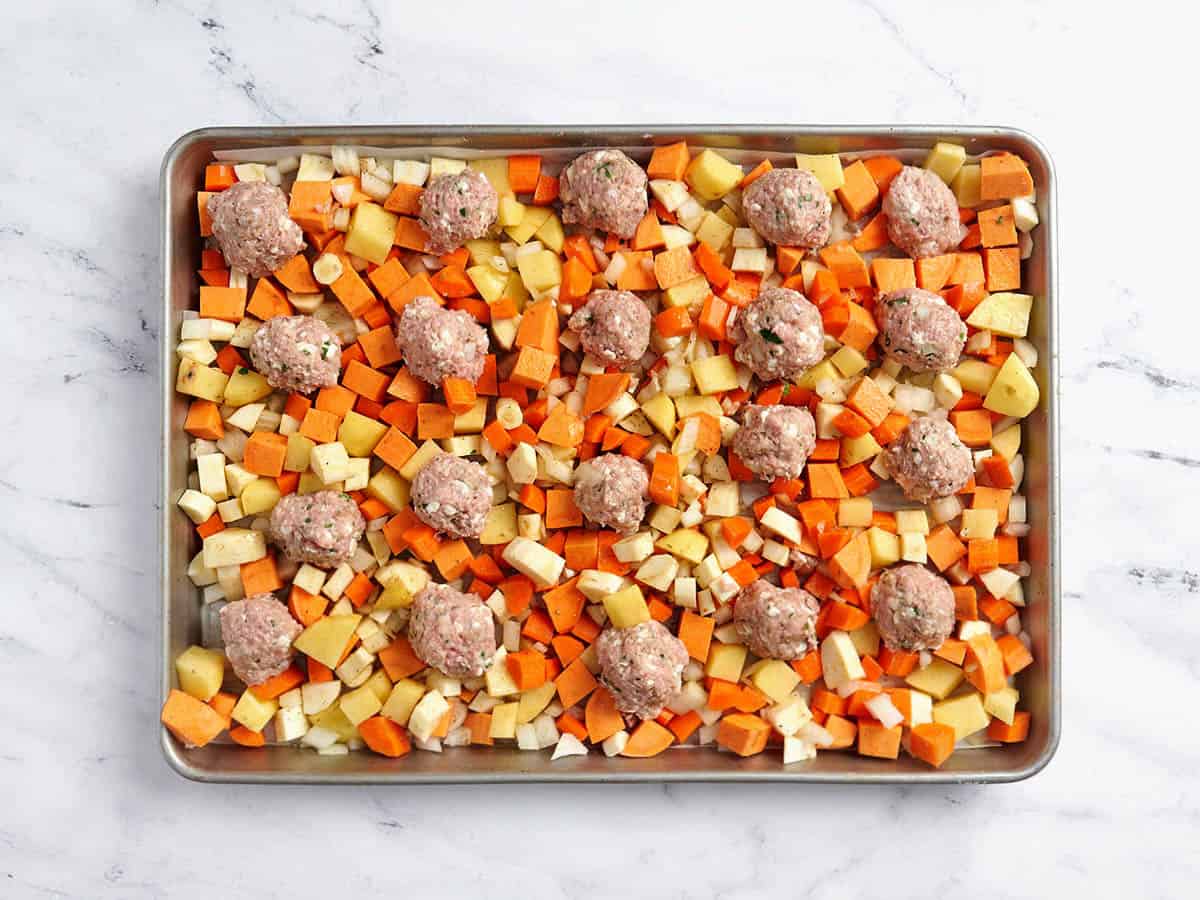
The turkey meatballs are then portioned into approximately 20 units, each roughly 1.5 inches in diameter. These are nestled directly among the vegetables on a parchment-lined sheet pan. The initial roasting period is set for 20 minutes, allowing the vegetable cell walls to begin breaking down and the meatballs to achieve structural set.
Phase II: The Glazing Process
While the primary roasting occurs, a secondary flavor layer is prepared: a maple-Dijon garlic glaze. This involves the emulsification of melted salted butter with pure maple syrup, Dijon mustard, and minced garlic.
Phase III: Caramelization and Finishing
At the 20-minute mark, the pan is briefly removed. The glaze is applied across the entire surface of the meatballs and vegetables. The pan is then returned to the oven for an additional 10 to 12 minutes. This final stage is crucial for caramelization; the sugars in the maple syrup and the natural starches in the root vegetables react under the high heat to create a glazed, savory-sweet finish. The internal temperature of the meatballs must reach 165°F (74°C) to meet USDA food safety standards for poultry.
Nutritional Profile and Health Implications
The nutritional data provided by the Nashville Test Kitchen indicates that the meal is well-balanced for a standard adult diet. Each serving (consisting of five meatballs and approximately one cup of vegetables) contains:
- Calories: 485 kcal
- Protein: 34g (68% of Daily Value)
- Carbohydrates: 51g
- Dietary Fiber: 9g (38% of Daily Value)
- Total Fat: 17g
The high fiber content is attributed to the inclusion of the skin-on yellow and sweet potatoes, as well as the fibrous parsnips. The 34 grams of protein represent a significant portion of the recommended daily intake, supporting muscle maintenance and satiety. However, the sodium content is noted at 1357mg (59% of Daily Value), largely due to the use of salted butter, Dijon mustard, and added salt, suggesting that individuals on sodium-restricted diets may need to adjust these components.
Professional Perspectives and Development Context
Jennie Alley, a recipe developer at Budget Bytes with a background in professional hospitality and culinary arts, spearheaded the development of this dish. The objective was to create a "flexible" meal that could withstand seasonal variations.
"I firmly believe easy dinners don’t have to be boring," Alley stated in the Nashville Test Kitchen report. The development process involved rigorous testing to ensure the meatballs remained juicy without the use of eggs. The transition to cottage cheese as a binder reflects a broader culinary trend of using high-protein dairy products to replace traditional fats or binders.
Market analysts suggest that recipes like the Sheet Pan Turkey Meatballs are gaining traction because they offer a "full meal solution" on a single tray. This reduces the cognitive load on the home cook, who otherwise has to manage multiple cooking times for proteins, starches, and vegetables.
Broader Implications for Home Cooking Trends
The release of this recipe highlights several key trends in the domestic culinary sector:

- The Rise of "Functional" Meatballs: Once relegated to pasta toppings, meatballs are being reimagined as standalone proteins that can be glazed, roasted, or air-fried with various flavor profiles.
- Sustainability through Root Vegetables: As consumers become more conscious of food waste and carbon footprints, there is a renewed interest in root vegetables. These crops have a long shelf life, reducing the likelihood of spoilage and subsequent waste.
- The "Cottage Cheese Renaissance": The dairy product has seen a resurgence in 2023 and 2024 as a versatile ingredient in everything from ice cream to pasta sauces and, now, meat binders.
- Meal Prep Optimization: The dish’s ability to maintain its texture after refrigeration and reheating makes it a candidate for "meal prepping." The Nashville Test Kitchen recommends storing the meal for 3-4 days in airtight containers, noting that the root vegetables provide a stable base for office lunches.
Conclusion
The Sheet Pan Turkey Meatballs with Root Vegetables is more than a simple recipe; it is a calculated response to the modern demand for efficiency and economy. By leveraging the science of high-heat roasting and the nutritional benefits of cottage cheese and root crops, the Nashville Test Kitchen has provided a blueprint for affordable, high-protein dining. As food costs continue to be a primary concern for households globally, the "under $10" meal model serves as an essential tool for maintaining dietary quality without financial strain. The success of such dishes indicates a permanent shift in home cooking toward streamlined, nutrient-dense, and cost-aware methodologies.
