

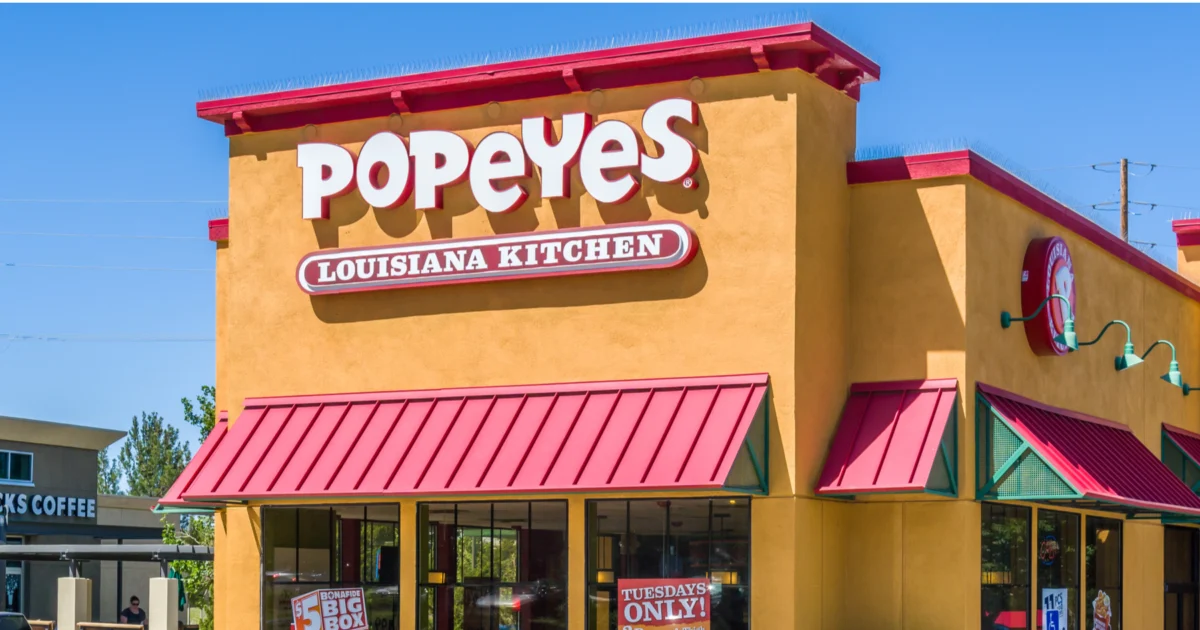
SBH Foods PLK is stepping in to acquire 23 Popeyes restaurants located in the Orlando area, a move that comes after the initial acquisition deal for these locations fell through, according to recent court filings. This development marks a significant shift in the ongoing bankruptcy proceedings of Sailormen, a once-prominent Popeyes franchisee that operated 136 units before filing for Chapter 11 bankruptcy protection earlier this year. The acquisition by SBH Foods is valued at $2.7 million, underscoring the continuing consolidation and restructuring within the quick-service restaurant sector.
The sale of these 23 Orlando Popeyes outlets to SBH Foods is part of a larger divestiture strategy by Sailormen, which had accumulated substantial debt, leading to its financial distress. The initial agreement for these specific locations was with RFI Ventures, which had offered $2.5 million. However, this deal failed to reach completion, necessitating Sailormen to secure special court approval to continue operating these restaurants while a new buyer was sought. The intervention of SBH Foods provides a crucial lifeline for these particular establishments and their associated employees, ensuring their operational continuity under a new franchisee.
This latest transaction is one piece of a broader auction process that saw the majority of Sailormen’s 136-unit portfolio change hands. In an auction held earlier this month, 97 of these locations were sold for a collective sum of $2.7 million. The lion’s share of these purchases was made by Pulse Restaurant Group, an entity established by David Damato, the CEO of Sailormen. This strategic move by Damato suggests an effort to retain control and operational oversight of a significant portion of the former Sailormen empire, albeit under a new corporate structure.
The sale of Sailormen’s assets is a complex undertaking involving multiple buyers and a significant number of locations. Beyond the Orlando acquisition by SBH Foods and the bulk purchase by Pulse Restaurant Group, other transactions are also shaping the future of these Popeyes outlets. Popeyes corporate itself is acquiring 16 Miami-area locations for $9.6 million, indicating a strategic interest from the parent company in directly managing certain key markets or consolidating its presence in areas where it deems it most beneficial. Additionally, three locations in West Palm Beach, Florida, are being sold to 61 Biscuits for $1.11 million, further diversifying the ownership landscape.
The underlying cause of Sailormen’s bankruptcy, as reported in January, was a combination of heavy debt and significant liquidity challenges. The franchisee reportedly carried approximately $130 million in debt and faced mounting pressure from various stakeholders, including landlords, vendors, and its primary lender. Such a substantial debt burden in a competitive industry like quick-service dining can quickly erode profitability and operational flexibility, often leading to difficult decisions regarding asset sales and restructuring.
Background of Sailormen’s Financial Distress
Sailormen’s financial struggles did not emerge overnight. The quick-service restaurant industry, while resilient, is susceptible to economic headwinds, rising operational costs, and evolving consumer preferences. For a large franchisee operating over a hundred locations, managing debt, labor expenses, food costs, and maintaining brand standards across a broad geographic area presents a significant operational and financial challenge. The accumulation of $130 million in debt suggests a period of aggressive expansion, capital investment, or perhaps a sustained period of underperformance that outpaced revenue generation.
Chapter 11 bankruptcy protection allows a company to continue operating while it reorganizes its debts and business affairs. It is a mechanism designed to facilitate a turnaround rather than an immediate liquidation. In Sailormen’s case, the filing in January signaled a critical juncture, where the company sought to address its financial obligations and find a sustainable path forward. The subsequent auction and sale of its assets indicate that a complete operational overhaul or sale of the business as a going concern was the chosen strategy.
The decision to sell off nearly all of its locations, with only a fraction expected to remain operational under new ownership or potentially close entirely, points to the severity of Sailormen’s financial situation. The remaining 39 locations were anticipated to cease operations if they had not already done so, signifying a substantial contraction of the franchisee’s footprint. This dramatic reduction in scale is a common outcome in large-scale franchise bankruptcies where the debt load and operational inefficiencies become insurmountable.
The Role of SBH Foods and Previous Deal
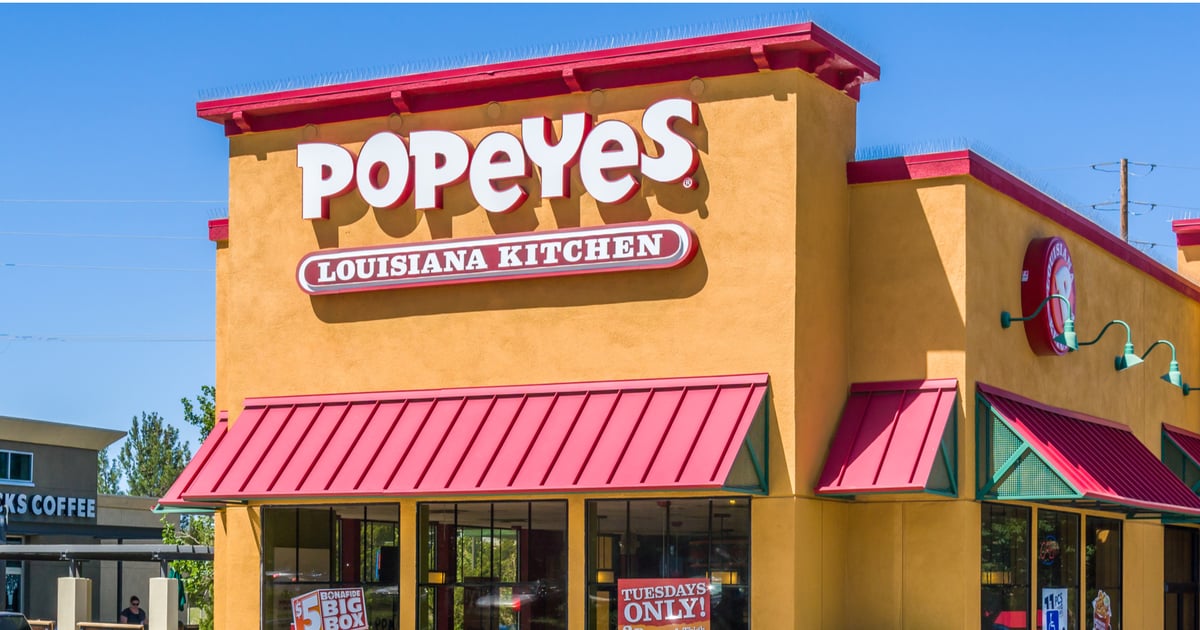
SBH Foods PLK’s acquisition of the 23 Orlando Popeyes restaurants is not its first foray into this bankruptcy sale. The company was already in the process of acquiring five other Popeyes locations in the Savannah, Georgia, market for $650,000. This prior transaction demonstrates SBH Foods’ ongoing interest in expanding its Popeyes franchise portfolio and its willingness to engage in the acquisition of distressed assets. The additional purchase of the Orlando units significantly bolsters its presence in the Florida market.
The failed deal with RFI Ventures highlights the complexities of asset sales in bankruptcy. Such transactions are subject to court approval, require meticulous due diligence, and can be derailed by financing issues, regulatory hurdles, or unforeseen complications. The fact that the original deal did not close meant that Sailormen had to navigate additional uncertainty, prolonging the period of operational strain. The urgency to find a replacement buyer for these 23 locations underscores the critical need for resolution in bankruptcy proceedings to stabilize operations and protect value.
Broader Industry Implications and Analysis
The bankruptcy and subsequent asset sales of a major Popeyes franchisee like Sailormen offer insights into the broader dynamics of the quick-service restaurant industry. The concentration of ownership in large franchise groups can lead to economies of scale and operational efficiencies, but it also exposes the entire network to significant risk if that franchisee falters. The swift actions of Popeyes corporate to acquire some of the locations, along with the participation of other established franchisees like SBH Foods and Pulse Restaurant Group, suggest a coordinated effort to maintain brand presence and operational continuity in key markets.
The sale prices themselves provide a snapshot of asset valuation in the current market. While the $2.7 million for 97 locations averages out to approximately $27,835 per unit, this figure is a broad average and likely doesn’t reflect the individual profitability or location-specific value of each restaurant. The separate deal for the 23 Orlando units at $2.7 million, or roughly $117,391 per unit, suggests these specific locations may have been deemed more valuable or were part of a more favorable deal structure. The $9.6 million for 16 Miami locations ($600,000 per unit) and $1.11 million for three West Palm Beach units ($370,000 per unit) further illustrate the wide variance in valuation, likely influenced by market conditions, lease terms, and operational performance.
The involvement of Popeyes corporate in acquiring specific locations could signal a strategic decision to re-establish direct control over certain markets, potentially to implement new operational strategies, improve performance, or consolidate ownership in high-potential areas. This is a common tactic for franchisors seeking to maintain brand integrity and market share during periods of franchisee distress.
For the consumers in the Orlando area, the transition from Sailormen to SBH Foods, while perhaps unnoticed in the immediate customer experience, signifies a change in ownership and management. The continued operation of these 23 Popeyes restaurants ensures that the availability of the brand’s popular menu items remains consistent for local patrons. For the employees of these establishments, the acquisition by SBH Foods likely offers a sense of stability, as new ownership typically aims to retain existing staff to maintain operational continuity and institutional knowledge.
The timeline of these events, from Sailormen’s bankruptcy filing in January to the auction and subsequent sales in recent months, illustrates the often lengthy and intricate process of resolving large-scale franchise bankruptcies. Each step requires legal proceedings, negotiations, and approvals, all while the underlying businesses continue to operate, albeit under a cloud of financial uncertainty.
The overall impact of Sailormen’s bankruptcy on the Popeyes brand appears to be managed through these strategic sales. While the closure of 39 locations represents a loss of market presence, the transfer of the majority of the remaining units to new, financially stable operators mitigates a broader negative impact. The industry will continue to monitor how these newly acquired locations perform under their new franchisees and how Popeyes corporate navigates any further consolidation or restructuring within its franchise network. The case of Sailormen serves as a reminder of the inherent risks and rewards in the franchise business model, where the success of individual franchisees is intrinsically linked to the health and strength of the franchisor.
