

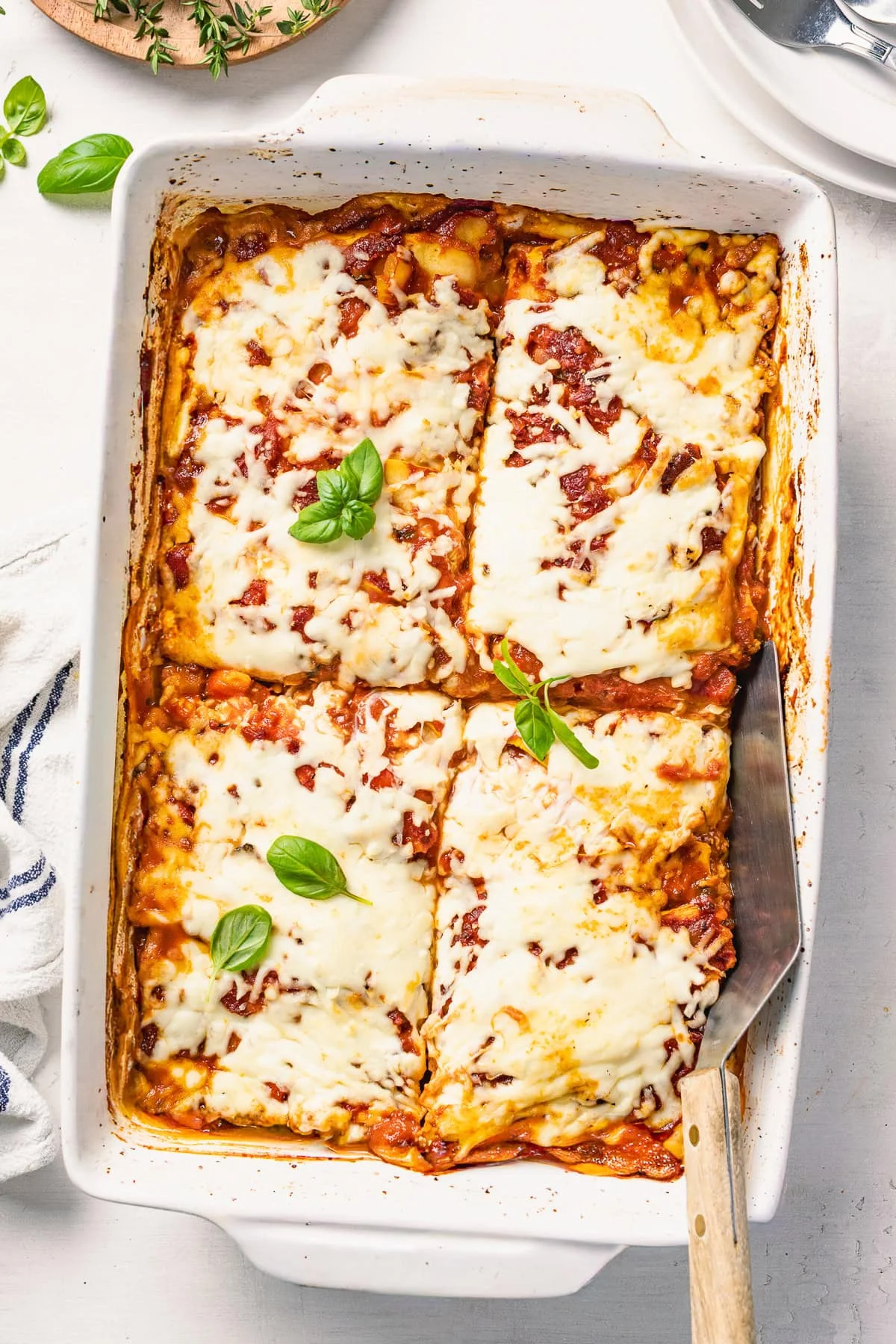
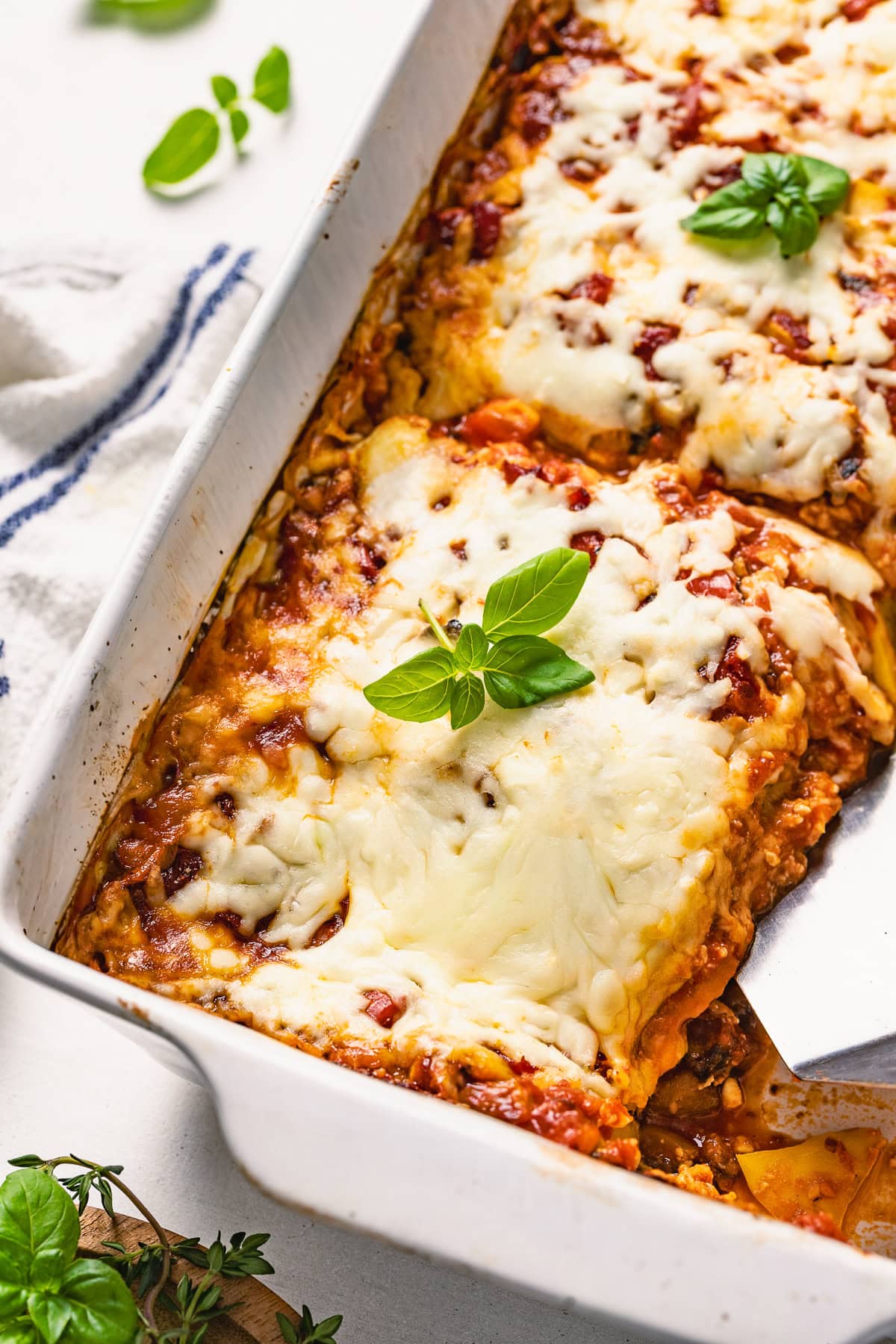
The culinary landscape has witnessed a significant evolution in recent years, driven by a growing global emphasis on health, dietary inclusivity, and sustainable eating. Amidst this shift, a new dish has emerged, seamlessly blending classic French and Italian culinary traditions while addressing contemporary nutritional demands: the Noodle-less Ratatouille Lasagna. This innovative vegetarian entree offers a high-protein, gluten-free solution, providing over 39 grams of protein per serving through a clever reinterpretation of traditional ingredients and techniques.
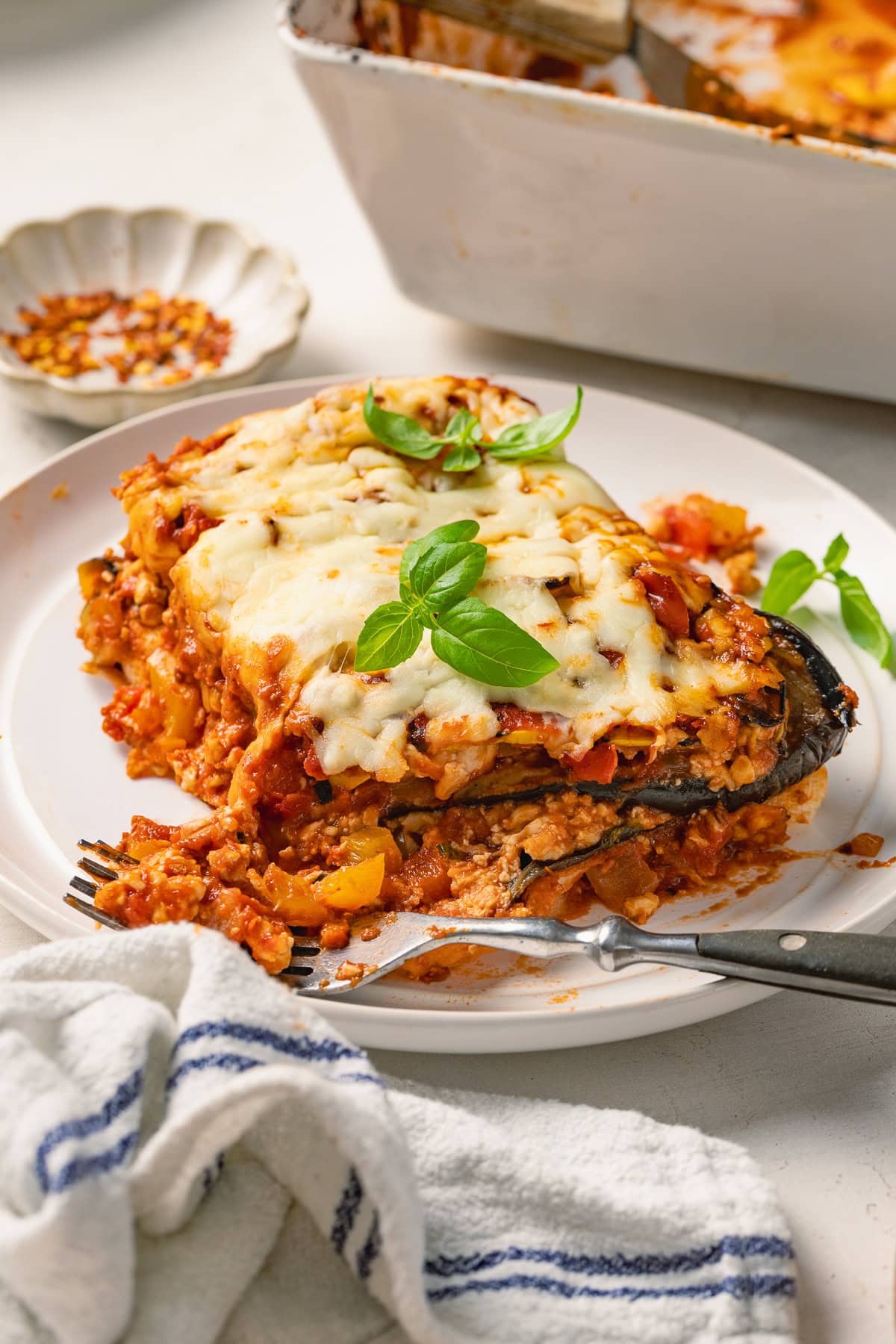
A Fusion of Classics: Ratatouille Meets Lasagna
At its core, the Noodle-less Ratatouille Lasagna represents a sophisticated fusion. It draws inspiration from ratatouille, the rustic French Provençal stew celebrated for its vibrant medley of summer vegetables—eggplant, zucchini, bell peppers, and tomatoes—simmered in a savory herb-infused sauce. This fresh, garden-centric profile is then ingeniously layered within the structural framework of an Italian lasagna, traditionally characterized by its rich pasta, cheese, and tomato sauce layers. The innovation lies in the complete omission of pasta noodles, replacing them with thinly sliced vegetables, thereby transforming a carb-heavy comfort food into a lighter, more nutrient-dense meal.

The concept was notably explored during the development of the Skinnytaste High Protein cookbook, a project that highlighted the challenges vegetarians often face in achieving adequate protein intake without relying on processed alternatives. This realization spurred the creation of dishes like the Noodle-less Ratatouille Lasagna, designed to maximize natural protein sources and fresh produce. The dish is reminiscent of other vegetable-forward lasagna variations, such as zucchini lasagna and eggplant parmesan, yet distinct in its adherence to the aromatic and textural hallmarks of ratatouille.
Nutritional Powerhouse: Protein and Gluten-Free Benefits

One of the most compelling features of this lasagna rendition is its impressive nutritional profile. Each serving delivers more than 39 grams of protein, a substantial amount for a vegetarian dish. This high protein content is largely achieved by substituting traditional ricotta cheese, commonly found in lasagna, with cottage cheese. Cottage cheese is a dairy product renowned for its elevated protein levels and lower fat content compared to many other cheeses, making it an excellent choice for individuals seeking to boost their protein intake. A typical serving of cottage cheese can contain upwards of 12-14 grams of protein per half-cup, significantly contributing to the overall protein count of the dish.
Furthermore, the complete absence of pasta noodles renders this lasagna naturally gluten-free. This addresses the needs of a growing demographic of individuals with celiac disease or gluten sensitivity, as well as those who simply choose to avoid gluten for dietary reasons. The global gluten-free market has expanded significantly, projected to reach substantial figures in the coming years, indicating a strong consumer demand for such accessible and delicious options. By leveraging vegetables like eggplant, zucchini, and yellow squash as the "noodles," the dish not only eliminates gluten but also substantially increases its fiber content and micronutrient density.
The Role of Seasonal Vegetables and Culinary Technique
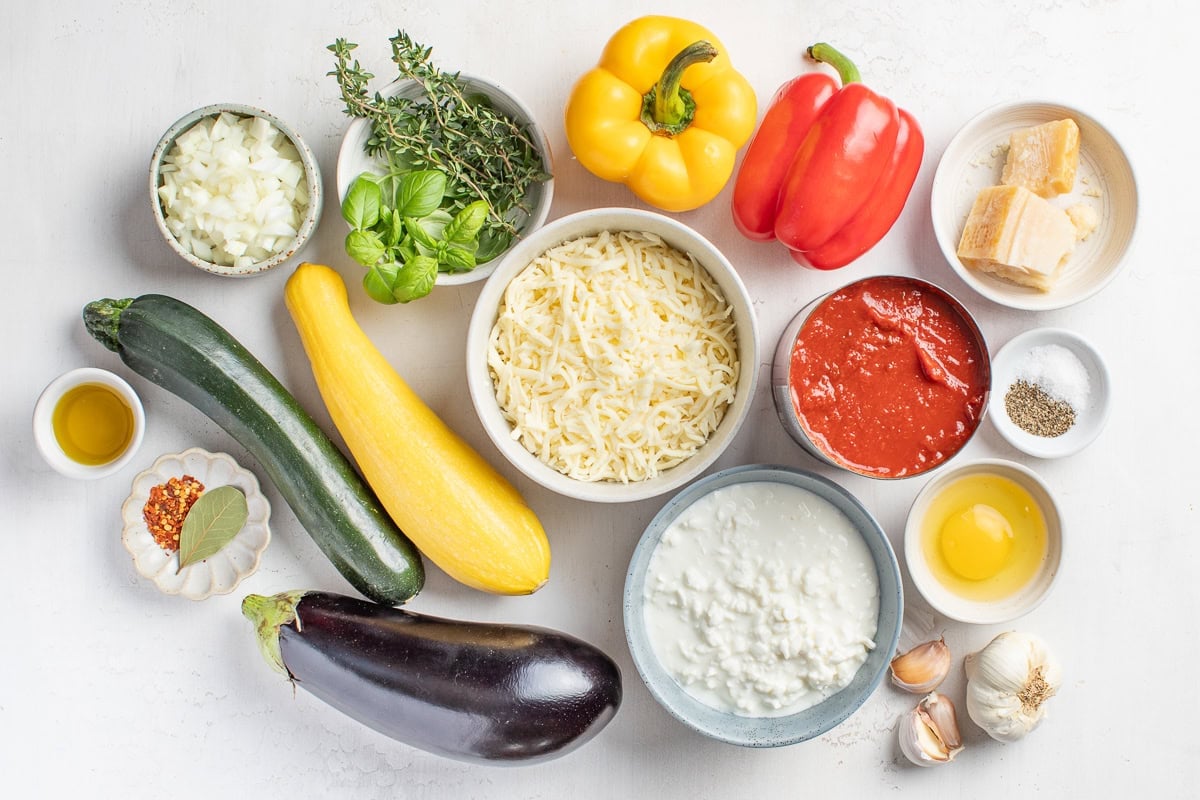
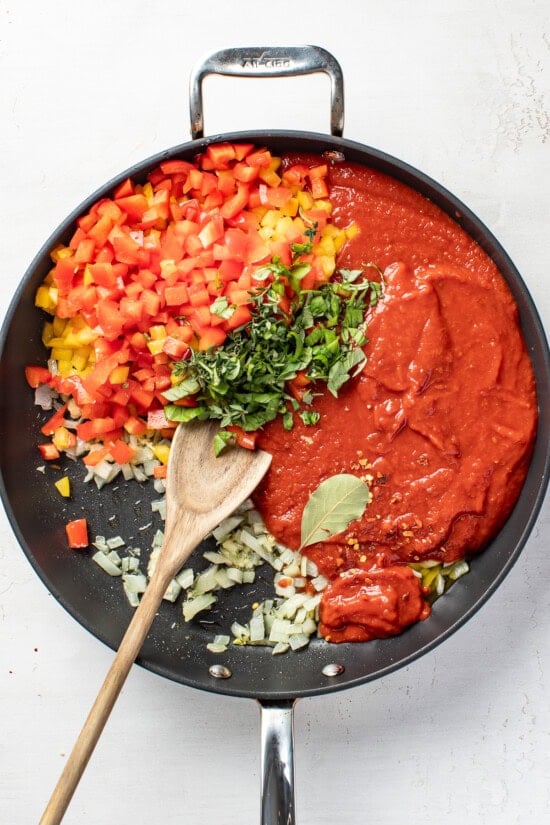
The integrity of the Noodle-less Ratatouille Lasagna relies heavily on the quality and preparation of its primary components: summer vegetables. The traditional ratatouille calls for eggplant, zucchini, bell peppers, onions, and tomatoes. In this lasagna, these vegetables serve a dual purpose: half are finely diced and incorporated into the savory tomato sauce, infusing it with depth and texture, while the other half are thinly sliced to form the structural layers.
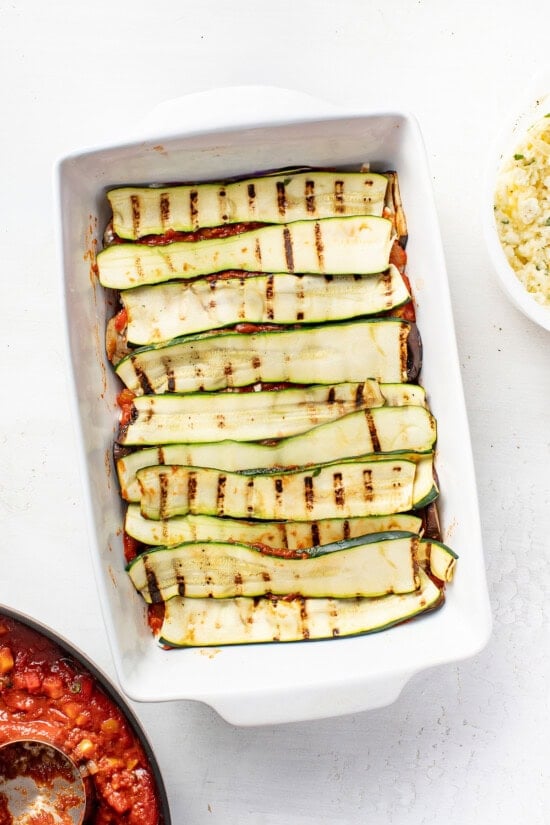
Achieving uniform, thin slices of vegetables is crucial for the "noodle" effect. Culinary tools such as a mandolin slicer, set to an approximate 1/8-inch thickness, are recommended for precision. Safety precautions, such as wearing cut-proof gloves, are advised when using such equipment. Beyond mere slicing, a critical step in preventing a watery lasagna—a common pitfall in vegetable-heavy baked dishes—involves pre-grilling the eggplant, zucchini, and squash planks. This process removes excess moisture, ensuring the final dish retains its structural integrity and concentrated flavors. Similarly, draining the cottage cheese before incorporating it into the filling further contributes to a firm, well-set lasagna. These technical considerations, while adding to the preparation time, are essential for the dish’s success, highlighting the meticulous approach required for high-quality culinary outcomes.
A Deeper Dive into Ingredients and Preparation
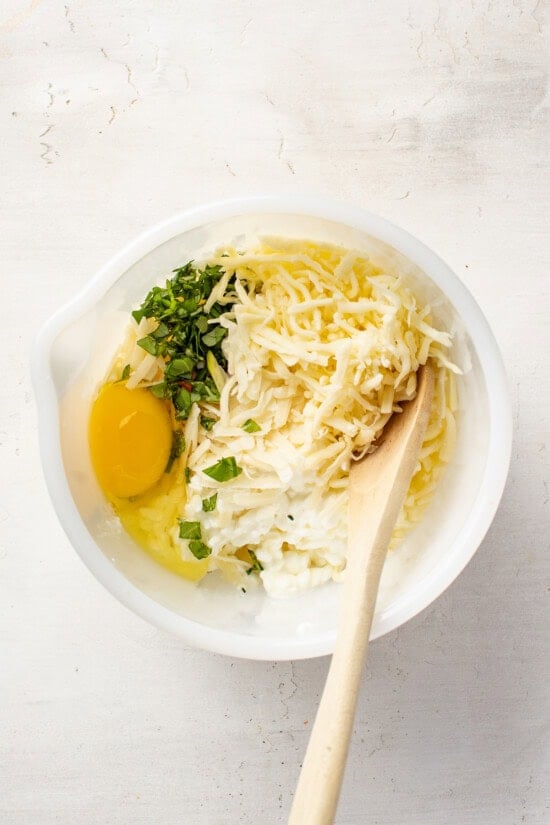
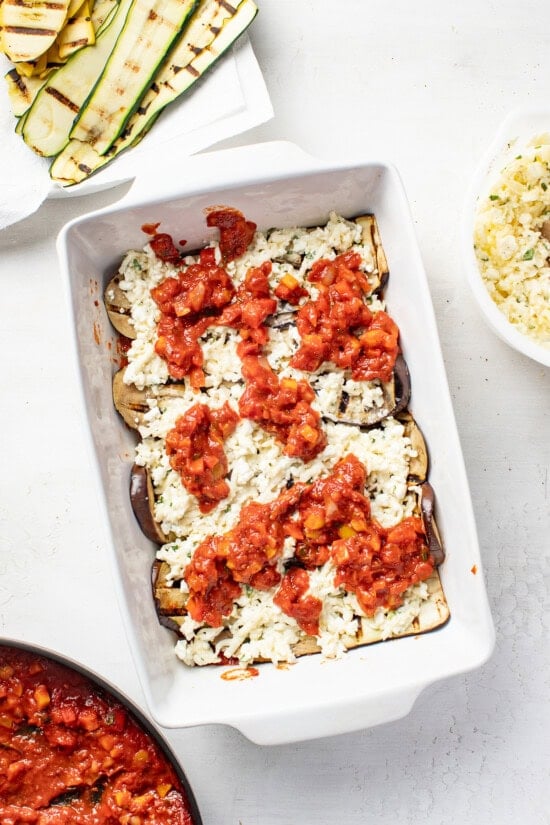
The recipe typically calls for a rich cheese filling, combining cottage cheese with mozzarella and Parmesan, seasoned with fresh herbs like basil and oregano. The vegetable layers include thinly sliced eggplant, zucchini, and yellow squash, often grilled or roasted to tender perfection. The ratatouille-inspired sauce is a robust blend of diced tomatoes, bell peppers, onions, garlic, and additional herbs, simmered to allow flavors to meld.
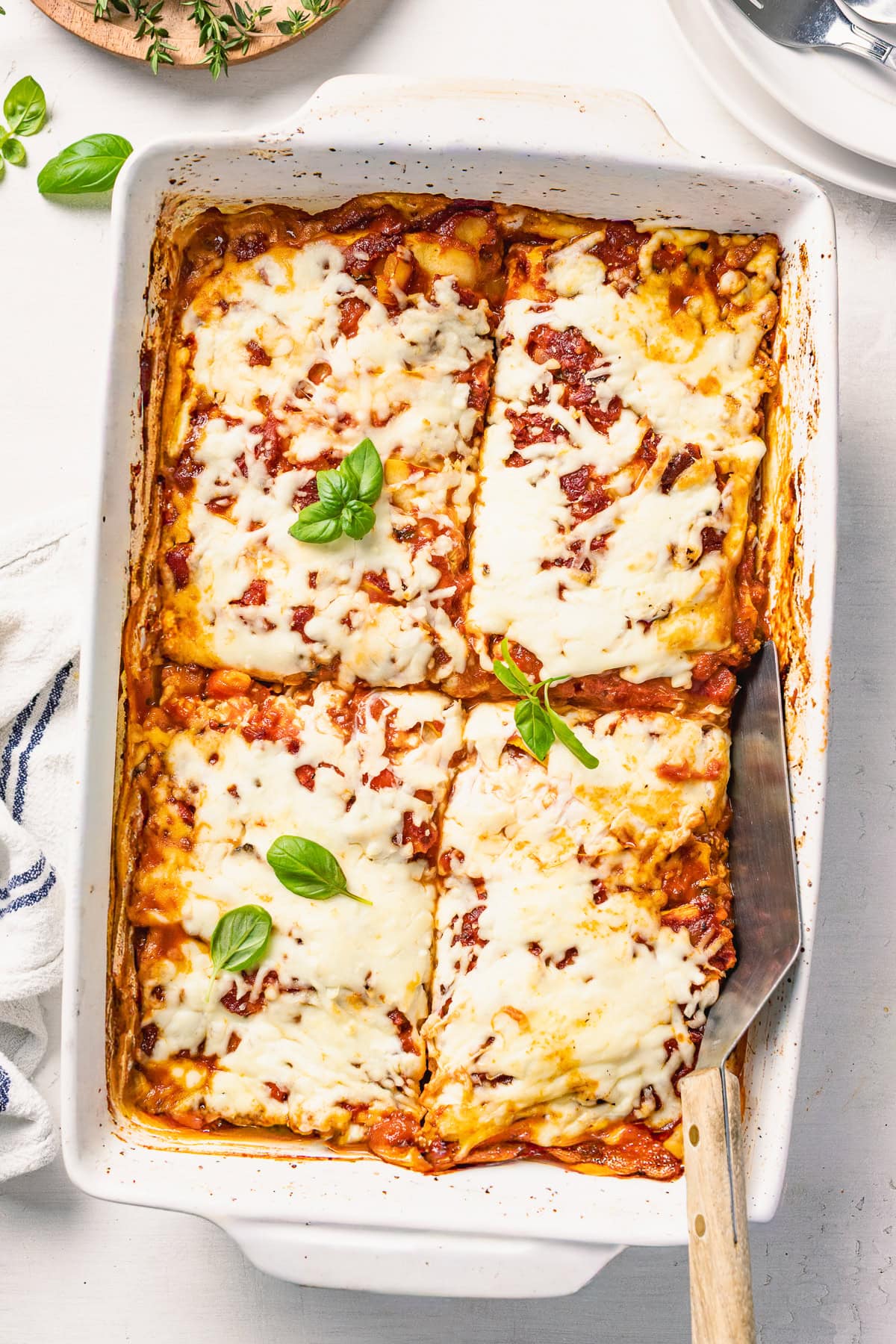
The assembly process mirrors traditional lasagna, with alternating layers of sauce, vegetable planks, and cheese filling. The initial baking phase often involves covering the dish to allow the vegetables to steam and cook through, followed by an uncovered period to achieve a golden-brown, bubbly top and to further reduce any remaining moisture. A crucial resting period post-baking allows the layers to set, making for cleaner slices and enhancing the overall texture.
Broader Implications for Health and Sustainability
The Noodle-less Ratatouille Lasagna is more than just a recipe; it embodies several significant trends in contemporary eating.
- Promotion of Plant-Based Eating: As global awareness of the environmental and health benefits of reducing meat consumption grows, dishes like this offer appealing and satisfying plant-forward alternatives. It demonstrates that vegetarian meals can be both robust and nutritionally complete.
- Addressing Dietary Restrictions: Its gluten-free nature makes it accessible to a wider audience, catering to specific health needs without compromising on flavor or culinary experience.
- Utilization of Seasonal Produce: Emphasizing summer vegetables encourages seasonal eating, which often means fresher, more flavorful ingredients that are typically more affordable and environmentally friendly due to reduced transportation and storage needs. This aligns with broader movements towards local and sustainable food systems.
- Innovation in Healthy Comfort Food: It represents a successful attempt to transform beloved comfort foods into healthier versions without sacrificing the essence of what makes them appealing. This innovation is key to making sustainable dietary changes palatable and enjoyable for the general public.
Storage, Meal Prep, and Adaptability
For busy individuals, the practicality of this dish extends to its storage and make-ahead capabilities. The assembled lasagna can be prepared in advance and refrigerated overnight, allowing flavors to deepen before baking. For longer-term planning, freezing the lasagna uncooked is often recommended. When ready to bake, it can be thawed in the refrigerator before following the baking instructions. This flexibility positions it as an ideal option for meal prepping, offering a nutritious and convenient dinner solution throughout the week.
Variations on the Noodle-less Ratatouille Lasagna are also easily achievable, allowing for personalization and adaptation based on seasonal availability or dietary preferences. Different vegetables, such as mushrooms or spinach, could be incorporated. The cheese blend could be adjusted, or additional herbs like thyme or rosemary could be introduced to further enhance the aromatic profile. For those not strictly vegetarian, a lean ground turkey or chicken could be added to the sauce, though this would alter its purely vegetarian classification.
Conclusion
The Noodle-less Ratatouille Lasagna stands as a testament to the ingenuity within modern cuisine. By skillfully marrying the vibrant flavors of French ratatouille with the comforting structure of Italian lasagna, and by strategically employing high-protein, gluten-free ingredients, it offers a compelling solution for healthy, inclusive, and delicious eating. Its development reflects a broader culinary movement towards dishes that are not only enjoyable but also thoughtfully crafted to meet evolving nutritional demands and support sustainable food practices. As consumers increasingly seek out meals that align with their health goals and ethical considerations, innovative creations like this vegetarian lasagna are poised to become staples in kitchens worldwide, proving that wholesome food can indeed be both satisfying and exceptionally flavorful.
