

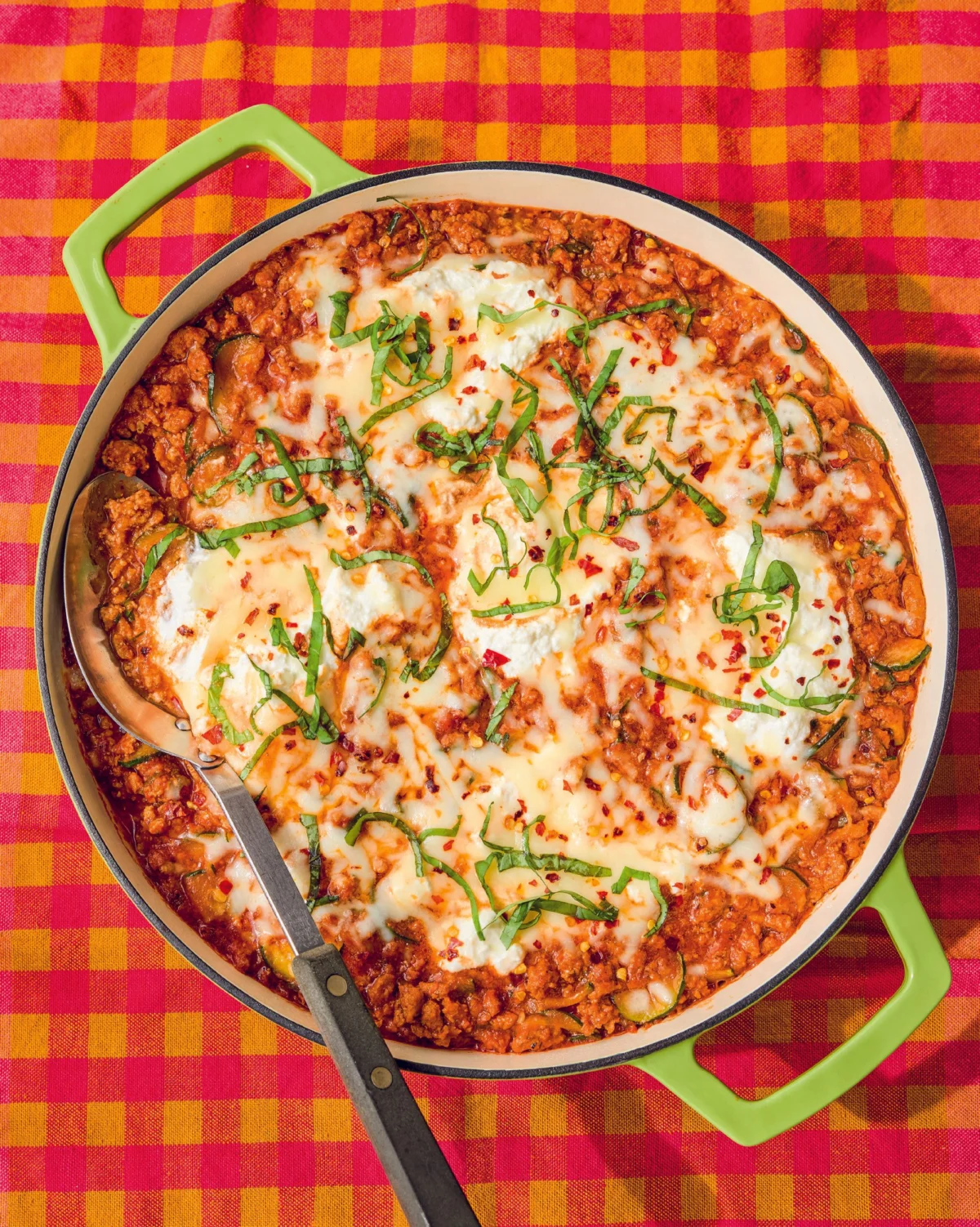
In an era increasingly defined by demanding schedules and a renewed emphasis on healthful eating, a new culinary trend is gaining significant traction: the reimagining of classic, labor-intensive dishes into efficient, nutrient-dense skillet meals. This movement is exemplified by innovations such as the "Skillet Zucchini Lasagna," a dish that distills the beloved flavors of traditional lasagna into a streamlined, "dump-and-go" format, directly addressing the challenges faced by contemporary home cooks, particularly those managing family responsibilities. This adaptation represents more than just a recipe modification; it signifies a broader cultural shift towards practical gourmet, where convenience no longer necessitates a compromise on quality or nutritional value.
The Rise of Convenient Cuisine: Adapting Culinary Classics
The culinary landscape has undergone a profound transformation over the past several decades. Historically, elaborate home-cooked meals were a cornerstone of family life, often requiring significant time and effort. Dishes like a classic lasagna, with its multiple layers of pasta, rich sauces, cheeses, and often slow-cooked ragù, could easily occupy an entire afternoon or evening of preparation. While these culinary traditions remain cherished, the realities of modern life—characterized by dual-income households, extended work hours, increased commuting times, and the ubiquitous demands of digital connectivity—have placed immense pressure on the time available for meal preparation.
This pressure has fueled a sustained demand for convenience in the kitchen. Initially, this demand was met by processed foods, ready-meals, and fast-food options, which, while offering speed, often came with nutritional trade-offs in the form of higher sodium, sugar, and unhealthy fats. However, a parallel and more recent trend has emerged: the desire for healthy convenience. Consumers are increasingly seeking meals that are quick to prepare but still utilize fresh, wholesome ingredients, align with dietary preferences (e.g., low-carb, high-protein, vegetarian), and offer robust flavor profiles. The "one-pot," "one-pan," and "skillet meal" categories have exploded in popularity as direct responses to this demand, promising minimal cleanup and simplified cooking processes without sacrificing taste or nutrition.
From Labor-Intensive to "Dump-and-Go": A Paradigm Shift
The evolution of the zucchini lasagna serves as a compelling case study in this culinary adaptation. Traditional zucchini lasagna, where thinly sliced zucchini planks replace conventional pasta noodles, gained popularity as a gluten-free and lower-carbohydrate alternative. While lauded for its innovative approach to vegetable integration, the preparation method often mirrored that of its pasta-based predecessor in its labor intensity. The process typically involves meticulously slicing zucchini, salting each individual plank to draw out excess moisture and prevent a watery final dish, patting them dry, and then carefully layering them with ricotta, tomato sauce, and mozzarella. This multi-step process, while yielding a delightful result, is precisely the kind of time-consuming endeavor that many busy individuals and families find challenging to incorporate into their daily routines.
The "Skillet Zucchini Lasagna" directly addresses this bottleneck. By transforming the dish into a "dump-and-go" skillet meal, the intricate steps of individual zucchini preparation are circumvented. Instead, zucchini is simply halved lengthwise and sliced crosswise into thicker, ¾-inch pieces, then cooked directly in the skillet alongside other ingredients. This simplification eliminates the salting and wiping of individual planks, significantly reducing preparation time. The core components remain: lean ground turkey for protein, robust tomato sauce, Italian seasoning, aromatic garlic and onion powders, fresh basil, and the creamy indulgence of ricotta and mozzarella cheeses. The result is a meal that captures the essence of its more elaborate forebear—the savory, cheesy, tomato-rich flavors of lasagna—but in a format that is dramatically quicker and easier to execute, making it an ideal candidate for weeknight dinners.
Nutritional Profile and Health Benefits
The ingredients selected for the skillet version align well with contemporary nutritional recommendations, emphasizing lean protein, abundant vegetables, and controlled portions of dairy. Ground turkey, a staple in many health-conscious diets, provides a lean source of protein essential for muscle repair, satiety, and overall bodily function. A typical serving of lean ground turkey contains significantly less saturated fat than ground beef, contributing to better cardiovascular health.
Zucchini, the star vegetable, is low in calories and carbohydrates but rich in essential nutrients. It is an excellent source of Vitamin C, an antioxidant crucial for immune function, and contains Vitamin B6, manganese, and potassium. Its high water content also contributes to hydration and aids in digestion. Replacing traditional pasta with zucchini dramatically reduces the carbohydrate load of the meal, making it suitable for those following low-carb, ketogenic, or gluten-free diets.
Tomato sauce, a foundational element, brings lycopene, a powerful antioxidant associated with reduced risk of certain cancers and improved heart health. The inclusion of Italian seasoning, garlic powder, and onion powder not only enhances flavor but also introduces various beneficial compounds found in herbs and spices, which often possess anti-inflammatory and antioxidant properties. Dairy components like whole-milk ricotta and mozzarella contribute calcium for bone health and additional protein, while crushed red pepper flakes offer a metabolism-boosting kick and anti-inflammatory capsaicin. This combination positions the "Skillet Zucchini Lasagna" as a nutritionally robust option, offering a balanced macronutrient profile and a wealth of micronutrients.
Broader Societal and Economic Implications
The advent of dishes like the "Skillet Zucchini Lasagna" carries significant implications beyond the kitchen counter. From a societal perspective, the ability to prepare healthy, delicious meals quickly can alleviate a substantial source of stress for many families. Data from the U.S. Bureau of Labor Statistics indicates that the average American spends less than an hour per day on food preparation and cleanup, a figure that has remained relatively consistent despite increased interest in healthy eating. This highlights the ongoing tension between culinary aspirations and time constraints. Recipes that minimize preparation and cooking time, like the skillet meal, directly address this gap, empowering individuals to reclaim control over their dietary choices without sacrificing precious personal or family time.
Economically, preparing meals at home is consistently more cost-effective than dining out or relying on takeout. A 2023 study by LendingTree found that cooking at home can be five times cheaper than ordering delivery. By providing an appealing and efficient alternative to restaurant meals, these convenient home-cooked options can contribute to household savings, allowing families to allocate resources to other priorities. Furthermore, the focus on fresh, accessible ingredients often found in skillet meals supports local food economies and can encourage more sustainable eating practices by reducing reliance on highly processed or pre-packaged components.
Market trends underscore the growing demand for such solutions. The global market for convenience food is projected to grow significantly, but within this larger trend, there’s a distinct sub-segment prioritizing "better-for-you" convenience. Food industry analysts like those at Mintel consistently report that consumers are seeking products and recipes that offer both speed and health benefits. This has led to an explosion in ready-to-cook meal kits, pre-chopped vegetables, and streamlined recipe instructions from food media outlets, all catering to the time-pressed but health-conscious consumer.
Expert Perspectives on Culinary Innovation
Culinary professionals and nutritionists widely acknowledge the importance of balancing traditional cooking values with modern practicalities. Dr. Eleanor Vance, a public health nutritionist specializing in family diets, notes, "Recipes that simplify complex dishes while maintaining nutritional integrity are invaluable. They democratize healthy eating, making it accessible to individuals and families who might otherwise feel overwhelmed by the prospect of cooking from scratch. The ‘Skillet Zucchini Lasagna’ is a perfect example of how culinary innovation can meet public health goals by making vegetable-rich, lean protein meals achievable on a busy weeknight."
Chef and food educator, Marcus Thorne, adds, "The beauty of dishes like these lies in their adaptability. They teach fundamental cooking techniques in a low-stress environment and encourage creativity with ingredients. It’s about empowering home cooks to create satisfying meals without needing specialized equipment or extensive culinary training. This trend reflects a maturity in home cooking, where efficiency is celebrated as much as artistry."
The development of such recipes also reflects a growing understanding among food content creators of their audience’s evolving needs. The personal journey described by the recipe’s originator—transitioning from a labor-intensive version of zucchini lasagna to a quicker skillet meal after having children—resonates deeply with millions of parents worldwide. This shared experience underscores the practical impetus behind many culinary innovations in the home kitchen.
Looking Ahead: The Future of Home Cooking
The "Skillet Zucchini Lasagna" is more than just a passing food trend; it is indicative of a permanent shift in how people approach cooking. As societal pressures continue to evolve, the demand for adaptable, healthy, and convenient meal solutions will only grow. The future of home cooking will likely see further innovation in appliance technology that streamlines processes, continued development of nutritionally balanced and time-saving recipes, and a sustained focus on making fresh, wholesome ingredients more accessible and easier to prepare.
This evolution is not about abandoning culinary traditions but rather about intelligently adapting them to fit contemporary lifestyles. By transforming classic comfort food into an efficient, nutritious, and delicious skillet meal, the "Skillet Zucchini Lasagna" stands as a testament to the ingenuity of modern home cooks and the enduring human desire for both good food and a manageable life. It symbolizes a culinary future where the joy of cooking and the pleasure of eating well are accessible to everyone, regardless of their schedule or family demands.
