

The 2025 calendar year marked a significant intersection of patient advocacy, medical research, and digital entrepreneurship for Jodi Ettenberg, the founder of Legal Nomads and a prominent voice in the chronic illness community. Despite facing severe physical limitations resulting from a persistent spinal cerebrospinal fluid (CSF) leak, Ettenberg has successfully transitioned from a career in corporate law and world-renowned travel writing to a pivotal role in medical leadership and specialized advocacy. This evolution comes eight years after a 2017 medical procedure fundamentally altered her life, shifting her focus from global exploration to the "teeny tiny sliver" of a life dictated by the strict constraints of "uptime"—the limited minutes she can remain upright before neurological symptoms become debilitating.
The Trajectory of a Career Redefined by Health
Ettenberg’s professional journey began in the high-stakes environment of legal practice, a career she eventually left to pursue travel writing. Her platform, Legal Nomads, originally served as a repository for her global adventures but gradually transformed into a resource-heavy business catering to specific niches, including lawyers seeking alternative careers and travelers navigating the complexities of Celiac disease. However, the trajectory of her career was abruptly diverted in 2017 when she sustained a spinal CSF leak.
A spinal CSF leak occurs when the dura mater—the tough membrane that holds fluid around the brain and spinal cord—is compromised, allowing the fluid to escape. This results in Spontaneous Intracranial Hypotension (SIH), a condition characterized by "brain sag" and severe orthostatic headaches that worsen when standing. For Ettenberg, the condition has necessitated a life largely spent in a supine position. The year 2025 began under particularly challenging circumstances; a physical accident on Christmas Day 2024 caused a setback in her "leak baseline," forcing her to spend the early months of the year confined to bed. Despite these hurdles, the subsequent twelve months saw Ettenberg achieve milestones in business growth, medical publishing, and non-profit leadership.
Milestones in Specialized Celiac Advocacy
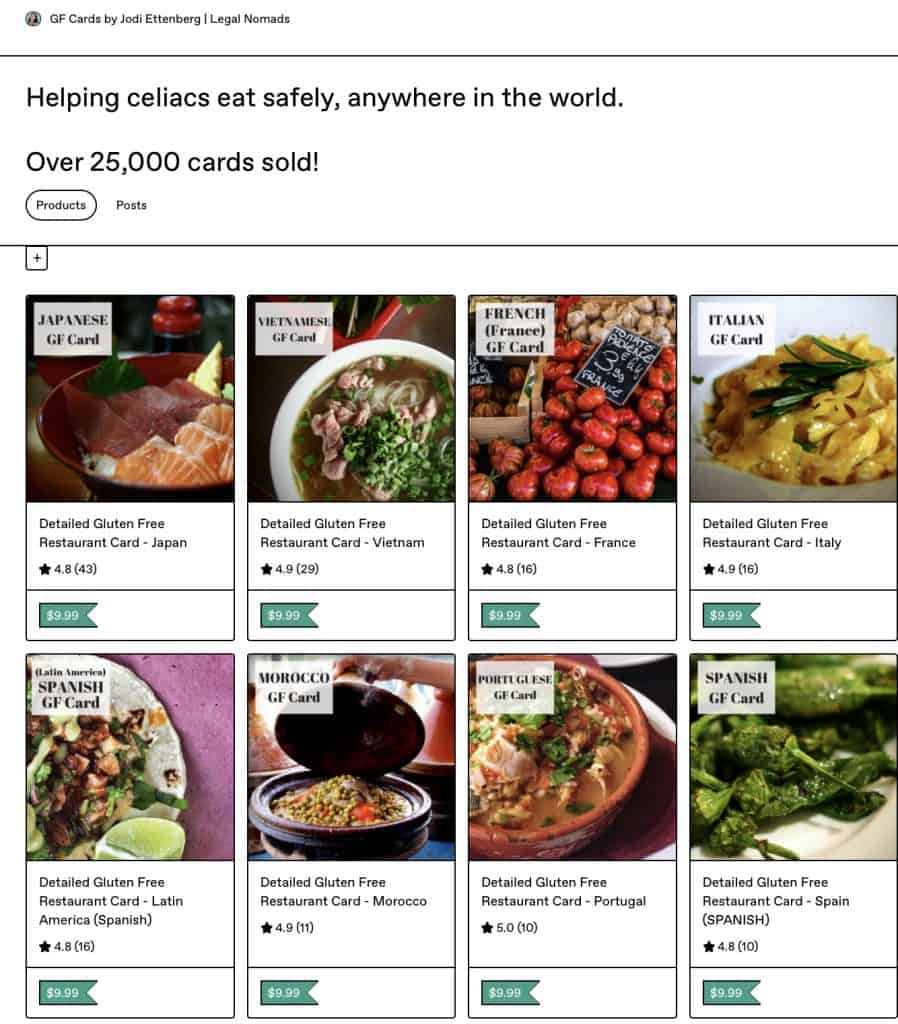
One of the most enduring pillars of Ettenberg’s business has been her contribution to the Celiac community. For those with Celiac disease, an autoimmune condition where the ingestion of gluten leads to damage in the small intestine, international travel presents significant risks regarding cross-contamination and hidden ingredients. To address this, Ettenberg developed a series of professional-grade Celiac translation cards.
In 2025, Ettenberg recorded the sale of her 25,000th translation card, a testament to the continued demand for reliable medical communication tools in the travel sector. The expansion of this project included the introduction of three new languages: Croatian, Korean, and Khmer. This brings the total offering to 21 languages, with cards now being utilized not only by individual travelers but also by physicians, hospitals, and specialized travel agents through whitelisting agreements.
Complementing these tools, Ettenberg published two new "Essential Gluten-Free Guides" for Cambodia and South Korea. These guides, which range from 3,000 to 5,000 words, provide a granular analysis of local cuisines, identifying safe and unsafe traditional dishes. This data-driven approach to food safety has filled a critical gap in the travel industry, moving beyond simple restaurant recommendations to provide travelers with the linguistic and culinary literacy required to navigate street food markets and local eateries safely.
Leadership and Systematic Change in Medical Research
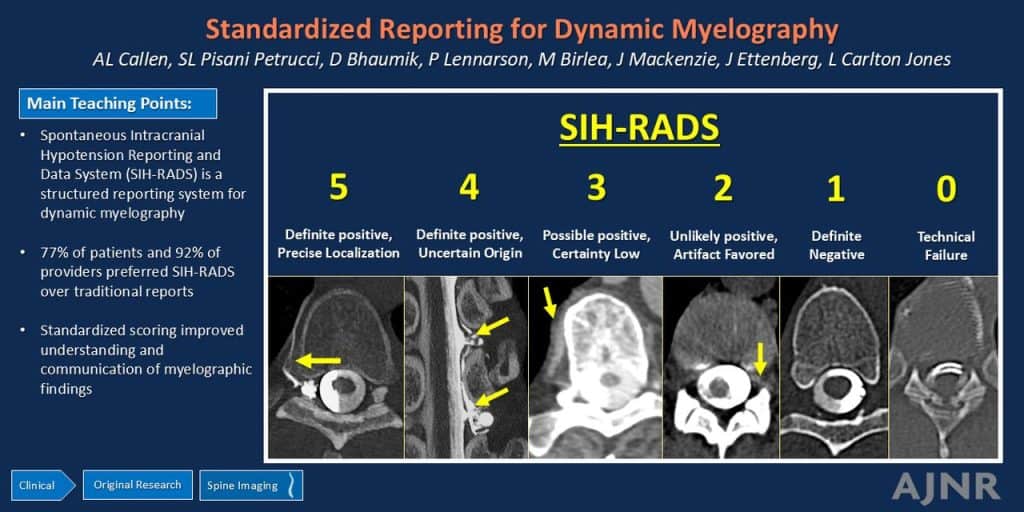
Perhaps the most significant development of 2025 was Ettenberg’s increasing influence within the medical community. In a rare example of a patient-expert contributing directly to clinical literature, Ettenberg served as a co-author on a research paper published in the American Journal of Neuroradiology (AJNR). The paper proposed a new standardized reporting system for dynamic myelography, dubbed SIH-RADS (Spontaneous Intracranial Hypotension Reporting and Data System).

Dynamic myelography is a specialized diagnostic imaging test used to locate spinal CSF leaks. It involves injecting contrast dye into the spinal canal and using real-time scanning to visualize the escape of fluid. Historically, reporting on these tests has lacked standardization, leading to potential delays in diagnosis or misinterpretation of results. The SIH-RADS proposal aims to enhance clarity for both referring providers and patients. According to the study, physicians and patients alike reported a preference for this standardized system over traditional reporting methods. Ettenberg’s involvement as a patient-author highlights a growing trend in medicine toward "patient-centered research," where the lived experience of the patient is integrated into the development of diagnostic frameworks.
Parallel to her research contributions, Ettenberg was appointed Board President of the Spinal CSF Leak Foundation. In this volunteer capacity, she led a high-stakes executive search process to hire a new Executive Director. The process involved reviewing over 130 applications and coordinating a rigorous interview and scoring system. Her tenure as President has also seen the planning of "leakweek," an annual international awareness campaign, and the development of the first international patient registry for spinal CSF leak patients. This registry is expected to provide researchers with a vital database to better understand the long-term outcomes and demographics of the condition.

Public Engagement and Digital Community Building
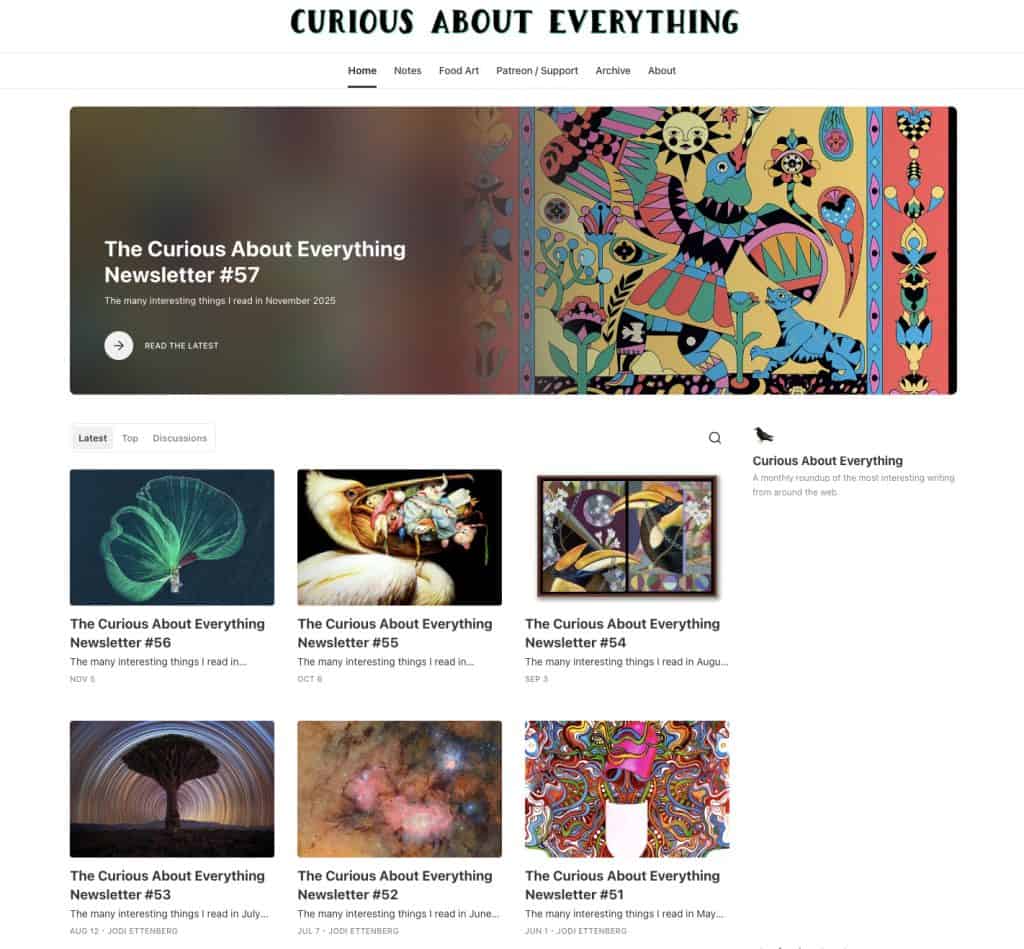
Ettenberg’s ability to maintain a global presence from a bed-bound position is largely attributed to her strategic use of digital platforms. Her newsletter, Curious About Everything (CAE), reached its 57th issue in December 2025. The publication, which evolved from a link-sharing list she started during her legal career, serves as a curated digest of science, history, and art. Despite the labor-intensive nature of the project, Ettenberg has maintained it as a free resource, supported by her Patreon community.
The Patreon membership has become a vital component of her business model, particularly as she is ineligible for disability benefits in Canada. In 2025, she utilized the platform to publish long-form essays that fall outside the traditional niches of travel or law, covering topics ranging from the philosophy of "The Bear" to the psychological impacts of chronic pain. The community also demonstrated its philanthropic reach by raising $4,217 for spinal CSF leak research during the 2025 awareness week.
Furthermore, Ettenberg re-engaged with the legal community through a featured episode on The Hearing, a podcast produced by Thomson Reuters. The 53-minute interview explored the themes of finding purpose beyond the law and provided a retrospective on her career trajectory. This engagement, alongside a "fireside chat" at a medical conference with neuroradiologist Dr. Andrew Callen, underscored her role as a bridge between the legal, medical, and patient worlds.
Chronology of Key Events in 2025
- January – March: Recovery from a significant "leak setback" following a fall in late 2024. Emphasis on bed-based administration of the Spinal CSF Leak Foundation.
- April: Launch of the Korean and Khmer Celiac translation cards and the comprehensive South Korea Gluten-Free Guide.
- June: "Leakweek" awareness campaign; Ettenberg leads the community to raise over $4,200 for research.
- August: Publication of the SIH-RADS research paper in the American Journal of Neuroradiology.
- October: Appearance at a major medical conference for a fireside chat on "Barriers to Care," marking a rare public speaking engagement.
- November: Recording and release of the Thomson Reuters podcast episode.
- December: Publication of the 57th issue of Curious About Everything and the announcement of the 25,000th Celiac card sale.
Analysis of Broader Implications
The activities of Jodi Ettenberg in 2025 offer a case study in the resilience of the "creator economy" when faced with extreme physical disability. Her ability to leverage a decade-old audience into a support system for medical advocacy suggests that the value of digital communities extends far beyond mere entertainment.

From a medical perspective, the success of the SIH-RADS proposal and the international patient registry signals a shift toward more collaborative models of healthcare. By involving patients in the leadership of foundations and the authorship of research, the medical field is beginning to address the "barriers to care" that Ettenberg highlighted in her conference speech. Her work addresses a critical gap in rare disease advocacy: the need for a "legal brain" to navigate the bureaucratic and diagnostic complexities of a misunderstood condition.
As 2025 concludes, Ettenberg’s focus remains on balancing the sustainability of her personal business with the demanding requirements of her leadership roles. While her physical world remains restricted to a "teeny tiny sliver," her intellectual and advocacy-based output continues to have a global reach, providing a roadmap for other "patient-experts" navigating the intersection of chronic illness and professional identity.
