

The quick-service restaurant sector is experiencing a period of significant strategic recalibration, with major players like McDonald’s, Wendy’s, and Papa John’s implementing substantial changes to marketing leadership, operational strategies, and financial planning. These adjustments come as the industry grapples with evolving consumer preferences, increased competition, and the persistent pressure to drive same-store sales growth in a challenging economic environment.
McDonald’s Reshuffles U.S. Marketing Leadership to Sharpen Strategy
McDonald’s, the global fast-food behemoth, is undergoing a significant shake-up in its U.S. marketing leadership as it seeks to refine its brand messaging and customer engagement strategies. Alyssa Buetikofer, the outgoing U.S. Chief Marketing and Customer Experience Officer, will depart her role effective December 18th. This transition marks a pivotal moment for the company as it aims to address concerns regarding underperforming marketing campaigns and a perceived dilution of its brand message due to an excess of competing communications.
In response to Buetikofer’s departure, Morgan Flatley, the Global Chief Marketing Officer, will assume the interim role of Chief Creative Officer. This move signals a potential emphasis on creative direction and brand storytelling as a key driver for future success. Concurrently, veteran executive Charlie Newberger is stepping into the position of interim U.S. Chief Marketing and Commercial Officer. Newberger’s extensive experience within the company is expected to provide stability and a deep understanding of McDonald’s operational and commercial nuances during this transitional phase.
The timing of these leadership changes is noteworthy. While specific details regarding the underperforming campaigns have not been publicly disclosed, the decision to alter marketing leadership suggests a strategic imperative to inject new energy and a more cohesive vision into the brand’s U.S. marketing efforts. Industry analysts have often pointed to McDonald’s’ vast portfolio of menu items and promotional activities as a potential source of message fragmentation. The current leadership shuffle is likely an attempt to streamline these efforts and ensure that marketing initiatives resonate more effectively with the target consumer base.
McDonald’s has consistently been a bellwether for the broader quick-service industry. Its ability to adapt its marketing strategies to changing consumer behaviors, such as the increasing demand for digital ordering, personalized offers, and value-driven promotions, will be crucial in maintaining its market dominance. The appointment of a new leadership team in a critical market like the U.S. underscores the company’s commitment to this ongoing evolution.
Wendy’s Rejects Buyout Offer, Bets on Revitalization Under New Leadership
Wendy’s has publicly rejected a $1.4 billion buyout offer spearheaded by former chairman Nelson Peltz and other investors. This decisive move signals the company’s confidence in its own turnaround strategy, which is being spearheaded by its new Chief Executive Officer, Bob Wright. The decision to forgo a potential acquisition and instead focus on internal revitalization efforts comes at a critical juncture for the fast-food chain, which has been struggling with declining same-store sales.
Last quarter, Wendy’s reported a significant 5.7% drop in U.S. same-store sales, a metric that is closely watched by investors as an indicator of a restaurant’s health and customer appeal. In response to this challenging performance, Wright has unveiled a comprehensive revitalization plan dubbed "Dave’s Way." This initiative is built on three core pillars: menu innovation, marketing enhancements, and digital improvements, all supported by a strategic optimization of the restaurant portfolio.
A particularly interesting element of "Dave’s Way" is the proposed optionality of breakfast for franchisees. The company estimates that allowing franchisees to opt out of offering breakfast could unlock as much as $200 million in restaurant-level Earnings Before Interest, Taxes, Depreciation, and Amortization (EBITDA). This move suggests a recognition that the breakfast daypart may not be universally profitable or operationally efficient for all franchisees, and that flexibility could lead to improved overall performance. It also hints at a potential re-evaluation of the strategic importance and execution of the breakfast menu.
Furthermore, Wendy’s plans to acquire up to 163 restaurants from Meritage Hospitality Group, a struggling franchisee. This acquisition represents a strategic move to gain greater control over key locations and potentially implement the "Dave’s Way" initiatives more uniformly across a larger portion of its U.S. footprint. By bringing these locations under corporate ownership, Wendy’s can directly manage operational standards, marketing execution, and menu offerings, aiming to reverse the negative sales trends observed in those units.
The rejection of the buyout offer and the ambitious internal turnaround plan indicate a strong belief within Wendy’s leadership that the company can chart its own course to recovery. The success of "Dave’s Way" will depend on its ability to resonate with consumers, improve operational efficiency, and ultimately drive sustainable sales growth in a highly competitive market.
Papa John’s Charts a New Course with "Unbox Better" Amidst Sales Slump
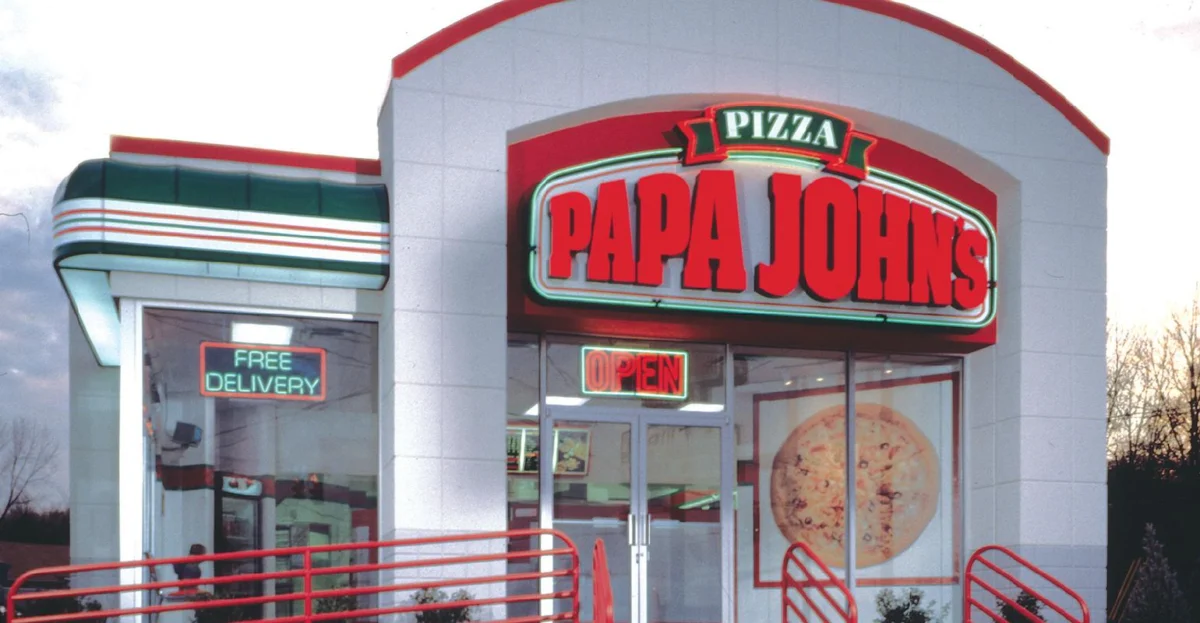
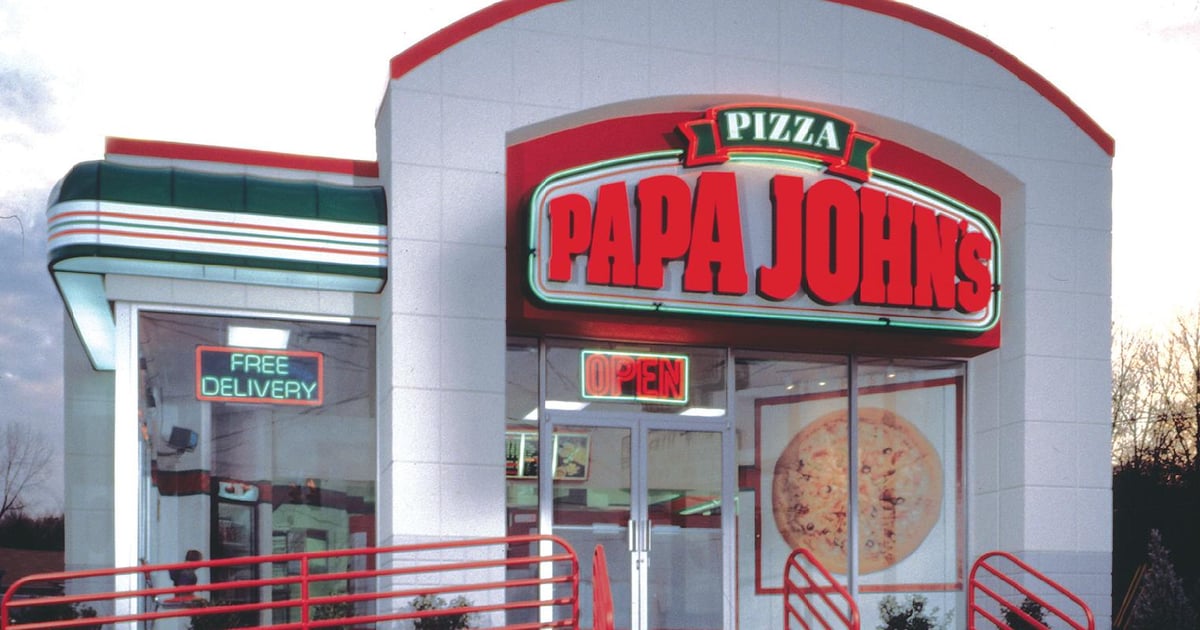
Papa John’s is facing continued headwinds, reporting another quarterly decline in sales, including a concerning -8.3% decrease in same-store sales across its North American system. This performance has led the company to lower its financial guidance for the year, reflecting the persistent pressures within a highly competitive restaurant environment. CEO Todd Penegor acknowledged that these results are a direct consequence of the challenging market conditions.
In response to these ongoing sales declines and a deepening pizza category competition, Penegor has outlined a new enterprise-wide blueprint titled "Unbox Better." This strategic plan is designed to navigate a tough macroenvironment and aims to strengthen the Papa John’s brand by providing customers with more compelling reasons to choose the company and by ensuring the system consistently meets and exceeds customer expectations.
The "Unbox Better" strategy encompasses a holistic approach, touching upon all facets of the business. This includes a renewed focus on menu innovation, optimizing operational processes for greater efficiency and consistency, refining marketing efforts to better connect with consumers, and leveraging technology to enhance the customer experience and internal operations. The emphasis on a comprehensive, system-wide approach suggests a recognition that isolated fixes are insufficient to address the current challenges.
As part of its commitment to gathering direct consumer insights, Papa John’s will be launching a "Bounceback" campaign in the coming week. This initiative is specifically designed to solicit feedback from consumers on how the company can improve its offerings and overall experience. This direct line to customer sentiment is crucial for informing future strategic decisions and ensuring that the "Unbox Better" plan is aligned with market demand.
In addition to customer-facing initiatives, Papa John’s is also providing enhanced support for its franchisees. This includes a reduction in technology fees, a move likely intended to alleviate some of the financial burdens on franchise partners and encourage their full participation in the new strategic direction. By addressing the needs of its franchisees, Papa John’s aims to build a more unified and motivated network capable of executing the ambitious "Unbox Better" plan effectively.

The company’s proactive approach, marked by the introduction of "Unbox Better" and the "Bounceback" campaign, signals a determination to overcome its current sales slump. The effectiveness of this strategy will hinge on its ability to translate into tangible improvements in customer perception, operational execution, and ultimately, a sustained recovery in same-store sales growth.
Broader Industry Implications and Analysis
The strategic shifts occurring within McDonald’s, Wendy’s, and Papa John’s are indicative of a broader transformation underway in the quick-service restaurant industry. Several key themes emerge from these developments:
-
The Imperative of Strategic Clarity: McDonald’s leadership changes highlight the ongoing need for clear, consistent, and impactful marketing. In an era of information overload, brands must work harder than ever to cut through the noise and communicate a unified message that resonates with their target audience. The underperformance of past campaigns suggests a potential struggle to maintain brand identity amidst a complex promotional landscape.
-
Revitalization Over Acquisition: Wendy’s decision to reject a buyout offer underscores a growing trend of established companies opting for internal revitalization rather than succumbing to acquisition pressures. This approach requires strong leadership, a clear vision, and the willingness to make significant operational and strategic adjustments. The success of "Dave’s Way" will be closely watched as a case study for other struggling chains. The optionality of breakfast is a particularly bold move, indicating a willingness to deviate from established industry norms if data supports such a shift.
-
Holistic Business Transformation: Papa John’s "Unbox Better" plan exemplifies the need for a comprehensive, multi-faceted approach to business improvement. In today’s dynamic market, isolated initiatives are rarely sufficient. Success requires a coordinated effort across menu, marketing, operations, and technology, all aligned with a clear strategic objective. The emphasis on consumer feedback further demonstrates a commitment to customer-centricity as a foundation for recovery.
-
Data-Driven Decision Making: All three companies, in their own ways, are signaling a greater reliance on data and consumer insights to guide their strategies. Wendy’s optional breakfast, McDonald’s marketing recalibration, and Papa John’s "Bounceback" campaign all point to a desire to make more informed decisions based on market realities and customer preferences.
-
The Evolving Role of Technology: While not explicitly detailed in every update, the mention of digital improvements by Wendy’s and the broad scope of Papa John’s "Unbox Better" plan imply that technology will play a crucial role in enhancing customer experience, streamlining operations, and driving efficiency across the industry.
The coming months will be critical for these quick-service giants. Their ability to successfully execute these ambitious strategies will not only determine their individual futures but also provide valuable insights into the evolving landscape of the entire fast-food industry. The competitive pressures are immense, and only those brands that can adapt, innovate, and consistently deliver value to the consumer will thrive. The industry is at a crossroads, and the strategic decisions being made today will shape its trajectory for years to come.
