

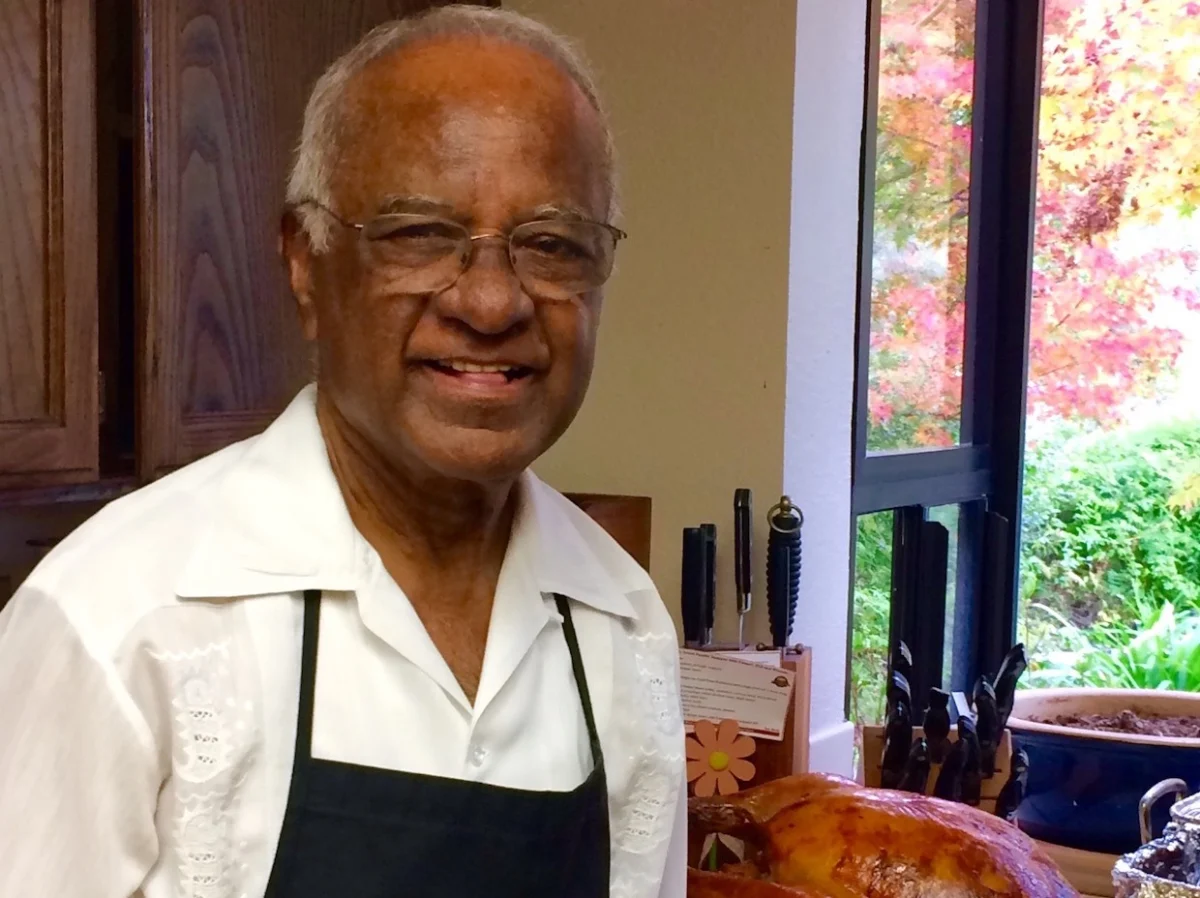
Dr. Joseph John, a transformative figure in the American specialty coffee landscape and a pioneer in elevating Indian-grown coffee, passed away on September 15th at the age of 88. A former nuclear physicist by training, Dr. John, affectionately known throughout the industry as "Dr. John," shifted his scientific acumen to the world of coffee, co-founding Josuma Coffee Company in 1992 with his wife, Urmila. Together, they embarked on a mission to introduce and champion the high-quality potential of Indian coffees to a United States market that had, for decades, largely overlooked the origin.
Born in Madurai, Tamil Nadu, India, in 1938, John’s early life was steeped in academic rigor. He earned bachelor’s and master’s degrees in physics, laying the foundation for a distinguished career. At the young age of 20, in 1958, he joined India’s nascent atomic energy program, a testament to his early engagement with cutting-edge scientific fields. His pursuit of knowledge led him to the United States in 1964, where he furthered his studies, culminating in a doctorate in nuclear physics from Florida State University in 1968. It was during his time at Florida State that he met Urmila, his future wife and business partner. The couple married in 1967, embarking on a journey that would eventually lead them to the intricate world of coffee.
Following his doctoral studies, Dr. John contributed to the nuclear industry, working for Gulf General Atomic, a significant entity in the evolution of nuclear technology. His career then transitioned into business and consulting, primarily in the dynamic San Francisco Bay Area. This period of diverse professional experience, however, was merely a prelude to his most impactful contribution: revolutionizing perceptions of Indian coffee.
The Accidental Entrepreneur: Forging a Path for Indian Coffee
Dr. John’s entry into the specialty coffee industry was, by his own admission, a serendipitous turn of events. In a 2012 interview with Fresh Cup magazine, he described his initial involvement as "really just sheer accident." An acquaintance with ties to an Indian coffee estate sought his assistance in finding American buyers for their beans. This unexpected connection sparked an idea, and alongside Urmila, he began to explore the possibilities. The couple officially established Josuma Coffee Company in 1992, driven by a vision to bridge the gap between high-quality Indian coffee producers and the discerning American specialty coffee market.
At the time of Josuma’s founding, the U.S. specialty coffee market was beginning to mature, with a growing interest in single-origin coffees and sophisticated roasting techniques. However, India, despite its long history of coffee cultivation, was not prominently featured. The prevailing perception often associated Indian coffee with commodity-grade robusta, overlooking the potential for nuanced, high-quality arabica and specialized robusta varietals. Dr. John, with his analytical mind and deep understanding of agricultural potential, saw an opportunity to change this narrative.
Josuma’s operational philosophy centered on building direct relationships with Indian coffee estates. This approach allowed them to meticulously select beans that met the stringent quality standards required by specialty roasters. Dr. John actively collaborated with growers and the Coffee Board of India, advocating for improved cultivation, processing, and quality control measures. This dedication was instrumental in enhancing the overall quality of Indian coffee available for export and significantly boosted the country’s presence in the U.S. market.
Barth Anderson, co-founder of Barrington Coffee Roasting Company, a prominent specialty coffee roaster, credited Dr. John with introducing him to the world of Indian specialty coffee in 1996. In a 2018 account of Indian coffee’s development, Anderson highlighted Dr. John’s profound influence on both American roasters and the coffee producers in India themselves. This personal testament underscores the tangible impact of Dr. John’s efforts in fostering a new appreciation for Indian coffee.
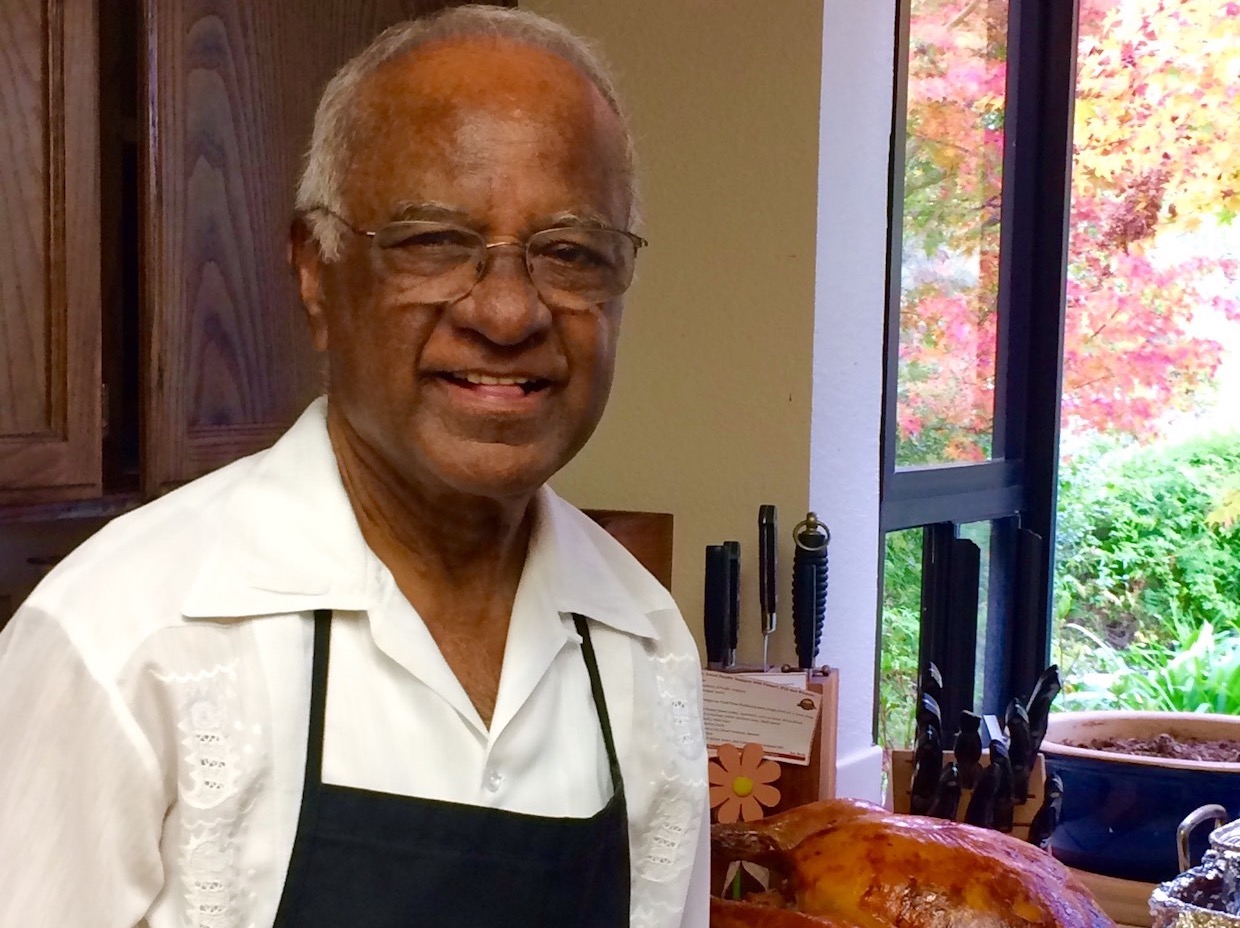
Malabar Gold Espresso: A Flagship Creation
One of Dr. John’s most enduring legacies is the development of Josuma’s signature Malabar Gold Espresso blend. Launched in 1996, initially as a demonstration of the remarkable potential of Indian beans in premium espresso, Malabar Gold Espresso quickly evolved into Josuma’s flagship offering. This blend, composed exclusively of Indian coffees, became a symbol of the quality and complexity that Indian beans could achieve. It challenged the conventional wisdom within the American specialty coffee industry, which often favored coffees from other origins for espresso.
Dr. John was also a vocal proponent for the inclusion of high-quality robusta beans in espresso blends. Historically, robusta was often relegated to lower-quality blends due to its perceived harsher flavor profile and higher caffeine content. However, Dr. John’s scientific approach allowed him to understand and articulate the unique attributes of well-processed Indian robusta, highlighting its potential for crema development, body, and a distinct flavor complexity that could complement arabica beans beautifully. His advocacy helped shift perspectives, encouraging roasters to explore the full spectrum of what robusta could offer in a well-crafted espresso.
A Legacy of Education and Scientific Rigor
Beyond his role as an importer and visionary, Dr. John emerged as a significant educator in the specialty coffee community. Beginning in the early 2000s, he dedicated himself to sharing his knowledge of espresso extraction and blending. He became a familiar and respected lecturer at industry events such as Coffee Fest, delivering insightful classes like "Espresso and Coffee: More Different Than You Think." His lectures were characterized by a rigorous, scientific approach, drawing parallels between his background in physics and the precise, often complex, science behind creating the perfect cup of coffee.
His written contributions further cemented his status as an authority. In 2008, he published a comprehensive two-part article on espresso blending in Roast magazine, a publication widely read by coffee professionals. This extensive work delved into the nuances of bean selection, roast profiles, and extraction parameters. His ultimate literary achievement was the 2023 book, Creating a Perfect Espresso, a culmination of his years of research, teaching, and practical experience. This book served as a definitive guide, consolidating his insights and making them accessible to a broader audience of baristas, roasters, and coffee enthusiasts.
A Lasting Impact and Family Continuity
Dr. John retired from active management of Josuma Coffee Company in 2017. However, his commitment to advancing coffee education and research continued unabated. In 2018, Josuma became an early and significant supporter of the UC Davis Coffee Center, a leading academic institution dedicated to coffee science and sustainability. The company’s dedication to this cause is recognized by a conference room within the center that now bears the Josuma name, a testament to their enduring commitment to the future of coffee.
The legacy of Josuma Coffee Company remains firmly rooted in family. The company is now owned and operated by Dr. John’s son, Melind John, and his daughter-in-law, Steph. They continue to uphold the principles of quality, direct sourcing, and innovation that Dr. John instilled.
Dr. Joseph John is survived by his devoted wife, Urmila, his son Melind, and his daughter-in-law Steph. His passing marks the end of an era for Indian specialty coffee and the broader espresso community. His scientific curiosity, dedication to quality, and passion for sharing knowledge have left an indelible mark, inspiring a new generation of coffee professionals to explore the vast and often untapped potential of coffee origins worldwide. The industry mourns the loss of a true pioneer, a brilliant mind, and a generous spirit who profoundly reshaped how the United States perceives and appreciates the coffee of India.
