

The intersection of rising grocery inflation and record-breaking summer temperatures has prompted a significant shift in domestic culinary habits, necessitating a move toward meal planning that prioritizes both economic efficiency and thermal management within the home. As households across the United States face the dual challenge of maintaining nutritional standards while managing tight budgets, culinary experts are highlighting the importance of "low-heat" cooking methods. These strategies are designed to provide high-quality, fresh meals without the energy expenditure or discomfort associated with operating heavy kitchen appliances during periods of extreme heat. The following analysis explores a curated selection of summer recipes developed and verified by the Nashville Test Kitchen, focusing on their economic impact, nutritional value, and practical application for families.

The Economic and Environmental Context of Summer Meal Planning
According to recent data from the Bureau of Labor Statistics’ Consumer Price Index, the cost of "food at home" has remained a primary concern for American consumers throughout the current fiscal year. While overall inflation has shown signs of stabilization, specific categories—particularly fresh produce and certain proteins—fluctuate seasonally. Summer presents a unique opportunity for cost savings through the utilization of peak-season produce, which is often priced lower due to high supply. Simultaneously, the U.S. Energy Information Administration has noted that home cooling costs represent a significant portion of summer utility bills. By adopting cooking methods that bypass the oven, such as grilling or cold-prep salads, households can effectively reduce the internal heat load of their residences, thereby lowering air conditioning demands.
The Nashville Test Kitchen, a facility dedicated to the development of accessible and affordable recipes, has addressed these challenges by testing a variety of dishes specifically designed for the summer months. Their methodology focuses on a three-pillar approach: cost per serving, ease of preparation, and "thermal footprint."
Chronology of Seasonal Culinary Shifts
The transition from spring to summer typically marks a shift in consumer preference from hearty, slow-cooked "comfort foods" to lighter, more vibrant fare.
- Late May to Early June: Consumers begin transitioning toward outdoor grilling as a primary cooking method to keep heat outside the home.
- July: As temperatures peak, there is a measurable increase in the consumption of "no-cook" meals, such as tuna and chicken salads, and a reliance on quick-fry options like patties.
- August: The focus shifts toward the utilization of late-summer harvests, including zucchini, tomatoes, and peppers, which reach their lowest price points during this window.
Strategic Protein Management and Outdoor Cooking
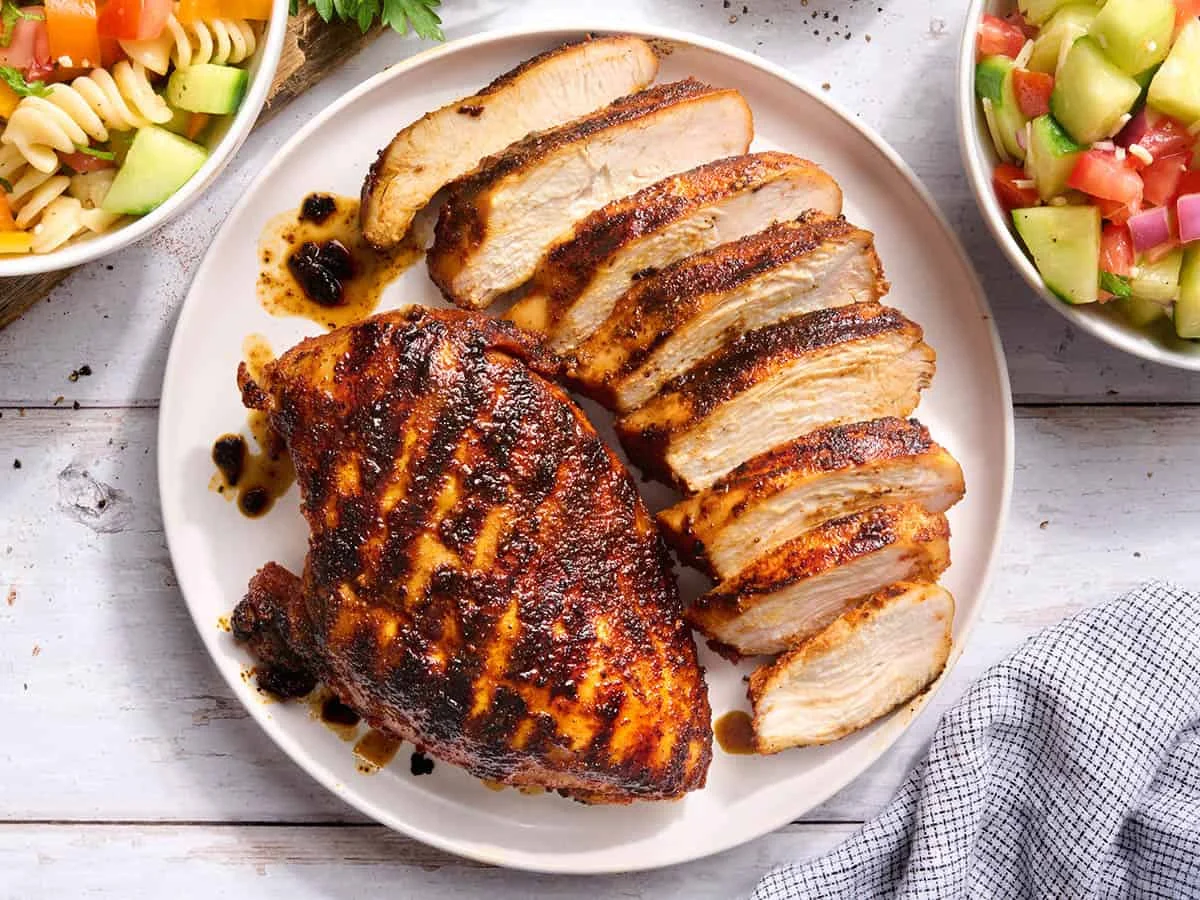
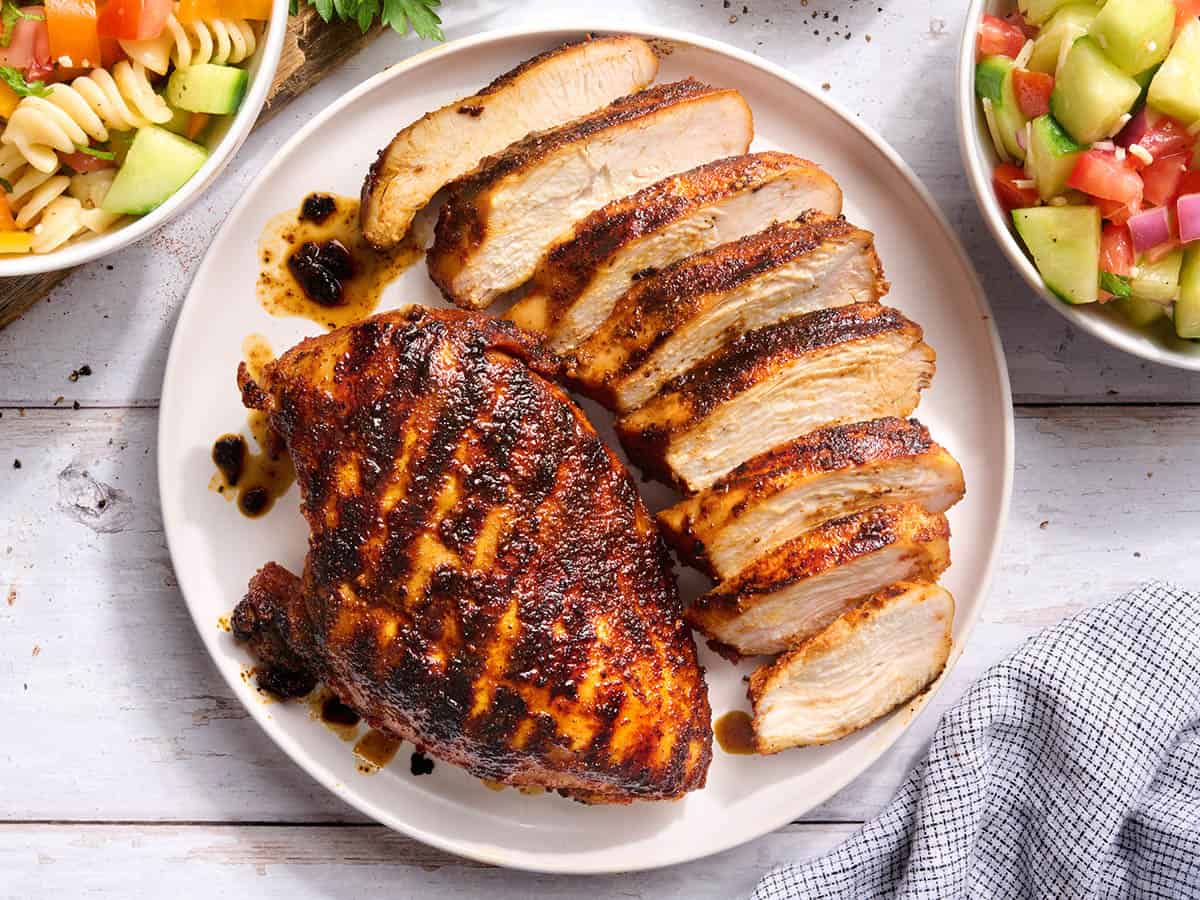
Central to the summer dining strategy is the effective use of proteins that can be prepared quickly or in bulk. The Nashville Test Kitchen emphasizes the "cook once, eat twice" philosophy, particularly with grilled chicken. By utilizing a brine—a solution of water, salt, and sugar—home cooks can ensure that large chicken breasts remain moist during high-heat grilling. Data suggests that brining not only improves texture but also increases the yield of the meat by preventing excessive moisture loss. Once grilled, these proteins can be repurposed into wraps, salads, and pasta dishes later in the week, reducing the total time spent in the kitchen.

Alternative proteins, such as ground turkey, have gained popularity as budget-friendly substitutes for beef. Turkey burgers, when fortified with binders like panko and flavor enhancers like soy sauce and Parmesan cheese, provide a lean, savory alternative that performs well on the grill. Economically, ground turkey often retails at a lower price point per pound than mid-to-high-grade ground beef, making it a staple for large family gatherings.
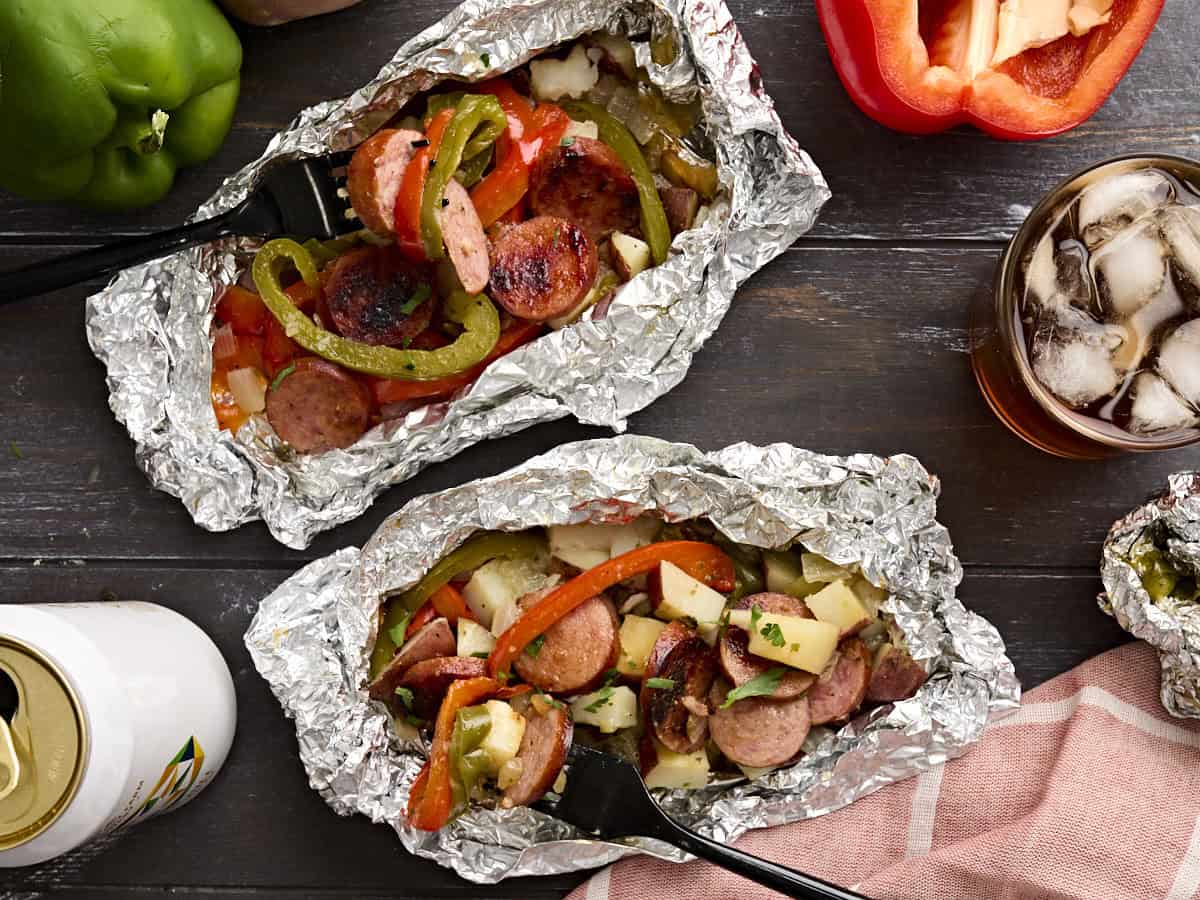
Furthermore, the "foil packet" method has emerged as a highly efficient technique for simultaneous cooking. By combining smoked sausage, potatoes, and peppers in a single foil enclosure, the entire meal is steamed and grilled concurrently. This method eliminates the need for multiple pots and pans, significantly reducing post-dinner cleanup and water usage.
The Evolution of the Dinner Salad
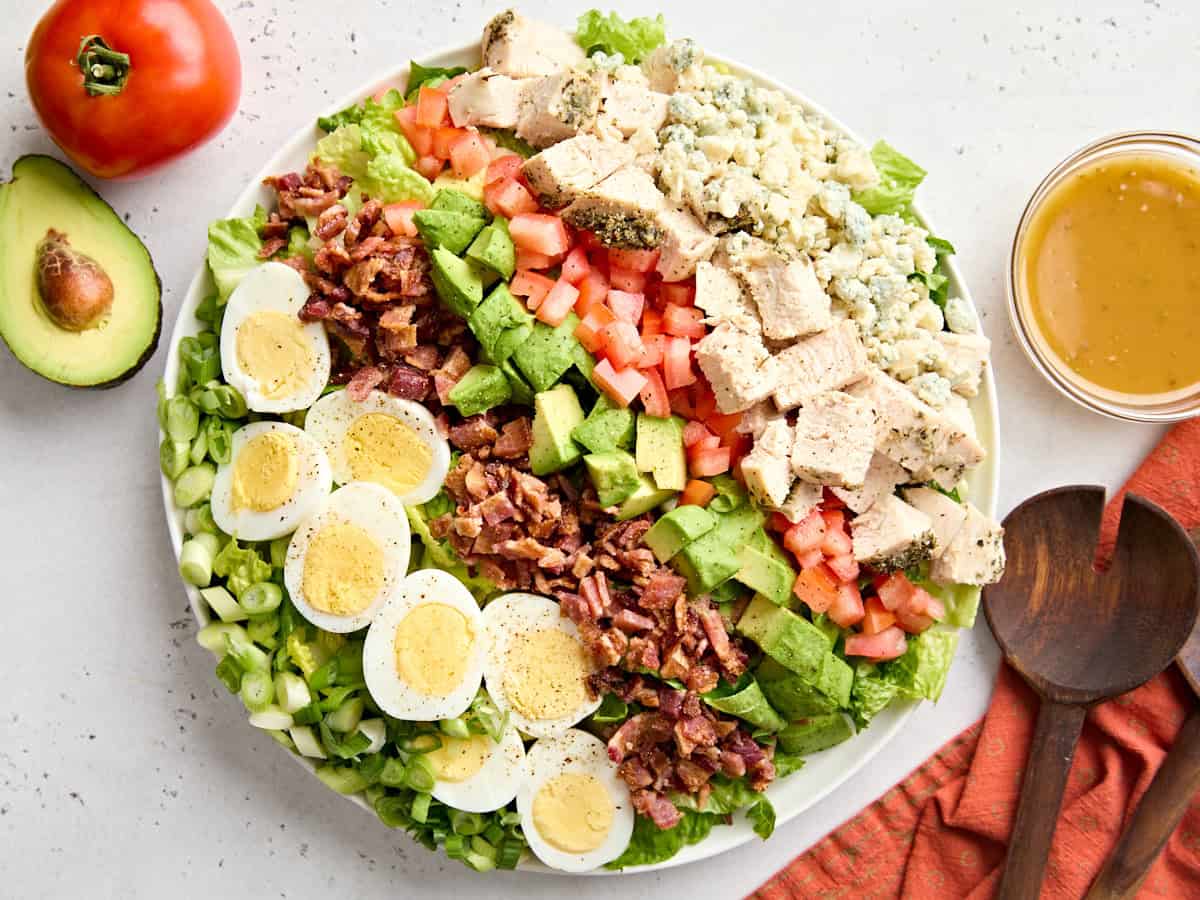
In the modern culinary landscape, the definition of a salad has expanded beyond simple greens to include nutrient-dense, protein-heavy meals. The Cobb Salad remains a hallmark of this category. By incorporating eggs, bacon, avocado, and chicken, it provides a complete macronutrient profile. Market analysis indicates that preparing a restaurant-quality Cobb Salad at home can save a family of four upwards of 60% compared to dining out, particularly when using rotisserie chicken or leftover grilled proteins.
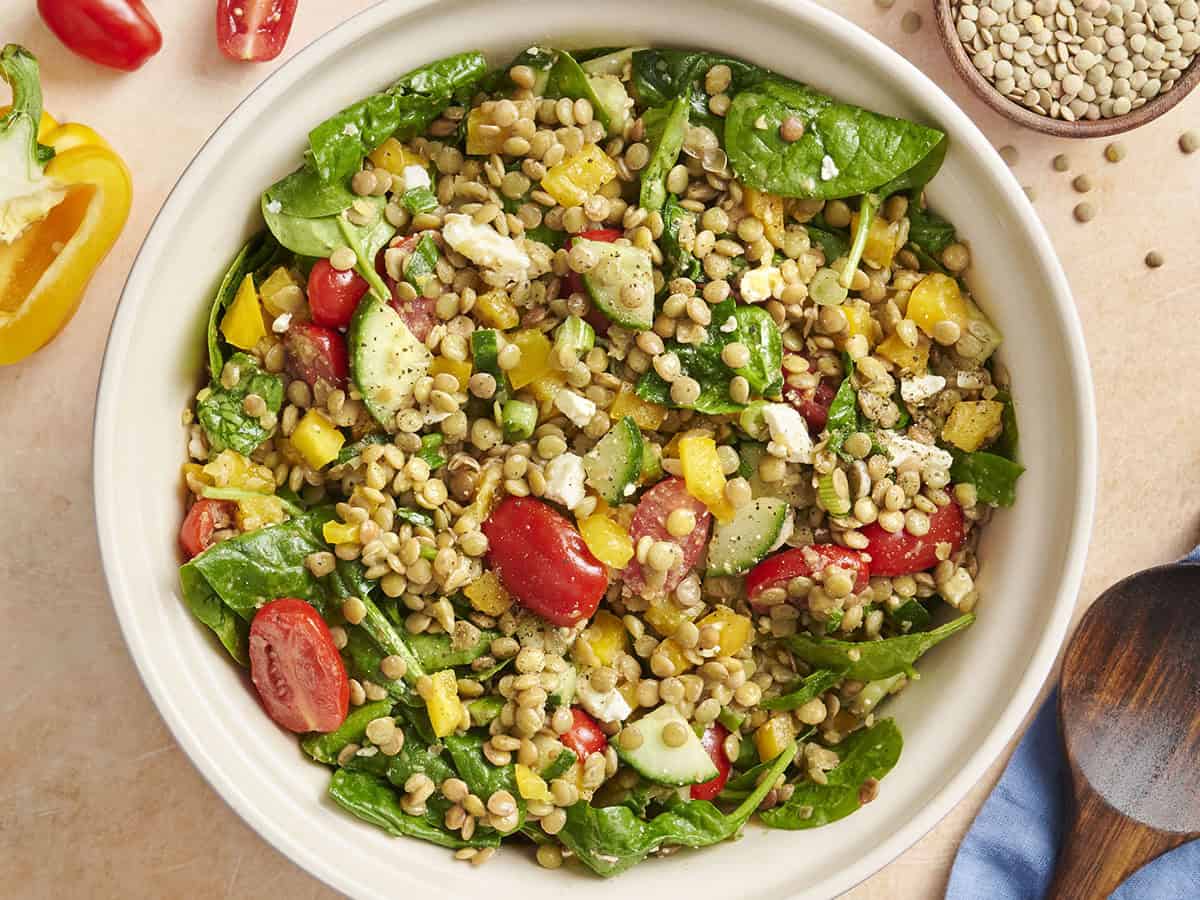
Plant-based proteins also play a critical role in summer budgeting. The Summer Lentil Salad is an example of high-efficiency dining. Lentils are among the most cost-effective proteins available on the market, offering high fiber and protein content with minimal fat. When paired with seasonal cucumbers and feta cheese, they provide a shelf-stable base that resists wilting, making it ideal for multi-day meal prep.
Cold-Prep and No-Oven Alternatives
When temperatures exceed 90 degrees Fahrenheit, the psychological and physical burden of cooking becomes a deterrent to healthy eating. Professional culinary educators, including Chef Jess Rice of the Nashville Test Kitchen, advocate for "light bites" that utilize pantry staples.
- Tuna and Salmon Patties: Utilizing canned seafood allows for a high-protein meal without the volatility of fresh seafood prices. These patties can be pan-fried in under 10 minutes, offering a crispy texture that satisfies cravings for fried foods without the heavy oil usage of deep-frying.
- Classic Salads: Tuna and chicken salads represent the pinnacle of no-heat cooking. By incorporating crunch through celery or walnuts and brightness through lemon juice, these dishes provide a refreshing temperature contrast to the external heat.
- Pasta Salads: The Summer Vegetable Pasta Salad serves as a primary vehicle for seasonal produce disposal. Utilizing squash, zucchini, and peppers that may be nearing the end of their shelf life, pasta salads are an effective tool for reducing food waste—a major contributor to household economic loss.
Regional Specialties and Seasonal Produce Utilization
The inclusion of Southern staples, such as Fried Green Tomatoes, highlights the importance of regional and seasonal eating. Green tomatoes, which are simply unripened red tomatoes, offer a tart flavor profile that, when coated in cornmeal and buttermilk, provides a unique seasonal delicacy. This utilization of produce in various stages of ripeness ensures that gardeners and consumers can maximize the output of the summer growing season.
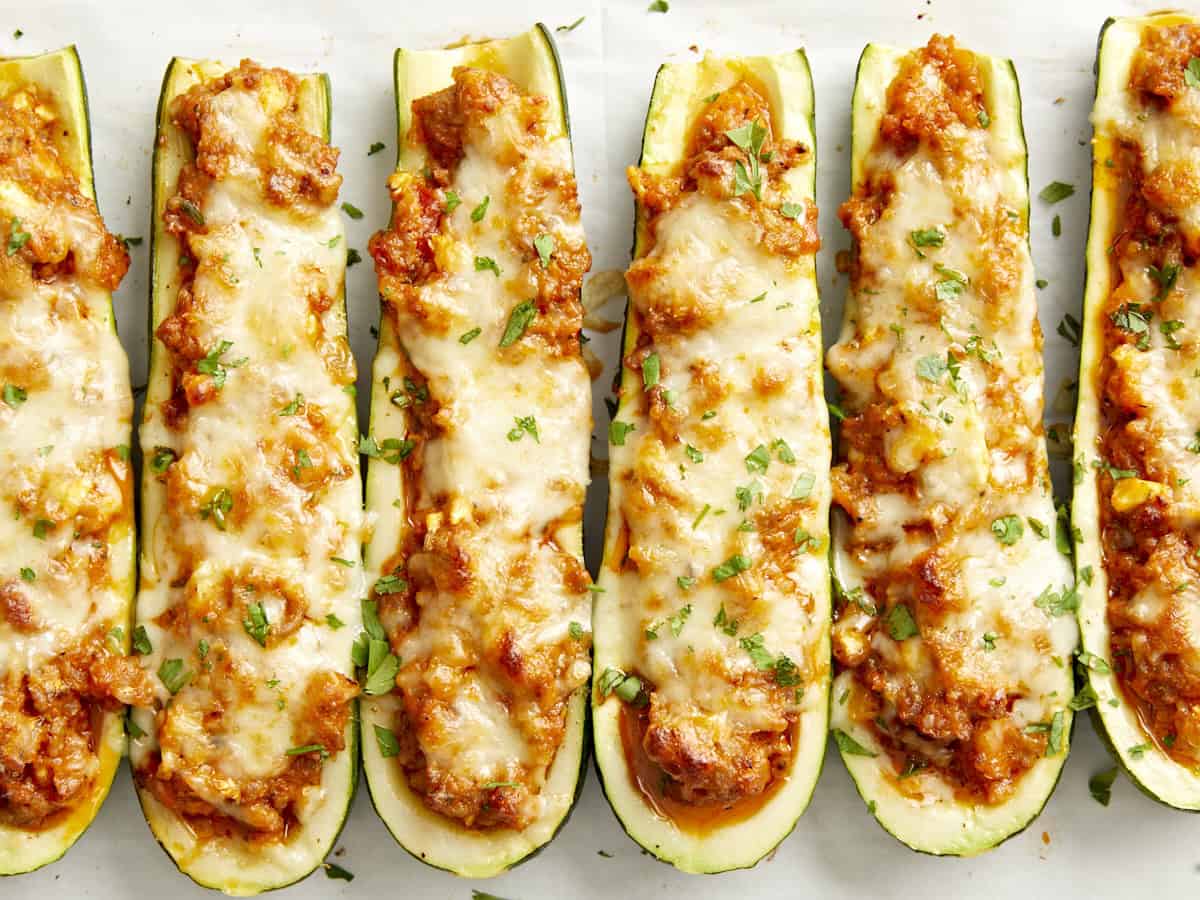
Similarly, grilled vegetables—comprising onions, mushrooms, squash, and peppers—transform low-cost produce into a smoky, nutrient-dense side dish or main course component. Grilling enhances the natural sugars in vegetables through caramelization, providing a flavor depth that requires minimal additional seasoning or expensive sauces.
Official Responses and Expert Analysis
Chef Jess Rice, a former Chef Professor at Niagara College and a veteran of the Nashville culinary scene, notes that the success of summer meal planning lies in flexibility. "Summer dinners have one job," Rice stated in a recent briefing. "To feed everybody well without making the cook feel like they are running a restaurant in 90-degree heat." Rice’s background as a private chef and restaurateur informs her focus on "rigorously tested" recipes that ensure affordability without sacrificing culinary excellence.
Experts in domestic science suggest that the "Nashville methodology"—testing recipes in high-humidity, high-heat environments—provides a realistic framework for the average American household. The emphasis on "Nashville-tested" recipes ensures that the cooking times and flavor profiles are calibrated for the equipment and conditions found in typical kitchens.
Broader Implications for Household Management
The adoption of these summer dining strategies has implications that extend beyond the kitchen. From a public health perspective, the emphasis on fresh vegetables and lean proteins aligns with USDA dietary guidelines, potentially mitigating the "summer slide" in nutritional quality often seen when families rely on fast food to avoid cooking.
From an economic standpoint, the ability to produce meals at a cost of approximately $1.00 to $2.50 per serving provides a significant buffer against the rising cost of living. As households continue to navigate an uncertain economic climate, the transition toward intentional, heat-efficient, and budget-conscious cooking is likely to become a permanent fixture of domestic life rather than a temporary seasonal adjustment.
In conclusion, the strategies outlined by the Nashville Test Kitchen—ranging from the logistical efficiency of foil packets to the economic stability of lentil-based salads—offer a comprehensive roadmap for summer dining. By leveraging seasonal produce, minimizing indoor heat production, and utilizing versatile proteins, households can maintain a high standard of living and nutritional health despite the challenges of the summer season.
