


Jodi Ettenberg, a former corporate attorney turned travel author and patient advocate, has concluded a landmark year in 2025, marked by significant contributions to medical literature, non-profit leadership, and specialized resources for the global celiac community. Despite facing severe physical limitations resulting from a chronic spinal cerebrospinal fluid (CSF) leak sustained in 2017, Ettenberg has successfully integrated her legal background with digital entrepreneurship to foster advancements in rare disease awareness and accessible travel. Her work throughout 2025 serves as a case study in the "expert patient" model, where individuals living with chronic conditions drive systemic changes in medical reporting and community support.
Evolution of the Legal Nomads Platform and the Impact of Chronic Illness
The trajectory of Ettenberg’s career shifted from a "lock-step" legal path to the creation of Legal Nomads, which initially launched as a travel blog in 2008. Over nearly two decades, the platform evolved into a business focused on the intersection of food, culture, and risk management—specifically for travelers with celiac disease. However, the onset of a spinal CSF leak in 2017 dramatically altered the scope of her work. A spinal CSF leak occurs when the dura mater, the tough membrane covering the brain and spinal cord, develops a hole or tear, allowing fluid to escape. This results in Spontaneous Intracranial Hypotension (SIH), a condition characterized by debilitating "orthostatic" headaches that worsen when upright and improve when lying down.
By 2025, Ettenberg’s physical reality became a "teeny tiny sliver" of her former travel-heavy lifestyle. Her productivity is now measured in "standing increments," a meticulous calculation of the seconds she can remain upright before neurological symptoms become overwhelming. This constraint has necessitated a shift toward a "supine-first" professional model, where complex advocacy and business operations are conducted primarily from bed. This shift reached a critical point in late 2024 when a physical accident unspooled her "leak baseline," requiring months of recovery and adaptation throughout the 2025 calendar year.
Leadership at the Spinal CSF Leak Foundation
A primary focus of Ettenberg’s 2025 portfolio was her elevation to the role of Board President of the Spinal CSF Leak Foundation. This 501(c)(3) non-profit organization is dedicated to reducing the suffering of persons affected by intracranial hypotension or spinal CSF leaks through education, research, and advocacy.
Under Ettenberg’s leadership, the Foundation underwent a rigorous restructuring process. One of the year’s most demanding projects involved the recruitment and hiring of a new Executive Director. Ettenberg managed a process that attracted over 130 applicants, requiring the development of standardized scoring metrics, interview protocols, and coordination with pro bono employment counsel. This administrative overhaul was designed to ensure the long-term sustainability of the organization’s research initiatives and patient support systems.
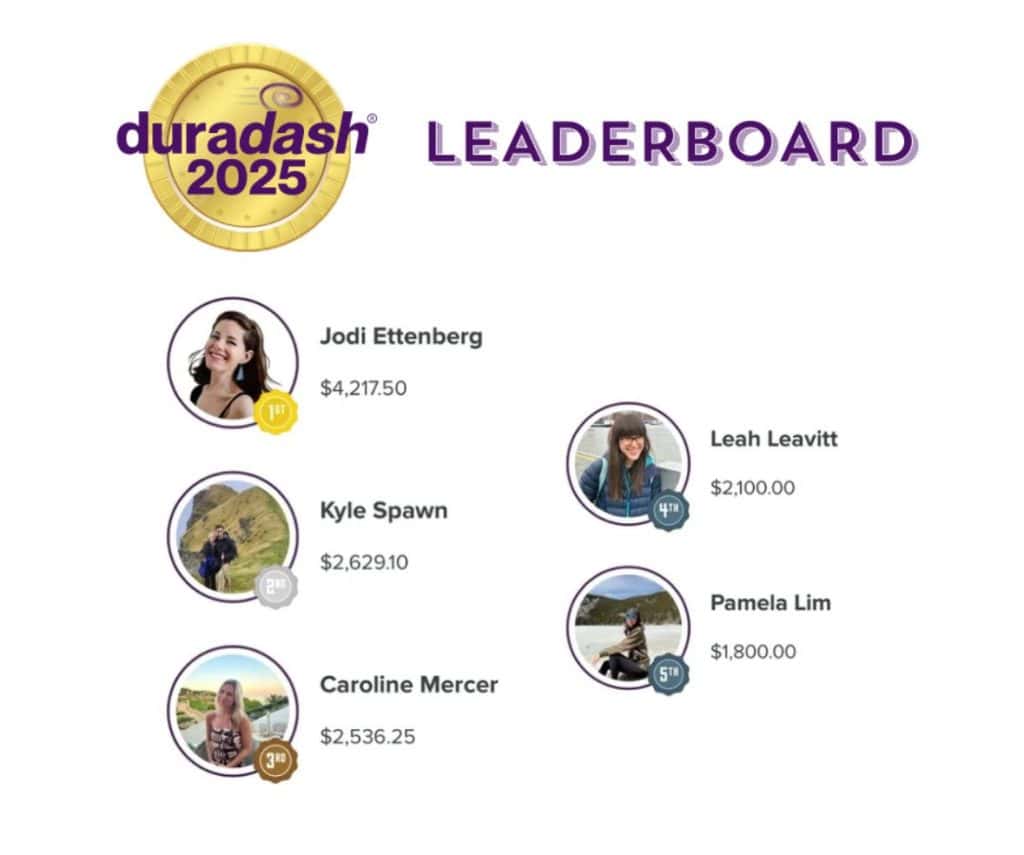
Furthermore, Ettenberg played a pivotal role in the execution of "leakweek," an annual awareness campaign that mobilizes the patient community to raise funds and educate the public about the diagnostic hurdles associated with SIH. In 2025, the community-led fundraising efforts spearheaded by Ettenberg’s network generated over $4,200 for the Foundation. These funds are typically allocated toward the launch of international patient registries and the funding of clinical trials aimed at improving diagnostic imaging.
Contributions to Medical Literature: The SIH-RADS Proposal
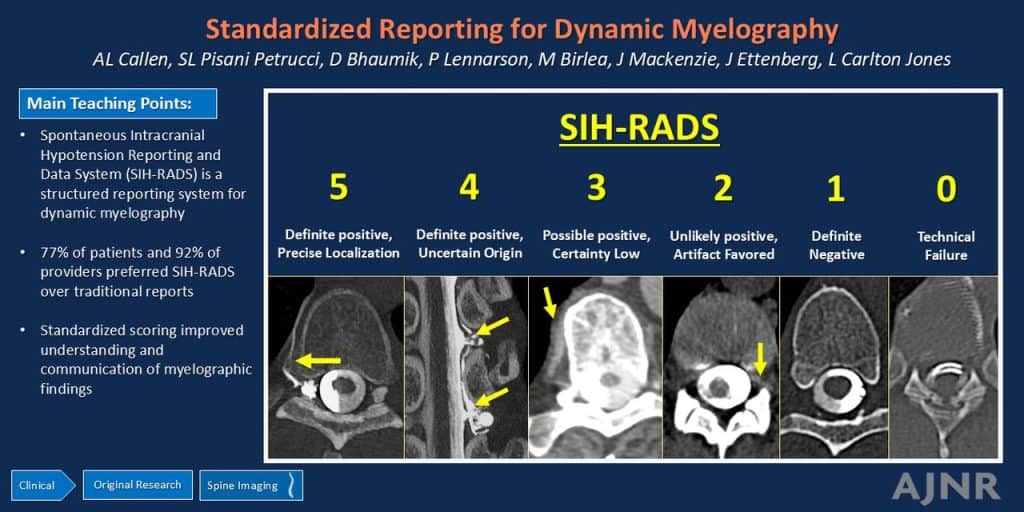
In a significant crossover between patient experience and clinical research, Ettenberg co-authored a research paper published in the American Journal of Neuroradiology (AJNR) in 2025. The paper, titled "Enhancing Clarity in Dynamic Myelography Reporting," proposes a new standardized reporting system known as SIH-RADS.

Dynamic myelography is a specialized diagnostic imaging test used to locate spinal CSF leaks. It involves injecting contrast dye into the spinal canal and scanning the patient in real-time as they are tilted or moved. The SIH-RADS (Spontaneous Intracranial Hypotension Reporting and Data System) aims to standardize how radiologists report these findings, thereby reducing ambiguity and improving the speed of diagnosis.
Ettenberg’s participation as a patient-author provided a unique perspective on how medical reports are interpreted by those receiving care. The study found that both physicians and patients preferred the SIH-RADS system over traditional reporting methods. This contribution highlights a growing trend in medicine where patients with specialized professional backgrounds (such as law or engineering) collaborate with clinicians to refine diagnostic tools and communication standards.
Expansion of Celiac Resources and Global Accessibility
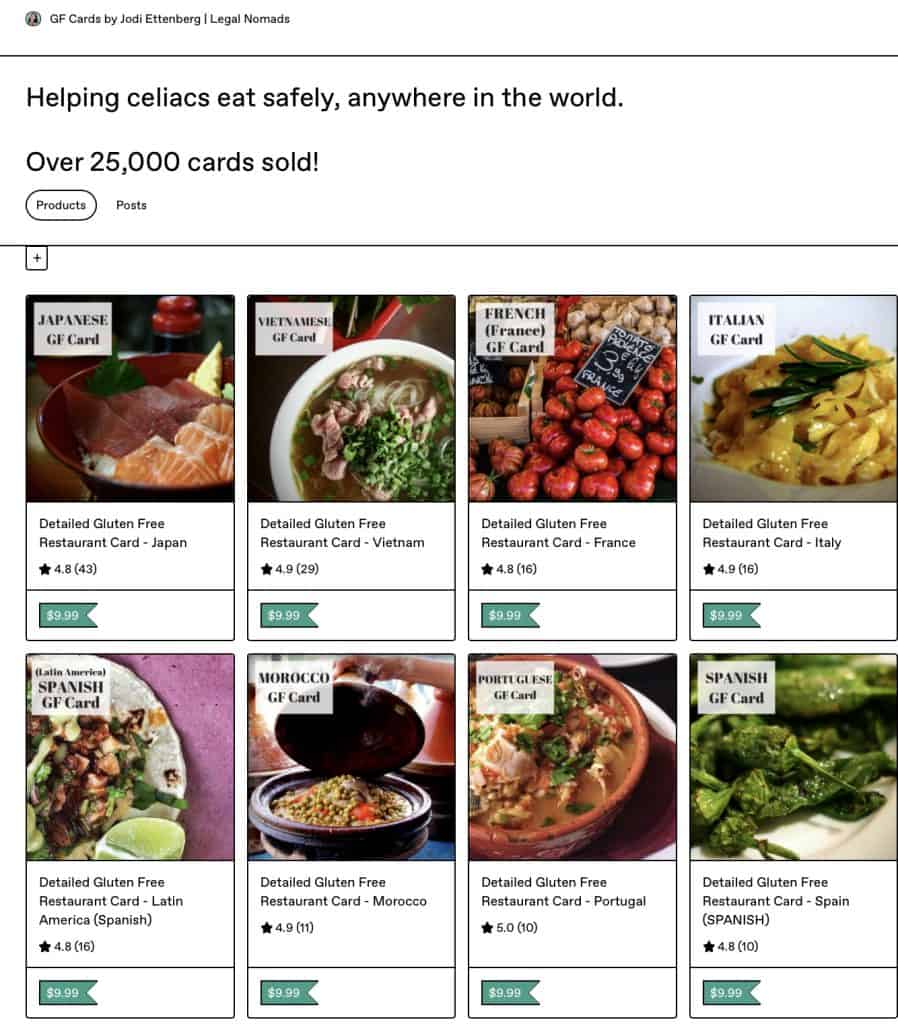
Parallel to her medical advocacy, Ettenberg continued to expand her commercial and educational resources for the celiac community. In 2025, she reached a milestone of 25,000 celiac translation cards sold. These cards are highly detailed documents designed to help travelers with celiac disease communicate their dietary needs to restaurant staff in foreign languages, focusing on the prevention of cross-contamination.
The year saw the addition of three new languages—Croatian, Korean, and Khmer—bringing the total offering to 21 languages. Additionally, Ettenberg published two comprehensive "Essential Gluten-Free Guides" for Cambodia and South Korea. These guides, ranging from 3,000 to 5,000 words, provide a deep dive into local ingredients, safe street foods, and regional dishes that are naturally gluten-free or pose a high risk of containing hidden wheat or barley.
The significance of these resources is underscored by the growth of the global gluten-free market, which is increasingly focused on the Asia-Pacific region. By providing free, high-quality data on local food systems, Ettenberg’s work addresses a critical information gap for medical travelers who must manage strict dietary requirements in environments where gluten-free labeling is not standardized.
Digital Media and Community Engagement
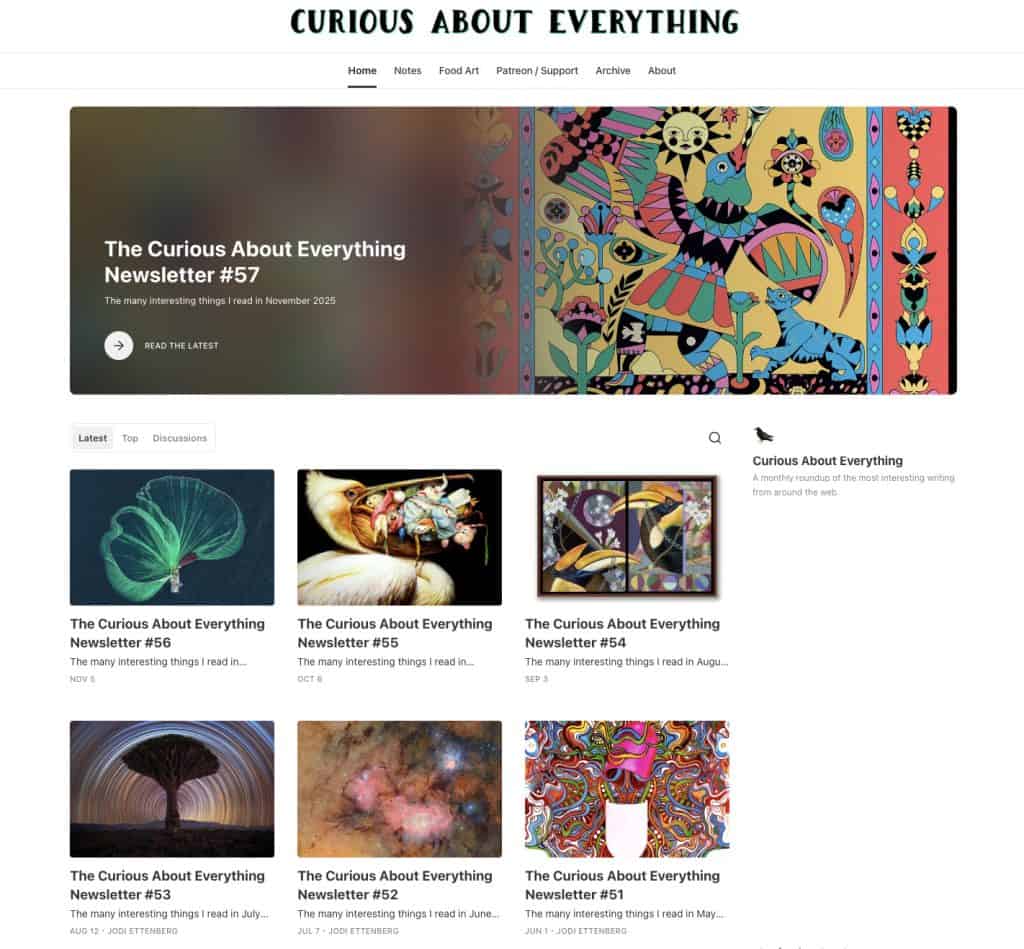
Ettenberg’s 2025 digital output remained consistent through her "Curious About Everything" (CAE) newsletter and her Patreon membership program. CAE, which reached its 57th edition in December 2025, serves as a monthly curation of diverse topics ranging from science and technology to art and philosophy. The newsletter serves as a strategic pivot from her original "Links I Loved" format, reflecting a more profound focus on intellectual curiosity as a coping mechanism for chronic illness.

The Patreon model adopted by Ettenberg is a "support-only" structure, which allows her to publish long-form essays and life updates as her health permits, without the pressure of rigid delivery schedules. This model has been cited by other creators in the chronic illness space as a sustainable way to maintain a professional presence while managing fluctuating physical capacity. In 2025, her Patreon content included retrospectives on her 10-year anniversary of a Vipassana meditation retreat and detailed analyses of the "barriers to care" in the rare disease landscape.
Public Speaking and Professional Recognition
Despite the physical challenges of public appearances, Ettenberg participated as a speaker at a medical conference in 2025, engaging in a "fireside chat" with Dr. Andrew Callen, a neuroradiologist from the University of Colorado. The discussion focused on the divergent perspectives of patients and physicians in the diagnostic process. This session was notable for its "raw and open" dialogue regarding the emotional and cognitive toll of navigating a healthcare system that often lacks specialized knowledge of spinal CSF leaks.

Additionally, Ettenberg was featured on "The Hearing," a legal podcast by Thomson Reuters. The interview explored her transition from a traditional legal career to her current role as an advocate. The discussion provided insights for legal professionals considering alternative career paths, emphasizing the transferability of legal analytical skills to non-profit management and medical advocacy.
Analysis of Broader Implications
The achievements of Jodi Ettenberg in 2025 illustrate a broader shift in the "gig economy" and "digital nomad" sectors. As the first generation of digital-first entrepreneurs faces aging and health challenges, the ability to pivot these platforms toward advocacy and specialized education becomes increasingly relevant.
Ettenberg’s work demonstrates that cognitive contributions can remain robust even when physical mobility is severely restricted. Her involvement in the SIH-RADS proposal and her leadership at the Spinal CSF Leak Foundation suggest that the future of rare disease advocacy lies in the integration of professional expertise (legal, administrative, or technical) with lived patient experience. This "integrated life" approach not only benefits the individual creator by providing purpose and community but also provides the medical and non-profit sectors with high-level skills that are often absent in purely volunteer-driven organizations.
As 2026 approaches, the frameworks established by Ettenberg—from standardized medical reporting to the "uptime" productivity model—provide a blueprint for how individuals with debilitating conditions can continue to exert significant influence on global health and accessibility.
