

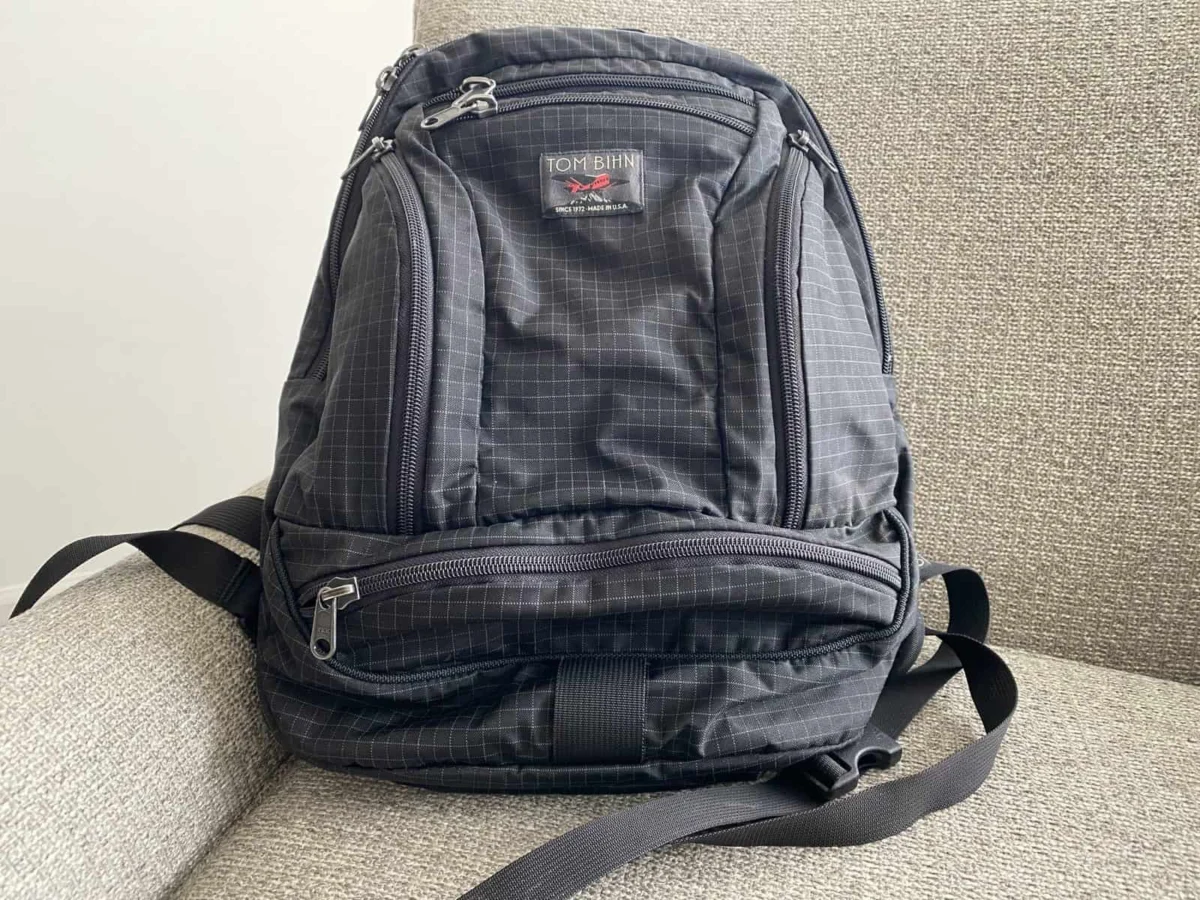
The recovery of personal property following a residential burglary is a statistically rare occurrence, particularly when the items have been missing for several years. However, a recent event in the Park Slope neighborhood of Brooklyn has defied these odds, as a backpack stolen during a high-stress medical crisis in 2017 was returned to its rightful owner after being discovered by a maintenance worker. The incident, involving a former attorney and travel writer, serves as a case study in the intersection of urban crime, the psychological impact of trauma, and the unexpected ways digital platforms facilitate the return of lost goods.
The 2017 Burglary: A Confluence of Medical and Criminal Events
The origins of this recovery date back to August 2017, a period of significant personal and physical upheaval for the victim, Jodi Ettenberg. While Ettenberg was at a New York City hospital undergoing a lumbar puncture—a procedure intended to diagnose medical issues but which ultimately resulted in a debilitating spinal fluid leak—the apartment where she was staying was breached.
Security footage from the residence provided a precise timeline of the event. At the exact moment medical professionals began the spinal tap, an unidentified intruder entered the Park Slope apartment. The burglar utilized a Tom Bihn Synapse daybag, belonging to Ettenberg, to consolidate stolen items from the premises. While high-value electronics, including a laptop, and various pieces of jewelry were taken, the perpetrator left behind Ettenberg’s Canadian passport and a small amount of currency on a sofa before fleeing the scene.
The psychological weight of this event was compounded by the medical complications that followed. The spinal tap led to a chronic condition that significantly altered Ettenberg’s mobility and career trajectory. For years, the stolen backpack remained a symbol of that pivotal night—a "liminal space" between her former life as a mobile, global traveler and her new reality as a person living with a chronic disability.
Discovery and the Role of Social Media Purgatory
The narrative shifted in late 2020 when a homeowner in Park Slope, located just doors away from the site of the original burglary, contracted a professional chimney cleaner. During the maintenance of the roof and chimney vents, the cleaner discovered the discarded backpack tucked into a vent. The bag had been exposed to the elements for over three years, enduring New York’s seasonal extremes of heat, snow, and rain.

Upon inspecting the contents, the homeowner found expired credit cards, business cards from travel industry events, and prescription eyewear. Recognizing the potential importance of the items, the resident attempted to contact the owner via Facebook. However, due to the platform’s "Message Requests" filtering system—often referred to by users as "message purgatory"—the communication went unnoticed for several weeks. It was not until early 2021 that Ettenberg discovered the message, which inquired if she had lost a bag in the area several years prior.
The delay in communication highlights a common issue in modern digital recovery efforts: the algorithmic filtering of messages from non-contacts. Despite these hurdles, the persistence of the Good Samaritan and the eventual discovery of the message by the recipient allowed for the initiation of the return process.
Chronology of Recovery and Restoration
The timeline of the backpack’s journey from theft to return provides a clear view of the duration and circumstances involved:
- August 2017: Burglary occurs in Park Slope, Brooklyn, while the owner is hospitalized.
- August 2017 – December 2020: The backpack remains hidden in a chimney vent on a nearby roof, exposed to the elements.
- December 2020: A chimney cleaner discovers the bag; the homeowner sends a Facebook message to the owner.
- January 2021: The owner discovers the filtered message and confirms the bag’s identity.
- February 2021: A close associate of the owner, a former legal colleague, retrieves the bag from the Park Slope resident.
- March 2021: The bag is cleaned, restored, and shipped to the owner, who has since relocated.
The items recovered were a mix of the mundane and the essential. While the high-value electronics remained missing, the bag still contained two pairs of prescription glasses. Though the frames were warped from three years of temperature fluctuations, they remained intact—a testament to the durability of the materials. Other items included hand lotion, over-the-counter medication, and a single blue die that did not belong to the original owner, suggesting the thief may have used the bag to store items from other thefts before discarding it.
Supporting Data: Burglary Trends and Recovery Statistics
To understand the context of this recovery, one must look at the broader landscape of property crime in New York City. According to data from the New York Police Department (NYPD) for the 78th Precinct, which covers Park Slope, burglary rates have fluctuated over the last decade. In 2017, the year of the theft, New York City saw a historic low in overall crime, yet residential burglaries remained a persistent challenge in affluent neighborhoods like Park Slope.
Statistical analysis of property recovery suggests that the likelihood of retrieving stolen goods drops significantly after the first 48 hours following a crime. Most stolen electronics are quickly "fenced" or sold for parts. The recovery of a soft-shell item like a backpack after more than three years is considered an outlier. According to criminal justice researchers, property found years later is almost always the result of it being discarded in inaccessible locations—such as rooftops, crawlspaces, or sewer grates—rather than being recovered through police investigation.

The durability of the bag itself played a role in the items’ survival. The Tom Bihn brand is noted in the travel community for using high-grade ballistic nylon. This material’s resistance to rot and UV damage likely protected the internal contents, such as the prescription glasses and credit cards, from complete degradation despite years of exposure to the New York climate.
The Psychological Impact of Returned Property
For victims of crime, the return of stolen property is not always a purely positive experience. Psychologists specializing in trauma note that the reappearance of objects associated with a traumatic event can trigger "memory flooding." For Ettenberg, the message from the Park Slope resident initially brought back the distressing emotions of the night she was disabled.
The process of "transmuting" these negative associations became a central theme of the recovery. A friend and former law school classmate, Cheryl, played a pivotal role in this transition. Upon retrieving the bag, Cheryl subjected it to a rigorous cleaning process and filled it with "llama-themed" gifts—a personal gesture intended to replace the bag’s "heavy" history with new, positive associations. This act of "llamafication," as it was termed, allowed the owner to view the object not as a remnant of a crime, but as a vessel of friendship and resilience.
Broader Implications and Final Disposition
The case concludes with a focus on the "circular economy" of personal goods and the power of community. Rather than keeping the bag, which had already been replaced by the manufacturer following the initial 2017 report, Ettenberg chose to gift the "miracle bag" to another friend. This decision was framed as an effort to move past the "transient space" of the trauma and allow the object to serve a useful purpose for someone else.
From a journalistic and sociological perspective, this story underscores several key points:
- The Persistence of Physical Evidence: In a digital age, physical objects still carry significant weight and can resurface in ways that challenge our understanding of closure.
- Community Vigilance: The proactive efforts of the Park Slope resident to track down a stranger via social media demonstrate the continuing importance of neighborly conduct in urban environments.
- The Limitations of Digital Platforms: The "Message Request" system on social media, while intended to prevent spam, can inadvertently hinder urgent or important real-world connections.
As property crime continues to be a point of discussion in urban policy, stories of recovery such as this one provide a rare look at the long-term aftermath of a burglary. While the legal system rarely provides such a tidy conclusion to a "cold case," the intersection of human kindness and high-quality manufacturing occasionally allows for a symbolic victory over criminal disruption. For the owner, the return of the bag marked the end of a long chapter, offering a sense of healing and a reminder of the "outlier of possibilities" that define the human experience.
