

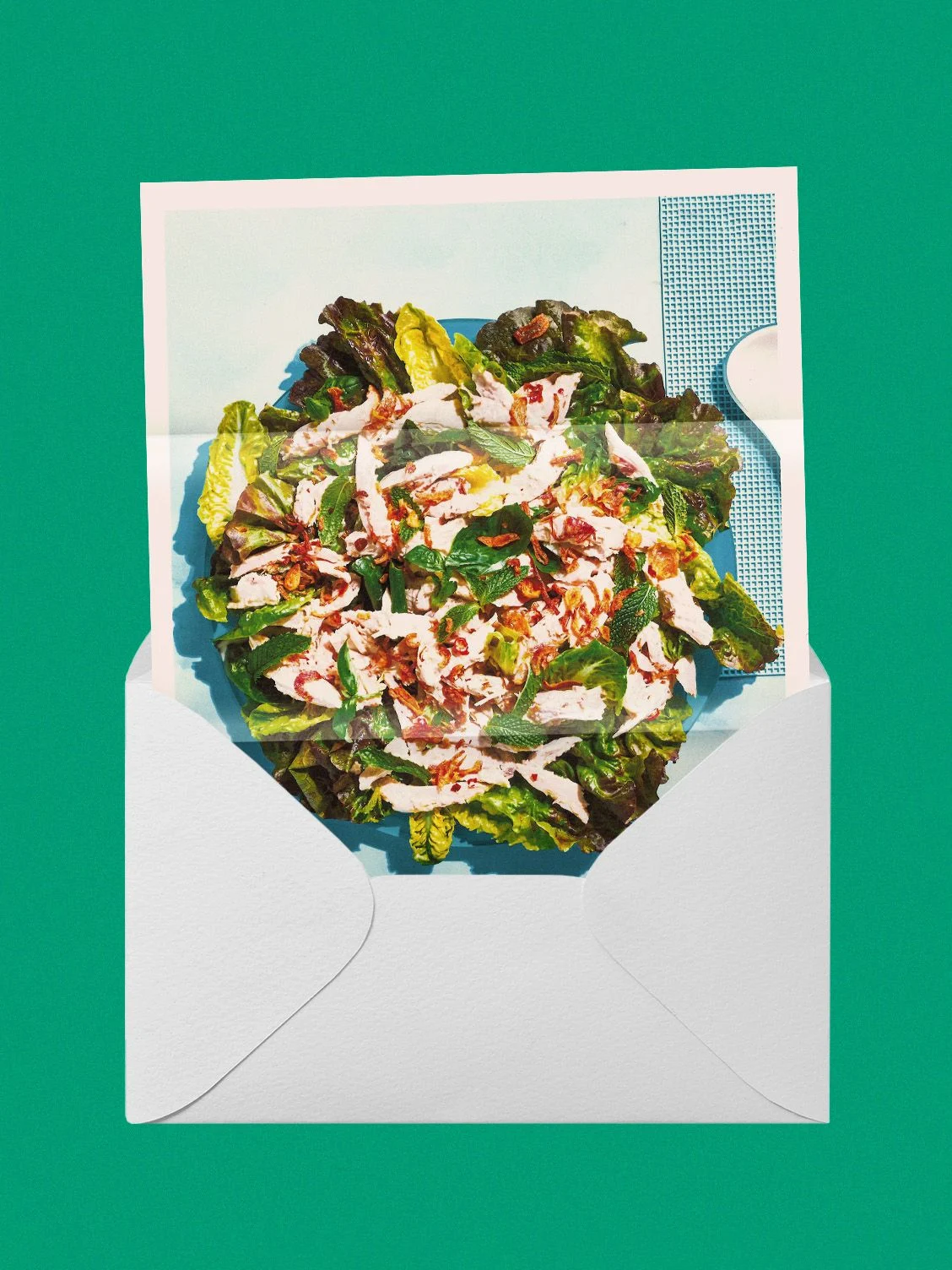
The widespread shift back to in-office work, a significant reversal from the remote-first policies adopted during the pandemic, has presented a new set of challenges for employees, particularly concerning daily meal planning. As companies increasingly mandate a return to physical workspaces, often requiring attendance four days a week or more, many professionals are grappling with the practicalities and financial implications of their midday meals. The convenience of a home kitchen, which allowed for spontaneous and cost-effective lunch preparation, has been replaced by the need for structured meal planning, leading to a surge in daily lunch purchases and a noticeable strain on personal finances. This phenomenon underscores a broader adjustment period as the corporate world recalibrates to a hybrid or fully in-office model.
The Great Return: A Post-Pandemic Chronology
The onset of the COVID-19 pandemic in early 2020 rapidly accelerated the adoption of remote work, transforming millions of home kitchens into de facto office cafeterias. For nearly three years, employees enjoyed unprecedented flexibility, preparing meals from their pantries, utilizing leftovers, or simply stepping away from their desks for a quick, homemade bite. This era fostered new habits, with many experiencing improved dietary control and significant savings on food costs. Data from various economic surveys indicated a sharp decline in restaurant lunch sales in business districts during this period, directly correlating with the rise of remote work.
However, starting in late 2022 and gaining momentum throughout 2023 and into 2024, a growing number of corporations began issuing return-to-office (RTO) mandates. Driven by desires to foster company culture, enhance collaboration, and justify significant real estate investments, these policies have seen employees transition from fully remote to hybrid or predominantly in-office schedules. Major tech firms, financial institutions, and professional services companies have been at the forefront of this movement, often citing productivity and innovation as key motivators. While some employees welcomed the return to office camaraderie, many found the abrupt shift disruptive, particularly regarding their established routines and financial planning. The commute, childcare logistics, and, crucially, the daily lunch dilemma quickly emerged as primary pain points. A recent query submitted to Bon Appétit’s "Dear Bon Appétit" column encapsulates this widespread sentiment, with an individual lamenting the financial burden of daily purchased lunches after years of remote work, highlighting a common struggle among the returning workforce.
The Financial and Nutritional Implications of the Lunch Dilemma
The financial impact of purchasing lunch daily is substantial. According to a 2023 survey by LendingTree, Americans spend an average of $2,300 annually on lunch, a figure that can easily exceed $3,000 for those in major metropolitan areas or those opting for higher-end options. For an employee required to be in the office four days a week, this translates to approximately $15-$20 per meal, or $60-$80 weekly, significantly impacting discretionary income. In contrast, preparing meals at home can reduce this cost by 50-70%, offering substantial savings over a year.
Beyond the financial strain, the nutritional quality of regularly purchased lunches is a significant concern. While office-adjacent eateries offer variety, they often feature options higher in sodium, unhealthy fats, and refined carbohydrates, and lower in fiber and essential nutrients, compared to home-cooked meals. This can contribute to issues such as midday energy slumps, weight gain, and long-term health risks. A balanced, high-protein lunch, as requested by the aforementioned employee, is crucial for sustained energy, satiety, and cognitive function throughout the workday. The challenge, therefore, lies in identifying convenient, cost-effective, and nutritious meal solutions that fit into a busy commuter’s schedule.
Strategic Meal Preparation: A Core Solution
Addressing the dual challenges of cost and nutrition, culinary experts and dietitians universally advocate for strategic meal preparation as the most effective solution for office workers. This approach prioritizes planning and efficiency, leveraging weekend time for batch cooking and smart grocery shopping to minimize daily effort. The goal is to bridge the gap between expensive, often less healthy, purchased meals and the overwhelming prospect of elaborate daily cooking. By focusing on versatile ingredients and adaptable recipes, employees can create a repertoire of low-fuss, high-protein lunches that are both satisfying and budget-friendly. This strategy not only alleviates financial pressure but also empowers individuals to maintain greater control over their dietary intake, promoting better health outcomes and sustained energy levels throughout the workday.
Effortless Assemblies: The Power of Make-Ahead Salads
One of the most robust categories for convenient office lunches involves "so-called salads"—protein-rich mixtures that can be prepared in advance and assembled quickly. These dishes are celebrated for their versatility, nutritional density, and ability to remain fresh for several days when stored correctly. The key principle here is to create the core mixture over the weekend, leaving minimal effort for the busy workweek mornings.
-
Classic Egg Salad: A perennial favorite, egg salad offers a substantial protein boost and incredible versatility. A basic recipe typically involves hard-boiled eggs, mayonnaise, mustard, and seasonings. To elevate it for a professional setting, incorporating finely chopped scallions (utilizing both the white and green parts for oniony depth and fresh herbaceousness) and a dash of hot sauce for a subtle kick can transform it. The use of pre-boiled eggs, readily available in many grocery stores, further streamlines the preparation process, making it an ideal candidate for batch cooking. This mixture can be packed with crisp lettuce cups (such as Little Gems or butter lettuce), served with seedy crackers, or sandwiched between slices of whole-grain bread with romaine and a slice of cheddar or pepper Jack cheese for added flavor and texture.

-
Dynamic Chicken Salads: Leveraging pre-cooked chicken is a game-changer for speed and convenience. Rotisserie chickens are an excellent starting point, providing succulent, seasoned meat with minimal effort. For those seeking even greater convenience, some retailers now offer pre-shredded cooked chicken.
- Red Curry Chicken Salad: This variant introduces an aromatic, savory, and slightly spicy profile. Shredded chicken is combined with a red curry paste-infused dressing, often incorporating ingredients like coconut milk, lime juice, and fresh herbs. It offers a sophisticated flavor profile that stands out from typical chicken salads.
- Nuoc Cham Chicken Salad: Drawing inspiration from Vietnamese cuisine, this option features a vibrant, tangy, and savory dressing made with nuoc cham (Vietnamese dipping sauce), chili, and lime. Both curry and nuoc cham chicken salads benefit from additions like crunchy vegetables (celery, bell peppers), toasted nuts, or even store-bought crispy fried onions for an extra layer of texture. These salads provide a lean protein source and can be enjoyed in similar formats to egg salad.
-
Versatile Smashed Chickpea Salad: For vegetarian or plant-forward diets, smashed chickpea salad offers an equally satisfying and protein-packed alternative. Starting with canned chickpeas, which require no cooking, this recipe is highly adaptable. The chickpeas are lightly mashed, then mixed with a base of mayonnaise or a plant-based alternative, and can be customized with a wide array of ingredients. Suggested additions include chopped peperoncini for a tangy, briny note, capers for salinity, and finely minced celery and onion for crunch and pungency. The beauty of this template lies in its flexibility, allowing individuals to incorporate whatever fresh or pickled vegetables they have on hand, ensuring minimal waste and maximum flavor customization. Pinto beans can also be used for a different textural and flavor profile, resembling the richness of dark-meat chicken.
Vibrant and Nutrient-Dense Bowls: The "Actual Salads" Approach
Beyond the "so-called" assemblies, creating substantial, nutrient-dense salads offers another excellent strategy for in-office lunches. These salads often feature a diverse array of textures and flavors, making them feel like a genuinely nourishing and satisfying meal. The key to successful salad prep for the office is to store components separately to prevent sogginess and allow for day-of assembly.
-
Green Goddess Harvest Salad: This robust salad is a testament to the power of thoughtful ingredient combination. It typically features roasted tofu and sweet potatoes, providing complex carbohydrates and plant-based protein, alongside ruffly kale for texture and nutrients. The crowning glory is a powerfully herby green goddess dressing, rich in fresh herbs, yogurt or tahini, and often a touch of citrus. By roasting the tofu and sweet potatoes over the weekend and preparing the dressing in advance, the daily task becomes a simple matter of combining the components in a lunch container. This ensures that the kale remains crisp and the roasted elements retain their texture, offering a "salad bar" experience at your desk.
-
Super Seedy Kale Salad: A wholesome and deeply satisfying salad that doesn’t necessarily require a protein topper, though it welcomes one (leftover chicken, salmon, or beans are excellent additions). This salad typically focuses on massaged kale as its base, combined with a medley of seeds (e.g., pumpkin, sunflower, sesame, chia) for crunch and healthy fats. The standout feature is often a creamy almond butter dressing, which provides a rich, nutty, and slightly sweet counterpoint to the bitterness of kale. Readers consistently praise this recipe for its ease of preparation, excellent flavor, and ability to hold up well when prepped, making it a reliable choice for multiple lunches throughout the week. Its high fiber and healthy fat content contribute to sustained satiety.
-
Spiced Lentil and Carrot Salad: This "French-ish" salad combines the earthy goodness of lentils with the sweetness and crunch of shredded carrots. Lentils, particularly French green or Puy lentils, are an excellent source of plant-based protein and fiber, and they hold their shape well after cooking. The salad is often dressed with a bright apple cider vinaigrette, allowing the flavors to meld and deepen over time in the refrigerator. This characteristic makes it an ideal make-ahead option, as it actually becomes tastier after a day or two. To enhance its nutritional profile and flavor, a dollop of Greek yogurt or crumbled feta cheese can be added just before serving, providing additional protein and a creamy or salty counterpoint.
The Leftovers of It All: Reinventing Dinner for Lunch
While perhaps not the most glamorous aspect of meal planning, leveraging dinner leftovers is undeniably the most straightforward path to a packed lunch. However, merely reheating last night’s dinner can sometimes lead to culinary fatigue. The secret to making leftovers appealing for lunch lies in transformation and strategic enhancement. Instead of viewing leftovers as a direct replication of dinner, consider how they can be reimagined into a fresh, distinct midday meal.
-
Transforming Roasted Cauliflower: If dinner included a hearty Roasted Cauliflower Salad With Feta and Dates, instead of simply reheating it, consider tucking the cooled mixture into a pita bread with a generous smear of Greek yogurt or store-bought hummus. This creates a new textural experience and adds a refreshing element.
-
Reimagining Spicy Stir-Fries: Leftover Pad Kra Pao, a spicy Thai basil stir-fry, can be cleverly repurposed. Toss the flavorful ground meat with instant noodles (prepared quickly in the office kitchenette) and add some crisp, thinly sliced cucumber on top. This transforms the dish into a noodle bowl, offering a different presentation and often making it more palatable as a cold or lightly reheated lunch.
.jpg)
-
Elevating Glazed Salmon: A leftover portion of Hot Honey–Glazed Salmon can be mashed with a touch of mayonnaise and a splash of rice vinegar to create a quick salmon salad. This can then be served with crackers and crunchy raw vegetables like bell pepper strips or cucumber rounds, offering a lighter, refreshing alternative to a reheated fish dish.
The overarching principle for leftover transformation is to introduce new textures, fresh components (herbs, raw vegetables), or different flavor profiles (a new dressing, a squeeze of citrus) that elevate the original dish into something new and exciting for lunch. Investing in durable, leak-proof food storage containers is essential for safely transporting and storing these reimagined meals.
The Emergency Backup Plan: Desk-Stashed Staples
Despite the best intentions and meticulous meal prep, there will inevitably be days when life intervenes, and packing a lunch becomes impossible. For these moments, having an emergency backup plan can prevent an impulsive and costly takeout order. The humble canned soup, often overlooked, emerges as a surprisingly effective solution.
Modern canned soups, particularly organic and low-sodium varieties, have evolved significantly. Many are packed with vegetables, legumes, and grains, offering a nutritious and convenient meal. The key advantage is their shelf stability, allowing them to be stored in a desk drawer for months, ready for a moment’s notice. A good quality lentil vegetable soup, for instance, provides a hearty dose of protein and fiber. These can be easily microwaved in an office kitchenette, offering a warm and comforting meal without leaving the building. Other non-perishable options could include instant oatmeal packets, protein bars, or shelf-stable tuna or salmon pouches, which can be combined with crackers for a quick, balanced snack or light meal. Having these staples on hand offers peace of mind and acts as a crucial safety net against unplanned expenses and less healthy food choices.
Broader Implications: Employee Well-being and Corporate Responsibility
The lunch dilemma, while seemingly a minor individual concern, reflects broader implications for employee well-being, productivity, and even corporate culture in the post-pandemic era. Companies implementing RTO mandates are increasingly recognizing the need to support their workforce through this transition. While providing free lunch programs is one solution adopted by some larger corporations, it’s not universally feasible. Therefore, empowering employees with practical, sustainable strategies for meal management becomes a critical aspect of fostering a supportive work environment.
By addressing the financial and logistical hurdles of daily office lunches, employers can indirectly contribute to improved employee morale, reduced stress, and enhanced productivity. Employees who consume balanced, home-prepared meals are generally more focused, experience fewer energy dips, and maintain better overall health. Furthermore, promoting sustainable meal practices, such as reducing reliance on single-use takeout containers, aligns with broader corporate social responsibility goals related to environmental impact. The ability to manage daily meals effectively is not just a personal convenience; it is a foundational element of employee wellness in the evolving landscape of work.
In conclusion, the return to office mandates has undeniably reshaped daily routines, thrusting the lunchtime decision back into the forefront of employee concerns. However, by embracing strategic meal preparation, reimagining leftovers, and having convenient backups, individuals can navigate this transition effectively. These practical culinary strategies not only offer significant financial savings and improved nutritional intake but also contribute to a more balanced and sustainable approach to professional life in the new normal. The journey back to the office kitchen, even if it’s just for packing a lunch, is a crucial step towards reclaiming control and fostering well-being.
