

Baked potatoes may not seem like a dish that requires much technique, often perceived as a straightforward side, yet the distinction between a merely acceptable baked potato and an truly exceptional one lies in a nuanced understanding of culinary science and practiced methodology. This seemingly humble root vegetable, a staple across countless cultures, transforms under specific conditions, revealing a complexity that belies its simplicity. Far from a mere calorie source, the potato holds a significant place in human history, nutrition, and gastronomy, with its preparation techniques evolving over centuries to achieve desired textures and flavors. Modern culinary experts and food scientists continue to refine these methods, elevating the baked potato from a basic accompaniment to a dish worthy of meticulous attention.
The Quest for the Crispy Skin: A Maillard Reaction Masterclass
One of the most debated aspects of baked potato preparation revolves around achieving the coveted crispy skin. Traditional methods often involve wrapping potatoes in aluminum foil, a practice that, while yielding a tender interior by trapping moisture, simultaneously sacrifices the skin’s potential for crispness. The foil creates a steaming environment, preventing the necessary dehydration and browning reactions that define a truly superior exterior.
For optimal crispness, culinary consensus, backed by principles of heat transfer and chemical reactions, dictates baking potatoes directly on the oven grate at a relatively high temperature. This direct exposure to circulating hot air facilitates the evaporation of surface moisture, which is crucial for crisping. Temperatures typically range from 400°F (200°C) to 450°F (230°C), providing the intense heat required for rapid dehydration and the Maillard reaction. This complex chemical reaction, occurring between amino acids and reducing sugars at high temperatures, is responsible for the potato skin’s golden-brown color, distinctive aroma, and characteristic savory flavor. To further enhance this effect, rubbing scrubbed russet potatoes with a thin layer of vegetable oil—such as canola, grapeseed, or sunflower oil—and seasoning generously with salt before baking is a recommended technique. The oil aids in heat transfer, promotes browning, and contributes to a crispier texture, while salt not only seasons but also helps draw out moisture from the surface. The result is a skin that can achieve a texture akin to a potato chip, offering a delightful textural contrast to the soft interior.
The Fluffy Interior: A Scientific Standard of Perfection
Surprisingly, the pursuit of a crispy exterior does not compromise the desired fluffy interior; rather, it complements it. The key to a light and airy texture inside the potato lies in achieving a specific internal temperature. Food science dictates that the potato’s internal temperature must reach at least 212°F (100°C), the boiling point of water. At this temperature, the water within the potato’s cells turns to steam, causing the starch granules to swell and burst, transforming the dense potato flesh into a light, fluffy mass.
Monitoring the internal temperature of a potato might seem unconventional, more commonly associated with cooking meats, but it represents a fail-safe route to consistently enjoyable results. Culinary thermometers, widely available and inexpensive, provide precision that eliminates guesswork. Inserting a thermometer into the thickest part of the potato ensures that the core reaches the critical temperature, guaranteeing optimal starch gelatinization and steam production. Without reaching this threshold, the potato’s interior can remain dense, waxy, or even undercooked, significantly diminishing the overall experience. This scientific approach underscores that even seemingly simple dishes benefit from precise measurements and an understanding of the underlying physical and chemical processes.
The Ritual of Opening: A Culinary Conundrum
Once perfectly baked, the method of opening a potato becomes another point of contention among culinary aficionados, with various techniques proposed to optimize texture and presentation. The Idaho Potato Commission, a prominent authority on potato cultivation and preparation, advocates for a specific method: eschewing a knife in favor of a fork to gently poke a plus sign (+) into the surface. The rationale behind this technique is often cited as minimizing compression of the fluffy interior, allowing steam to escape gently and preserving the airy texture. The commission’s long-standing recommendations are rooted in decades of research and consumer feedback, aiming to standardize practices for achieving optimal potato quality.
Conversely, some esteemed food writers and chefs propose more unconventional approaches. Beloved British food writer Nigel Slater, known for his evocative and sensory descriptions of food, suggests a more assertive method. In a piece for The Guardian, Slater advises striking the potato with a swift, sharp hand motion, akin to a martial arts chop, but with controlled force designed only to crack open the skin. This dramatic technique, while perhaps daunting to the novice baker, is believed by its proponents to create a more dynamic opening, allowing for a dramatic release of steam and an immediate fluffing of the interior. The decision to attempt such a feat, however, remains literally in the hands of the individual preparing the potato, weighing the theatricality against the risk of an uneven split. In practice, many home cooks and professional kitchens find a single fork-pricked line down the length of the spud to be the most effective compromise, offering sufficient steam release and ease of preparation without compromising the potato’s structural integrity or texture. This diversity of opinion highlights the blend of tradition, personal preference, and empirical observation that shapes culinary practices.
Beyond the Basics: The Evolution of Baked Potato Fillings
The baked potato, once opened, transforms into an incredibly versatile culinary canvas, ready to be adorned with an array of fillings that reflect diverse cultural tastes and dietary preferences. From the simplest pat of butter and a sprinkle of chives to elaborate gourmet creations, the potential for customization is boundless. Historically, potatoes have served as a foundational foodstuff, capable of absorbing and complementing a wide spectrum of flavors due to their mild taste and satisfying texture. This adaptability has cemented their role in cuisines worldwide, from the humble "jacket potato" in the UK to the elaborate "papa rellena" in Latin America.
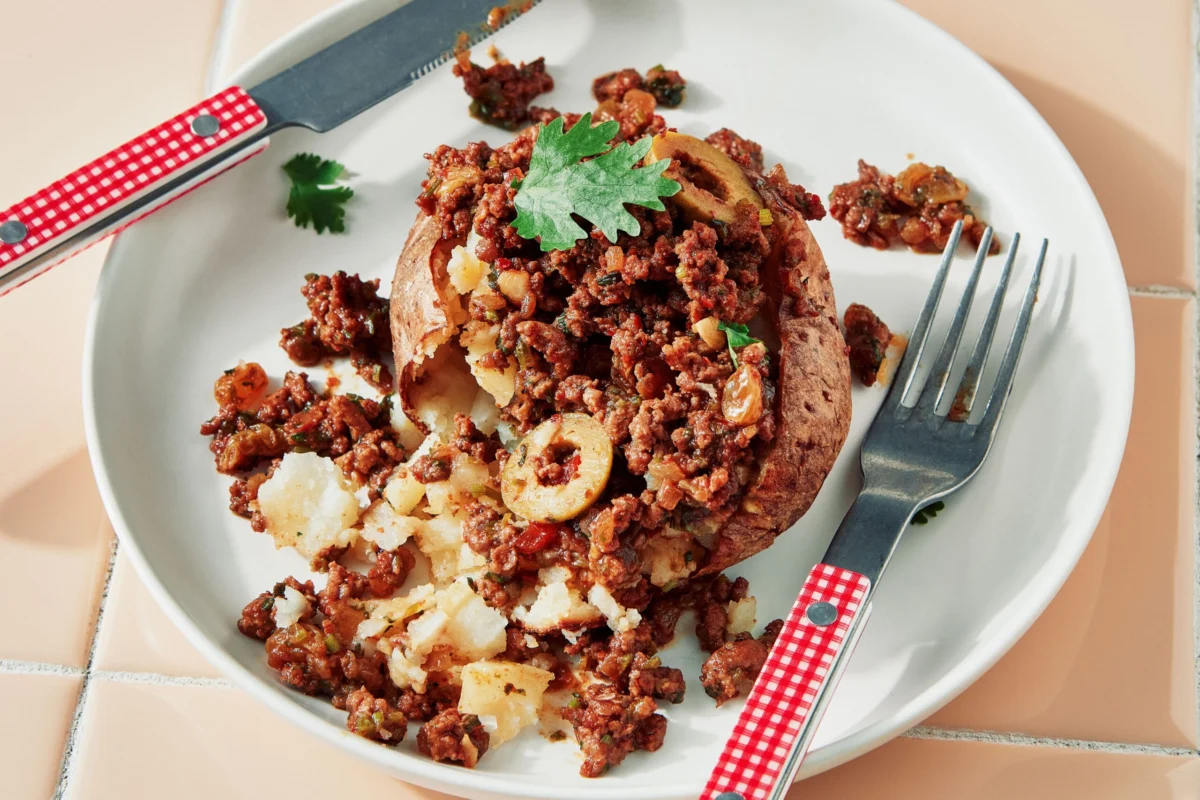
The original article highlights a particularly inspired filling: a picadillo-inspired mixture. Picadillo, a traditional dish in many Latin American and Filipino countries, typically consists of ground meat (beef, pork, or a combination) stewed with tomatoes, olives, and often raisins, creating a complex flavor profile that balances savory, sweet, and briny notes. When adapted as a baked potato filling, this mixture offers a robust and satisfying meal. Ground beef, a common choice, is a rich source of protein, essential iron, and creatine, vital nutrients for muscle function and overall health. For those seeking alternatives, ground turkey or chicken can be substituted, providing leaner protein options without sacrificing flavor. The addition of golden raisins introduces a subtle sweetness and textural contrast, while stuffed olives contribute a briny, umami depth. A spicy tomato sauce, infused with a carefully selected chili powder blend (ideally a mix containing various chiles, cumin, oregano, and garlic, rather than just dried ground chiles), slowly permeates the fluffy potato flesh, seasoning it with every passing minute and creating a harmonious blend of flavors. This fusion of a global dish with a classic comfort food exemplifies the innovative spirit of modern cooking.
The Humble Potato: A Nutritional Powerhouse Dispelling Myths
Despite enduring misconceptions that label them as "empty calories," white potatoes are, in fact, remarkably nutritious. This widespread misunderstanding often stems from their high carbohydrate content and historical association with less healthy preparations (e.g., fried potatoes). However, a comprehensive look at their nutritional profile reveals a wealth of essential vitamins, minerals, and dietary fiber, making them a valuable component of a balanced diet.
A medium-sized baked potato (approximately 173 grams) provides a significant amount of Vitamin C, a powerful antioxidant crucial for immune function and skin health, often exceeding 20% of the daily recommended intake. It is also an excellent source of potassium, an electrolyte vital for maintaining fluid balance, nerve signals, and muscle contractions, often containing more potassium than a banana. Furthermore, potatoes offer a good source of Vitamin B6, which plays a role in metabolism and brain development, and folate, essential for cell growth and function. They contain dietary fiber, particularly when consumed with the skin, which aids in digestion, promotes satiety, and helps regulate blood sugar levels. The complex carbohydrates in potatoes provide sustained energy, making them an ideal fuel source for physical activity.
Organizations like the Potato Council and various national health bodies consistently emphasize the nutritional benefits of potatoes, advocating for their inclusion in healthy eating patterns. They highlight that the nutritional value largely depends on the preparation method; baking or boiling retains more nutrients compared to frying. This factual understanding counters decades of diet fads that have unfairly demonized the potato, restoring its rightful place as a nutritious and affordable staple food.
A Brief History and Global Impact of the Potato
The potato’s journey from a wild tuber in the Andes mountains to a global dietary cornerstone is a testament to its resilience, adaptability, and nutritional value. Originating in present-day Peru and Bolivia approximately 8,000 to 10,000 years ago, potatoes were domesticated by indigenous peoples, becoming a primary food source for civilizations like the Inca. They were introduced to Europe by Spanish conquistadors in the 16th century but initially faced skepticism, often cultivated as animal feed or garden curiosities due to fears of toxicity and biblical interpretations.
It wasn’t until the 18th century, largely through the advocacy of figures like Antoine-Augustin Parmentier in France, that the potato gained widespread acceptance as a human food crop in Europe. Its ability to grow in poor soils, high yield, and nutritional density proved crucial in combating famine and supporting population growth across the continent. The potato’s impact, however, was not without its challenges; the Irish Potato Famine of the 1840s, caused by a blight that decimated monoculture crops, stands as a stark reminder of the perils of over-reliance on a single food source.
Today, the potato remains the world’s fourth-largest food crop, after maize, wheat, and rice, with global production exceeding 370 million metric tons annually. Major producers include China, India, Russia, and the United States. Its economic significance is immense, supporting millions of farmers and contributing substantially to agricultural economies worldwide. The potato’s versatility in food manufacturing, from fresh produce to processed foods like chips and fries, further solidifies its global market presence. Its role in food security, particularly in developing nations, cannot be overstated, offering a reliable and calorie-dense crop that can thrive in various climates.
Conclusion: The Enduring Legacy of a Culinary Staple
The seemingly simple baked potato, when examined through a journalistic lens, reveals itself to be a fascinating intersection of culinary art, food science, historical significance, and nutritional power. The journey from a raw russet to a perfectly baked spud—with its crispy, flavorful skin and light, fluffy interior—is a testament to the impact of technique and precision. From the Maillard reaction that browns its skin to the internal temperature that fluffs its flesh, every step is informed by scientific principles. The debates surrounding its opening, whether by fork or a dramatic chop, underscore the passionate pursuit of culinary perfection.
Beyond the plate, the potato’s narrative extends to its profound historical impact on global populations, its crucial role in nutrition, and its ongoing economic importance as a vital agricultural commodity. It stands as a powerful reminder that even the most unassuming ingredients hold layers of complexity and significance. The baked potato, far from being a mere side dish, embodies a rich culinary heritage and an enduring promise of simple, wholesome satisfaction, continuously adapting and inspiring new forms of enjoyment across the globe.
