

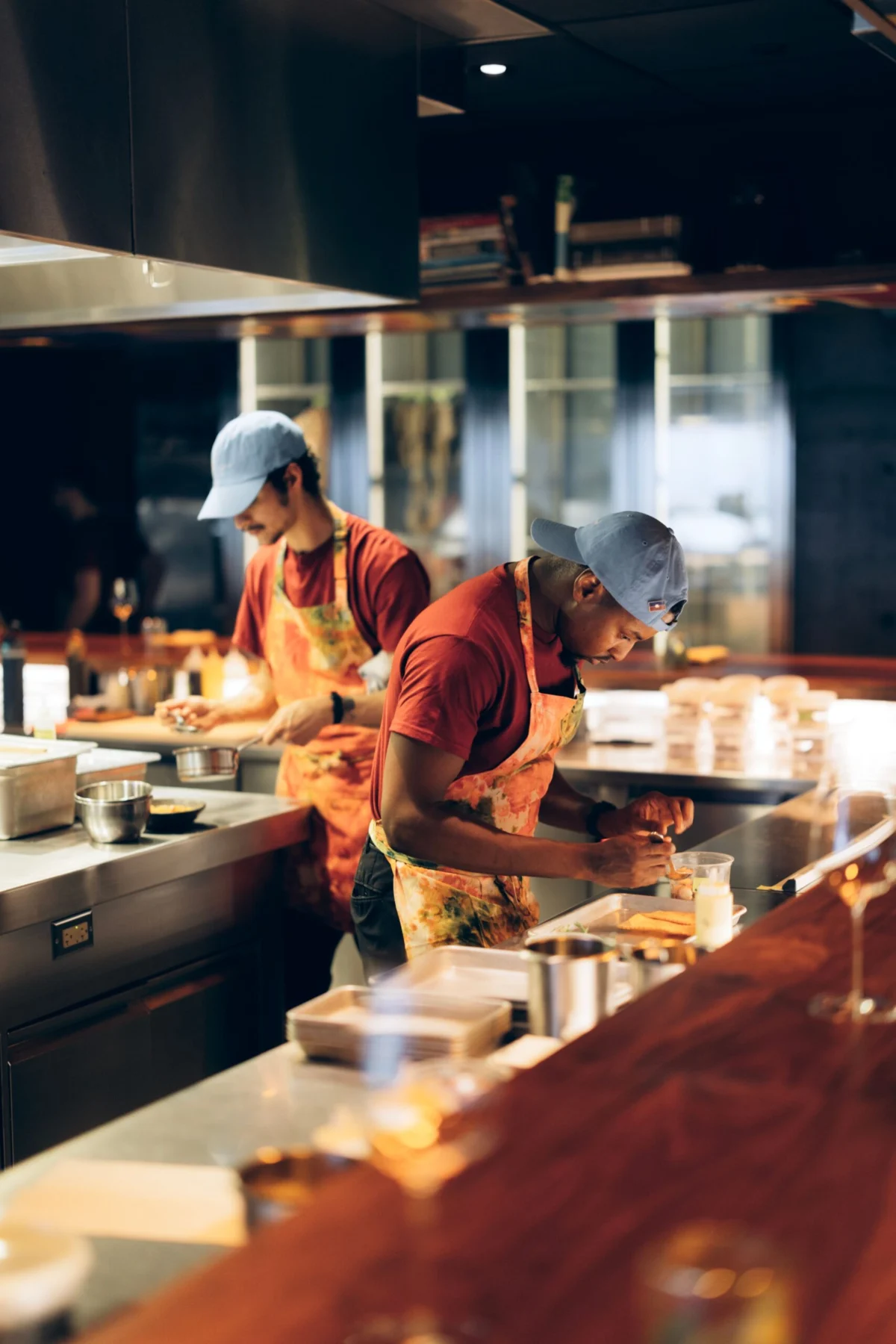
New York City is many things: a global nexus for arts, culture, finance, and, perhaps most notably, an unparalleled dining destination. For the discerning palates and dedicated chroniclers at Bon Appétit, the city’s identity is inextricably linked to its food scene—a vibrant, ever-evolving tapestry stretching from the unassuming, flavor-packed noodle joints of Queens to the opulent, Michelin-starred establishments of Manhattan. This year, the city’s culinary narrative continues to unfold with remarkable vigor, marked by a fresh infusion of innovative eateries. From modern Caribbean interpretations and artisanal sourdough pizzas to a Mexico City-born tortillería garnering a near-cult following, these newly minted establishments underscore New York’s enduring status as a gastronomic marvel. This updated overview delves into the latest additions that are shaping the city’s dining future, offering a comprehensive guide to where to eat next.
The Enduring Allure of New York’s Dining Scene
New York City’s restaurant industry is a cornerstone of its economy and cultural identity, consistently demonstrating resilience and innovation. Even in the face of economic shifts and evolving consumer preferences, the city experiences a continuous influx of new culinary ventures. This dynamism is fueled by a diverse population, a thriving tourism sector, and a relentless pursuit of culinary excellence by chefs and restaurateurs. The entries on this year’s Bon Appétit list highlight not only the sheer variety of cuisines available but also a trend towards deeply personal narratives and elevated casual dining experiences. These openings contribute significantly to the city’s economic pulse, creating jobs, attracting visitors, and cementing New York’s reputation as a global food capital where tradition meets avant-garde. The constant churn of new establishments ensures that the city’s culinary landscape remains fresh, exciting, and reflective of broader societal trends in food.
Chinatown’s Evolving Palate: Lei Redefines a Historic Enclave

Chinatown, a district historically celebrated for its authentic, generations-old noodle and dumpling houses, is currently undergoing a subtle yet significant culinary evolution. Nestled on the famously crooked Doyers Street, Lei emerges as a prime example of this shift, presenting one of the city’s most innovative wine bars. Spearheaded by Annie Shi, a seasoned restaurateur known for her involvement in King and Jupiter, Lei has swiftly earned a place among Bon Appétit‘s Best New Restaurants of 2026. The establishment itself is a tucked-away gem, exuding magnetic charm with its intimate boite setting, flickering taper candles, and a picturesque window perch overlooking the quaint pedestrian lane.
Chef Patty Lee, an alumna of the acclaimed Mission Chinese, crafts a menu that beautifully reinterprets the Chinese dishes Annie and her late sister Lei cherished during their upbringing in Queens. This culinary philosophy results in offerings like Shao bing, a traditional Chinese laminated bread reimagined as an oblong, sesame-crusted croissant, and a rich, sticky sweet-and-sour beef short rib, a heartfelt tribute to Shi’s father. Pristine scallop crudo, adorned with delicate lily bulbs, further exemplifies the innovative approach. The beverage program is equally ambitious; a collaboration between Shi and Heroes alum Matt Turner, the thrilling 40-page wine list showcases producers and winemakers from Italy, Greece, and notably, China, reflecting a global yet deeply personal curation. Patrons are advised not to miss the showstopping hand-rolled cat’s ear noodles, slicked in a cumin, tomato, and lamb ragu, or the Eight Treasure pudding for dessert—a sticky toffee cake generously topped with vanilla ice cream and an array of Chinese candied delights.
Greenwich Village and SoHo: A Melting Pot of Global Flavors
The vibrant neighborhoods of Greenwich Village and SoHo continue to be fertile ground for diverse culinary ventures, each bringing a unique perspective to the city’s dining scene.
Somssi, located off the bustling MacDougal Street, offers a tranquil escape into hushed environs characterized by relaxed chatter and warm, attentive service. Pronounced "somm-she," this neo-bistro is the brainchild of Ahris Kim, former director of operations for the genre-defining Korean restaurants Atomix and Atoboy of the Na:Eun Hospitality group, with partners Ellia and Junghyun Park. The name "somssi," meaning a skill honed over time, subtly hints at the menu’s intricate blend of Korean and global influences. While dishes like pasta, branzino, steak-esque ox tongue, and crudo evoke a bistro sensibility, their flavors are anything but conventional. Mushrooms with curried rice offer a spiritual nod to bibimbap, and linguine topped with a ragù of mustard green kimchi provides a deeply comforting, funky twist. The charming drinks menu, featuring micro cocktails such as the tropical Cherchez la Femme (Haitian clairin and passionfruit) or the pre-dinner aperitif Countermand (vermouth, gin, maraschino), is a highlight.

Just a stone’s throw away, Dean’s introduces a welcome touch of British pub culture to SoHo. This neighborhood pub is a testament to the "British cuisine moment" sweeping the country. Chef Jess Shadbolt and beverage director Annie Shi (also of Lei and King) bring their decade of experience to this venture. Dean’s captures the authentic pub spirit with a significant portion of its space dedicated to standing room around a warm, wooden bar, complemented by bustling bistro tables. The menu respectfully adheres to British classics with chef Shadbolt’s signature flair: a mustard-forward quail Scotch egg, airy Guinness bread with Marmite butter, and perfectly battered fish and chips. Dishes like the stargazy pie, a creamy fish pie adorned with a mackerel head and tail playfully poking through the lattice pastry, and Guinness shooters topped with an oyster, have quickly become Dean’s signatures, blending familiarity with distinct personality. The wine list, with its interesting English bubbles and a broad selection from Western Europe, further enhances the experience. The scallops, served atop salsify puree with bacon and malt vinegar beurre blanc, are also a must-try.
Also in the West Village, Arvine presents a sophisticated night out. The restaurant boasts a dark, alluring room with exposed brick and plush sea-blue velvet banquettes. Adrien Falcon, former wine director at Bouley, curates a wonderfully deep wine list, while Chef Joe Anthony, honed at celebrated establishments like Gabriel Kreuther, Daniel, and The Modern, delivers a dazzling menu. Anthony elevates American-ish classics with unexpected twists: grass-fed bison tartare is enlivened with Calabrian chile gochujang, kingfish is crusted in chile and garlic and set atop a fennel-coconut puree, and silken diver scallops rest in kombu with leek vinaigrette and Champagne sauce. The wine list, featuring rare vintage bottles and hidden gems, is a destination in itself, complemented by a modern cocktail program. Standout dishes include oversized garlic knots with puttanesca dip, braised beef cheeks with coffee lentils and miniature housemade tortillas, and the Arvine house white wine from Savoie.
Nearby, Graciela arrived with considerable anticipation, marking Argentine restaurateur Pablo Rivero’s (owner-chef of Buenos Aires’ lauded Don Julio) first stateside venture. Opening in July, Graciela lives up to its high expectations. Despite its substantial size for NYC standards, with 133 seats across multiple rooms, the hospitality is immediate and genuine, beginning with a complimentary glass of sparkling lemonade. The open-fire grilled steak is the undeniable headliner, with Argentine-sourced New York strips cooked to a perfect medium-rare with a salty, savory char. However, the vegetables and sides demand equal attention, such as a hearty panzanella salad with heirloom tomatoes, zippy onions, and dill, served alongside a moist swordfish fillet. The creamy-on-the-inside, crispy-on-the-outside thick-cut fries are poised to become a staple on "best French fries" lists. The spinach and cheese empanada, with its bubbly, flaky, buttery pastry and garlicky, creamy filling, is highly recommended, as is the flan, served with a generous scoop of dulce de leche.
Furthering the West Village’s culinary diversity, Bartolo, Chef Ryan Bartlow’s follow-up to his beloved Basque restaurant Ernesto’s, channels the rich, rustic warmth of Madrid taverna culture. Whether in its snug six-seat bar room or one of two small dining rooms adorned with hand-stenciled wood ceiling beams, Bartolo offers exquisitely simple Spanish fare. The menu features snacky bowls of pork belly chicharrones with Marcona almonds, slices of potato tortilla, salty anchovy fillets with butter, crocks of salt cod, and platters of morcilla. The exclusively Spanish 250-bottle wine list focuses heavily on sherry and vino de Pasto from the Jerez region. Diners should not miss the briny gildas, a plate of croquetas de jamon, or the huevos fritos con patatas y gambas—a generous serving of crispy fried potatoes, garlicky shrimp, and over-easy eggs. For those organized enough to order in advance, the cochinillo asado, a suckling pig with crackling skin, is a decadent treat.
Midtown’s Upscale Additions and Brooklyn’s Thriving Diversity

Midtown Manhattan and various Brooklyn neighborhoods continue to see significant growth and diversification in their dining landscapes.
Cote 550, the latest offshoot of the renowned Korean steakhouse, establishes itself as a subterranean Midtown hot spot. It distinguishes itself from the original by being louder, more lavish, and featuring a higher price point, albeit in the best possible way. The dining room’s shallow central pool, a boisterous crowd, and exclusive menu items like tableside japchae with king crab elevate the experience. The Butcher’s Feast, a set menu featuring four cuts of beef and an array of fixings (scallion salad, egg soufflé, stews, assorted banchan), is priced at $115 here, reflecting the enhanced offerings, which include an opening cube of toro and a finishing cup of soft serve. This location also integrates Bar Chimera, a stylish wine, whiskey, and martini bar, and anticipates the opening of Sushi Yoshitake from revered sushi maestro Chef Masahiro Yoshitake. The cocktails, including zero ABV options, and wine selections across all Cote locations are consistently exceptional, with the option to pair with ZBiotics for a proactive approach to the morning after.
Brooklyn continues its ascent as a culinary hotspot, with new establishments reinforcing its reputation for innovation and community-driven dining.
In Park Slope, Brooklyn, Il Leone brings the celebrated pizza royalty of Peaks Island, Maine, to New York. Chef Ben Wexler-Waite, known for his 72-hour naturally leavened sourdough crusts, has generated significant buzz with this outpost. The cozy 7th Avenue spot, with its open kitchen, long food bar, moody candlelight, and soothing blonde wood, creates an inviting atmosphere. The menu features a curated selection of Neapolitan-style pizzas, fired for 90 seconds to blistered perfection, alongside starters like an arugula salad with shaved pears and parm, impossibly tender meatballs, and crispy fried baby artichokes. The signature Isola pizza, crowned with hand-milled, chile-flecked San Marzano tomato sauce and Maine lobster, is a must-try. Guests are encouraged to save room for gelato, sourced from a secret Italian provider.
Williamsburg’s dining scene is further enriched by I Cavallini, the highly anticipated follow-up to the cult-followed Four Horsemen. Unlike its predecessor, I Cavallini boasts a larger dining room, and Chef Nick Curtola’s menu largely adheres to Italian traditions while incorporating playful divergences. Offerings range from fluffy focaccia with creamy whipped ricotta and jammy tomatoes to fried eel toast with pine nuts and golden raisins. The pastas are a highlight, including trofie with vibrant green pesto and farfallone in a Calabrian chile butter with smoky pancetta. Bar director Jojo Colonna’s drinks program is equally impressive, with cocktails like the Pomozoni (sungold tomatoes and rhubarb aperitivo). The antipasti, such as nervetti with onion salad or mussel panzanella, showcase the kitchen’s creative spirit. The golden half chicken is a worthy secondi, and dessert options include tiramisu or another pasta.

Fish Cheeks Brooklyn extends the bold, seafood-forward Thai experience of its Manhattan counterpart to Williamsburg. Since its inception in 2016 by Ohm and Chat Suansilphong and Jenn Saesue, Fish Cheeks has been celebrated for its high-energy bistro atmosphere and dishes like coconut crab curry and steamed whole branzino with chilis, lime, and cilantro. At the new Driggs Avenue location, Chef Dustin Everett continues this tradition, delivering swashbuckling fare that builds on the original’s cult success. A notable highlight is the Thai drinking snack of fried Pacific baby prawns, served shell and head-on in a sweet and sour chili sauce, perfectly paired with a Singha beer or a Pla Ra-Tini, a funky fermented fish cocktail.
Vato in Park Slope, Brooklyn, is Chef Fidel Caballero’s latest venture, born from the immense popularity of his homemade sourdough tortillas at his modern Mexico City cantina, Corima. This dedicated tortillería, bakery, and restaurant, opened with three lifelong friends from Juarez (Sofía Ostos, Paco Alonso, and Erica Alonso), is named for the Chicano slang for "homie," reflecting its community-oriented spirit. The 30-seat space centers around dishes contained within Caballero’s warm, soft, and tangy tortillas. Long, slender Chihuahua-style burritos, stuffed with fork-tender braised pork smothered in salsa verde or pulled chicken in a deep, dark mole, are highlights. Erick Rocha leads the pastry program, crafting innovative conchas (yuzu or corn husk curds), hazelnut-praline-chocolate chip cookies, cajeta brioche, and charming pig-shaped marranitos (Mexican gingerbread cookies), served with dark, single-origin Oaxacan coffee. Early arrival is recommended for the popular burritos, especially Caballero’s take on the BEC: hickory-smoked brisket burnt ends, soft-scrambled eggs, and melted cheddar, alongside cinnamon rolls and conchas.
Ridgewood, Queens, sees the opening of Pierogi Boys, a Polish restaurant and market by business and life partners Krzysztof Poluchowicz and Andrzej Kinczyk, evolving from their popular pierogi stand in downtown Brooklyn’s Dekalb Market. This corner lot, filled with natural light, functions as a grocery during the day and transforms into a vibrant restaurant-bar at night. Beyond their signature fat, hand-pinched pierogies (potato and cheese, mushroom, or beef and pork, topped with caramelized onions, dill, and chives), the menu features modern Polish dishes. These include deviled eggs garnished with trout caviar, a beet salad with borscht vinaigrette and sunchoke chips, house-smoked Steelhead trout in cream sauce with warm buttered potatoes, and pork schnitzel with an endive-and-anchovy salad. The pickle martini is a unique and popular drink choice.
Global Flavors and Innovative Concepts Across Boroughs
New York’s culinary tapestry is woven with threads from across the globe, continuously introducing new textures, spices, and traditions.

Kabawa, Chef Paul Carmichael’s Barbados-inspired restaurant, is another standout among Bon Appétit‘s Best New Restaurants of 2026. Located on Extra Place, it offers a fizzy, rum-soaked romp in the form of a tasting menu designed to evoke pure joy. Carmichael’s Barbadian roots are celebrated in a fanciful parade of curry, coconut, and chiles. The restaurant is imbued with personal touches: the menu is handwritten by his mother, featuring the commandment "Love yuh self. Eat yuh guts full," and adorned with line drawings by his partner. Even the bathrooms provide an immersive experience, one styled like his grandmother’s house and the other like a tropical rainforest with indigenous bird and frog sounds. The tasting menu, a journey through warm, butter-glossed roti; plump ruby red shrimp coated in fiery pepper powder; fork-tender braised goat in a spicy scallop creole; and for dessert, the Matrimony, a festival of citrus in a cool, creamy puddle of condensed milk, is designed to be fully trusted and enjoyed.
In Sunnyside, Queens, Makina Cafe Ethiopian-Eritrean Eatery marks Chef Eden Egziabher’s highly anticipated first brick-and-mortar establishment. Born in Ethiopia to Eritrean parents and raised amidst Ethiopian, Eritrean, and Italian cuisines, Egziabher first launched Makina as a food truck (the word means "truck" in all three languages). Her new cheerful, breezy space, with an inviting bar and a modern dining room featuring blue banquettes, exposed brick, and oak wainscoting, is a celebration of these diverse cultures. It flows with fruit-forward cocktails, as tables share vibrant stews like the misir, a red lentil dish humming with heat and warmed with cardamom and cloves. Guests are encouraged to savor the buoyant and sour injera with berbere-spiced prawns, chicken tibs, and lamb alicha, a stew fragrant with turmeric and ginger.
Lower Manhattan also welcomes new contenders, solidifying its status as a vibrant food destination.
Santo Taco, from Cosme co-founder and Mexico City native Santiago Perez, leads a new wave of taco heavy-hitters. Having opened two downtown Manhattan locations within six months and with a West Village location on the horizon, Santo Taco champions Mexico City’s famed taco stand culture. The star at both is the steak trompo, featuring strip and sirloin steaks thinly sliced to order from a glossy vertical spit onto supple corn tortillas with avocado salsa. The larger University Place location, which holds a liquor license, also offers lightly fried shrimp tacos with salsa macha and house margaritas. These tacos are best enjoyed hot, standing at the counter, salsa dripping, reflecting the authentic experience. Beyond the steak trompo, the zucchini, blanketed with bubbly Oaxaca cheese and earthy poblano peppers, is a must-try. On colder days, the chicken tortilla soup offers a comforting choice. An agua fresca, a house blend of kiwi, cucumber, lime, and palo Santo, provides a refreshing accompaniment.
Or’esh on West Broadway sees Eugene Remm, known for buzzy hits like The Eighty Six and The Corner Store, delve into serious food. Chef-partner Nadav Greenberg helms the kitchen, focusing on coal-fired dishes that draw from Middle Eastern influences. Essential starters include the housemade Jerusalem bagel with baba ghanoush, matbucha, and a creamy mint tzatziki, or grilled halloumi dusted with za’atar and glossed in hot honey. Larger plates leverage the hearth’s fire, such as the impressive 18-Layer Wagyu NY Strip and lamb kebabs with tomato, onion, and sheep yogurt.

Comal on Forsyth Street introduces a wildly original take on Mexican cuisine. Chef/owner Gaz Herbert, formerly of London’s River Cafe and Ikoyi, and Midtown restaurant Jupiter, crafts dishes that are familiar in theory but innovative in execution. Slivers of glossy pink tuna swim in a high-heat pool of aguachile; briny Fat Bastard oysters from Washington’s Willapa and Samish bays are baked with an achiote emulsion; and a beef and lamb burger is prepared "al pastor style," marinated with achiote and chiles, topped with achiote aioli, melted Comté, and pickles. Surprisingly, the cloudlike swirls of vanilla and black sesame soft-serve filling silver coupes are a no-brainer dessert. The chef’s signature magnificent half chicken, smoked in-house and outfitted with a masa-stuffed wing, is served in a sweet, tangy sauce that blends barbecue and chile-forward mole notes. Accompanied by a trio of pulpy housemade salsas and warm, tiny tortillas in a clay croque, it’s designed for patrons to create their own tacos and perhaps, not share.
Finally, in Midtown, Santi continues Chef Michael White’s legacy as a "pasta whisperer," a reputation he cemented at restaurants like Marea and Ai Fiori. Housed in a swanky townhouse on East 53rd Street, Santi features an impressive art collection curated by co-owner Bruce Bronster and White, offering a cultural experience akin to a museum visit. White’s mastery of pasta shines through in dishes like orecchiette draped in calamari and prawns, and swirly busiate with a ragu of trumpet mushrooms, leeks, and black truffles. Seafood is equally compelling, from Long Island fluke sequined with grapefruit and capers to a crudo of sweet Montauk red prawns set with toasted pistachios and caviar. The ricotta gnocchi, simply sauced in San Marzano tomatoes with basil and butter, is a testament to the power of less-is-more.
Implications for New York’s Culinary Future
The diverse array of new restaurant openings in New York City reflects several ongoing trends within the culinary industry. Firstly, there’s a clear emphasis on authenticity and personal storytelling, with many chefs drawing from their heritage to create innovative yet deeply rooted menus. This is evident in Kabawa’s Barbadian narrative, Makina Cafe’s Ethiopian-Eritrean blend, and Lei’s homage to family recipes. Secondly, the blurring lines between fine dining and casual concepts continue, as establishments like Somssi offer elevated bistro fare and Santo Taco brings a refined approach to street food. Many new spots are incorporating sophisticated wine programs, artisanal ingredients, and thoughtful design elements that enhance the overall dining experience, regardless of the price point.
Furthermore, the geographical spread of these notable openings underscores the ongoing decentralization of New York’s culinary prestige. While Manhattan continues to attract high-profile ventures, Brooklyn and Queens are increasingly recognized as incubators for innovative and exciting dining concepts, often at more accessible price points. This trend makes high-quality, diverse cuisine available to a broader audience and reinforces the unique character of each borough’s food scene.

These new additions not only satisfy the city’s insatiable appetite for new flavors but also contribute to the economic vitality of their respective neighborhoods. They create jobs, draw local and international tourism, and foster a dynamic ecosystem where culinary creativity can flourish. As Bon Appétit continues to monitor and celebrate these establishments, they collectively paint a picture of a New York City dining landscape that remains vibrant, resilient, and perpetually at the forefront of global gastronomy.
